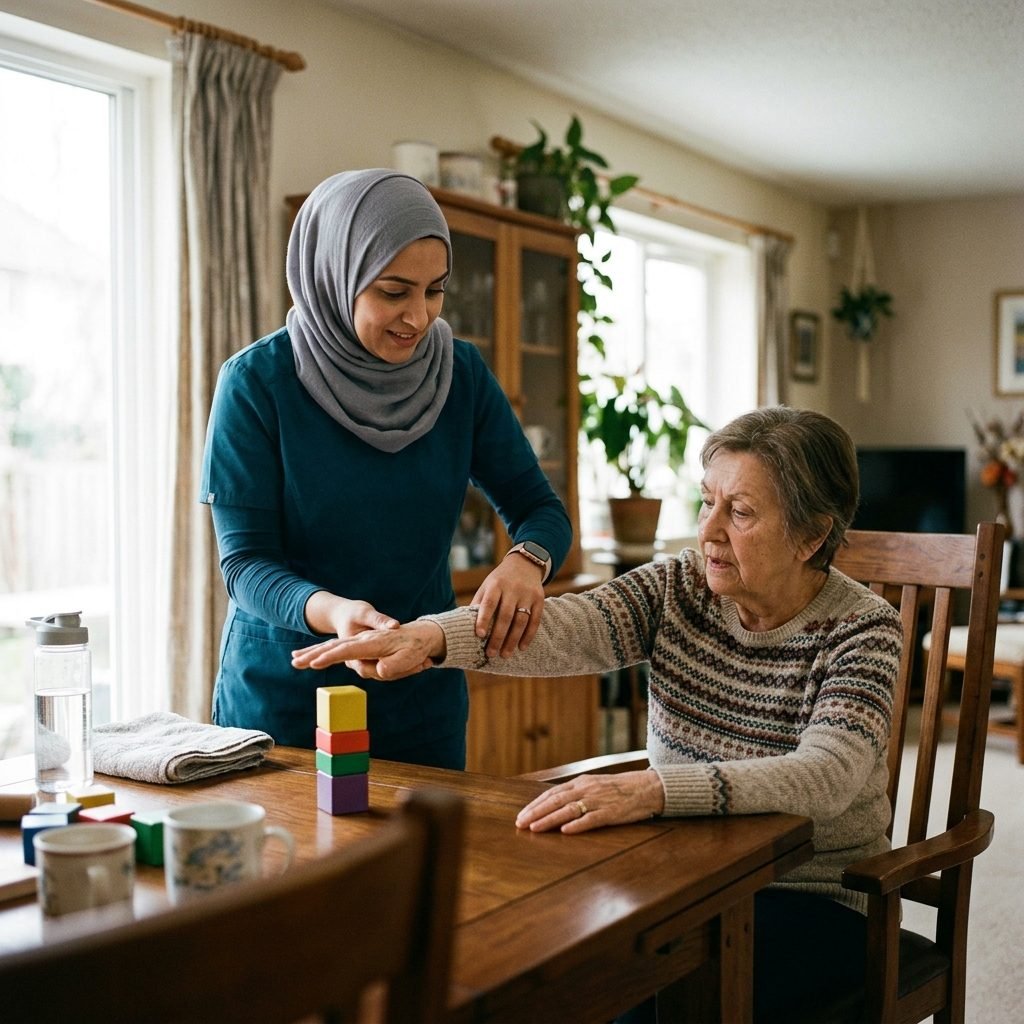
Advanced Subacute Rehabilitation (Weeks to Early Months) in Jeddah
The subacute phase is universally recognized as the 'golden window' of cerebrovascular accident (CVA) recovery, a period where the brain exhibits its highest potential for neuroplastic change. During these weeks and months, care recipients typically transition to specialized incare recipient functional recovery centers or intensive outcare recipient programs. The focus shifts aggressively toward regaining voluntary motor control, enhancing sitting and standing postural stability, and re-learning how to walk. Therapists utilize evidence-based interventions such as Task-Specific Training, partial body-weight supported treadmill training, and intensive upper limb protocols. The intensity, frequency, and duration of therapy sessions are significantly increased to drive neuroplasticity. This phase demands immense dedication from the care recipient, as the rigorous therapy is designed to push their physical limits safely, ensuring steady functional progress and preventing the loss of newly acquired skills. This is customized to meet home-based rehab standards in Jeddah, ensuring a private and fully supervised treatment.
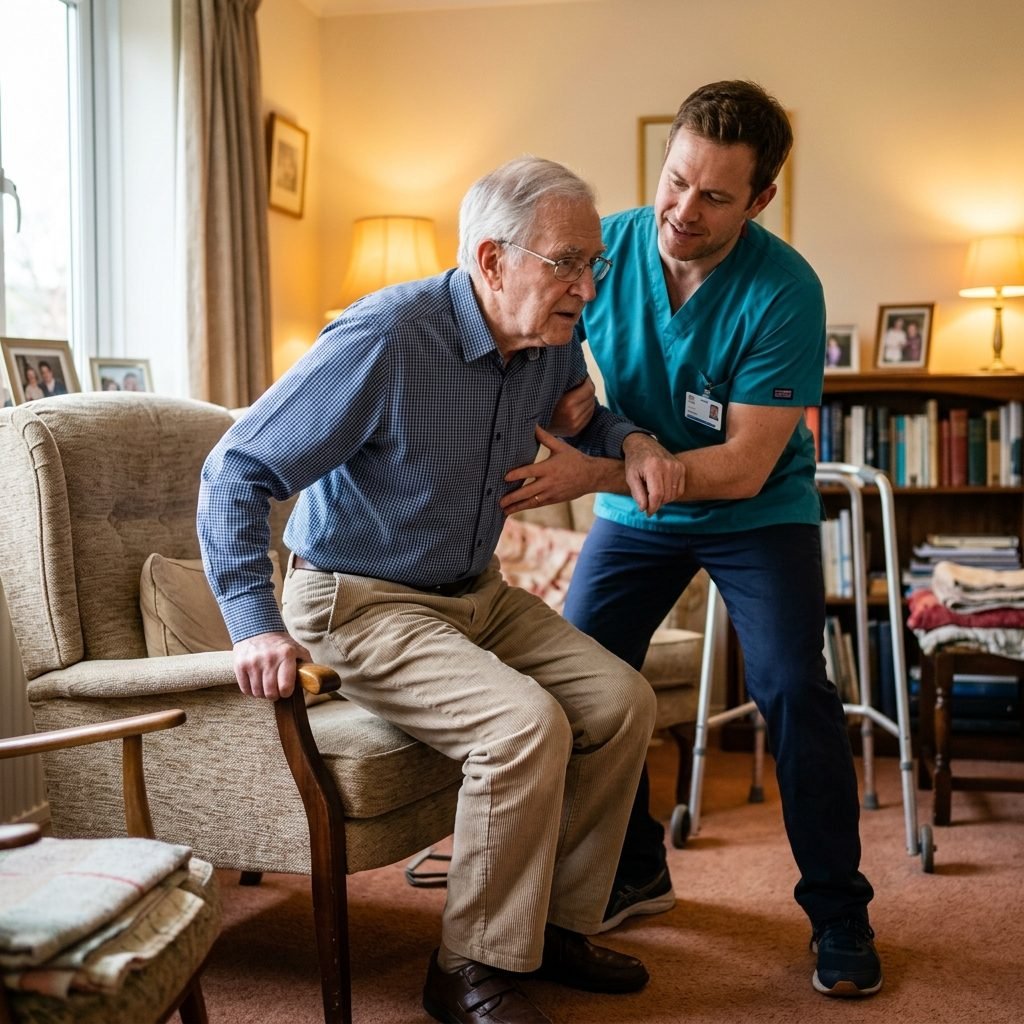
Advanced Neuroplasticity: The Engine of Stroke Recovery in Jeddah
Neuroplasticity refers to the brain's extraordinary ability to reorganize itself by forming new neural connections throughout life. After a cerebrovascular accident (CVA), parts of the brain are permanently damaged and can no longer send signals to specific muscle groups. However, through highly repetitive, task-specific training provided in clinical rehabilitation, healthy and undamaged areas of the brain can be stimulated to take over the functions of the damaged areas. This is the core principle of cerebrovascular accident (CVA) functional recovery: we are not just build endurance ofing muscle groups; we are actively rewiring the brain. To harness neuroplasticity effectively, the therapy must be intensive, engaging, and challenging. Every time a care recipient attempts to perform a movement correctly, even if it requires assistance initially, they are reinforcing these new neural pathways. The physiolicensed clinician's role is to guide these movements precisely, preventing the development of bad compensatory habits and maximizing true neurological recovery. This forms an essential part of our specialized home care in Jeddah, addressing transportation and humidity challenges.
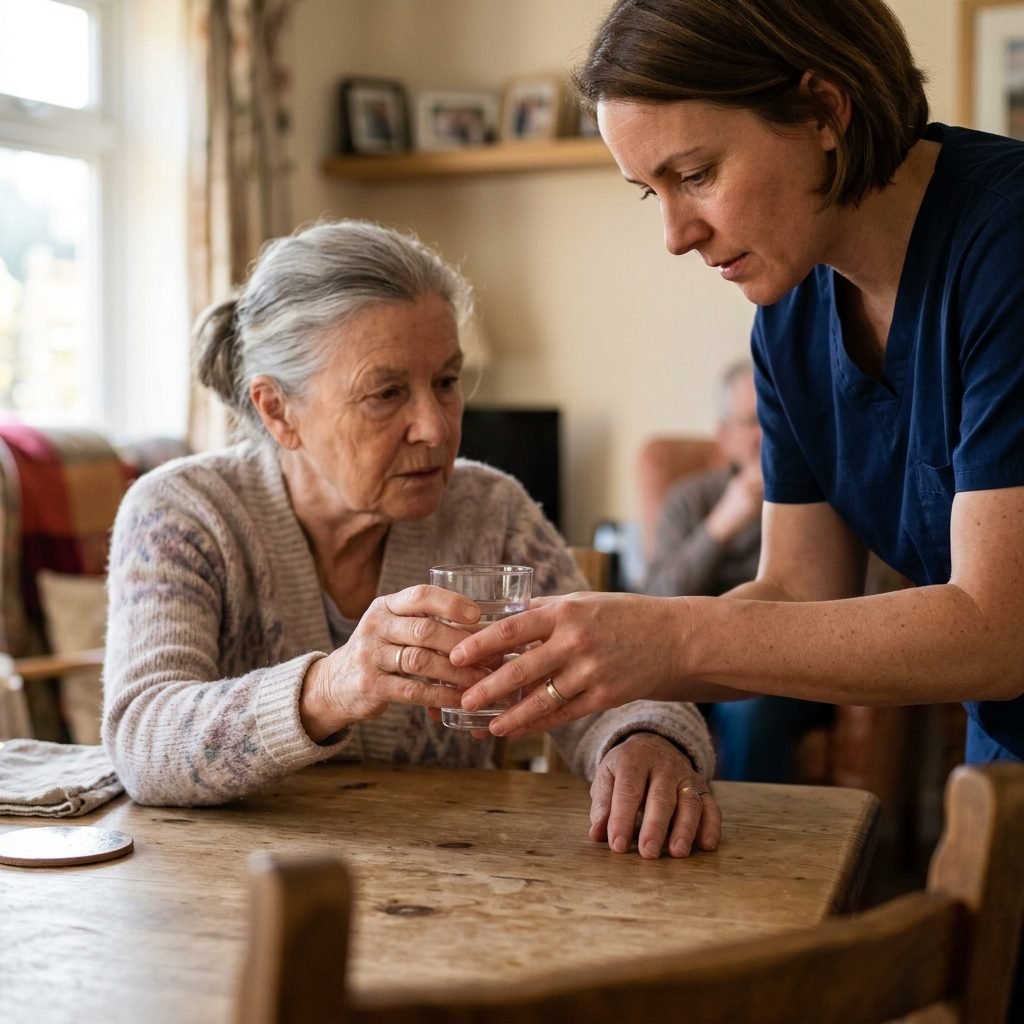
Advanced Acute Phase Rehabilitation (The First Days) in Jeddah
Physiotherapy for cerebrovascular accident (CVA) begins in the hospital setting as soon as the care recipient's medical condition has stabilized, frequently within the first 24 to 48 hours. The primary objective during this acute phase is to prevent severe secondary complications associated with prolonged immobility. These include deep vein thrombosis (DVT), pressure ulcers, severe articular structure stiffness (contractures), and respiratory infections. The physiolicensed clinician performs passive range-of-motion therapeutic movement drills and educates the nursing staff and family on proper bed positioning. Early mobilization is paramount; licensed clinicians will assist the care recipient in sitting on the edge of the bed and, if possible, attempting to stand and bear weight. These early vertical and weight-bearing activities send vital sensory signals to the brain, laying the groundwork for future mobility. Furthermore, careful attention is paid to protecting the affected shoulder articular structure, which is highly vulnerable to dislocation or injury in the early stages. Our physical therapists in Jeddah focus on achieving these goals to help families restore comfort and peace of mind.
Advanced Chronic Phase Rehabilitation (Beyond Six Months) in Jeddah
Historically, it was believed that cerebrovascular accident (CVA) recovery plateaued after six months. However, modern neuroscience proves that significant functional improvements can continue for years post-cerebrovascular accident (CVA) provided the care recipient remains engaged in active functional recovery. In the chronic phase, clinical rehabilitation focuses on integrating acquired motor skills into complex, real-world activities. We prioritize improving cardiovascular endurance, refining fine motor skills, and enhancing the overall quality and efficiency of movement. Managing long-term complications, such as persistent spasticity, and correcting ingrained compensatory movement patterns are crucial aspects of care. Programs may involve group exercise classes, adaptive sports, and the development of highly customized, sustainable private residence exercise routines. The ultimate goal in the chronic phase is to maximize the care recipient's independence, promote long-term community reintegration, and maintain a high quality of physical health. This enhances the safety and mobility of our patients in Jeddah, reducing the risk of musculoskeletal complications.
Advanced Gait Training and Balance Re-education in Jeddah
Regaining the ability to walk safely and independently is frequently the highest priority for cerebrovascular accident (CVA) survivors. Post-cerebrovascular accident (CVA) gait is often compromised by unilateral weakness, profound postural stability deficits, altered sensation, and spasticity. Gait training is a meticulous process that begins with foundational therapeutic movement drills. Therapists initially focus on establishing stable sitting and standing postural stability, followed by symmetrical weight-shifting activities. Training progresses to taking controlled steps, often starting within the safety of parallel bars or using body-weight support systems. As the care recipient gains strength and control, the therapy advances to overground walking, navigating uneven terrains, and mastering stairs. Advanced gait training incorporates dual-tasking—such as walking while conversing or carrying an object—to ensure the care recipient possesses the cognitive-motor automaticity required to navigate complex, real-world environments safely without falling. This supports long-term physical wellness for clients in Jeddah, allowing them to rebuild strength in comfort.
Advanced Upper Limb Function and Fine Motor Recovery in Jeddah
Recovery of the affected arm and hand is notoriously slower and more complex than leg recovery. This is due to the intricate neurological control required for fine motor tasks and a phenomenon known as 'learned non-use,' where care recipients instinctively favor their unaffected arm and chronically neglect the weak one. To combat this, physiolicensed clinicians employ intensive, evidence-based strategies. Constraint-Induced Movement Therapy (CIMT) is a highly effective protocol where the unaffected arm is physically restrained, forcing the brain to engage and practice using the affected arm for several hours a day. Therapy heavily involves repetitive, task-oriented training—practicing the specific movements needed to grasp a cup, turn a key, or button a shirt. Modalities like Mirror Therapy, which uses visual illusions to trick the brain into perceiving movement in the paralyzed arm, are also utilized to stimulate cortical reorganization. This ensures excellent functional outcomes for patients in Jeddah under strict compliance with medical standards.
Advanced Integrating Assistive Technology and Robotics in Jeddah
The integration of cutting-edge technology has fundamentally transformed cerebrovascular accident (CVA) functional recovery. Modern clinical rehabilitation clinics utilize these tools to amplify the effectiveness of traditional therapy and accelerate recovery timelines. Functional Electrical Stimulation (FES) is widely used; it delivers precise electrical impulses to paralyzed or weak muscle groups, prompting them to contract. A common application is for 'foot drop,' where FES stimulates the nerve to lift the foot at the exact right moment during the walking cycle. Robotic-assisted therapy devices provide intensive, highly repetitive, and task-specific movement practice that would be impossible to achieve manually, offering varying levels of mechanical assistance based on the care recipient's real-time capabilities. Additionally, biofeedback sensors and Virtual Reality (VR) environments provide immediate, engaging visual and auditory feedback, enhancing care recipient motivation and promoting better motor learning through gamified therapeutic movement drills. This accelerates the clinical recovery of our clients in Jeddah and facilitates direct access to quality home care.
Advanced Sensory Re-education for Better Motor Control in Jeddah
Motor weakness after a cerebrovascular accident (CVA) is frequently accompanied by significant sensory deficits on the affected side. Patients may experience a loss of tactile sensation (touch), inability to perceive temperature or pain, or a profound loss of proprioception—the brain's crucial ability to sense the position and movement of the body's articular structures in space without looking at them. Intact sensation is absolutely vital for coordinated movement; without sensory feedback, the brain cannot accurately adjust the force or trajectory of a limb. Physiotherapy incorporates sensory re-education protocols to address this. Therapists expose the affected limb to various textures, weights, and temperatures, encouraging the care recipient to consciously focus on the sensory input while simultaneously performing movements. This integrated sensorimotor training helps the brain re-establish the critical feedback loops necessary for smooth, coordinated, and functional movement. This forms an essential part of our specialized home care in Jeddah, addressing transportation and humidity challenges.
Advanced The Essential Role of Family and Caregivers in Jeddah
Stroke recovery is a profound life event that affects the entire family, and caregivers are indispensable members of the functional recovery team. Physiolicensed clinicians invest significant time in educating and training family members. We teach safe and ergonomic techniques for assisting the care recipient with transfers (e.g., moving from a bed to a wheelchair) to protect both the care recipient from falls and the caregiver from back injuries. Therapists conduct thorough assessments of the private residence environment, recommending necessary modifications—such as removing trip hazards or installing grab bars—to ensure safety and accessibility. Furthermore, family members are trained to become 'therapy assistants' at private residence, ensuring that private residence exercise programs are performed correctly and consistently. Beyond physical assistance, the emotional support, patience, and persistent encouragement provided by the family are often the most powerful motivators driving a care recipient's recovery. Our physical therapists in Jeddah focus on achieving these goals to help families restore comfort and peace of mind.
Advanced Secondary Prevention and Lifestyle Modifications in Jeddah
Experiencing one cerebrovascular accident (CVA) significantly increases the statistical risk of suffering another. Consequently, clinical rehabilitation is deeply intertwined with comprehensive secondary prevention strategies. Physiolicensed clinicians design safe, individualized cardiovascular exercise programs to improve heart health, lower blood pressure, and assist with weight management—all critical factors in reducing cerebrovascular accident (CVA) risk. We educate care recipients on how to safely incorporate aerobic activity into their daily routines despite their physical limitations. Working collaboratively with the broader healthcare team, licensed clinicians reinforce the importance of vital lifestyle modifications, including smoking cessation, adhering to a heart-healthy diet, and strict compliance with prescribed medications for managing hypertension, cholesterol, and diabetes. By combining rigorous private residence-based physical training with proactive lifestyle management, we empower cerebrovascular accident (CVA) survivors to take control of their health and minimize future risks. This is customized to meet home-based rehab standards in Jeddah, ensuring a private and fully supervised treatment.
Clinical Pathways & Field Dispatch in Jeddah
📍 Coordinated by Ms. Reem Al-Ghamdi, PT Coordinator for the Jeddah Region
In Jeddah, our mobile physical therapy teams cover all major residential neighborhoods, including Al-Safa, Al-Naeem, Al-Rawdah, Al-Hamra, Al-Mohammadiyah, and Al-Zahra, traveling with portable clinical tools.
For post-surgical rehabilitation and complex stroke profiles, we coordinate directly with referring physicians at King Fahd General Hospital Jeddah or King Faisal Specialist Hospital to align in-home therapy plans.
Local Coordination & Clinical Pathways in Jeddah
📍 Coordinated through the Jeddah home-visit scheduling pathway
In Jeddah, our mobile physical therapy teams cover all major residential neighborhoods, including Al-Safa, Al-Naeem, Al-Rawdah, Al-Hamra, Al-Mohammadiyah, and Al-Zahra, traveling with portable clinical tools.
For post-surgical rehabilitation and complex neurological profiles, families are asked to share the latest medical reports and physician instructions so the home programme stays aligned with the treating doctor's restrictions.