How we decide whether home physiotherapy is suitable
Bidayah does not treat a home visit as a generic exercise appointment. Before a plan is recommended, the team looks at the medical diagnosis, pain behavior, walking ability, recent surgery, medication-related balance risks, and the condition of the home environment. The first visit is used to confirm whether home-based physiotherapy is appropriate and safe, or whether the patient should return to the physician before starting active rehabilitation.
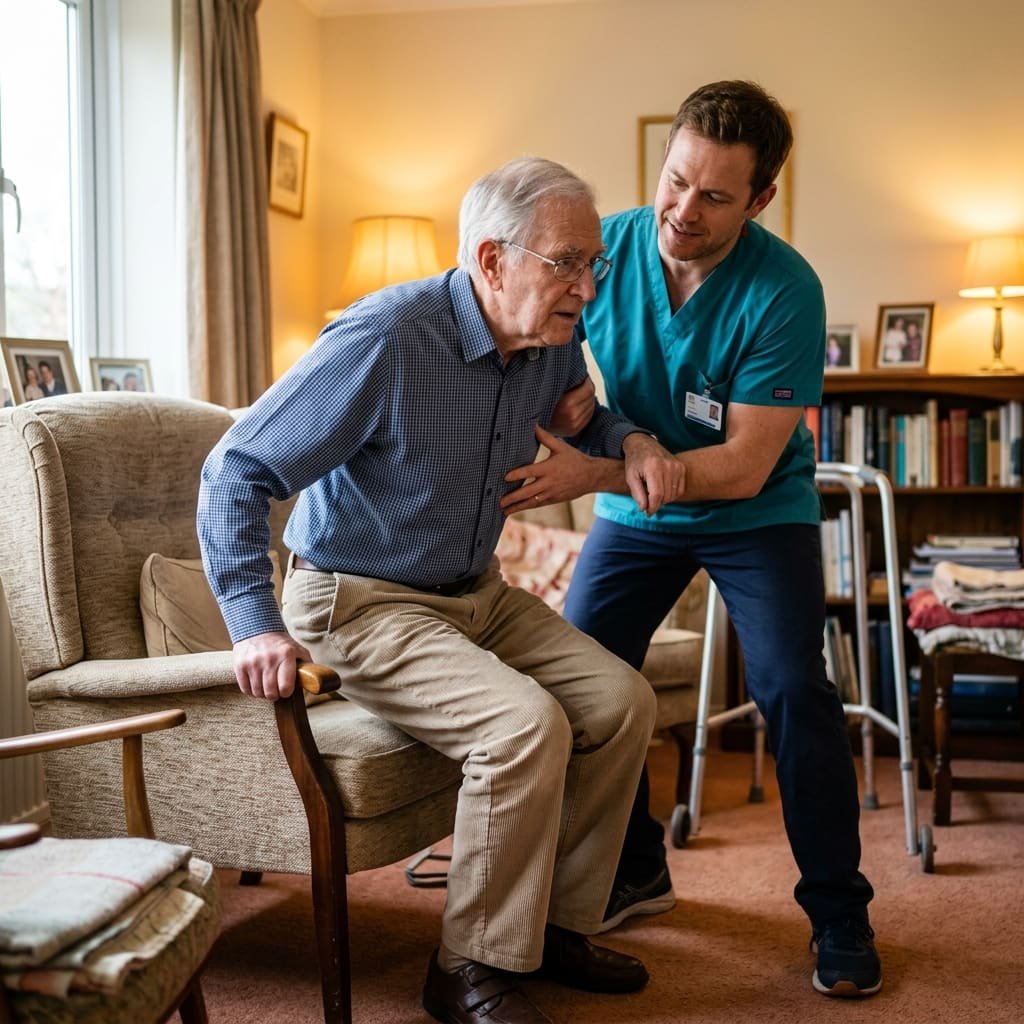
Home physiotherapy is often useful for people who struggle to travel to a clinic or who need training in the exact place where daily movement happens. Older adults, stroke survivors, patients after joint replacement, children with motor delay, and people recovering after hospitalization may benefit from having the therapist observe bed mobility, chair transfers, hallway walking, bathroom access, and caregiver support in real life rather than in a perfect clinic space.
What happens during the first in-home assessment
The first assessment goes beyond asking where it hurts. The physiotherapist checks joint range, muscle strength, balance, gait, stair ability where relevant, and functional transfers such as moving from bed to chair or from sitting to standing. For neurological cases, the therapist observes control of the affected side, step quality, tone, attention, and the patient's ability to follow instructions. For surgical cases, surgeon restrictions are reviewed before exercise is progressed.
Assessment findings are converted into functional goals: standing safely, walking a defined distance inside the home, reducing dependence on caregivers, improving shoulder movement, or helping a child practice an age-appropriate motor skill. We do not promise a fixed outcome or a fixed treatment duration. Recovery depends on diagnosis, age, other medical conditions, home safety, practice between sessions, and the physician's instructions.
Older adults and fall-prevention work
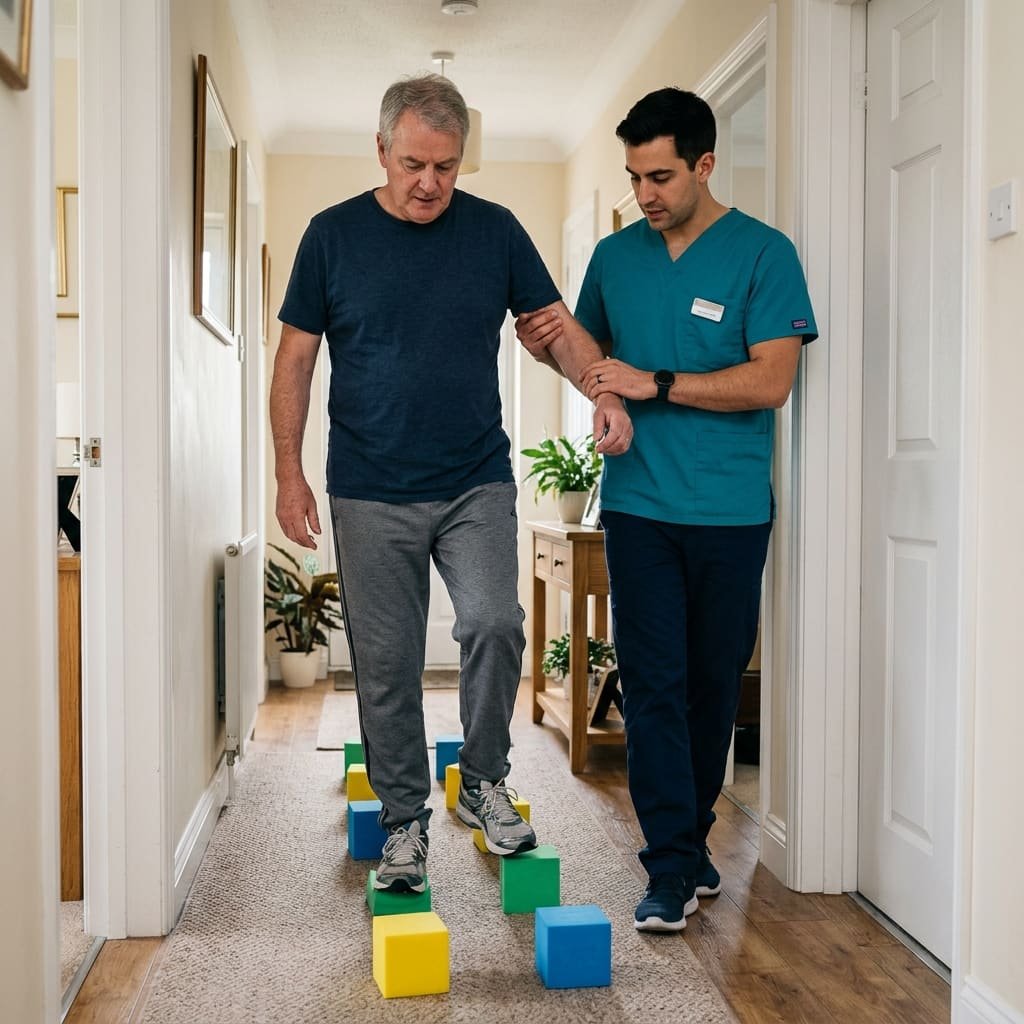
Geriatric rehabilitation at home requires encouragement and caution at the same time. Many older adults are not only afraid of pain; they are afraid of falling again or losing independence in front of the family. Therapy may focus on sit-to-stand practice, turning, narrow hallway walking, correct walker or cane use, and progressive strengthening of the thigh and lower-leg muscles that support balance.
The home environment is part of the clinical picture. A therapist may recommend removing a slippery rug, improving lighting, organizing cords, placing a stable chair for rest, or changing how a patient approaches the bathroom if the current route increases fall risk. These suggestions do not replace medical review or specialist home modifications when needed, but they reduce daily hazards and teach the family safer ways to assist.
Neurological rehabilitation after stroke or movement disorders
After stroke or a neurological condition, therapy is not simply about moving the weaker arm or leg. The patient often needs to re-learn how to place the foot, shift weight, use the affected hand during a simple task, and pay attention to the weaker side while standing or walking. At home, therapy can connect these skills to meaningful activities such as reaching the bathroom, sitting at the dining table, or getting into bed safely.
Neurological rehabilitation relies on guided repetition and task-specific practice while monitoring fatigue, breathing, blood pressure concerns, and unusual symptoms. Chest pain, severe shortness of breath, sudden dizziness, new speech difficulty, sudden weakness, or an unusual severe headache should be treated as a reason to seek urgent medical help rather than waiting for a physiotherapy appointment. Our role is rehabilitation within safe limits, not emergency diagnosis.
Orthopaedic, joint, and post-operative rehabilitation
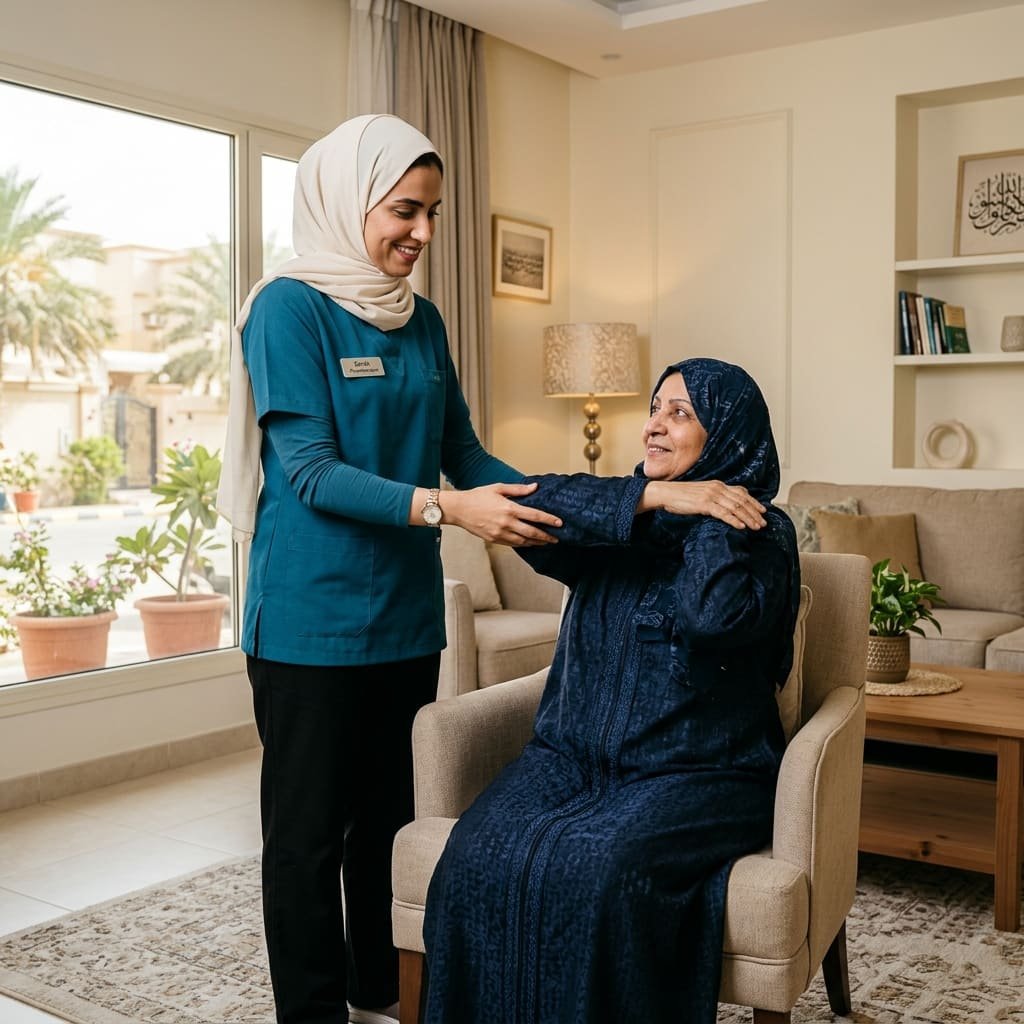
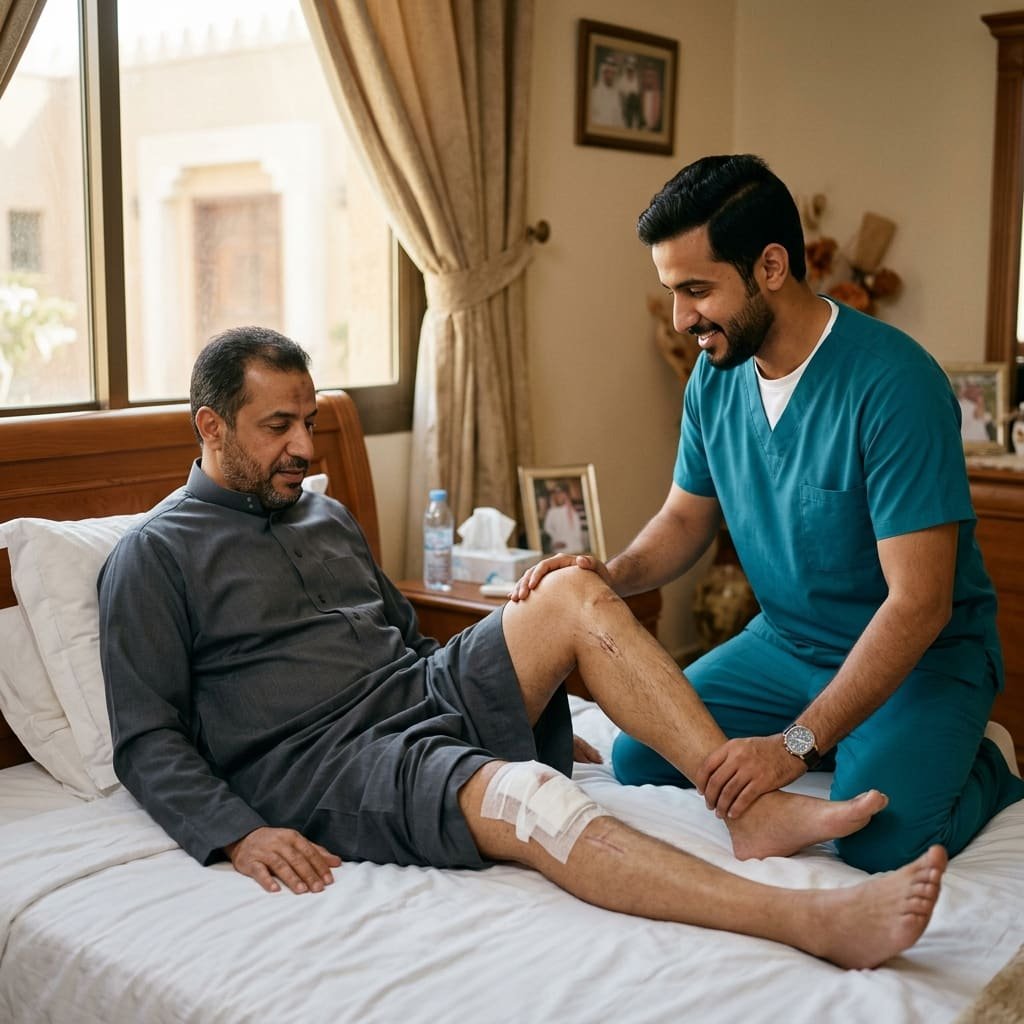
A knee, hip, or shoulder plan after surgery is different from a plan for back pain or joint stiffness. After an operation, we follow the medical report and surgeon restrictions, including weight-bearing limits, allowed range of motion, and movements that should be avoided during the early phase. For non-surgical pain, the therapist starts by understanding pain triggers, weak supporting muscles, movement habits, and how the joint is used during daily tasks.
A session may include range-of-motion work, progressive strengthening, gait training, safe stair practice, appropriate manual therapy, or coaching on sitting and sleeping positions. Severe pain is not used as proof that treatment is working. Meaningful progress is measured by safer function, more confident movement, a sensible symptom pattern, and a home program the patient can actually perform between visits.
Paediatric therapy and the role of the family
Children's physiotherapy at home is different from adult rehabilitation. A child needs a safe space, gentle communication, and goals matched to age and development, such as sitting, crawling, standing, balance, coordination, or purposeful play. A parent or caregiver should be nearby because much of the benefit comes from repeating simple activities correctly outside the formal session.
A physiotherapist does not provide a final developmental diagnosis from one visit and does not replace the child's physician or neurologist when medical review is needed. The therapist can help the family understand current motor abilities, choose supportive play positions, avoid unsafe handling, and track practical signs of progress such as sitting tolerance, hand use, standing confidence, and willingness to move.
Preparing for the visit and continuing after the session
A useful home visit starts with preparation. Keep medical reports, X-rays if available, medication lists, comfortable clothing, and any current walking aid or brace close to the patient. A safe open area in the living room or bedroom helps the therapist assess movement and practice activities. If the patient uses a walker, cane, brace, medical shoe, or wheelchair, it should be reviewed during the session rather than only described verbally.
After the session, the therapist explains what the family can do between visits: how many repetitions are appropriate, when to stop because of pain or dizziness, and how to help without pulling or lifting in a harmful way. A home exercise program should not be a long exhausting list. It should be a small number of realistic steps that match the patient's tolerance and can be updated when the condition changes.