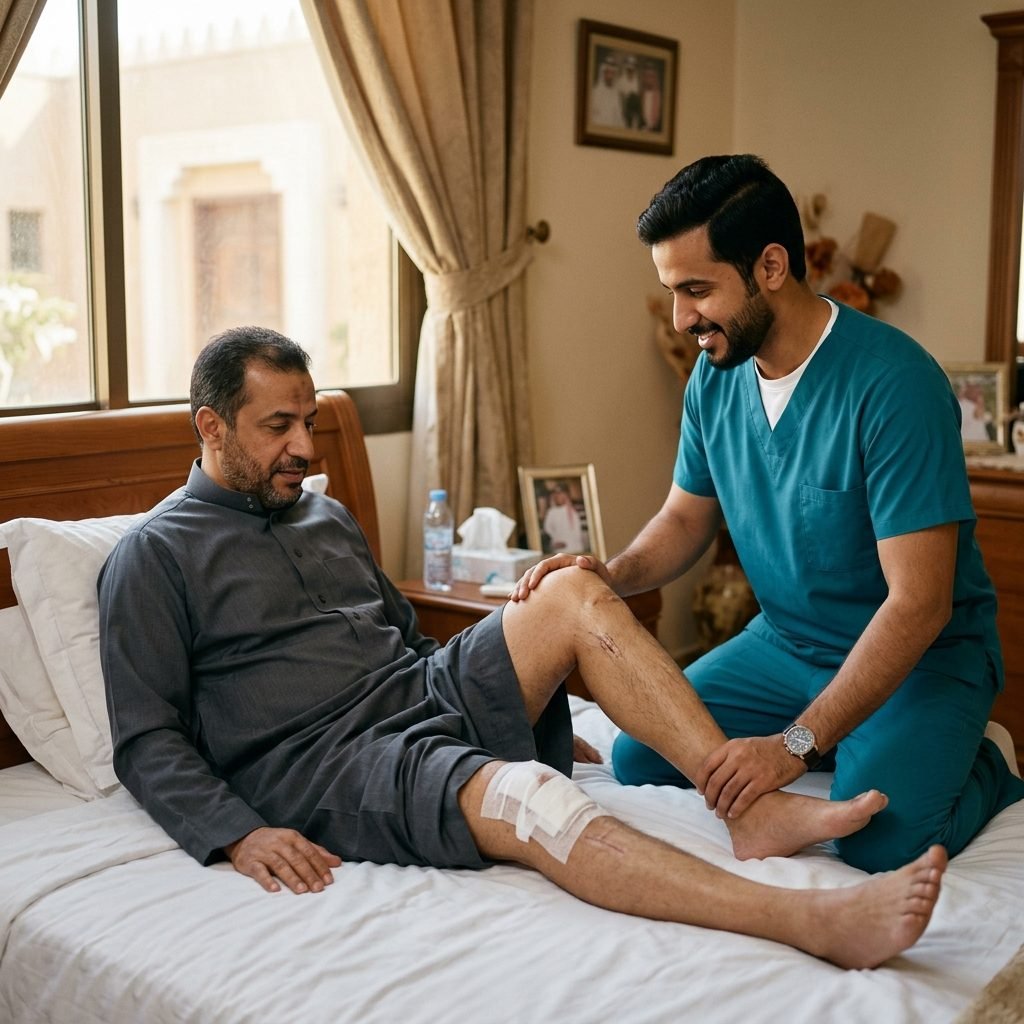
A comprehensive guide to post-surgical rehabilitation. Learn how early physiotherapy manages pain, reduces swelling, prevents DVT, and restores full mobility following orthopedic and spinal surgeries.
The Importance of Early Rehab: Surgery is Only Half the Battle
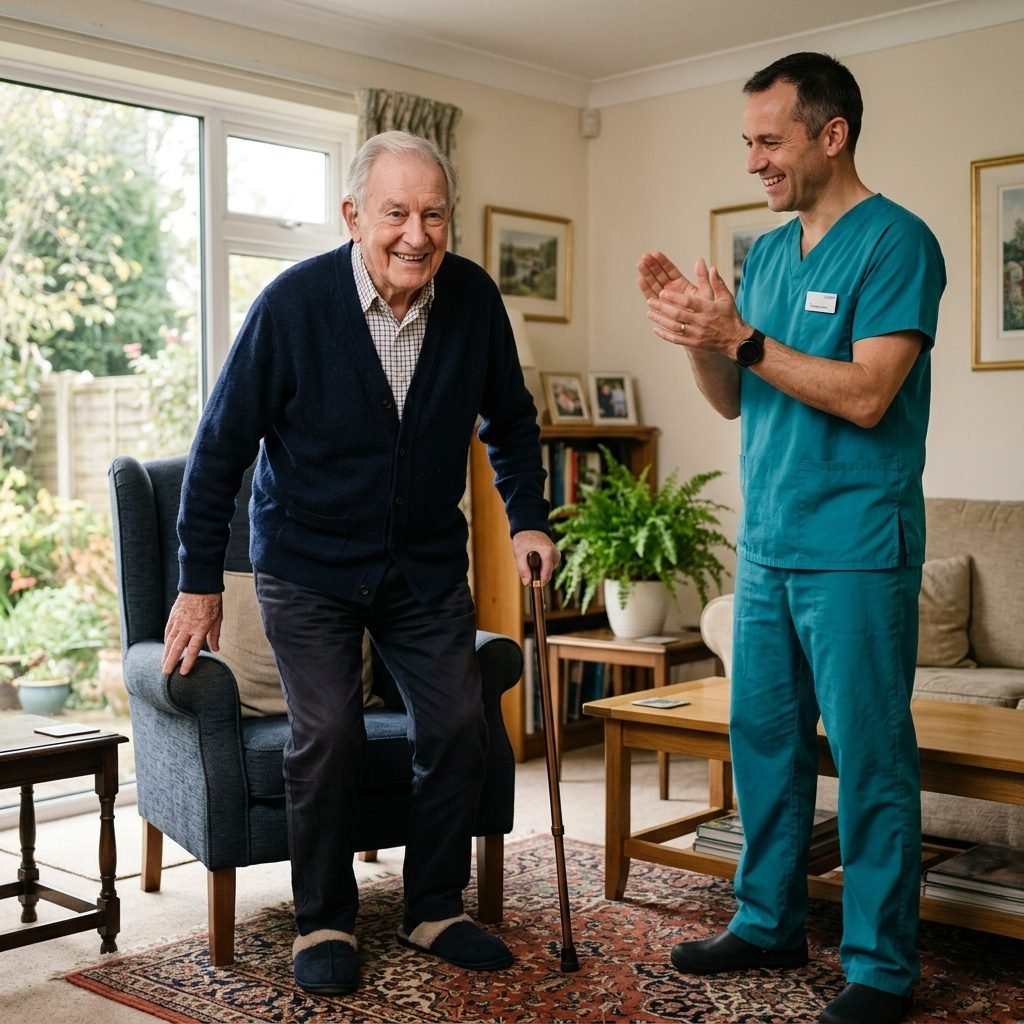
A common misconception is that a successful surgical procedure equates to the end of the medical problem. In reality, a flawless surgery is merely the crucial first step; aggressive, early rehabilitation is the other half of the success equation. Physiologically, surgery is a controlled 'trauma' to the body. Incisions cut through skin, fascia, and muscle to access the target bone or joint. In response, the body initiates an immediate healing cascade characterized by acute inflammation and significant swelling. If this healing process is not guided by physiotherapy, tissues will heal haphazardly, laying down stiff, non-pliable scar tissue that permanently restricts motion. Additionally, muscles atrophy (weaken) astonishingly fast when not used. Modern post-operative protocols dictate that physiotherapy should often commence on the very day of surgery or the day after (in the hospital setting). This early intervention is critical to physically guide tissue repair, minimize downtime, and ensure the patient regains optimal functional capacity.
Managing Surgical Pain and Controlling Swelling
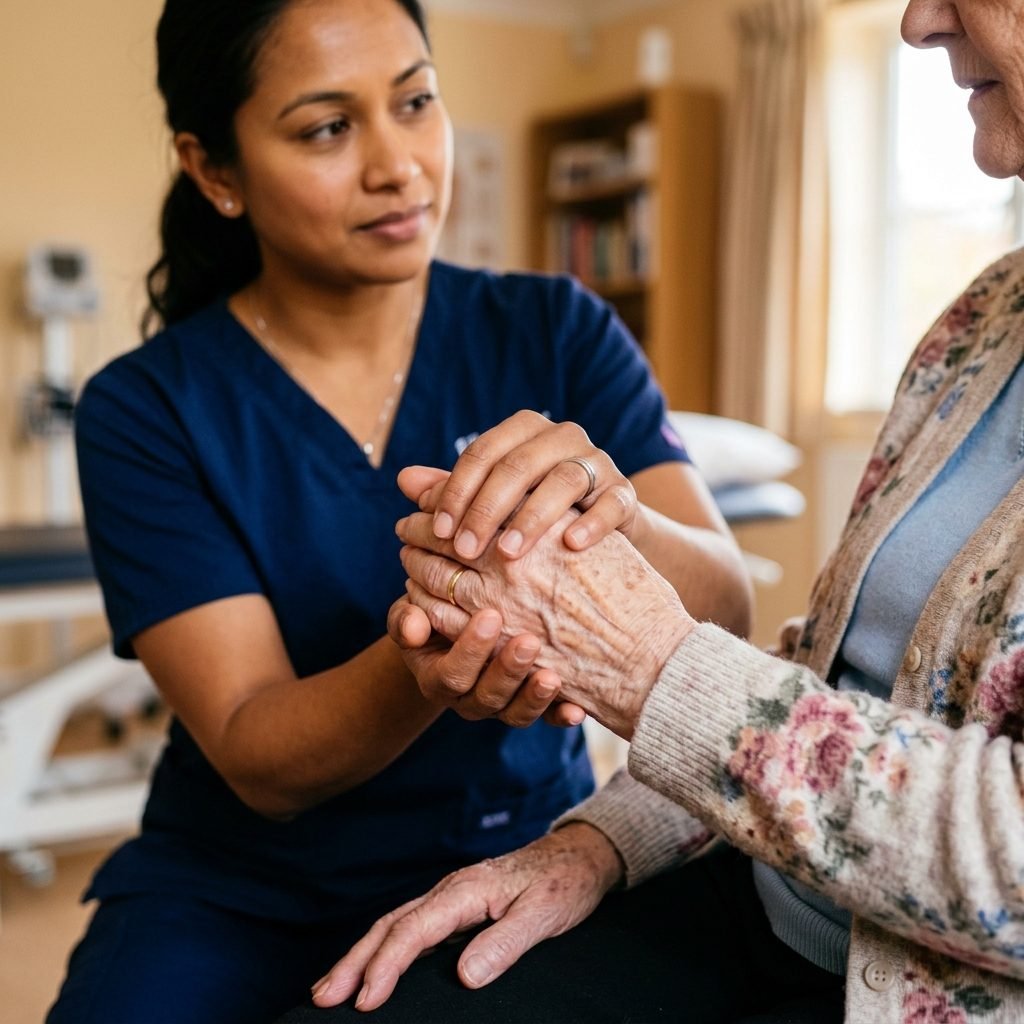
Pain and profound swelling (edema) are the most significant hurdles in the immediate post-operative phase. Excessive swelling not only causes throbbing pain but acts as a mechanical block, physically preventing the joint from moving and impeding the delivery of oxygen-rich blood necessary for healing. Physiotherapists employ a multi-modal approach alongside prescribed analgesics to manage these symptoms effectively. We emphasize the strict, regimented application of cryotherapy (ice packs or specialized cooling machines) to constrict blood vessels, mitigating internal bleeding and the inflammatory response. Proper elevation is paramount; the surgical site must be elevated above the level of the heart to utilize gravity in draining accumulated fluids. We also apply graduated compression (using specialized stockings or elastic bandages). Furthermore, modalities like Transcutaneous Electrical Nerve Stimulation (TENS) may be utilized to safely modulate pain signals reaching the brain, potentially reducing the patient's reliance on potent, side-effect-heavy narcotic painkillers.
Preventing Critical Complications: DVT and Pneumonia
Prolonged bed rest and immobility following surgery carry severe, potentially life-threatening risks. The most critical is Deep Vein Thrombosis (DVT)—the formation of a blood clot in the deep veins of the legs due to stagnant blood flow. These clots can dislodge and travel to the lungs, causing a fatal pulmonary embolism. Another significant risk is post-operative pneumonia, which occurs when patients cannot breathe deeply or cough effectively to clear lung secretions due to surgical pain or lingering anesthesia effects. Physiotherapists act as the first line of defense against these complications. We mandate and supervise frequent 'ankle pump' exercises, which actively use the calf muscles as a mechanical pump to push blood back toward the heart, drastically reducing DVT risk. Additionally, we instruct patients in deep diaphragmatic breathing and assisted coughing techniques to ensure full lung expansion and clear airways, particularly after abdominal, thoracic, or spinal surgeries.
Restoring Range of Motion (ROM) and Preventing Stiffness
Capsular adhesions and severe joint stiffness are the nemesis of orthopedic surgery recovery. If a repaired joint (like a knee or shoulder) is immobilized for too long, the developing scar tissue will literally glue the joint capsule and surrounding tissues together. This results in severe, permanent restriction of movement and chronic pain (a condition typified by 'Frozen Shoulder' post-surgery). The physiotherapist's job is to prevent this. We begin with Passive Range of Motion (PROM), where the therapist moves the limb entirely, ensuring the newly repaired tissues are not actively stressed. As healing progresses, we advance to Active-Assisted ROM, and finally, full Active ROM. Precise, hands-on Joint Mobilization techniques are employed to stretch the joint capsule itself. This phase of rehab is often uncomfortable and requires significant patient perseverance, but achieving the target angles of flexion and extension early on is the absolute prerequisite for surgical success.
Scar Tissue Management and Therapeutic Massage
Every surgical incision heals through the formation of scar tissue. Collagen fibers are rapidly laid down to bridge the gap in the tissue. However, this new scar tissue is inherently less elastic than normal skin and has a strong tendency to contract and adhere to the underlying muscle and fascial layers. If unmanaged, this adhered scar can act like a tight band, physically restricting joint movement and causing pulling sensations. Once the surgical wound is fully closed, completely healed, and the sutures or staples are removed, the physiotherapist begins 'Scar Massage' and soft tissue mobilization. We use specialized cross-friction massage techniques to manually break down the disorganized collagen fibers, encouraging them to realign in a more functional, flexible pattern. We also educate the patient on performing daily self-massage with moisturizers. This meticulous care significantly improves tissue pliability, decreases hypersensitivity, and optimizes the cosmetic appearance of the scar.
Combating Muscle Atrophy: Early Neuromuscular Activation
Muscle atrophy (the wasting away and profound weakening of muscle tissue) occurs at an alarming rate following surgery and immobilization; significant strength can be lost within mere days. To combat this rapid decline without jeopardizing the healing surgical repair, rehabilitation initiates with 'Isometric Exercises.' During an isometric contraction, the patient flexes the muscle intensely without actually moving the joint (e.g., performing a 'quad set' by tightening the thigh muscle while the knee remains straight). This early, safe activation maintains the vital neural connection between the brain and the muscle, preventing the muscle from essentially 'shutting down' due to pain and trauma. In cases of severe neural inhibition, we frequently utilize Neuromuscular Electrical Stimulation (NMES). NMES delivers safe electrical impulses to force the muscle to contract, artificially bypassing the brain's pain-induced inhibition and preserving muscle mass until dynamic strengthening can safely begin.
Progressive Weight Bearing and Gait Retraining
Following lower extremity surgeries (such as knee/hip replacements, ligament reconstructions, or fracture fixations), the orthopedic surgeon dictates strict 'Weight Bearing' precautions. These range from Non-Weight Bearing (NWB), to Partial Weight Bearing (PWB) using a scale, to Full Weight Bearing (FWB). The physiotherapist's role is to teach the patient how to strictly adhere to these precautions safely using assistive devices like crutches, walkers, or canes. As biological healing allows, we systematically progress the patient through these stages, eventually weaning them off the devices entirely. The most crucial element of this phase is 'Gait Retraining.' We do not just want the patient to walk; we want them to walk correctly. We focus intensely on eliminating post-surgical limps, ensuring equal stride lengths, promoting proper heel-to-toe mechanics, and restoring balance. Correcting gait mechanics prevents the development of secondary pain in the lower back, opposite hip, or knee.
Core Stability Following Abdominal and Spinal Surgeries
Surgeries that necessitate incisions through the abdominal wall (such as hernia repairs, cesarean sections, or major abdominal surgeries) or spinal procedures (like laminectomies or spinal fusions) directly compromise the body's central stabilizing system—the core musculature. Following these procedures, patients experience agonizing pain when attempting fundamental movements like rolling over in bed, coughing, or sitting up. Post-operative physiotherapy focuses on safely reactivating the deep core stabilizers (specifically the Transversus Abdominis) without significantly increasing intra-abdominal pressure, which could jeopardize the surgical repair. We instruct patients in the essential 'Log Rolling' technique to transition in and out of bed without twisting the vulnerable spine. As the incision heals, we introduce progressive, functional core strengthening exercises to rebuild the muscular 'corset' that protects the spine, which is paramount for preventing chronic post-surgical back pain.
Restoring Proprioception and Dynamic Balance
Surgical intervention, even when necessary to repair a joint, inevitably severs microscopic sensory nerve endings (proprioceptors) embedded within the joint capsule and ligaments. These proprioceptors act as the joint's internal GPS, constantly sending data to the brain regarding the joint's position, speed, and tension. Without this critical feedback loop, the joint loses its 'spatial awareness,' rendering the patient uncoordinated, off-balance, and highly susceptible to falling or re-injury. A comprehensive rehab program heavily emphasizes proprioceptive and balance training. We progress the patient through increasingly challenging environments: from standing on flat ground, to single-leg balancing, to utilizing unstable surfaces like wobble boards and foam pads, and finally incorporating cognitive distractions (dual-tasking). This rigorous training forces the nervous system to rewire itself, restoring the rapid, automatic muscle firing patterns essential for safe, everyday navigation.
Rehabilitation for Total Joint Replacements (Knee and Hip)
Total Joint Replacements (Arthroplasty) are transformative procedures designed to eliminate severe arthritic pain. However, the subsequent rehab is demanding. For a Total Knee Replacement (TKR), the most immediate and urgent challenge is achieving full knee extension (0 degrees, completely straight) and adequate flexion (bending to at least 90-110 degrees) within the first 4-6 weeks, before rigid scar tissue permanently limits mobility. This requires intense, often uncomfortable, daily stretching. For a Total Hip Replacement (THR), the initial focus is strictly adhering to 'Hip Precautions' (specific movements to avoid, like bending past 90 degrees or crossing legs) to prevent the new joint from dislocating. Therapy also heavily targets strengthening the hip abductors (side glute muscles) to ensure the patient can walk with a level pelvis, eliminating the common post-op 'waddling' gait. In both cases, the ultimate goal is a pain-free, fully functional joint.
Rehab for Ligament and Tendon Repairs (ACL, Rotator Cuff)
Rehabilitating surgically repaired ligaments (like the ACL in the knee) or tendons (like the Rotator Cuff in the shoulder or the Achilles tendon) follows a fundamentally different timeline. These procedures involve a tissue 'graft' or a sutured tendon that requires many months of complex 'Biological Healing' to fully integrate into the bone. This rehab is a marathon, often lasting 6 to 12 months. The initial phases focus on extreme protection of the fragile, newly repaired tissue, typically utilizing strict bracing and highly restricted movement. We progress meticulously through globally established, time-based and criteria-based protocols to gradually increase range of motion and introduce resistance. Rushing this process or applying excessive load prematurely is the leading cause of graft failure or re-rupture. Every progression in physiotherapy is strictly dictated by the biological healing timeline and the surgeon's specific operative protocol.
Safe Return to Activities of Daily Living (ADLs) and Work
The ultimate objective of post-operative physiotherapy is not merely achieving a good measurement on a clinic table; it is successfully reintegrating the patient into their real life. We meticulously bridge the gap between clinical exercises and 'Activities of Daily Living' (ADLs). This involves practical, functional training: teaching the patient the biomechanically safe way to ascend and descend stairs using crutches, how to safely get in and out of a low car seat, and the correct body mechanics for lifting groceries or children without straining the recovering area. Furthermore, for patients returning to physically demanding jobs or specific sports, we design 'Work Hardening' or 'Return to Sport' programs. These programs simulate the exact physical demands, repetitive motions, and heavy lifting required by their profession, ensuring that both their body and their confidence are robustly prepared for the realities of their daily lives.
Unified Home Physical Therapy Standards & Geographical Coverage
Bidayah Center delivers highly structured home rehabilitation and clinical conditioning across all served territories, including Jeddah, Makkah, and Qatif districts. We deploy licensed physical therapists directly to your home, ensuring that you receive the same standards of care, specialized portable modalities, and treatment protocols as premier inpatient facilities.
Our medical coordinators screen each referral and coordinate field operations using regional dispatch networks to ensure prompt scheduling and strict adherence to appointment times. We maintain active communication channels with orthopedic surgeons and neurologists at major local hospitals to coordinate care.
While this generic page outlines the core clinical details of this service, we invite you to choose your specific city page. Doing so allows you to explore local neighborhood guidelines, read region-specific FAQs, and coordinate with male or female physical therapists according to the clinical needs of your family.