Home Physiotherapy in Jeddah
Bedaia Home Physiotherapy and Rehabilitation Center in Jeddah represents a major paradigm shift in home-based clinical care across the Red Sea metropolitan region. Our dedicated services are meticulously designed to deliver advanced physical rehabilitation directly to the patient's residence, bypassing the physical strains of traveling to busy clinics, navigating Jeddah's congested highways, or facing prolonged wait times in hospital waiting rooms. Under the direction of our senior clinical coordinators in Jeddah, we offer a comprehensive continuum of care that bridges the gap between acute hospital discharge and long-term functional recovery. Each patient receives a tailored, evidence-based treatment plan that addresses their unique anatomical, physiological, and functional challenges. By utilizing advanced clinical assessment models, standardized outcome measures, and specialized portable medical equipment, Bedaia ensures that home-based rehabilitation maintains the highest standards of safety, quality, and clinical efficacy, comparable to elite inpatient rehabilitation facilities. Our clinical team in Jeddah consists of highly qualified, licensed physical therapists (both male and female specialists) who possess deep expertise in treating complex neurological, orthopedic, cardiopulmonary, geriatric, and pediatric conditions. We recognize that the home environment plays a critical role in patient compliance and emotional well-being. Therefore, we integrate ecological rehabilitation principles, adapting the patient's domestic setting to promote independence, reduce environmental hazards, and foster a supportive climate for motor learning. From the high-density residential districts of Al-Safa and Al-Rawdah to the coastal expanses of Obhur Al-Shamaliyah, Bedaia’s specialized mobile rehabilitation units are equipped to deploy rapidly. By working in close collaboration with major local medical centers—including King Fahd Hospital, King Faisal Specialist Hospital & Research Centre, and King Abdulaziz University Hospital—we guarantee a seamless transition of care, ensuring that post-surgical precautions, medication alignments, and physician protocols are strictly followed throughout the therapeutic journey.
Clinical Coordination, Triage, and Rapid Dispatch in Jeddah
At the core of Bedaia’s home physical therapy operations in Jeddah is a highly structured clinical coordination and dispatch framework designed to minimize delay and maximize patient outcomes. The process begins when the regional clinical coordinator receives a patient referral, whether from an acute care hospital, a primary physician, or a direct inquiry from a family member. The coordinator immediately performs an initial triage based on the patient's medical records, clinical stability, and functional limitations. Within 24 to 48 hours of this screening, a licensed senior physical therapist is dispatched to the patient’s home to conduct a comprehensive baseline diagnostic evaluation.
During this initial home visit, the therapist performs a battery of standardized clinical assessments. These evaluations include measuring joint range of motion (goniometry), assessing manual muscle strength (MMT), evaluating postural balance using the Berg Balance Scale, and determining functional independence levels (FIM). By gathering these objective metrics, the therapist establishes a precise clinical baseline. The clinical coordinator then matches the patient's needs with a therapist who has a corresponding subspecialty—such as neurological rehabilitation, post-surgical orthopedic care, or geriatric physical therapy. This ensures that every patient is treated by a specialist who is uniquely equipped for their condition.
To support regional integration and ease the transition for families, Bedaia’s dispatch system is closely linked with the discharge planning departments of major hospitals in Jeddah, such as King Fahd Hospital, King Abdulaziz University Hospital, and King Faisal Specialist Hospital & Research Centre. This integration allows our clinical team to access patient discharge summaries, post-operative protocols, and medication lists prior to the first home visit. By handling these administrative details, Bedaia ensures a seamless transition of care, allowing the patient to focus entirely on their rehabilitation without any gaps in therapy.
Additionally, the regional coordinator in Jeddah acts as the primary liaison between Bedaia's clinical staff and the patient's family, providing weekly progress updates and educational resources. This continuous communication channel helps manage family expectations and prepares them for their role in the long-term rehabilitation process. The coordinator also facilitates the procurement of any recommended home medical equipment, such as hospital beds, specialized pressure-relief mattresses, or customized wheelchairs, through partnerships with local medical suppliers in Jeddah, ensuring that the patient's home is fully optimized for recovery.
Comprehensive Patient Admission and Exclusion Criteria in Jeddah
Bedaia maintains strict clinical admission criteria to guarantee the safety, appropriateness, and effectiveness of our home physical therapy services in Jeddah. Patients admitted to our home care program must be medically stable, meaning their cardiovascular, respiratory, and metabolic parameters are controlled and monitored by their primary physicians. Home rehabilitation is indicated for individuals experiencing significant mobility limitations, postural instability, or pain that makes outpatient travel medically counterproductive or hazardous. Common admission diagnoses include acute post-stroke hemiplegia, traumatic brain injury, spinal cord injury, Parkinson's disease, and multiple sclerosis.
In addition to neurological recovery, our admission criteria cover a wide range of post-operative orthopedic conditions. Patients recovering from total knee arthroplasty (TKA), total hip arthroplasty (THA), spinal fusion, or open reduction internal fixation (ORIF) for fractures require immediate, structured home physical therapy to prevent complications such as joint contractures, muscle atrophy, and deep vein thrombosis (DVT). Bedaia also admits geriatric patients suffering from age-related frailty, sarcopenia, and balance deficits, who require fall prevention training and mobility maintenance, as well as pediatric patients with congenital neurodevelopmental conditions.
To protect patient health, Bedaia applies strict exclusion criteria that prevent home rehabilitation until the patient is medically cleared. We exclude individuals with unstable cardiovascular conditions, uncontrolled cardiac arrhythmias, severe uncompensated heart failure, acute deep vein thrombosis (DVT) that has not been therapeutically anticoagulated, or high systemic fever. Our therapists are trained to perform a red-flag screening during every visit. If any exclusion criteria are met, the therapist halts the session, places the patient in a safe position, and contacts the coordinator and the emergency services at King Fahd Hospital.
Furthermore, Bedaia’s clinical guidelines require that any patient admitted for post-acute cardiac rehabilitation has completed an in-hospital cardiac stress test and has a documented target heart rate range prescribed by their cardiologist. This protocol is strictly enforced to prevent adverse cardiac events during physical training. Our therapists are trained to use Borg’s Rating of Perceived Exertion (RPE) scale to monitor exercise intensity, ensuring that patients recovering from coronary artery bypass grafting (CABG) or myocardial infarction at King Faisal Specialist Hospital train within a safe and therapeutic physiological zone.
Advanced Portable Modalities and Specialized Therapy Equipment in Jeddah
To ensure that home-based rehabilitation is just as effective as clinic-based care, Bedaia equips our physical therapists in Jeddah with advanced, portable medical technologies. We utilize portable neuromuscular electrical stimulation (NMES) and transcutaneous electrical nerve stimulation (TENS) devices. These tools are used to modulate acute and chronic pain, reduce muscle spasticity, and facilitate muscle re-education in weak or paretic muscles. For deep tissue healing, portable therapeutic ultrasound devices are deployed, which are highly effective for treating chronic tendinopathies, joint contractures, and muscle strains, accelerating physiological recovery in the home.
In addition to electrotherapeutic devices, our therapists carry specialized manual therapy tools and mobility aids to every session. This includes instrument-assisted soft tissue mobilization (IASTM) tools, myofascial cups, and resistance bands of varying tensions. For balance training and proprioceptive retraining, we bring portable balance boards, foam pads, and specialized gait belts to challenge postural stability. By utilizing these mobile clinical tools, we can perform advanced joint mobilizations, myofascial release, and progressive strength training, recreating the therapeutic capabilities of a modern outpatient rehabilitation clinic inside the patient's residence.
Infection control is a core safety standard for Bedaia, particularly when treating post-surgical patients or immunocompromised individuals in Jeddah. All portable equipment, therapeutic tools, and balance pads are thoroughly disinfected with hospital-grade sanitizers before entering the home and immediately after each session. Therapists adhere to strict hygiene protocols, including mandatory hand sanitization and the use of personal protective equipment (PPE) when appropriate. This meticulous sanitization protocol protects patients from cross-contamination, ensuring that home-based physical therapy is both clinically advanced and hygienically safe.
Finally, Bedaia's clinical kit in Jeddah includes specialized pediatric physical therapy tools designed to engage children in therapeutic play. Therapists utilize colorful balance stones, pediatric wedge rollers, and sensory integration balls to address motor delays, spasticity, and balance deficits in children with conditions like cerebral palsy or developmental coordination disorder. By bringing these specialized tools directly to the home, we eliminate the anxiety associated with visiting clinical settings, allowing children to achieve their therapeutic goals in a familiar, comfortable, and supportive environment.
Patient Safety Protocols, Vital Sign Monitoring, and Emergency Action Plans in Jeddah
Patient safety is the clinical foundation of Bedaia's home physiotherapy services in Jeddah. Each session begins with a comprehensive screening of the patient's vital signs, including blood pressure, heart rate, respiratory rate, and oxygen saturation (SpO2). For patients with diabetes or those recovering from cardiovascular procedures, pre-exercise blood glucose monitoring is mandatory to ensure they are in a safe physiological state for physical exertion. These measurements are documented in our electronic medical record system. If vital signs fall outside safe parameters, the session is modified or postponed, and the clinical supervisor is notified.
Our therapists are trained in the early recognition of clinical red flags, such as signs of deep vein thrombosis (DVT), which present as calf swelling, warmth, and localized pain. Other critical red flags include sudden chest pain, dyspnea, extreme dizziness, or acute neurological deficits (e.g., slurred speech or unilateral weakness). If any emergency signs occur, the therapist immediately halts the session, places the patient in a safe position, administers basic first aid, and calls the Saudi Red Crescent Authority at 997, while coordinating with the clinical coordinator to facilitate transfer to the ER at King Fahd Hospital.
All Bedaia therapists maintain active Basic Life Support (BLS) and CPR certifications. We also place great emphasis on educating the patient’s family and caregivers on safe transfer techniques, the proper use of assistive mobility devices, and home modification strategies to prevent falls. This includes advice on removing tripping hazards, securing loose rugs, and installing grab bars in high-risk areas like bathrooms. By combining professional therapist supervision with caregiver education, Bedaia establishes a secure, risk-free environment that supports safe recovery and builds confidence within the home.
To further enhance patient safety, Bedaia provides a mandatory environmental assessment of the home during the first session. The therapist completes a safety checklist, evaluating factors such as bathroom accessibility, lighting quality in hallways, the presence of loose carpeting, and the stability of furniture. We provide families with a detailed report outlining recommended modifications to reduce fall risks. This proactive hazard mitigation is especially critical for our geriatric patients in Jeddah, as it significantly reduces the incidence of secondary fall-related injuries and empowers caregivers to maintain a safe domestic environment.
Hospital Continuity Pathways and Post-Acute Care Integration in Jeddah
Achieving optimal rehabilitation outcomes depends heavily on the continuity of care between the acute care hospital and the home environment. Bedaia has established active clinical pathways with major healthcare centers in Jeddah, including King Faisal Specialist Hospital & Research Centre, King Abdulaziz University Hospital, and King Khalid National Guard Hospital. Through direct coordination with hospital discharge planners, our team secures comprehensive medical records, surgical reports, orthotic prescriptions, and weight-bearing parameters. This ensures that the home-based physical therapy program aligns perfectly with the medical team's protocol.
This collaborative model is particularly critical for post-surgical orthopedic patients, such as those recovering from joint arthroplasties or spinal stabilization surgeries. Following these procedures, patients must adhere to specific weight-bearing restrictions and range-of-motion limits. Our therapists monitor the surgical incision for signs of infection (such as erythema or abnormal drainage) and apply targeted manual therapy and exercises that align with the surgeon's guidelines. If the therapist notes any abnormal joint laxity, severe pain increase, or wound healing issues, they contact the referring physician immediately, allowing for rapid clinical intervention.
Similarly, for neurological patients, such as those recovering from a stroke or spinal cord injury, our integration with neurological units allows us to deliver specialized rehabilitation protocols. We implement evidence-based techniques like constraint-induced movement therapy (CIMT) and functional electrical stimulation (FES) to promote neuromuscular recovery. This early, structured intervention is essential for maximizing neuroplasticity during the critical first few months post-injury. By acting as a clinical extension of Jeddah’s major hospitals, Bedaia helps reduce hospital length of stay, prevents readmissions, and ensures that patients receive high-quality rehabilitation in the safety and comfort of their homes.
Our integration with Jeddah's major hospitals also extends to participating in joint clinical reviews and multidisciplinary team meetings when managing exceptionally complex cases. For example, when treating a patient with severe traumatic brain injury discharged from King Abdulaziz University Hospital, our lead therapist may participate in video conferences with the patient's neurologist, neurosurgeon, and occupational therapist. This collaborative dialogue ensures that all healthcare providers are aligned on the patient's progress, goals, and precautions, delivering a truly coordinated tertiary care experience within the home environment.
Geographic Zoning and Field Logistics across Jeddah Metropolitan Districts
Operating effectively across the sprawling metropolis of Jeddah requires a highly organized logistical framework. Bedaia's service coverage spans all major districts and neighborhoods, divided into key geographic zones: Northern Jeddah (including Al-Naeem, Obhur Al-Shamaliyah, Al-Zahra, and Al-Shaty), Central Jeddah (covering Al-Rawdah, Al-Safa, Al-Hamra, and Al-Faisaliyah), and Southern/Eastern Jeddah (including Al-Marwah, Al-Samer, Al-Waziriyah, and Al-Rehab). This zoning allows us to assign therapists based on geographical proximity, minimizing travel time and ensuring that therapists arrive promptly for scheduled sessions.
Each geographic zone is managed by a senior clinical lead who coordinates the therapist schedules and ensures that mobile equipment packages are fully maintained. Therapists use real-time GPS navigation systems to plan the most efficient routes through Jeddah's residential neighborhoods, ensuring that session times are respected and travel delays are minimized. Our logistics are designed to support high-frequency home visits for patients who require intensive therapy, such as acute post-stroke or post-surgical orthopedic cases, maximizing the therapeutic dose and accelerating recovery.
Furthermore, this logistical structure allows Bedaia to respond to urgent referrals within 24 to 48 hours. When a referral is received for a patient newly discharged from King Abdulaziz University Hospital, the coordinator alerts the closest available therapist in that zone. The therapist schedules the initial assessment and initiates the rehabilitation program promptly, reducing the risk of immobility-related complications. Through precise scheduling, geographic division, and direct hospital coordination, Bedaia brings a clinical-grade physical rehabilitation center directly to the doorstep of every community in Jeddah, combining professional excellence with maximum convenience.
In addition to regular scheduled visits, Bedaia's field logistics in Jeddah include a dedicated emergency backup coverage system. In the event that an assigned therapist is unavailable due to an unexpected circumstance or traffic delay on the Haramain Expressway, a backup therapist from the same geographic zone is immediately notified and dispatched. This system guarantees that patients do not miss their sessions, which is vital for maintaining the continuity of intensive protocols. By combining geographical zoning with a robust backup network, Bedaia offers a highly reliable, consistent, and professional home-based rehabilitation service across Jeddah.
Home Care Scope in Jeddah
- ✓100% In-Home Visits Across All Neighborhoods.
- ✓Certified Female Physiotherapists Available for Women.
- ✓Localized Dispatch to Ensure Timely Sessions.
- ✓Personalized Sessions Lasting Approximately 1 Hour.
* The initial assessment determines clinical goals and the session frequency.
Available Services in Jeddah
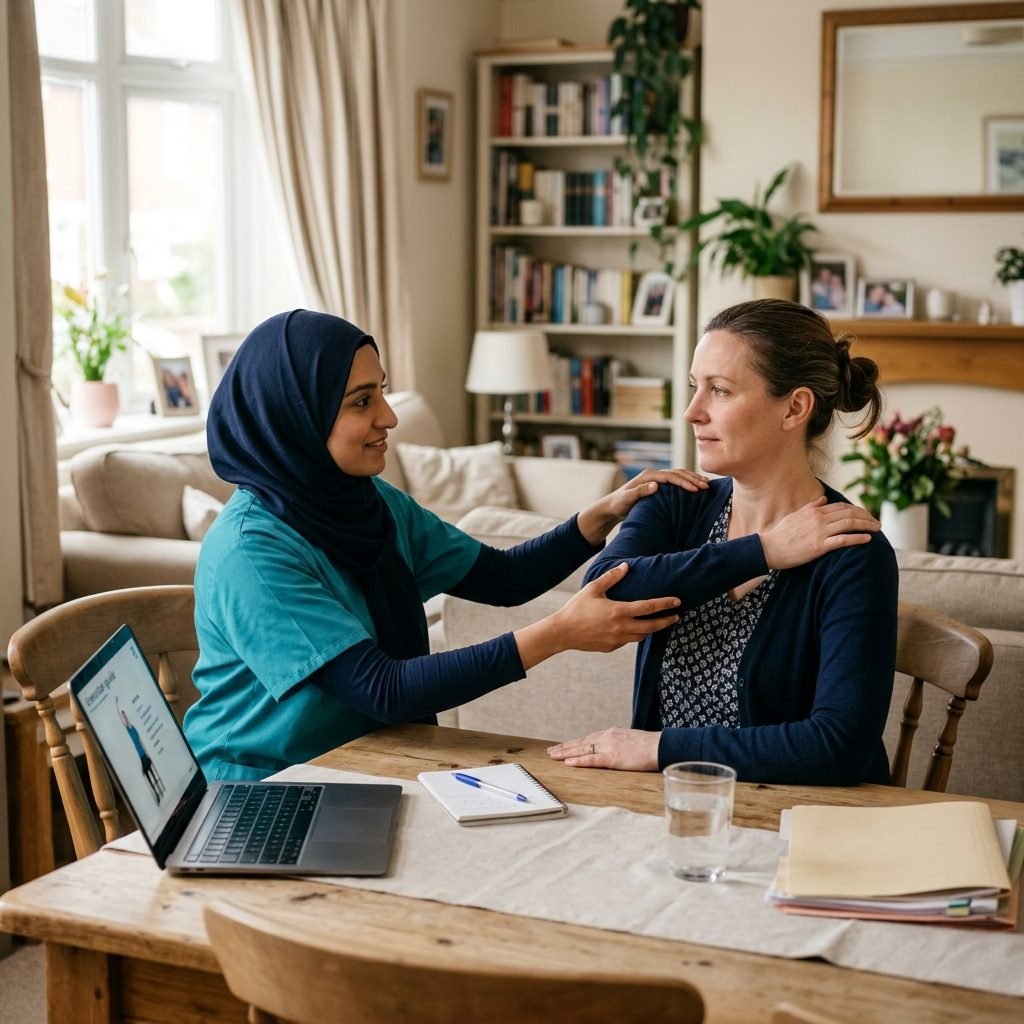
Female Home Physiotherapist
Complete private women's rehabilitation inside your home in Jeddah.
Women's Rehab ←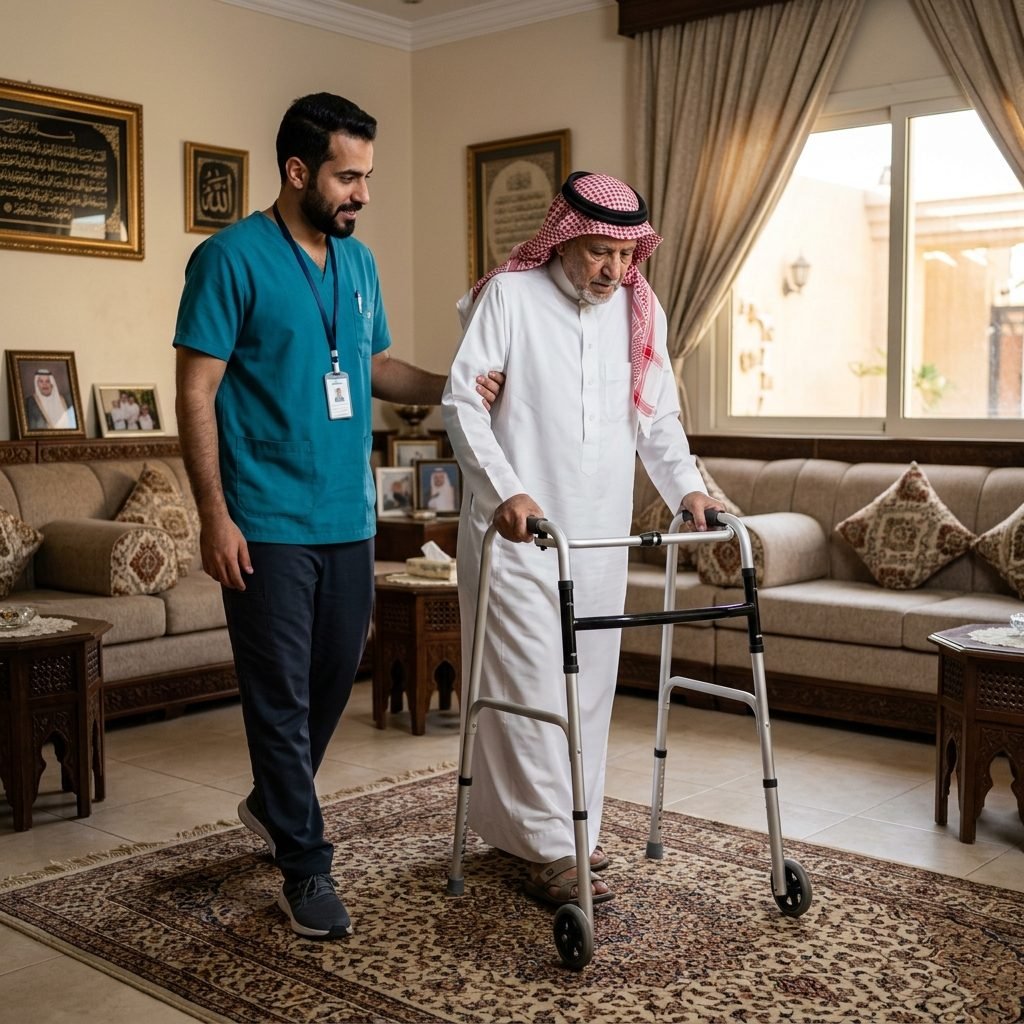
Elderly Physiotherapy
Muscle strengthening, gait and balance rehab for seniors in Jeddah.
Elderly Care ←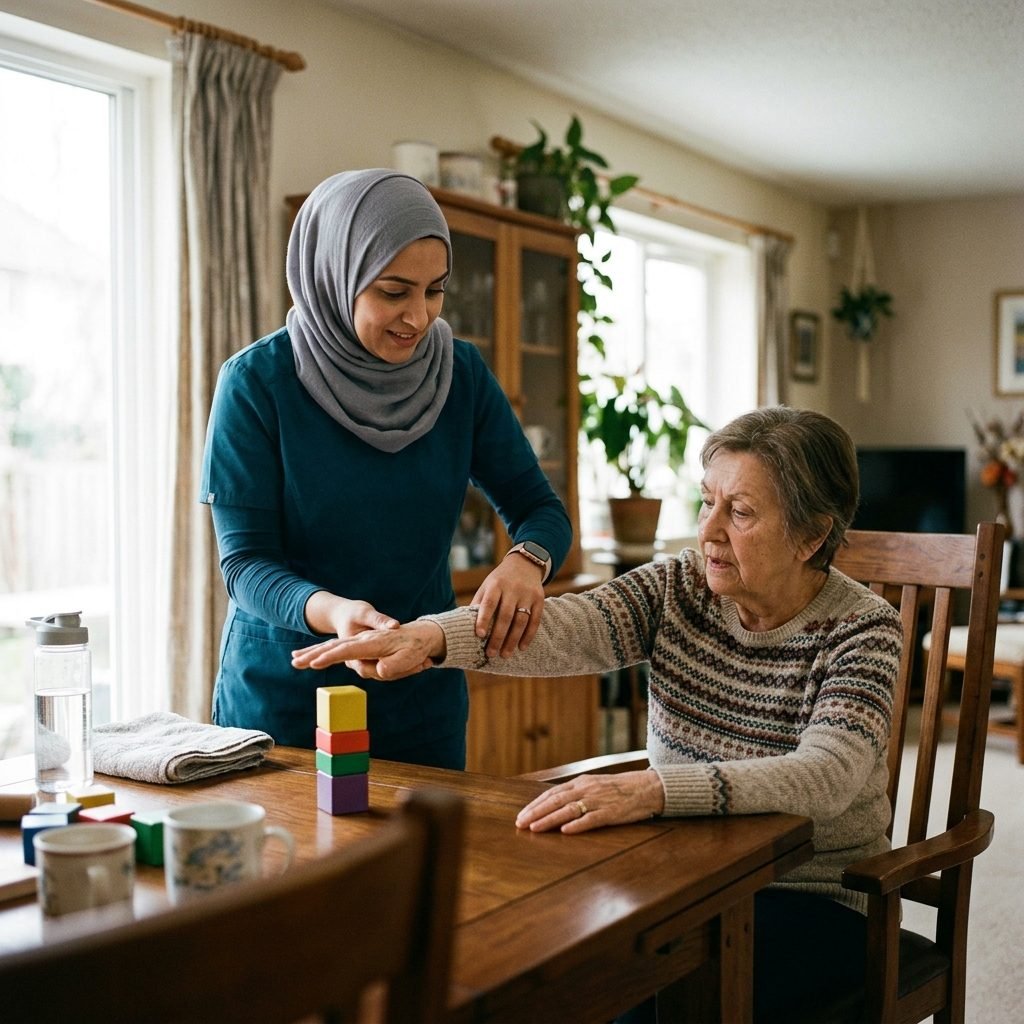
Stroke Rehabilitation
Promoting neuroplasticity and hemiplegia gait recovery at home in Jeddah.
Stroke Rehab ←