Home Physiotherapy in Makkah
Bedaia Home Physiotherapy and Rehabilitation Center in Makkah is a pioneering institution dedicated to providing exceptional, evidence-based physical therapy services directly to patients within the Holy City. Given Makkah's unique topography, bustling urban fabric, and seasonal religious influxes which make transit to outpatient clinics highly challenging, our home-care model offers an essential clinical lifeline. We serve local residents, elderly individuals, and visiting pilgrims who require expert therapeutic interventions but cannot endure the physical demands of transportation. Under the leadership of our Holy Haram Area Clinical Dispatch Coordinator, Bedaia manages a highly responsive mobile network of clinical specialists. We collaborate closely with Makkah's leading medical institutions, including King Abdullah Medical City (KAMC), Al Noor Specialist Hospital, and Hera General Hospital, ensuring that our home rehabilitation services align seamlessly with state-of-the-art tertiary care protocols and physician guidelines. Our team in Makkah comprises highly trained and licensed male and female physical therapists who specialize in geriatric rehabilitation, neurological recovery, post-surgical orthopedic care, and cardiopulmonary rehabilitation. We recognize the profound spiritual and cultural significance of Makkah, and our services are designed with the utmost respect for familial privacy and cultural values, offering gender-specific therapist assignments and flexible scheduling. Furthermore, our therapists are trained to handle unique seasonal challenges, such as pilgrim rehabilitation after acute physical exhaustion, heat-related motor deconditioning, and chronic disease management during Hajj and Umrah. By bringing medical-grade equipment, structured exercises, and specialized manual therapy techniques directly into the patient's home or residence, Bedaia ensures a safe, dignified, and highly effective environment for physical recovery, enabling patients to regain their independence and complete their life activities without compromise.
Sacred Capital Dispatch Protocols and GPS-Enabled Intake Coordination
The coordination of home physical therapy in Makkah is managed by a dedicated dispatch center that operates in coordination with local healthcare clusters. Upon receiving a patient inquiry or hospital referral, our Holy Haram Area Coordinator conducts an initial clinical screening. This intake assessment reviews the patient's medical history, primary diagnosis, functional limitations, and surgical precautions. Within 24 hours of intake, the coordinator schedules a comprehensive in-home diagnostic evaluation. The assigned therapist performs detailed tests, including motor function assessments, joint range of motion, and balance scoring, establishing a baseline for the customized care plan.
Makkah's geography, characterized by high-density residential areas and complex road networks around the Holy Mosque, requires specialized logistical planning. Bedaia utilizes GPS-enabled dispatch systems that track our mobile units in real time. This technology allows the coordinator to assign the nearest specialist, reducing travel delays and ensuring prompt arrival, even during peak prayer times and seasonal congestion. Furthermore, the dispatch system matches patients with therapists who specialize in their specific condition, such as pairing a post-stroke patient discharged from Al Noor Specialist Hospital with a therapist trained in Bobath or PNF techniques, ensuring high-quality, targeted clinical care.
To support continuity of care, Bedaia has integrated its dispatch system with the discharge departments of major hospitals in Makkah, such as Hera General Hospital and King Faisal Hospital Makkah. This close integration allows our clinical team to access patient discharge summaries, orthotic requirements, and medication lists before the first home visit. By establishing these active communication channels, we prevent therapeutic gaps and ensure that the patient’s home rehabilitation starts immediately after discharge. This proactive approach is particularly beneficial for elderly patients and those recovering from complex orthopedic surgeries, significantly reducing the risk of functional regression.
To support our pilgrims, Bedaia's clinical coordinator coordinates with hotel managers and medical missions near the Haram area. When a pilgrim requires physical rehabilitation after an acute medical event, we set up temporary treatment stations within their hotel rooms. The dispatch coordinator matches these seasonal patients with therapists fluent in their language, facilitating clear communication and effective therapy. This tailored coordination ensures that even during the busiest seasons, international and domestic pilgrims receive clinical-grade care without leaving their residences.
Targeted Admission Criteria and Exclusions for the Makkah District
To maintain the safety and effectiveness of our home rehabilitation program in Makkah, Bedaia enforces strict clinical admission criteria. Patients must be medically stable with controlled cardiovascular and pulmonary functions. The primary target population includes individuals with significant functional impairments who cannot travel to outpatient clinics without medical risk or extreme physical strain. Common admission diagnoses include acute cerebrovascular accidents (stroke) with residual hemiplegia, Parkinson's disease, multiple sclerosis, spinal cord injuries, and post-operative orthopedic conditions such as total knee or hip replacements, spinal surgeries, and fracture repairs.
Additionally, Bedaia admits geriatric patients experiencing progressive mobility decline, muscle wasting (sarcopenia), vestibular disorders, and a high risk of falls. In Makkah, we also provide specialized rehabilitation for pilgrims who have experienced severe physical deconditioning, orthopedic injuries, or musculoskeletal strains during their pilgrimage, helping them recover their functional mobility to complete their rituals. Every admitted patient undergoes an initial safety screening during the first home visit, during which the therapist verifies that the home environment is suitable for physical therapy and that the patient's vital signs are within safe limits.
Conversely, Bedaia maintains clear exclusion criteria to prevent adverse clinical events. We exclude patients with unstable medical conditions, such as unstable angina, severe uncontrolled cardiac arrhythmias, acute deep vein thrombosis (DVT) without therapeutic anticoagulation, or severe cognitive impairment that prevents cooperation with safety commands. If a therapist identifies any clinical red flags during a session—such as sudden neurological changes, chest pain, or hypertensive crisis—the therapist is instructed to immediately halt the session, apply basic life support, and call 997 to coordinate emergency transfer to King Abdullah Medical City.
Furthermore, for patients recovering from major surgeries at King Abdullah Medical City, Bedaia requires a post-discharge clearance document showing stable coagulation profiles, especially for those on deep vein thrombosis prophylaxis. Our therapists verify these clinical values before starting any resistance or weight-bearing exercises. By maintaining this close medical oversight, we ensure that post-operative patients are rehabilitated safely, minimizing the risk of systemic complications such as pulmonary embolism or wound dehiscence during home physical therapy sessions.
Specialized Rehabilitation Modalities and Advanced Portable Equipment in Makkah
Bedaia is committed to delivering clinical-grade physical therapy in Makkah by equipping our mobile units with advanced, portable therapeutic technologies. We utilize portable neuromuscular electrical stimulation (NMES) and transcutaneous electrical nerve stimulation (TENS) devices to manage acute and chronic musculoskeletal pain, reduce muscle spasticity, and facilitate muscle activation in neurological patients. For deep tissue healing, portable therapeutic ultrasound devices are deployed, which are highly effective for treating joint contractures, bursitis, and muscle strains. These technologies allow us to accelerate the recovery process within the patient's home.
In addition to electrotherapy, our therapists carry specialized mechanical and manual therapy tools. This includes instrument-assisted soft tissue mobilization (IASTM) instruments, myofascial cups, and high-quality resistance bands to restore muscle strength and flexibility. For balance training and proprioceptive retraining, we bring portable balance pads, unstable platforms, and specialized gait belts to ensure safety during walking exercises. By using these mobile tools, we can perform advanced manual therapy, joint mobilizations, and progressive resistance training, creating a comprehensive rehabilitation clinic in the comfort of the patient's home.
Infection control is a primary focus for Bedaia, especially when operating in Makkah, where public health vigilance is high. All portable equipment, therapeutic tools, and balance pads are thoroughly disinfected using medical-grade sanitizers before and after every patient contact. Therapists adhere to strict personal hygiene protocols, including hand sanitization and the use of personal protective equipment (PPE) when treating vulnerable or immunocompromised patients. This rigorous sterilization standard ensures that patients receive advanced physical therapy that is both clinically effective and hygienically safe, protecting them from hospital-acquired infections.
Additionally, all mobile devices are configured to operate on battery power for extended periods, ensuring that therapy sessions can proceed uninterrupted in any residential setting, even during power maintenance cycles. Our therapists also carry specialized positioning wedges, transfer boards, and ergonomic cushions to assist bedbound patients. These low-tech, high-utility mobility aids are critical for teaching safe patient transfers, reducing pressure sore risks, and facilitating early bedside mobilization, which are essential components of our comprehensive clinical rehabilitation service.
Safety Protocols, Vital Sign Screening, and Emergency Procedures in Makkah
Patient safety is integrated into every aspect of Bedaia's home physical therapy in Makkah. Every rehabilitation session begins with a mandatory check of the patient's vital signs. The therapist measures and documents blood pressure, heart rate, respiratory rate, and oxygen saturation (SpO2). For diabetic patients, pre-exercise blood glucose monitoring is mandatory to prevent exercise-induced hypoglycemia. These baseline measures ensure that the patient is hemodynamically stable and ready for physical exertion. If a patient's vital signs exceed safe thresholds, the therapist suspends the session and coordinates with the clinical supervisor to adjust the therapy plan.
Therapists are also trained to perform regular screens for clinical red flags, such as deep vein thrombosis (DVT) in post-surgical patients, which presents as localized calf pain, swelling, and warmth. Other critical red flags include sudden chest pain, radiating left arm pain, dyspnea, severe dizziness, or acute neurological deficits like facial drooping or slurred speech. In case of an emergency, the therapist halts the session, positions the patient safely, administers basic life support, and calls the Saudi Red Crescent Authority at 997, while notifying the clinical coordinator to facilitate transfer to Al Noor Specialist Hospital ER.
All Bedaia physical therapists are certified in Basic Life Support (BLS) and undergo regular emergency training. In addition, we educate the patient's family members on safe transferring techniques, the proper use of assistive devices (such as walkers or canes), and methods to prevent falls in the home. This includes advising on the removal of physical hazards, improving lighting, and installing safety rails in bathrooms. By combining professional medical supervision with family education, Bedaia establishes a secure and supportive ecological environment that minimizes the risk of adverse events during home rehabilitation.
To prevent heat-related complications, which are common in Makkah's hot climate, our safety protocols include monitoring the patient's hydration status and the ambient temperature of the therapy room. Therapists are trained to recognize early signs of heat exhaustion or dehydration, particularly in geriatric patients and pilgrims. If the therapist detects dry mucous membranes, elevated body temperature, or orthostatic hypotension, the physical exercise is stopped immediately, fluid replacement is initiated, and the coordinator is alerted to consult the patient's physician.
Collaboration with Makkah's Healthcare Institutions and Continuity of Care
Bedaia maintains strong clinical partnerships with major medical institutions in Makkah to ensure a seamless transition from acute hospital care to home-based rehabilitation. We collaborate closely with discharge coordinators and orthopedic surgeons at King Abdullah Medical City (KAMC), Al Noor Specialist Hospital, and King Faisal Hospital Makkah. When a patient is referred to us, we obtain their full clinical history, surgical reports, post-operative precautions, and rehabilitation protocols. This direct communication ensures that the home-based therapy is a direct continuation of the medical team's plan, preserving surgical integrity and optimizing patient outcomes.
This collaborative model is particularly critical for post-surgical orthopedic patients, such as those recovering from joint arthroplasties or spinal stabilization surgeries. Following these procedures, patients must adhere to specific weight-bearing restrictions and range-of-motion limits. Our therapists monitor the surgical incision for signs of infection (such as erythema or abnormal drainage) and apply targeted manual therapy and exercises that align with the surgeon's guidelines. If the therapist notes any abnormal joint laxity, severe pain increase, or wound healing issues, they contact the referring physician immediately, allowing for rapid clinical intervention.
For neurological patients, such as those recovering from a stroke or spinal cord injury, our integration with KAMC's neurology department allows us to deliver specialized rehabilitation protocols. We implement evidence-based techniques like constraint-induced movement therapy (CIMT) and functional electrical stimulation (FES) to promote neuromuscular recovery. This early, structured intervention is essential for maximizing neuroplasticity during the critical first few months post-injury. By acting as a clinical extension of Makkah’s major hospitals, Bedaia helps reduce hospital length of stay, prevents readmissions, and ensures that patients receive high-quality rehabilitation in the safety and comfort of their homes.
Our team also coordinates with KAMC's specialized outpatient cardiac rehabilitation department, ensuring that patients who transition to home health care follow a unified progressive exercise protocol. This includes sharing functional test results, such as the 6-Minute Walk Test (6MWT) scores, between the hospital staff and our home therapists. By maintaining this shared clinical record, we can track the patient's aerobic capacity and functional mobility improvements, ensuring that their cardiac rehabilitation plan is both progressive and clinically verified.
Geographic Coverage and Seasonal Field Logistics in Makkah
Managing a home-based healthcare service in Makkah requires a robust logistical framework, especially given the city's unique geography and seasonal traffic patterns. Bedaia covers all major districts and neighborhoods within the Makkah municipality, divided into key sectors: Northern Makkah (including Al-Umrah and Hera), Southern Makkah (covering Batha Quraish, Al-Kakiyyah, and Al-Awali), and Western/Eastern Makkah (including Al-Rusaifah, Al-Aziziyah, and Al-Shouqiyyah). This geographic division enables us to assign therapists to patients within their immediate vicinity, reducing travel times and ensuring that scheduled session times are met consistently.
Our clinical leads oversee each geographic sector, coordinating therapist schedules and ensuring that mobile units are equipped with all necessary therapeutic technologies. Therapists use real-time traffic navigation systems to plan optimal routes, which is particularly critical during Ramadan and the Hajj season, when road closures and major detours are common around the Haram area. By utilizing these advanced scheduling tools, Bedaia maintains a reliable service, ensuring that patients receive their scheduled therapy sessions without interruption, even during periods of extreme city-wide congestion.
Additionally, this geographic organization allows Bedaia to respond to urgent referrals within 24 hours. When a patient is discharged from Al Noor Specialist Hospital and requires immediate home physiotherapy, the coordinator alerts the therapist closest to the patient's home. The therapist conducts the initial assessment and begins treatment promptly, minimizing the risk of immobility-related complications. Through precise logistical management, Bedaia overcomes the geographic and seasonal challenges of Makkah, bringing professional, clinical-grade physical rehabilitation directly to the doorstep of every home and hotel in the Holy City.
Moreover, during the high-demand periods of Ramadan and Hajj, Bedaia establishes temporary mobile hub stations in strategic locations outside the traffic restriction zones. These hubs store clinical supplies and portable devices, allowing therapists to travel on foot or utilize designated transit shuttles to reach hotels near the Holy Haram. This creative logistical adaptation overcomes the severe transit restrictions in Makkah, ensuring that patients and pilgrims receive their essential physical therapy sessions on time, regardless of seasonal congestion.
Home Care Scope in Makkah
- ✓100% In-Home Visits Across All Neighborhoods.
- ✓Certified Female Physiotherapists Available for Women.
- ✓Localized Dispatch to Ensure Timely Sessions.
- ✓Personalized Sessions Lasting Approximately 1 Hour.
* The initial assessment determines clinical goals and the session frequency.
Available Services in Makkah
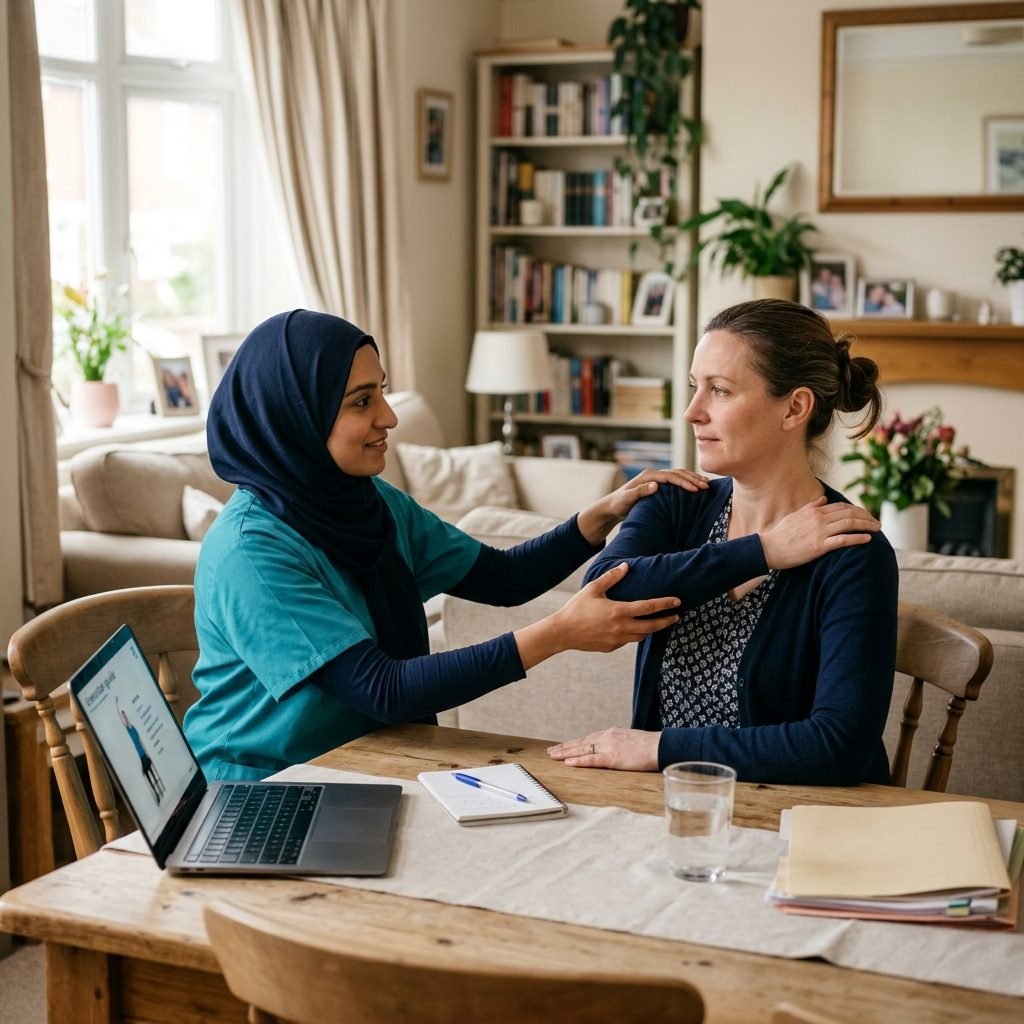
Female Home Physiotherapist
Complete private women's rehabilitation inside your home in Makkah.
Women's Rehab ←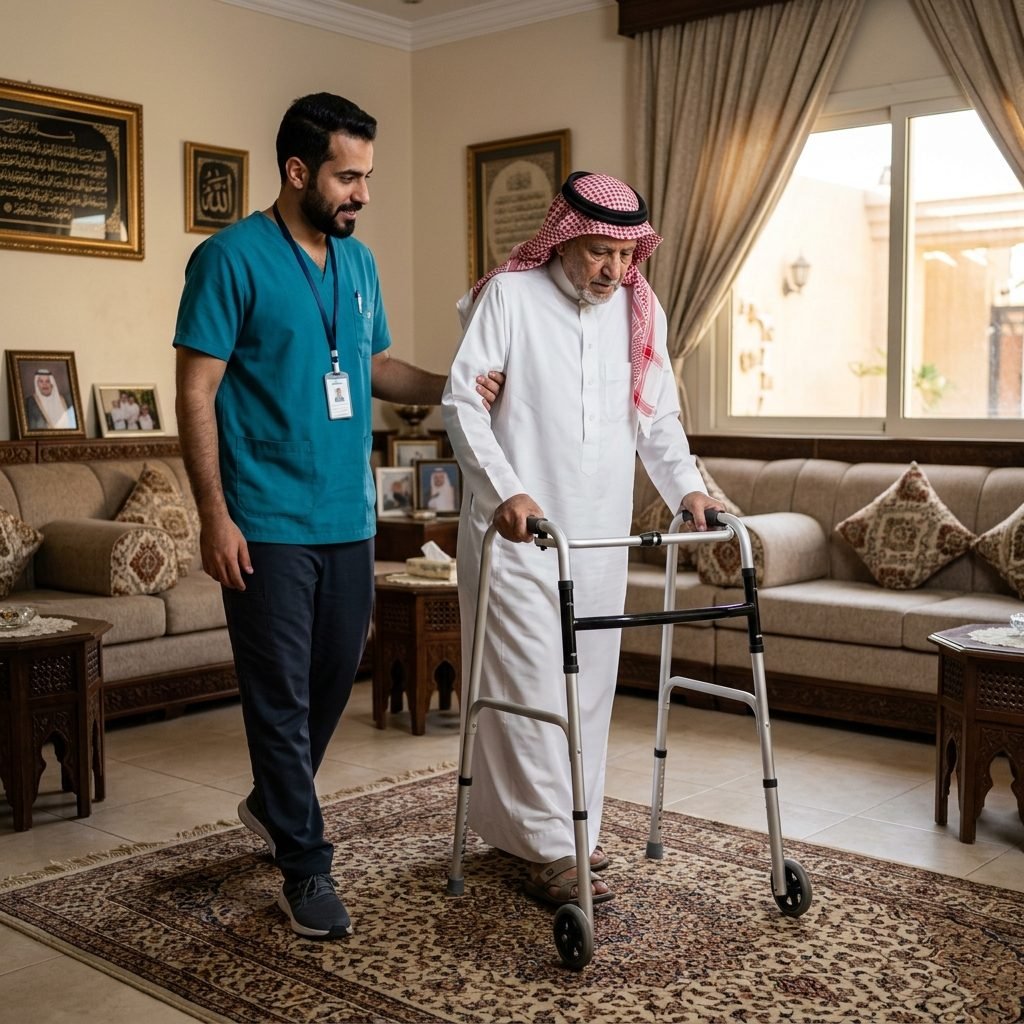
Elderly Physiotherapy
Muscle strengthening, gait and balance rehab for seniors in Makkah.
Elderly Care ←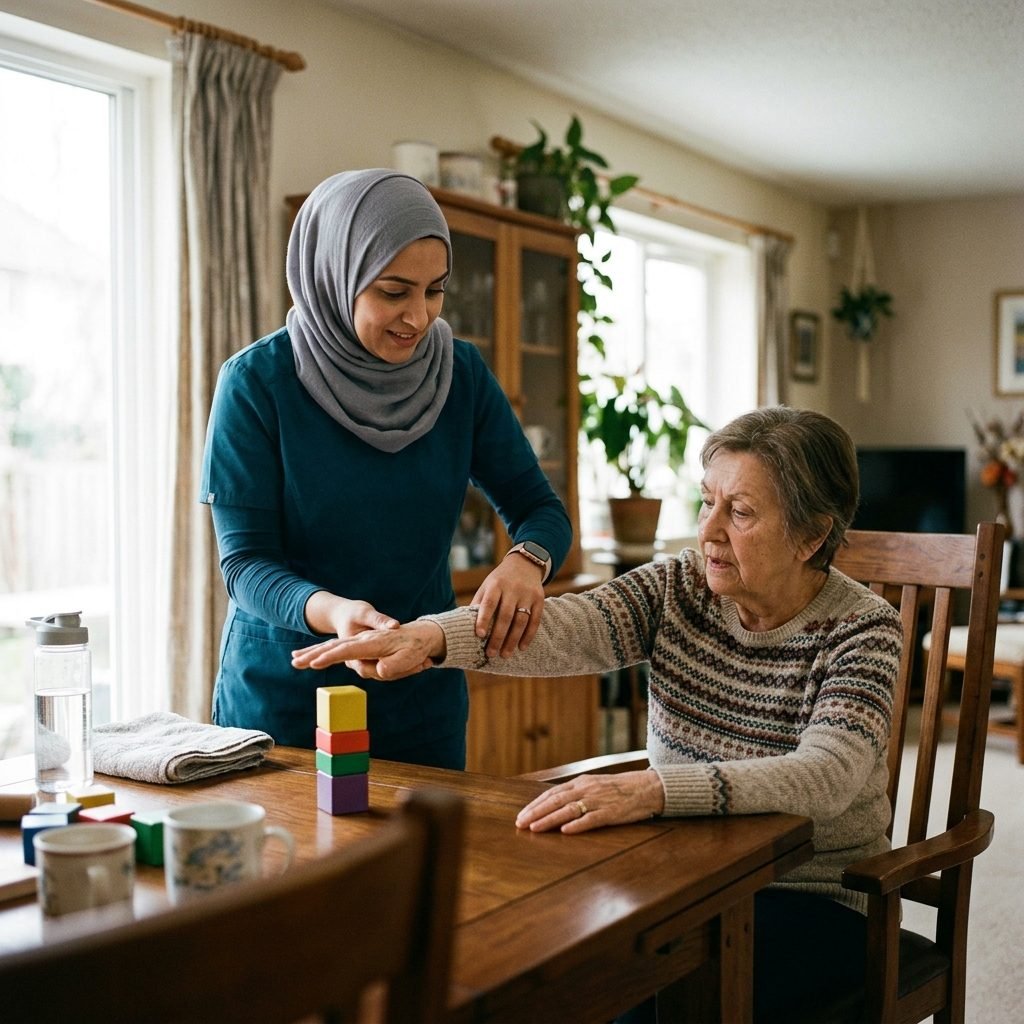
Stroke Rehabilitation
Promoting neuroplasticity and hemiplegia gait recovery at home in Makkah.
Stroke Rehab ←