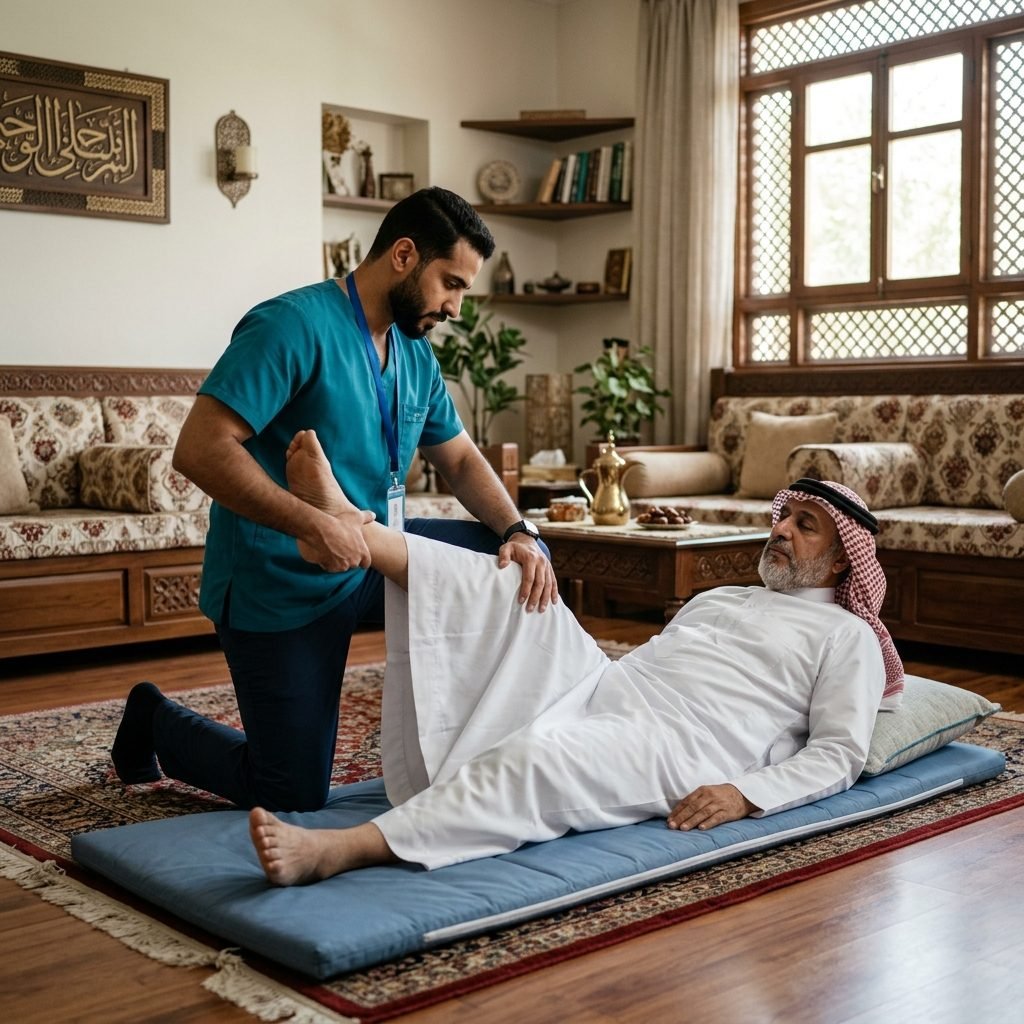
A comprehensive physiotherapy guide for individuals with Multiple Sclerosis. Learn evidence-based strategies to manage fatigue, overcome spasticity, improve balance, and maintain your functional independence.
Understanding MS and Its Neurological Impact

Multiple Sclerosis (MS) is a chronic, unpredictable, autoimmune disease of the central nervous system. In MS, the immune system mistakenly attacks myelin—the protective sheath covering nerve fibers in the brain and spinal cord. This demyelination causes inflammation and disrupts the normal flow of electrical impulses along the nerves. As a result, patients experience a diverse and fluctuating range of motor and sensory symptoms. From a mobility standpoint, MS frequently causes profound muscle weakness (especially in the lower extremities), severe muscle stiffness or spasticity, issues with coordination and balance (ataxia), and altered sensation such as numbness or loss of proprioception. Furthermore, overwhelming neurological fatigue is one of the most common and debilitating symptoms. Physiotherapy aims to meticulously assess these complex challenges and develop a targeted, individualized strategy to manage symptoms, prevent secondary complications, and maximize the patient's functional capacity at every stage of the disease.
The Crucial Role of Physiotherapy in MS Management

While there is currently no cure for Multiple Sclerosis, physiotherapy is a cornerstone of comprehensive MS management. It is vital for slowing the progression of physical disability and improving overall quality of life. The role of a physiotherapist extends far beyond simply prescribing exercises; we act as movement problem-solvers and partners in care. Intervention begins with a thorough evaluation of strength, gait, balance, and fatigue levels. Based on this, we design a customized rehabilitation program focused on maintaining joint flexibility, progressively strengthening weakened muscles, and retraining the brain to utilize alternative, more efficient motor pathways. Crucially, physiotherapy empowers patients with coping strategies to adapt to the physical changes dictated by the disease. Our primary objective is 'functional independence'—equipping the patient with the physical tools and strategies needed to continue performing work, hobbies, and activities of daily living with maximal safety and minimal assistance.
Mastering MS Fatigue and Energy Conservation
MS-related fatigue is fundamentally different from typical tiredness; it is a sudden, overwhelming sense of exhaustion that can strike without warning and severely limit a person's ability to function. Managing this neurological fatigue is often the highest priority in therapy. We educate patients on vital 'Energy Conservation' techniques. This involves learning to pace activities, prioritize essential tasks, and strategically schedule rest periods before complete exhaustion sets in. We also evaluate the home and work environments to suggest ergonomic modifications that reduce unnecessary physical exertion (e.g., minimizing stair climbing or organizing workspaces efficiently). Paradoxically, inactivity worsens fatigue. Therefore, we design carefully tailored, mild-to-moderate aerobic exercise programs. Clinical research consistently demonstrates that improving cardiovascular fitness safely is one of the most effective long-term strategies for combatting overall MS fatigue and increasing stamina.
Managing Spasticity and Preventing Contractures
Spasticity—an abnormal, sustained increase in muscle tone—frequently affects the legs of individuals with MS, particularly the hamstrings and calf muscles. This continuous tension can cause significant pain, disrupt sleep with sudden spasms, impair normal walking mechanics, and, if left unmanaged, lead to permanent joint contractures (muscle shortening). Physiotherapy provides the frontline defense against spasticity. We teach patients safe, effective, and daily self-stretching routines designed to gently elongate the affected muscles. Therapists also employ neuro-inhibition techniques, prolonged positioning, and sometimes aquatic therapy, where the warmth of the water helps relax hyperactive muscles. In more severe cases, we collaborate closely with neurologists who may prescribe muscle relaxants or Botulinum Toxin (Botox) injections. Physiotherapy is essential following these medical interventions to maximize their effectiveness by actively stretching and strengthening the newly relaxed limb.
Enhancing Balance, Coordination, and Fall Prevention
Damage to the cerebellum (the brain's balance center) and sensory pathways often leads to ataxia (poor coordination) and significant balance deficits in MS patients. This exponentially increases the risk of falls, which can lead to devastating injuries. Fall prevention is a critical focus of our therapy. We implement progressive balance training programs that challenge both static (standing still) and dynamic (moving) balance. Exercises may start simply, such as standing with feet close together, and progress to tandem walking, standing on unstable surfaces like foam pads, or performing dual-motor tasks. We also focus on enhancing proprioception (joint position sense) and stimulating the vestibular system. Importantly, we teach 'balance recovery strategies'—how to react quickly to prevent a fall—and safe falling techniques to minimize injury risk. Comprehensive home safety assessments are also conducted to eliminate trip hazards.
Gait Retraining and Mobility Optimization
The ability to walk efficiently is frequently compromised in MS due to a complex interplay of muscle weakness, spasticity, sensory loss, and fatigue. Patients may experience a heavy feeling in their legs, unsteadiness, or 'foot drop' (inability to lift the front of the foot). The physiotherapist conducts a detailed biomechanical analysis of the patient's gait to identify specific deficits. Therapy targets strengthening the specific muscles responsible for hip flexion and ankle dorsiflexion. We focus on improving stride length, walking speed, and inter-limb coordination. When necessary, we recommend and train patients in the use of assistive mobility devices. This could range from a simple trekking pole to a wheeled walker or an Ankle-Foot Orthosis (AFO) to correct foot drop. The goal is to optimize walking efficiency, reduce the energy cost of mobility, and ensure the patient can ambulate safely across various environments.
The Importance of Core Stability and Posture
While symptoms often manifest in the limbs, the core muscles (abdominals, back, and pelvic floor) form the central foundation for all human movement. In Multiple Sclerosis, core weakness is common and can lead to poor postural alignment, chronic lower back pain, and a significantly diminished ability to maintain balance while standing or walking. Physiotherapy programs consistently incorporate targeted core stabilization exercises. Strengthening the deep core muscles improves postural control, providing a stable base from which the arms and legs can generate movement. A robust core reduces the compensatory strain placed on the leg muscles, thereby improving walking efficiency and reducing fatigue. Furthermore, improved core strength facilitates easier transfers, such as moving from a sitting to a standing position or rolling over in bed, enhancing daily functional independence.
Targeted Strengthening for Weakened Muscles
Muscle weakness in MS originates from impaired neural transmission rather than primary muscle disease. However, the subsequent reduction in physical activity often leads to secondary disuse atrophy, further compounding the weakness. Physiotherapists design specialized resistance training programs using light weights, resistance bands, or bodyweight exercises. Crucially, in MS, strengthening must be meticulously dosed. We adhere to the principle of 'frequent, low-intensity exercise with adequate rest' to stimulate the muscles without inducing severe neurological fatigue. The focus is placed heavily on functional strengthening—targeting the specific muscle groups essential for walking (like quadriceps and hip flexors) and completing activities of daily living (like shoulder and arm muscles). This targeted approach helps maintain muscle mass, improves metabolic health, and maximizes functional output.
Managing Heat Sensitivity (Uhthoff's Phenomenon)
Approximately 60-80% of individuals with MS experience a temporary exacerbation of their neurological symptoms when their core body temperature rises, a condition known as Uhthoff's Phenomenon. This temperature elevation can occur due to hot weather, hot showers, or the physical exertion of exercise. The heat further slows down the transmission of nerve impulses along demyelinated fibers. While it can be frightening (causing sudden blurry vision or profound weakness), it does not cause new demyelination or permanent damage; symptoms resolve once the body cools down. Physiotherapists educate patients on this phenomenon to alleviate fear and ensure exercise remains safe. We implement pre-cooling strategies, such as drinking ice water before therapy, utilizing cooling vests, and exercising in climate-controlled environments. Workouts are often broken into shorter intervals with planned rest periods to prevent excessive core temperature elevation.
Pelvic Floor Therapy for Bladder and Bowel Function
Bladder dysfunction (such as urinary urgency, frequency, incontinence, or incomplete emptying) and bowel issues (like constipation) are highly prevalent in MS due to nerve damage affecting the pelvic region. These symptoms can be distressing and severely restrict a patient's social activities. Specially trained Pelvic Floor Physiotherapists offer effective, non-invasive interventions. Therapy includes a comprehensive assessment of pelvic floor muscle tone and strength. We teach patients precise Kegel exercises to strengthen weak muscles for better continence control, or conversely, relaxation techniques to ease hypertonic (spastic) pelvic muscles that impede proper voiding. Additionally, therapists provide valuable education on behavioral modifications, fluid management, and dietary adjustments to optimize bladder and bowel regularity, significantly improving the patient's quality of life.
Rehabilitation During and After an MS Relapse
The relapsing-remitting form of MS is characterized by acute 'relapses' or 'exacerbations' where new symptoms appear or old ones rapidly worsen, followed by periods of partial or complete recovery (remission). During the acute phase of a severe relapse, rest is often medically recommended. However, physiotherapy remains essential to prevent secondary complications like contractures through gentle, passive range-of-motion exercises and positioning. Once the relapse begins to stabilize (often following a course of corticosteroids), intensive rehabilitation becomes crucial. The goal shifts to active recovery: helping the patient regain the functional abilities and strength lost during the exacerbation. Timely post-relapse physiotherapy capitalizes on neuroplasticity, accelerating the return to the patient's baseline level of function and preventing long-term physical decline.
Building a Sustainable, Lifelong Home Exercise Program
Managing MS requires a lifelong commitment to health, extending far beyond the walls of the clinic. The ultimate success of physiotherapy lies in the patient's ability to adopt an active lifestyle. We meticulously design a highly individualized Home Exercise Program (HEP) that fits the patient's daily routine, home environment, and fluctuating energy levels. The HEP typically includes a balanced mix of flexibility, strengthening, and balance exercises. We ensure the patient is confident in performing the exercises correctly and safely by providing detailed instructions, illustrations, or video resources. Importantly, the physiotherapist periodically reviews and adjusts this program to accommodate changes in the disease course or improvements in fitness. Our goal is to make safe, effective exercise an integral, manageable part of the patient's daily life, fostering long-term resilience and physical readiness.
Unified Home Physical Therapy Standards & Geographical Coverage
Bidayah Center delivers highly structured home rehabilitation and clinical conditioning across all served territories, including Jeddah, Makkah, and Qatif districts. We deploy licensed physical therapists directly to your home, ensuring that you receive the same standards of care, specialized portable modalities, and treatment protocols as premier inpatient facilities.
Our medical coordinators screen each referral and coordinate field operations using regional dispatch networks to ensure prompt scheduling and strict adherence to appointment times. We maintain active communication channels with orthopedic surgeons and neurologists at major local hospitals to coordinate care.
While this generic page outlines the core clinical details of this service, we invite you to choose your specific city page. Doing so allows you to explore local neighborhood guidelines, read region-specific FAQs, and coordinate with male or female physical therapists according to the clinical needs of your family.