Clinical Common Medical Conditions Requiring Urgent Home Physiotherapy Intervention Sessions in Qatif
A multitude of pathological conditions aggressively target the elderly population, necessitating prompt and expert intervention by in-home environment physical therapy specialists. At the forefront of these conditions are degenerative anatomical joint diseases, most notably severe Osteoarthritis. This debilitating condition primarily afflicts weight-bearing anatomical joints such as the knees, hips, and the lumbar spine, causing excruciating pain that effectively paralyzes the senior's ability to engage in the simplest of daily movements. This eases the recovery journey for individuals in Qatif and Tarout, matching their schedule with precise sessions.
Similarly, age-related neurological disorders represent a vast domain for vital rehabilitative intervention. Diseases such as Parkinson's disease induce severe muscle rigidity, debilitating resting tremors, and profound bradykinesia (slowness of movement). Moreover, post-cerebral ischemia event (Cerebrovascular Accident) physiotherapeutic care programs is incredibly crucial; it is meticulously designed to rebuild optimal lost motor functions in the paralyzed half of the body and to retrain the brain to command the limbs through the remarkable clinical phenomenon of neuroplasticity. Our clinical specialists in Qatif ensure safe execution of these tasks under steady monitoring of vital parameters.
Furthermore, the indispensable role of in-home environment physical therapy is glaringly evident in post-major surgical physiotherapeutic care programs scenarios. Interventions following anatomical joint replacement surgeries (such as total knee or hip arthroplasty) and the surgical fixation of traumatic hip fractures resulting from falls require immediate attention. In these critical cases, early, aggressive home environment physiotherapeutic care programs acts as the absolute cornerstone for ensuring the functional success of the surgical procedure and proactively preventing catastrophic complications such as Deep Vein Thrombosis (DVT) or permanent muscular fibrosis. This is built to promote functional independence in Qatif, helping patients manage joint stiffness effectively.
Clinical The Meticulous Clinical Assessment at Home for Seniors (The Initial Evaluation) Sessions in Qatif
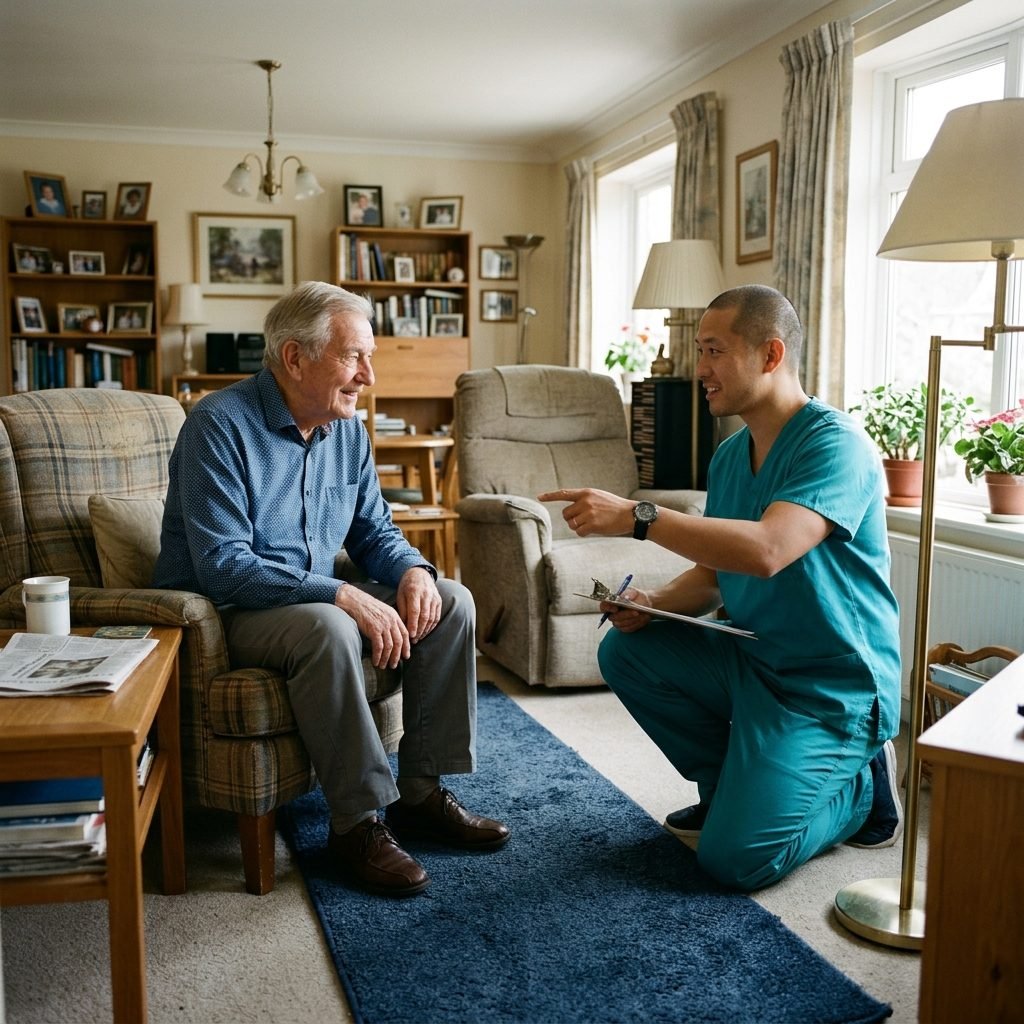
The trajectory of any successful in-home environment physical therapy regimen strictly begins with a comprehensive, highly detailed clinical assessment conducted by the specialist during the very first home environment visit. This vital evaluation commences with obtaining a thorough, exhaustive medical history of the recovering individual. This involves a deep dive into the current pharmaceutical drugs they are consuming and investigating the presence of any chronic systemic illnesses—such as advanced cardiac disease or poorly controlled Diabetes Mellitus—which could drastically alter the course of the treatment plan. The physical therapist also listens intently to the recovering individual's primary complaints and explicitly identifies the specific physical barriers hindering their daily life. This is built to promote functional independence in Qatif, helping patients manage joint stiffness effectively.
Following the interview, the specialist smoothly transitions into a rigorous physical examination. This critical phase involves precisely measuring the active and passive range of motion across all major anatomical joints and evaluating baseline muscle strength using internationally validated and standardized clinical scales. The examination also encompasses a thorough check of muscle tone and spasticity, and verifies the absolute integrity of the peripheral nervous system by carefully testing deep tendon reflexes and tactile sensation across both the upper and lower extremities. This helps patients in the Qatif governorate regain their strength, enabling smooth and coordinated movement patterns.
The most pivotal component of the geriatric assessment is, without a doubt, the Balance and Gait Analysis. The physical therapist strictly employs standardized, evidence-based clinical tests—such as the Timed Up and Go (TUG) test and various static and dynamic standing motor balance and coordination assessments—to accurately and objectively quantify the recovering individual's exact risk of falling. Based entirely on the synthesis of this exhaustive clinical data, the specialist collaboratively engages the recovering individual and their family to draft a highly customized treatment plan and mutually agree upon the desired rehabilitative goals. We deliver this specialized service across all sectors of Qatif, maintaining high clinical standards for every case.
Clinical Advanced Therapeutic Methods and Modern Techniques Used in Geriatric Rehabilitation Sessions in Qatif
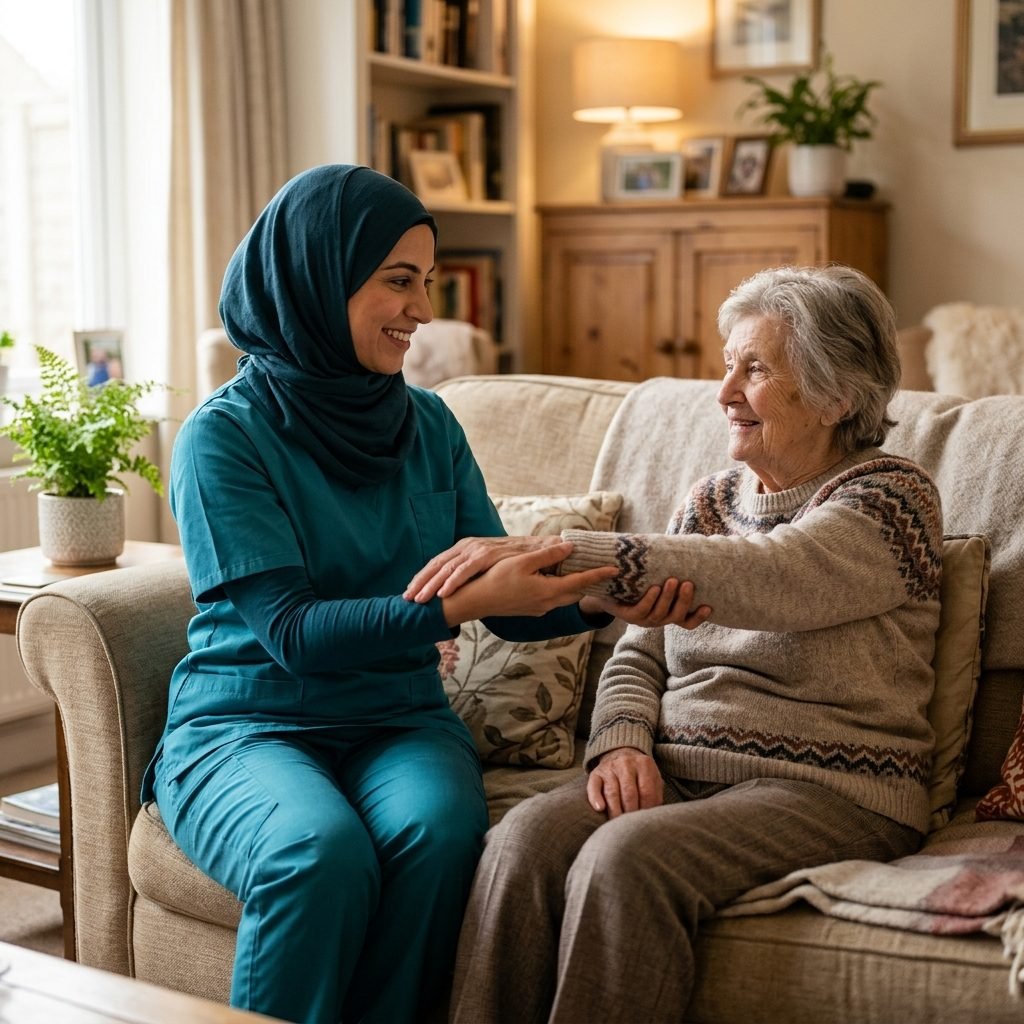
The therapeutic methodologies and clinical techniques we deploy are incredibly diverse and specifically adapted to comfortably accommodate the inherent fragility and physical weakness characterizing the aging body. Manual Therapy constitutes the foundational pillar of these critical interventions. Here, the specialist relies heavily on anatomical joint mobilizations and soft tissue manipulation utilizing highly calculated, profoundly gentle techniques. These methods are explicitly aimed at breaking down painful muscle adhesions and reducing severe spasms without ever inflicting any additional stress or traumatic pain on the recovering individual. This helps patients in the Qatif governorate regain their strength, enabling smooth and coordinated movement patterns.
Customized therapeutic motor training protocols represent the largest and most active portion of the therapy session. These motor training protocols are progressively scaled, starting carefully from passive range of motion motor training protocols (where the physical therapist completely performs the movement for the recovering individual), advancing to active-assisted movements, and finally progressing to fully active motor training protocols and light resistance training utilizing elastic Therabands. The clinical focus is overwhelmingly placed on functional motor training protocols that directly mimic the exact movements of daily life, ensuring the recovering individual derives immediate, practical, and highly applicable benefits. We deliver this specialized service across all sectors of Qatif, maintaining high clinical standards for every case.
Moreover, we effectively integrate modern, portable in-home environment physical therapy modalities into our treatment plans. Devices such as Transcutaneous Electrical Nerve Stimulation (TENS) and Electrical Muscle Stimulation (EMS) units play a highly effective role in managing chronic, stubborn pain and safely re-educating severely weakened skeletal myofibers. Furthermore, the strategic, timed application of thermal modalities—using clinical heat packs for morning anatomical joint stiffness and cold packs to control acute inflammation—significantly aids in regulating local blood circulation and providing immense comfort to the senior recovering individual. This is crucial for restoring motor coordination in Qatif, coordinating care with local hospital consultants.
Clinical Fall Prevention Programs: Environmental Assessment and Proactive Clinical Interventions Sessions in Qatif
Falls are universally recognized as one of the most perilous, life-threatening health hazards facing the elderly population. A single fall frequently results in catastrophic fractures that may mandate immediate surgical intervention and prolonged, debilitating hospitalizations, severely jeopardizing their life and long-term independence. Consequently, our robust Fall Prevention Program occupies the absolute highest priority in our clinical protocols. The program initiates by thoroughly identifying intrinsic (physical) risk factors, which include severely impaired vision, vestibular motor balance and coordination disorders, chronic dizziness, and the highly dangerous side effects of specific polypharmacy medications that commonly induce severe vertigo or orthostatic hypotension. We deliver this specialized service across all sectors of Qatif, maintaining high clinical standards for every case.
On the clinical front, we rigorously implement intensive exercise regimens explicitly designed to drastically improve both static and dynamic motor balance and coordination. We painstakingly train the senior on exactly how to rapidly and effectively correct their bodily posture the instant they experience a sudden loss of motor balance and coordination. We heavily utilize Proprioceptive Training techniques to profoundly enhance their deep spatial motor awareness, alongside training specific Stepping Strategies that quickly empower the recovering individual to catch themselves and rapidly widen their base of support right before an actual, disastrous fall occurs. This is crucial for restoring motor coordination in Qatif, coordinating care with local hospital consultants.
Furthermore, taking a highly pragmatic approach, we deliberately train the recovering individual on the absolutely safest, biomechanically correct method to rise from the floor in the unfortunate event that a fall does occur. This specific training is vital to dramatically reduce the state of absolute panic and terror that typically ensues post-fall, and to actively prevent highly dangerous, improper attempts to stand up that could easily multiply the severity of the injury or cause a fatal strain on a weakened cardiovascular system. This supports optimal therapeutic outcomes for our Qatif clients, bringing expert hands right to their bedroom.
Clinical Environmental Modification and Engineering Adjustments for a Safe Senior-Friendly Home Sessions in Qatif
The vital role of the physical physical therapist is absolutely not confined solely to administering motor training protocols; it extends far beyond to include an exhaustive, room-by-room audit of the senior's living environment to guarantee its total freedom from any potential tripping hazards. We provide the family with a highly detailed, actionable checklist of recommendations for implementing simple yet profoundly life-saving modifications. These include the immediate removal of all unsecured, loose throw rugs—which are universally recognized as one of the leading culprits of indoor tripping—and ensuring that all electrical cords are safely fastened securely away from any walking paths. This is crucial for restoring motor coordination in Qatif, coordinating care with local hospital consultants.
Within the critical domains of the living rooms and bedrooms, we strongly recommend rearranging the furniture to create wide, straight, and easily navigable pathways specifically designed to easily accommodate wheelchairs or wide walkers. We meticulously verify that the exact height of the recovering individual's bed and their favorite resting chair is perfectly optimized to allow for effortless standing and sitting with the absolute minimum anatomical joint stress possible. We also strongly emphasize the critical necessity of adequate, bright lighting, specifically strongly advocating for the installation of automatic, motion-sensor night lights illuminating the crucial pathways leading to the bathroom. This supports optimal therapeutic outcomes for our Qatif clients, bringing expert hands right to their bedroom.
Bathrooms are statistically considered the most incredibly dangerous locations in the entire house due to the exceedingly high probability of slipping on wet surfaces. Therefore, we strictly mandate that families immediately install sturdy, wall-mounted metallic grab bars directly adjacent to the toilet and inside the shower enclosure. We further require the use of high-quality, non-slip rubber mats covering the entire bathroom floor, and strongly advise the provision of a medical-grade, highly stable shower chair that completely eliminates the dangerous need for the senior to stand for prolonged periods on a wet, highly slippery surface. This guarantees top-tier rehabilitative care for patients in Qatif, removing the need to travel to regional clinics.
Clinical Effective Chronic Pain Management to Reduce Excessive Reliance on Pharmaceutical Painkillers Sessions in Qatif
Chronic, unrelenting pain—whether located in the lumbar spine, the knees, or the cervical neck—is the heavy, constant companion for a vast number of seniors. The excessive, unchecked reliance on potent pharmaceutical painkillers carries incredibly grave risks to the health of the kidneys, liver, and gastrointestinal tract, in addition to highly dangerous neurological side effects such as severe dizziness, sedation, and mental confusion. It is precisely here that the indispensable role of in-home environment physical therapy emerges brilliantly as a highly safe, highly effective, and sustainable natural alternative for long-term pain management. This guarantees top-tier rehabilitative care for patients in Qatif, removing the need to travel to regional clinics.
We rely heavily on advanced clinical techniques such as Myofascial Release and highly targeted deep tissue massage to effectively dismantle the chronic, painful muscle spasms that invariably accompany and fiercely exacerbate anatomical joint pain. Furthermore, carefully prescribed, moderate therapeutic motor training protocols play a monumental role in naturally stimulating the central nervous system's secretion of endorphins (the body's immensely powerful natural painkillers). These motor training protocols also crucially assist in nourishing the avascular anatomical joint cartilage and massively improving localized blood circulation in the afflicted areas, thereby dramatically accelerating the body's innate self-healing and recovery processes. This eases the recovery journey for individuals in Qatif and Tarout, matching their schedule with precise sessions.
We actively guide our recovering individuals on practical, daily strategies for coping with pain. This involves meticulously teaching them the biomechanically correct sitting and sleeping postures that effectively relieve undue pressure on the spine. We also educate them on exactly how and when to correctly utilize cold compresses to immediately suppress acute, flaring inflammation, versus the application of warm compresses to soothe deep, aching muscular stiffness. This highly comprehensive, holistic approach ultimately grants the recovering individual total control over their pain, dramatically improving their sleep quality, entirely without the dangerous need to constantly escalate their pharmaceutical dosages. Our clinical specialists in Qatif ensure safe execution of these tasks under steady monitoring of vital parameters.
Clinical Guidelines for the Selection, Fitting, and Training of Prosthetics and Assistive Walking Devices Sessions in Qatif
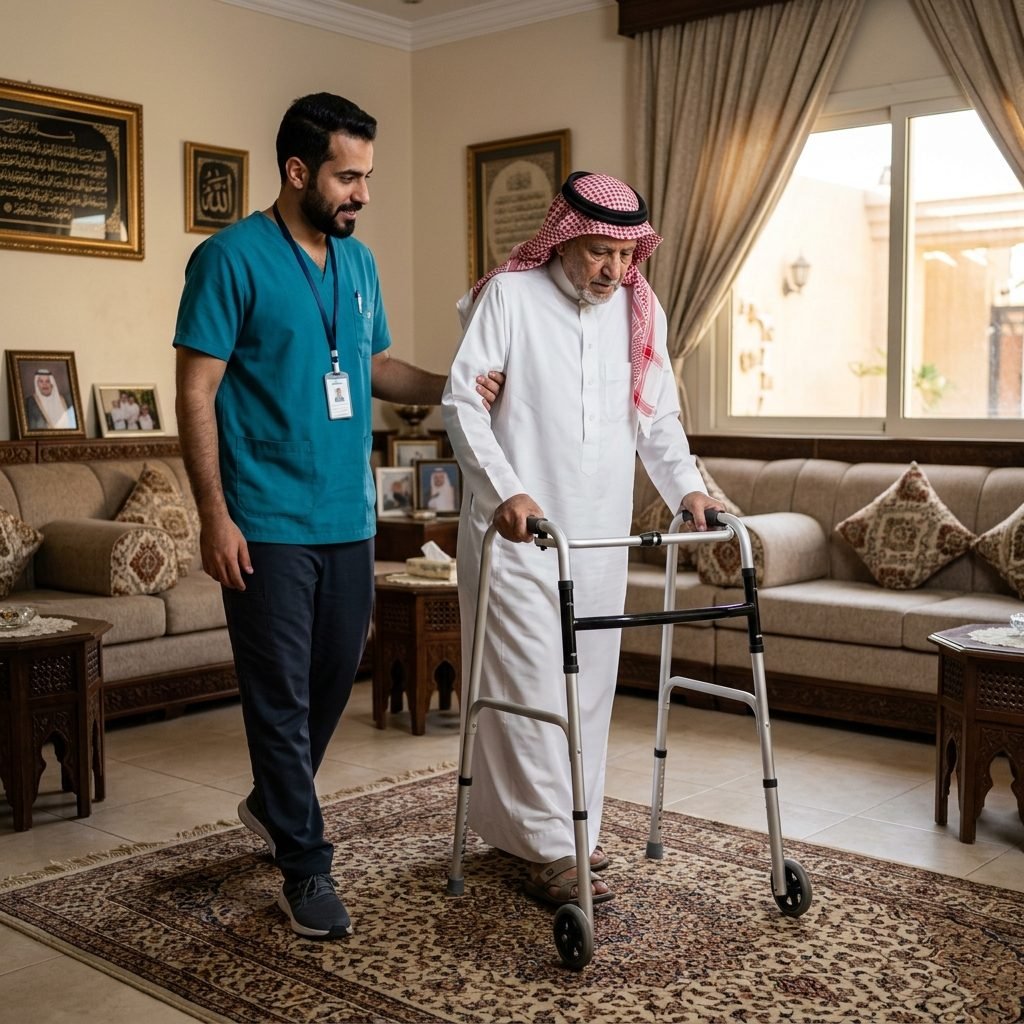
Assistive walking devices—such as standard canes, crutches, and various types of walkers (both standard and wheeled rollators)—are absolutely fundamental clinical interventions required to safely empower the senior to navigate their environment. However, the totally incorrect selection of the device, or the failure to precisely adjust its height to perfectly match the recovering individual's specific anatomical proportions, can cause immense bodily harm. This harm typically manifests as severe new onset back pain, a rapid deterioration of their natural gait pattern, and an ironically massive increase in the probability of a catastrophic fall. This eases the recovery journey for individuals in Qatif and Tarout, matching their schedule with precise sessions.
The in-home environment physical therapy specialist conducts a highly rigorous evaluation of the recovering individual's overall weight-bearing capacity, their upper extremity arm strength, and their exact level of dynamic motor balance and coordination to accurately prescribe the absolute optimal assistive device. Once the correct device is procured, it is adjusted with strict biomechanical precision to ensure the recovering individual maintains a perfectly upright spinal posture while using it. This is immediately followed by a phase of highly intensive, repetitive training on exactly how to use this device safely across a variety of complex real-world scenarios: walking securely on completely flat indoor surfaces, executing safe turns without tripping, and safely transferring from a seated position on a chair or bed to a full standing posture. Our clinical specialists in Qatif ensure safe execution of these tasks under steady monitoring of vital parameters.
Crucially, both the recovering individual and their family members are extensively trained on the highly specific, perfectly safe techniques for ascending and descending staircases using the assistive device, accompanied by a highly detailed, practical explanation of the absolutely correct mechanical weight distribution required. Our continuous, watchful clinical follow-up absolutely guarantees that the recovering individual is utilizing the device completely naturally and safely, ensuring it successfully becomes a secure, highly reliable physical extension of their own body that deeply enhances their independence, rather than becoming a dangerous, cumbersome additional burden. This is built to promote functional independence in Qatif, helping patients manage joint stiffness effectively.
Clinical Normal Physiological Changes in Seniors and Their Direct Impact on Mobility and Balance Sessions in Qatif
As the human body ages, it undergoes a series of complex physiological transformations that cast a heavy shadow over general motor capabilities. One of the most prominent of these transformations is the significant loss of muscle mass and power, medically known as Sarcopenia. This steady decline directly weakens the elderly person's ability to endure customary daily physical burdens, such as rising from a low chair or climbing a flight of stairs, rendering them increasingly dependent on external assistance. This guarantees top-tier rehabilitative care for patients in Qatif, removing the need to travel to regional clinics.
Parallel to this muscular weakening, bone density progressively diminishes (Osteopenia), ultimately leading to full-blown osteoporosis in many cases. This condition leaves the skeletal framework highly fragile and susceptible to severe fractures even upon sustaining very minor trauma or impact. Furthermore, articular cartilage loses a substantial portion of its water content, which precipitates anatomical joint stiffness, severely restricted ranges of motion, and chronic pain that acts as a major barrier to smooth, effortless movement. This eases the recovery journey for individuals in Qatif and Tarout, matching their schedule with precise sessions.
Neurologically speaking, the transmission speed of nerve impulses from the brain to the peripheral skeletal myofibers and vice versa slows down considerably. This delay directly compromises the rapid reflexive responses absolutely necessary to avoid a fall upon stumbling. Additionally, the efficiency of deep sensory receptors (proprioceptors) located in anatomical joints and tendons—which are fundamentally responsible for the body's spatial awareness—deteriorates, resulting in recurrent motor balance and coordination disturbances during standing or walking. Our clinical specialists in Qatif ensure safe execution of these tasks under steady monitoring of vital parameters.
Clinical Pathways & Field Dispatch in Qatif
📍 Coordinated by Ms. Fatima Al-Khaldi, PT Coordinator for the Qatif District
In the Qatif governorate, we cover Saihat, Anak, Al-Nasirah, Tarout, Al-Jish, and Safwa with flexible appointment configurations.
We maintain close lines of communication with orthopedic and neurosurgical consultants at Qatif Central Hospital to safely align strengthening and walk-training cycles.
Local Coordination & Clinical Pathways in Qatif
📍 Coordinated through the Qatif home-visit scheduling pathway
In the Qatif governorate, we cover Saihat, Anak, Al-Nasirah, Tarout, Al-Jish, and Safwa with flexible appointment configurations.
For orthopedic and neurological rehabilitation, the plan is adjusted according to the patient's reports, pain response, walking tolerance, and any limits set by the treating physician.