Clinical 2. Clinical-Environmental Assessment Protocol (STEADI Framework) Sessions in Qatif
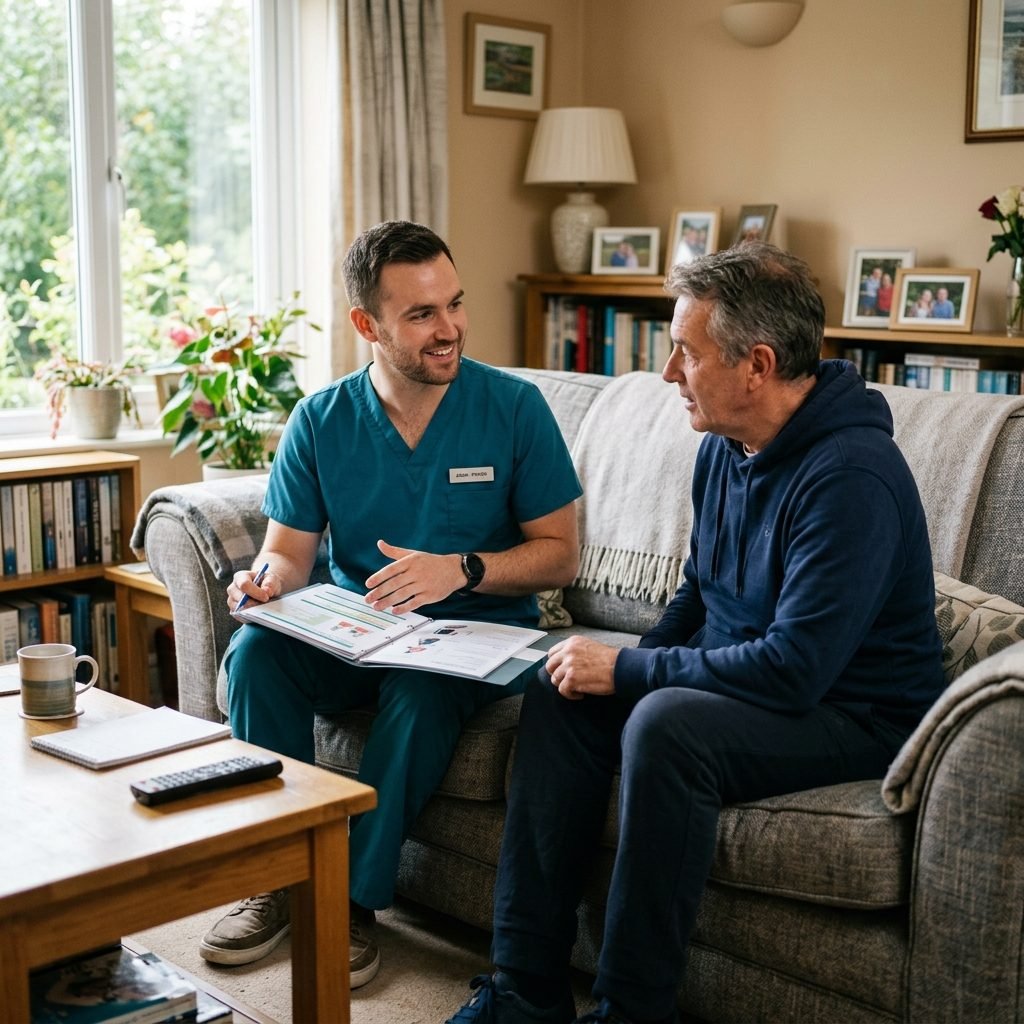
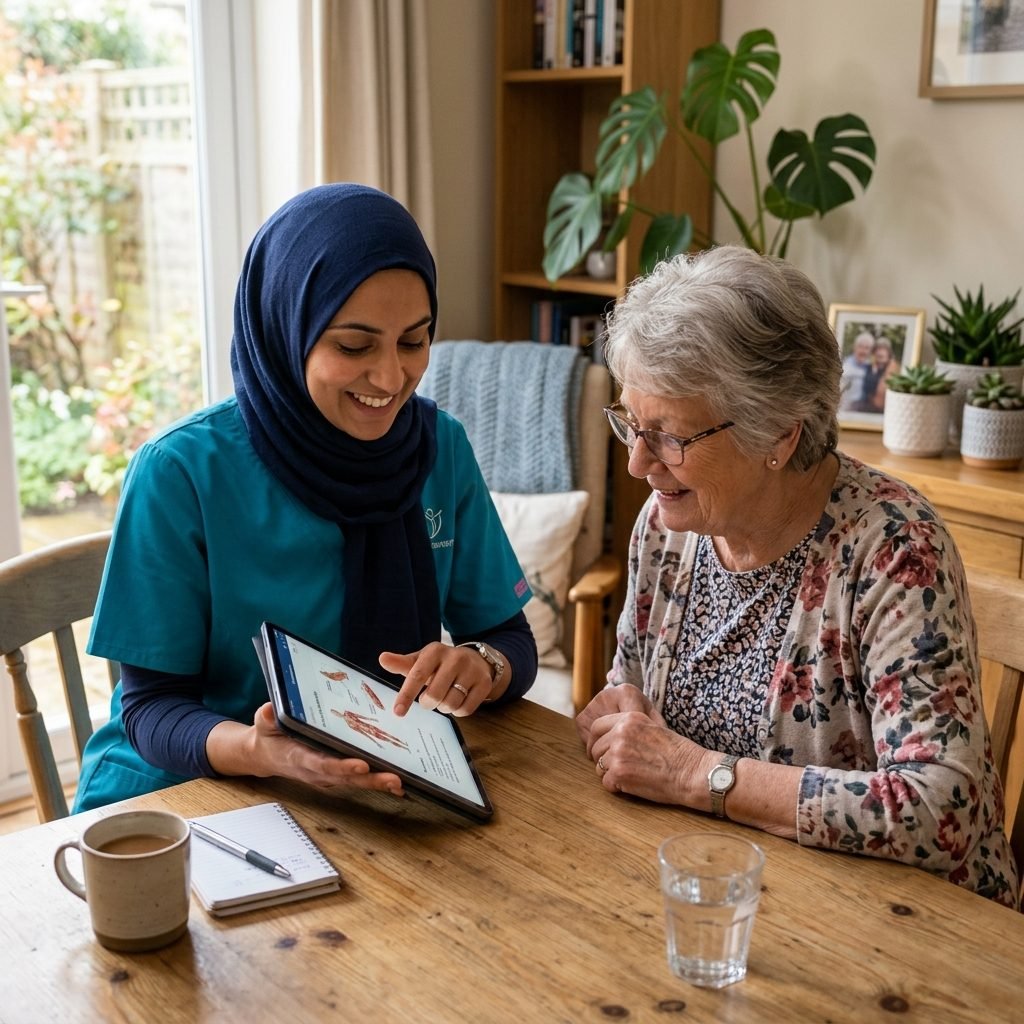
We utilize the medically endorsed Stopping Elderly Accidents, Deaths, and Injuries (STEADI) framework developed by the CDC. This comprehensive system combines physical screening of the recovering individual with a detailed architectural check of their living spaces. This eases the recovery journey for individuals in Qatif and Tarout, matching their schedule with precise sessions.
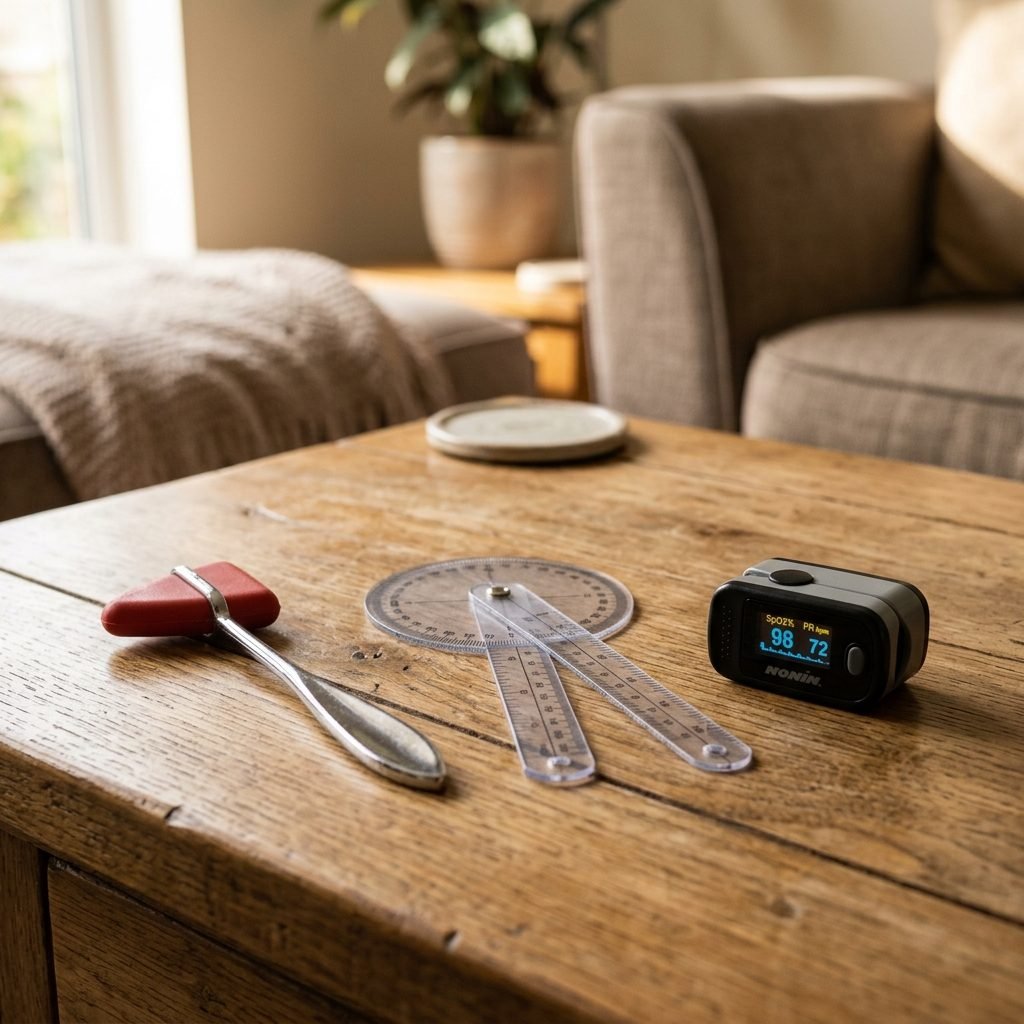
The physical screening includes testing the recovering individual's visual acuity and contrast sensitivity, evaluating static and dynamic motor balance and coordination (such as the Berg Balance Scale), assessing orthostatic blood pressure changes, and taking a detailed history of any previous fall events. Our clinical specialists in Qatif ensure safe execution of these tasks under steady monitoring of vital parameters.
The environmental inspection uses a clinical checklist to evaluate home environment entrances, stairwells, hallway widths, lighting systems, bedroom layouts, kitchen setups, and bathroom designs, identifying architectural barriers and potential trip hazards. This is built to promote functional independence in Qatif, helping patients manage joint stiffness effectively.
We analyze the biomechanical interaction between the recovering individual and their furniture, ensuring that daily tasks, such as rising from a chair or reaching for items, can be performed safely without excessive spinal flexion or dangerous loss of motor balance and coordination. This helps patients in the Qatif governorate regain their strength, enabling smooth and coordinated movement patterns.
Clinical 4. Bedroom Layout Optimization and Functional Furniture Placement Sessions in Qatif
The bedroom is a common site for fall injuries, particularly during nighttime transitions or hurried transfers. We measure the recovering individual's bed height, ensuring that their feet rest flat on the floor when sitting at the edge of the mattress. This is built to promote functional independence in Qatif, helping patients manage joint stiffness effectively.
We recommend positioning the bed to allow a clear, unobstructed path to the bathroom. We eliminate all trip hazards along this route and ensure that essential items, such as glasses, medications, and phones, are within easy reach on a stable nightstand. This helps patients in the Qatif governorate regain their strength, enabling smooth and coordinated movement patterns.
We optimize the heights of closets and drawers to prevent the recovering individual from needing to bend down or reach high. We recommend firm mattresses that support spinal alignment and facilitate independent rolling and sitting up. We deliver this specialized service across all sectors of Qatif, maintaining high clinical standards for every case.
We ensure that bedside light controls are accessible from the bed, preventing the recovering individual from moving in the dark. We also train recovering individuals on the proper placement of assistive devices next to the bed to ensure they are immediately available upon waking. This is crucial for restoring motor coordination in Qatif, coordinating care with local hospital consultants.
Clinical 5. Bathroom Modifications and Advanced Slip-and-Fall Mitigation Sessions in Qatif
Bathrooms present significant safety challenges due to moisture and slippery surfaces. Our assessment identifies precise locations for installing heavy-duty grab bars next to the toilet and inside the shower, ensuring they are anchored into wall studs. This helps patients in the Qatif governorate regain their strength, enabling smooth and coordinated movement patterns.
We recommend using specialized shower chairs with slip-resistant rubber feet, combined with raised toilet seats to reduce knee and hip anatomical joint compression during transfers. Raised seats are critical for recovering individuals with anatomical joint degeneration or weakness. We deliver this specialized service across all sectors of Qatif, maintaining high clinical standards for every case.
We evaluate flooring surfaces and recommend installing non-slip rubber mats inside the tub and on bathroom floors. We advocate for handheld showerheads that allow the recovering individual to bathe safely while seated, reducing fatigue and fall risks. This is crucial for restoring motor coordination in Qatif, coordinating care with local hospital consultants.
We ensure that shower thresholds are minimized or eliminated. Recommending zero-threshold, curbless walk-in showers is a primary strategy for preventing trips during entry and exit for recovering individuals with gait limitations. This supports optimal therapeutic outcomes for our Qatif clients, bringing expert hands right to their bedroom.
Clinical 6. Kitchen Accessibility and Ergonomic Appliance Integration Sessions in Qatif
Kitchen tasks require functional reach, motor balance and coordination, and fine motor control. We evaluate the storage of frequently used items and recommend placing them in cabinets located between waist and shoulder height, eliminating the need to bend or climb. We deliver this specialized service across all sectors of Qatif, maintaining high clinical standards for every case.
We evaluate appliance safety and accessibility, recommending workspaces that allow the recovering individual to prepare meals while safely seated. We emphasize the necessity of non-slip, easily cleanable flooring to manage accidental spills immediately. This is crucial for restoring motor coordination in Qatif, coordinating care with local hospital consultants.
For recovering individuals with arthritic anatomical joints or weak grip strength, we recommend ergonomic kitchen utensils with enlarged, textured handles. These design modifications reduce anatomical joint stress and support independence in meal preparation. This supports optimal therapeutic outcomes for our Qatif clients, bringing expert hands right to their bedroom.
We review kitchen ventilation, emergency exits, and the accessibility of fire safety equipment. Ensuring that the recovering individual can manage basic kitchen tasks safely and handle emergencies independently is vital for their safety and autonomy. This guarantees top-tier rehabilitative care for patients in Qatif, removing the need to travel to regional clinics.
Clinical 7. Lighting Systems, Contrast Sensitivity, and Visual Guidance Sessions in Qatif
Lighting and visual contrast are critical for guiding movement and maintaining postural control. We measure lux levels throughout the home environment, identifying dark areas or harsh shadows that can distort spatial perception and lead to missteps. This is crucial for restoring motor coordination in Qatif, coordinating care with local hospital consultants.
We recommend applying high-contrast paint or tape to the edges of steps and thresholds to assist recovering individuals with low vision. Clear contrast around light switches and door handles also helps recovering individuals find them without unmotor balance and coordinationd reaching. This supports optimal therapeutic outcomes for our Qatif clients, bringing expert hands right to their bedroom.
We minimize glare from polished floors and unshaded windows, which can temporarily blind recovering individuals with cataracts or macular degeneration. We recommend anti-glare window coverings and positioning light sources to provide diffuse illumination. This guarantees top-tier rehabilitative care for patients in Qatif, removing the need to travel to regional clinics.
Optimizing the home environment's visual environment helps recovering individuals judge depth, identify obstacles, and navigate level changes accurately. This support reduces motor errors and prevents collisions and falls caused by visual limitations. This eases the recovery journey for individuals in Qatif and Tarout, matching their schedule with precise sessions.
Clinical 9. Environmental Modification Action Plan and Implementation Guide Sessions in Qatif
Following the assessment, we deliver a detailed report detailing all identified risks, accompanied by practical recommendations for home environment modifications categorized by priority, clinical urgency, and estimated cost. This guarantees top-tier rehabilitative care for patients in Qatif, removing the need to travel to regional clinics.
The action plan includes immediate, low-cost modifications (such as removing throw rugs, adding nightlights, and rearranging furniture) and structural modifications (such as installing grab bars, building ramps, and widening doors). This eases the recovery journey for individuals in Qatif and Tarout, matching their schedule with precise sessions.
We provide a directory of qualified contractors specializing in accessibility modifications to ensure quality work and compliance with safety standards. Our physical therapists are available to consult during installation to verify accuracy. Our clinical specialists in Qatif ensure safe execution of these tasks under steady monitoring of vital parameters.
This modification guide provides a sustainable path toward aging in place, reducing healthcare costs associated with fall injuries. Modifying the home environment is a proactive investment in the recovering individual's long-term health and independence. This is built to promote functional independence in Qatif, helping patients manage joint stiffness effectively.
Clinical 10. Behavioral Adaptation and Caregiver Safety Protocols Sessions in Qatif
Successful home environment modification requires ongoing behavioral changes by the recovering individual and their family. We complement physical changes with training on safe habits, helping recovering individuals integrate preventive practices into their daily routines. This eases the recovery journey for individuals in Qatif and Tarout, matching their schedule with precise sessions.
We instruct recovering individuals to avoid high-risk behaviors, such as rushing to answer the phone, reaching for high shelves without a stable step stool, walking in dark hallways, or walking in socks without slip-resistant treads. Our clinical specialists in Qatif ensure safe execution of these tasks under steady monitoring of vital parameters.
We train caregivers to maintain an organized home environment, keeping pathways clear of clutter and toys. We teach them to check for wet floors in kitchens and bathrooms and to ensure the recovering individual wears a gait belt when needed. This is built to promote functional independence in Qatif, helping patients manage joint stiffness effectively.
Fostering these safe habits transforms home environment modifications into a comprehensive, family-wide safety culture. This behavioral support ensures that the physical changes to the home environment continue to protect the recovering individual from injury over time. This helps patients in the Qatif governorate regain their strength, enabling smooth and coordinated movement patterns.
Clinical 11. Clinical Glossary of Physical Therapy and Rehabilitation Terms Sessions in Qatif
This glossary provides essential medical and clinical definitions that form the basis of our home environment assessment protocols. Understanding these terms helps recovering individuals and caregivers comprehend the physiotherapeutic care programs plan. Our clinical specialists in Qatif ensure safe execution of these tasks under steady monitoring of vital parameters.
Clinical 12. Clinical Safety Standards and Precautions During Assessments Sessions in Qatif
All home environment assessments and subsequent modifications must be supervised by a licensed physical or occupational physical therapist. This ensures that the adaptations align with the recovering individual's clinical status and support their physiotherapeutic care programs. This is built to promote functional independence in Qatif, helping patients manage joint stiffness effectively.
During the initial evaluation, we implement strict safety measures. The physical therapist utilizes a gait belt (transfer belt) and maintains close guarding during motor balance and coordination and walking tests to prevent accidental falls during clinical screening. This helps patients in the Qatif governorate regain their strength, enabling smooth and coordinated movement patterns.
We verify that all materials used in home environment modifications (such as grab bars and shower chairs) meet medical safety standards, are rust-resistant, and have smooth, rounded edges to protect the fragile skin of older adults. We deliver this specialized service across all sectors of Qatif, maintaining high clinical standards for every case.
At Bidayah Center, we update our environmental recommendations if the recovering individual's physical status or mobility changes. Regular reassessments ensure that the home environment remains a safe, supportive environment throughout the recovery process. This is crucial for restoring motor coordination in Qatif, coordinating care with local hospital consultants.
Clinical 1. Preventive Clinical Philosophy of Home Safety Assessment Sessions in Qatif
The clinical philosophy behind home environment accessibility assessments recognizes that modifying the physical environment is just as vital for physiotherapeutic care programs as treating the recovering individual's internal physical impairments. Adaptive spaces compensate for age-related sensory and motor declines. This guarantees top-tier rehabilitative care for patients in Qatif, removing the need to travel to regional clinics.
Our objective is to achieve a harmonious alignment between the recovering individual's physical limits and their home environment's spatial design. This alignment minimizes pathological loading on anatomical joints, reduces physical exhaustion, and allows recovering individuals to navigate their home environments without fear of injury. This eases the recovery journey for individuals in Qatif and Tarout, matching their schedule with precise sessions.
Mitigating environmental hazards directly reduces anxiety and fear of falling for both recovering individuals and their families. This psychological security encourages older adults to participate in daily activities, preventing the cascade of physical deconditioning and social isolation. Our clinical specialists in Qatif ensure safe execution of these tasks under steady monitoring of vital parameters.
Within our integrated physiotherapeutic care programs model, we view the home environment as an active therapeutic tool. A modified home environment environment supports the consistent execution of prescribed motor training protocols and daily functional tasks, accelerating recovery and ensuring long-term safety. This is built to promote functional independence in Qatif, helping patients manage joint stiffness effectively.
Clinical Pathways & Field Dispatch in Qatif
📍 Coordinated by Ms. Fatima Al-Khaldi, PT Coordinator for the Qatif District
In the Qatif governorate, we cover Saihat, Anak, Al-Nasirah, Tarout, Al-Jish, and Safwa with flexible appointment configurations.
We maintain close lines of communication with orthopedic and neurosurgical consultants at Qatif Central Hospital to safely align strengthening and walk-training cycles.
Local Coordination & Clinical Pathways in Qatif
📍 Coordinated through the Qatif home-visit scheduling pathway
In the Qatif governorate, we cover Saihat, Anak, Al-Nasirah, Tarout, Al-Jish, and Safwa with flexible appointment configurations.
For orthopedic and neurological rehabilitation, the plan is adjusted according to the patient's reports, pain response, walking tolerance, and any limits set by the treating physician.