Clinical Clinical Assessment Protocols for Musculoskeletal Deficits Sessions in Qatif
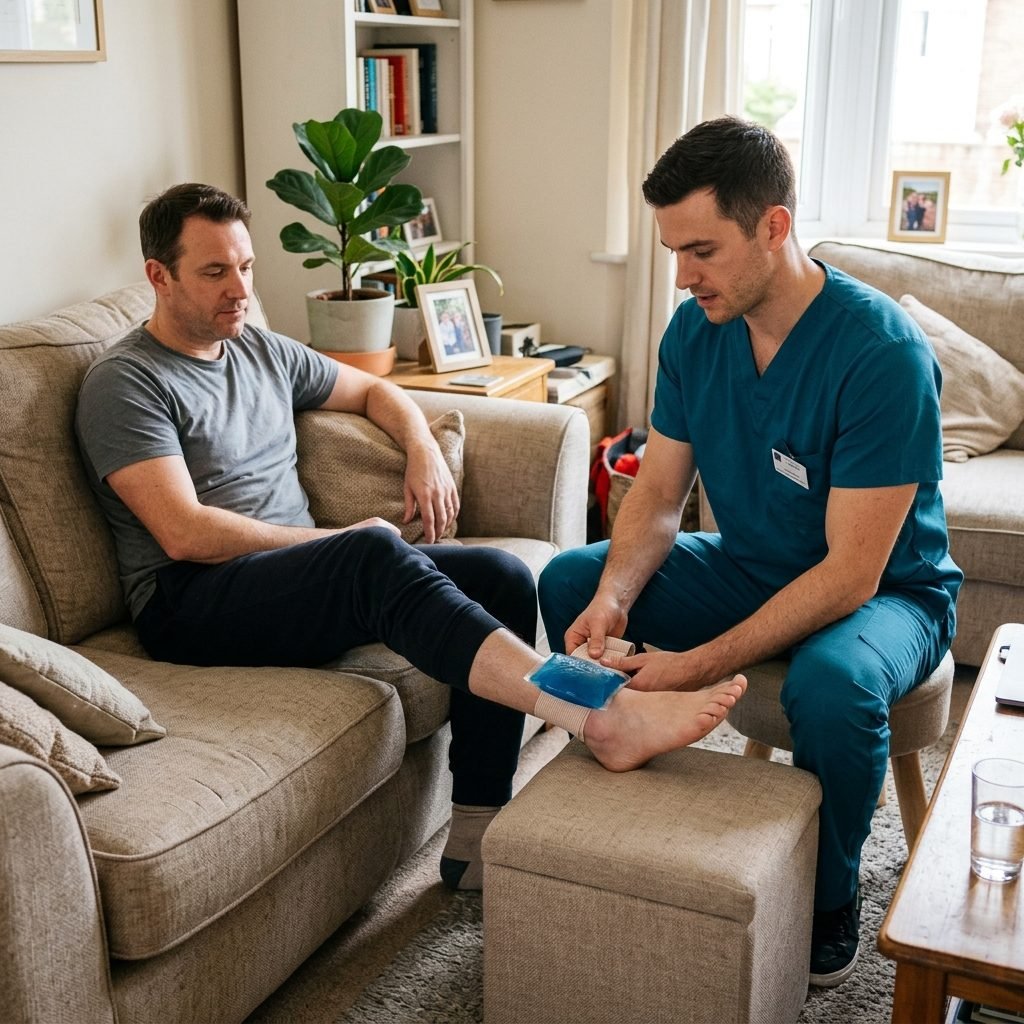
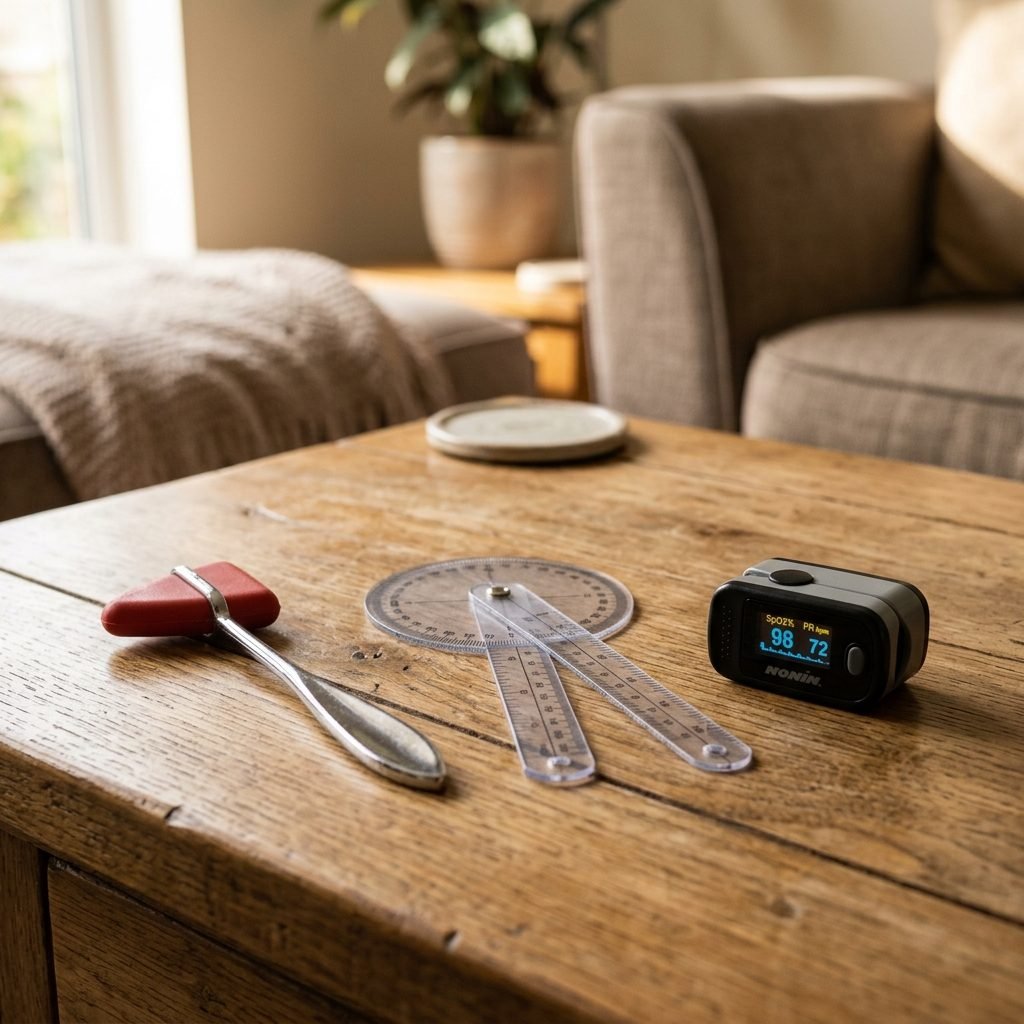
An accurate diagnostic assessment is essential to identify the root cause of orthopedic deficits and design a targeted physiotherapeutic care programs plan. Our physical physical therapists conduct a comprehensive evaluation, starting with anatomical joint range of motion (ROM) measurements using goniometry and manual muscle testing (MMT) to assess strength. We perform palpation to locate tenderness and evaluate anatomical joint effusion (swelling) using tests like the Stroke Test or Balloon Sign for the knee, grading effusion from 0 to 3+. This eases the recovery journey for individuals in Qatif and Tarout, matching their schedule with precise sessions.
We perform specialized clinical orthopedic tests to evaluate structural integrity. For knee assessments, we use the Lachman Test and Anterior Drawer Test to evaluate anterior cruciate ligament (ACL) integrity, and the McMurray Test to screen for meniscal tears. For shoulder pathology, we utilize the Hawkins-Kennedy and Neer Tests to evaluate subacromial impingement, and the Empty Can Test to assess supraspinatus tendon pathology. These specialized tests allow us to isolate specific structures, identify tears or impingements, and formulate targeted clinical diagnoses. Our clinical specialists in Qatif ensure safe execution of these tasks under steady monitoring of vital parameters.
In addition to structural tests, we analyze posture and gait to identify biomechanical compensations. Patients with lower extremity pathology often present with an antalgic (pain-avoidant) gait, characterized by a shortened stance phase on the affected limb. We assess for abnormalities like pelvic drops, knee hyperextension, or foot pronation, which can cause secondary strain on the spine or adjacent anatomical joints. By identifying these biomechanical compensations during our initial 60-minute assessment, we can design corrective motor training protocols that rebuild optimal proper movement patterns and prevent secondary pain. This is built to promote functional independence in Qatif, helping patients manage joint stiffness effectively.
Clinical Phase 2: Subacute Mobilization and Progressive Loading Sessions in Qatif
Once the acute inflammatory phase resolves and tissue healing enters the proliferative stage, the physiotherapeutic care programs program progresses to subacute mobilization. The focus shifts to restoring full anatomical joint range of motion, improving tissue flexibility, and initiating active enhance the capacity ofing. We transition from passive to active-assisted (AAROM) and active (AROM) movements, utilizing stretching techniques to target shortened skeletal myofibers and tight anatomical joint capsules. Gentle anatomical joint mobilizations (Maitland Grade I and II) are applied to reduce pain and improve accessory anatomical joint motion. This is built to promote functional independence in Qatif, helping patients manage joint stiffness effectively.
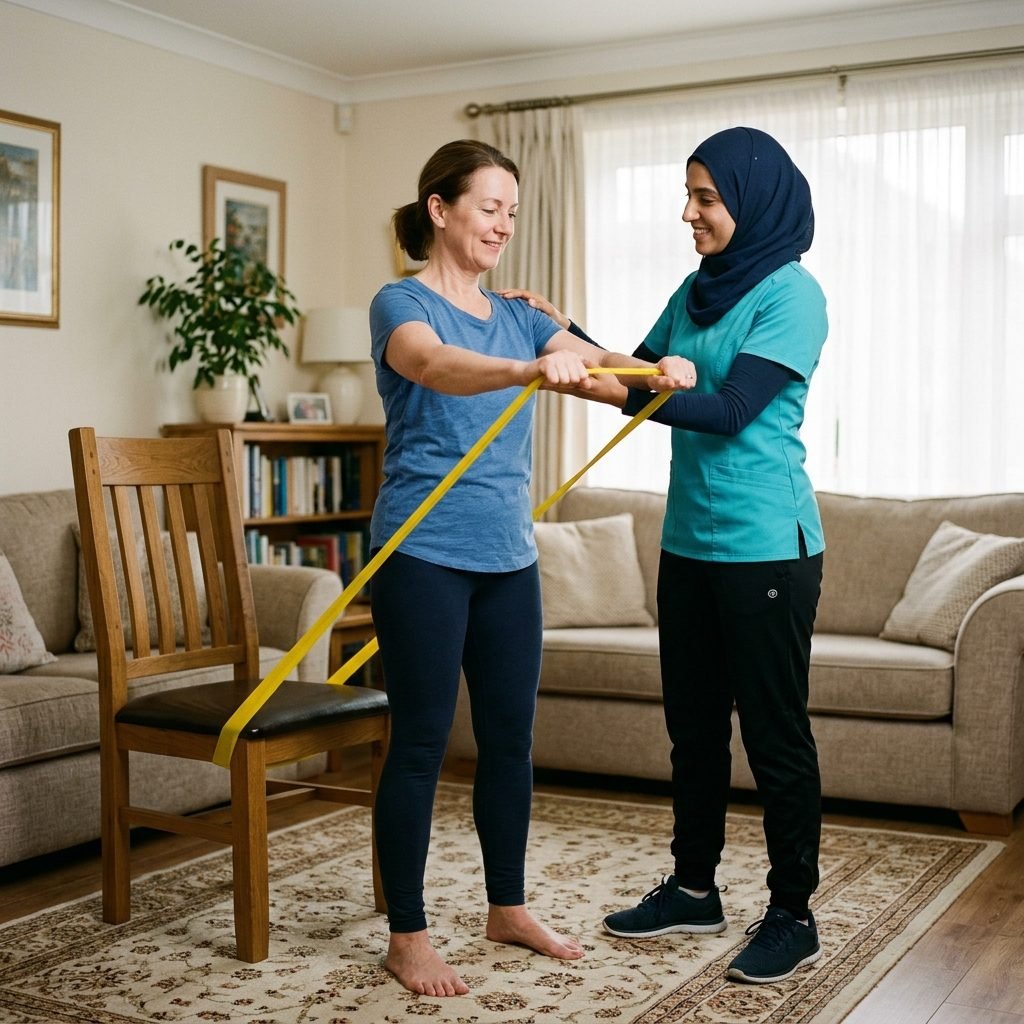
Progressive enhance the capacity ofing is initiated using open kinetic chain (OKC) and closed kinetic chain (CKC) motor training protocols. Open kinetic chain motor training protocols, where the distal segment of the limb moves freely (such as seated knee extensions), are used to isolate specific skeletal myofibers. Closed kinetic chain motor training protocols, where the foot or hand remains fixed on a surface (such as squats or leg presses), are introduced to engage multiple anatomical joints and skeletal myofibers, improving anatomical joint stability and functional capacity. We apply progressive resistance training, starting with light loads (elastic bands or light weights) and progressing as tissue tolerance improves. This helps patients in the Qatif governorate regain their strength, enabling smooth and coordinated movement patterns.
We implement specialized tendon loading protocols for recovering individuals recovering from chronic tendinopathies (such as Achilles or patellar tendonitis). We utilize the Alfredson Eccentric Training Protocol, which involves performing slow, controlled eccentric (lengthening) contractions under load. This specific mechanical strain stimulates tenocyte activity, promoting tendon remodeling and collagen synthesis. Therapists monitor pain levels during loading, ensuring that pain remains within acceptable limits and does not persist into the following day, which would indicate overtraining. We deliver this specialized service across all sectors of Qatif, maintaining high clinical standards for every case.
Clinical Phase 3: Advanced Strengthening and Functional Return Sessions in Qatif
The final phase of orthopedic in-home environment physical therapy focuses on advanced enhance the capacity ofing, functional retraining, and preparing the recovering individual to return to work or sports activities. We transition to high-intensity resistance training, multi-directional agility drills, and sport-specific movements. Exercises are designed to challenge the musculoskeletal system in multiple planes of motion (sagittal, frontal, and transverse), improving structural integrity and dynamic stability under loaded conditions. This helps patients in the Qatif governorate regain their strength, enabling smooth and coordinated movement patterns.
We integrate advanced proprioceptive and motor balance and coordination training to rebuild optimal neuromuscular control. Patients perform motor training protocols on unstable surfaces (such as motor balance and coordination boards or foam pads), single-leg stability drills, and reaction-time challenges. This training improves the speed and coordination of stabilizing muscle contractions, reducing the risk of reinjury. We utilize plyometric motor training protocols, such as jump-landing training, to rebuild explosive power and teach safe landing mechanics, focusing on preventing dynamic knee valgus (inward collapsing of the knee), which is a major risk factor for ACL injuries. We deliver this specialized service across all sectors of Qatif, maintaining high clinical standards for every case.
As the recovering individual approaches their functional goals, we design a comprehensive, long-term home environment exercise program. This program details specific motor training protocols, sets, repetitions, and progression guidelines to maintain structural strength and prevent future musculoskeletal issues. Our physical physical therapists conduct a final functional assessment to ensure the recovering individual meets all clinical criteria for a safe return to full activity. This ensures that the recovery achieved during active in-home environment physical therapy is sustained long-term, preserving anatomical joint health and functional independence. This is crucial for restoring motor coordination in Qatif, coordinating care with local hospital consultants.
Clinical Long-Term Musculoskeletal Maintenance and Joint Care Sessions in Qatif
Maintaining musculoskeletal health and preventing degenerative changes requires long-term commitment to exercise and anatomical joint care. Once clinical in-home environment physical therapy has concluded, recovering individuals must continue home environment-based protocols to prevent muscle immotor balance and coordinations and maintain anatomical joint range of motion. This is especially important for recovering individuals with chronic conditions like osteoarthritis or those who have undergone major surgeries. Our team designs personalized maintenance programs focused on preserving anatomical joint health and structural strength. We deliver this specialized service across all sectors of Qatif, maintaining high clinical standards for every case.
We emphasize anatomical joint preservation strategies to minimize mechanical wear and tear on weight-bearing anatomical joints. This includes education on body weight management to reduce anatomical joint loading, using supportive footwear, and modifying daily activities to protect anatomical joints. We recommend low-impact motor training protocols, such as swimming, cycling, or brisk walking, to promote anatomical joint mobility and cardiovascular health without overloading the anatomical joints. Our physical therapists provide guidance on ergonomics, helping recovering individuals set up home environment and work spaces to prevent repetitive strain and anatomical joint overload. This is crucial for restoring motor coordination in Qatif, coordinating care with local hospital consultants.
Periodic follow-up evaluations are scheduled to monitor anatomical joint health and functional status. During these check-ins, the physical physical therapist assesses anatomical joint range of motion, muscle strength, and movement mechanics to identify any emerging deficits. If early signs of degeneration or muscle weakness are detected, we modify the home environment program or schedule brief clinical sessions to address the issues proactively. This ongoing support ensures that the gains made during physiotherapeutic care programs are preserved, protecting long-term musculoskeletal health. This supports optimal therapeutic outcomes for our Qatif clients, bringing expert hands right to their bedroom.
Clinical Clinical Precautions, Contraindications, and Safety Standards Sessions in Qatif
Patient safety is the top priority in orthopedic in-home environment physical therapy, requiring strict adherence to clinical protocols and contraindications. Absolute contraindications to in-home environment physical therapy include unhealed fractures, acute deep vein thrombosis (DVT), acute local infection (such as osteomyelitis or septic arthritis), and severe cardiovascular instability. Initiating therapy under these conditions can cause severe complications, such as fracture displacement, pulmonary embolism, or systemic infection. This is crucial for restoring motor coordination in Qatif, coordinating care with local hospital consultants.
Relative contraindications require caution and modification of exercise protocols. These include severe osteoporosis, anatomical joint hypermobility, and the presence of surgical hardware with specific movement restrictions. For recovering individuals with osteoporosis, we avoid high-impact activities, explosive twisting movements, and loaded spinal flexion to prevent pathological fractures. For post-surgical recovering individuals, we strictly adhere to surgeon-specified restrictions, such as weight-bearing status (e.g., non-weight bearing, partial weight bearing, or weight bearing as tolerated) and range of motion limits. This supports optimal therapeutic outcomes for our Qatif clients, bringing expert hands right to their bedroom.
Therapists monitor for clinical red flags during every session, such as sudden increases in localized pain, swelling, warmth, redness, or a sudden loss of anatomical joint mobility. The presence of calf pain, warmth, and swelling is a red flag for DVT, requiring immediate medical referral. We monitor the recovering individual's physiological response to exercise, ensuring that pain does not exceed a mild discomfort during stretching and enhance the capacity ofing. By maintaining these strict safety standards, we ensure a safe, effective recovery process. This guarantees top-tier rehabilitative care for patients in Qatif, removing the need to travel to regional clinics.
Clinical Pathophysiology of Musculoskeletal Injuries and Tissue Healing Phases Sessions in Qatif
Musculoskeletal injuries, whether acute trauma (like ligament sprains and tendon tears) or chronic degeneration (like osteoarthritis), trigger a cascade of tissue responses. Osteoarthritis is characterized by progressive degradation of articular cartilage, subchondral bone remodeling, and osteophyte formation, leading to mechanical pain, anatomical joint space narrowing, and range of motion loss. In contrast, acute soft tissue injuries undergo a cellular response that progresses through three distinct phases: the inflammatory phase, the proliferative phase, and the remodeling phase. This guarantees top-tier rehabilitative care for patients in Qatif, removing the need to travel to regional clinics.
The inflammatory phase begins immediately after injury and lasts 3 to 5 days, characterized by vasodilation, edema, and neutrophil infiltration to clear cellular debris. The proliferative phase occurs from day 4 to day 21, during which fibroblasts lay down disorganized Type III collagen, forming immature scar tissue. The remodeling phase begins around week 3 and can last for over a year. During this final phase, the disorganized Type III collagen is gradually replaced by stronger Type I collagen, which aligns along lines of mechanical stress to rebuild optimal tensile strength. This eases the recovery journey for individuals in Qatif and Tarout, matching their schedule with precise sessions.
Orthopedic in-home environment physical therapy utilizes controlled mechanical loading to optimize this healing process. If tissues are immobilized for too long, the collagen fibers remodel in disorganized patterns, leading to weak tissue and adhesions. Conversely, excessive early loading can disrupt healing tissue and cause chronic inflammation. Our physical therapists apply progressive resistance and mobilization motor training protocols designed to match tissue tolerance, promoting optimal collagen alignment and preventing scar tissue formation. This biological approach ensures that the healed tissue can withstand functional demands. Our clinical specialists in Qatif ensure safe execution of these tasks under steady monitoring of vital parameters.
Clinical Pathways & Field Dispatch in Qatif
📍 Coordinated by Ms. Fatima Al-Khaldi, PT Coordinator for the Qatif District
In the Qatif governorate, we cover Saihat, Anak, Al-Nasirah, Tarout, Al-Jish, and Safwa with flexible appointment configurations.
We maintain close lines of communication with orthopedic and neurosurgical consultants at Qatif Central Hospital to safely align strengthening and walk-training cycles.
Local Coordination & Clinical Pathways in Qatif
📍 Coordinated through the Qatif home-visit scheduling pathway
In the Qatif governorate, we cover Saihat, Anak, Al-Nasirah, Tarout, Al-Jish, and Safwa with flexible appointment configurations.
For orthopedic and neurological rehabilitation, the plan is adjusted according to the patient's reports, pain response, walking tolerance, and any limits set by the treating physician.