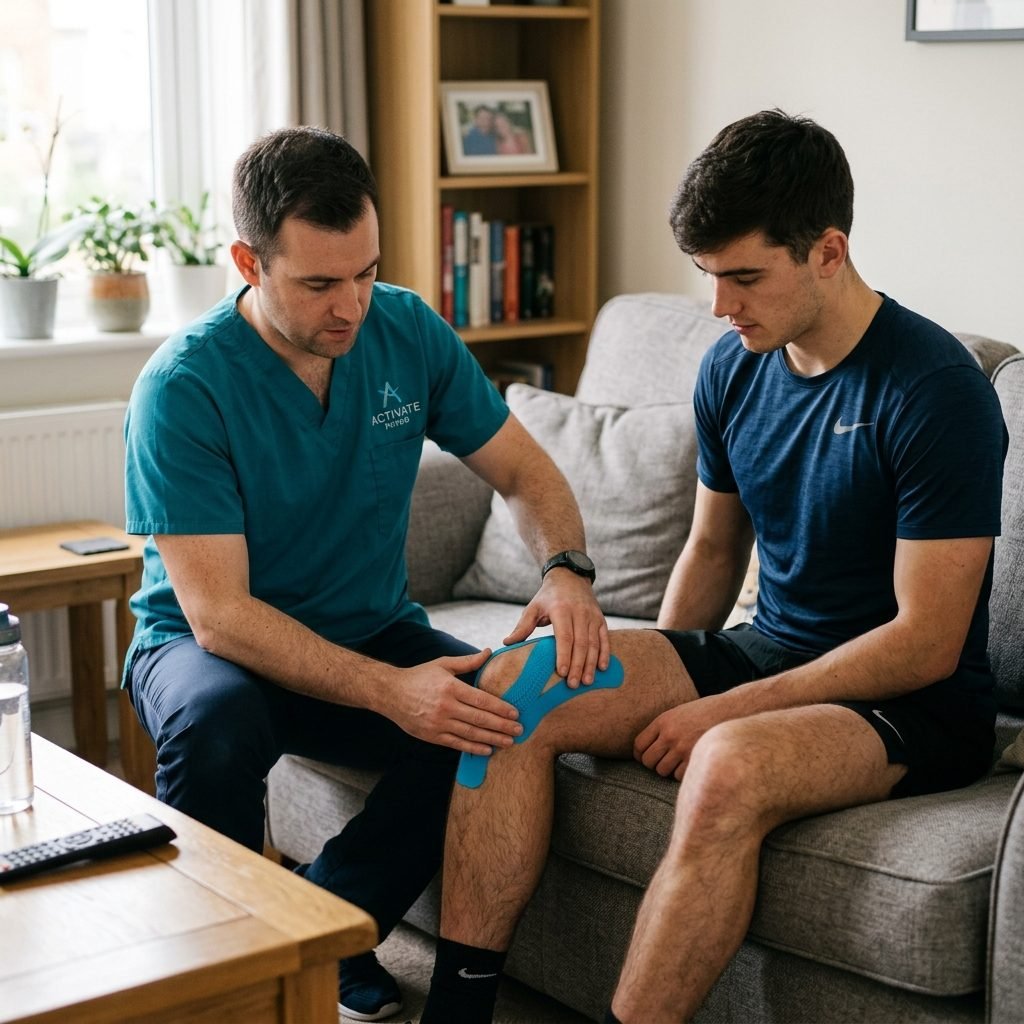
The ultimate guide to sports injury rehabilitation. From acute first aid (POLICE principle) to late-stage plyometrics and safe Return to Sport (RTS) protocols for ACL tears, sprains, and overuse injuries.
Understanding Sports Injuries: Acute vs. Overuse
Sports injuries broadly fall into two distinct categories: Acute Injuries and Overuse Injuries. Acute injuries occur suddenly due to a singular traumatic event or excessive force, such as twisting an ankle upon landing, tearing an Anterior Cruciate Ligament (ACL) during a sudden pivot, or dislocating a shoulder. They are characterized by immediate, sharp pain, rapid swelling, and an instant inability to bear weight or function normally. Conversely, overuse injuries develop insidiously over time. They result from repetitive micro-trauma—performing the same motion repeatedly without granting the tissues adequate time to heal and adapt. Classic examples include Tennis Elbow (lateral epicondylitis), Achilles tendinopathy, and 'Runner’s Knee.' Correctly identifying the type of injury is paramount because the rehabilitation philosophies differ significantly. Acute injuries initially require protection and inflammation management, whereas overuse injuries mandate a deep biomechanical analysis to correct faulty movement patterns or training errors that caused the repetitive strain.
Acute Injury Management: Moving from R.I.C.E to P.O.L.I.C.E
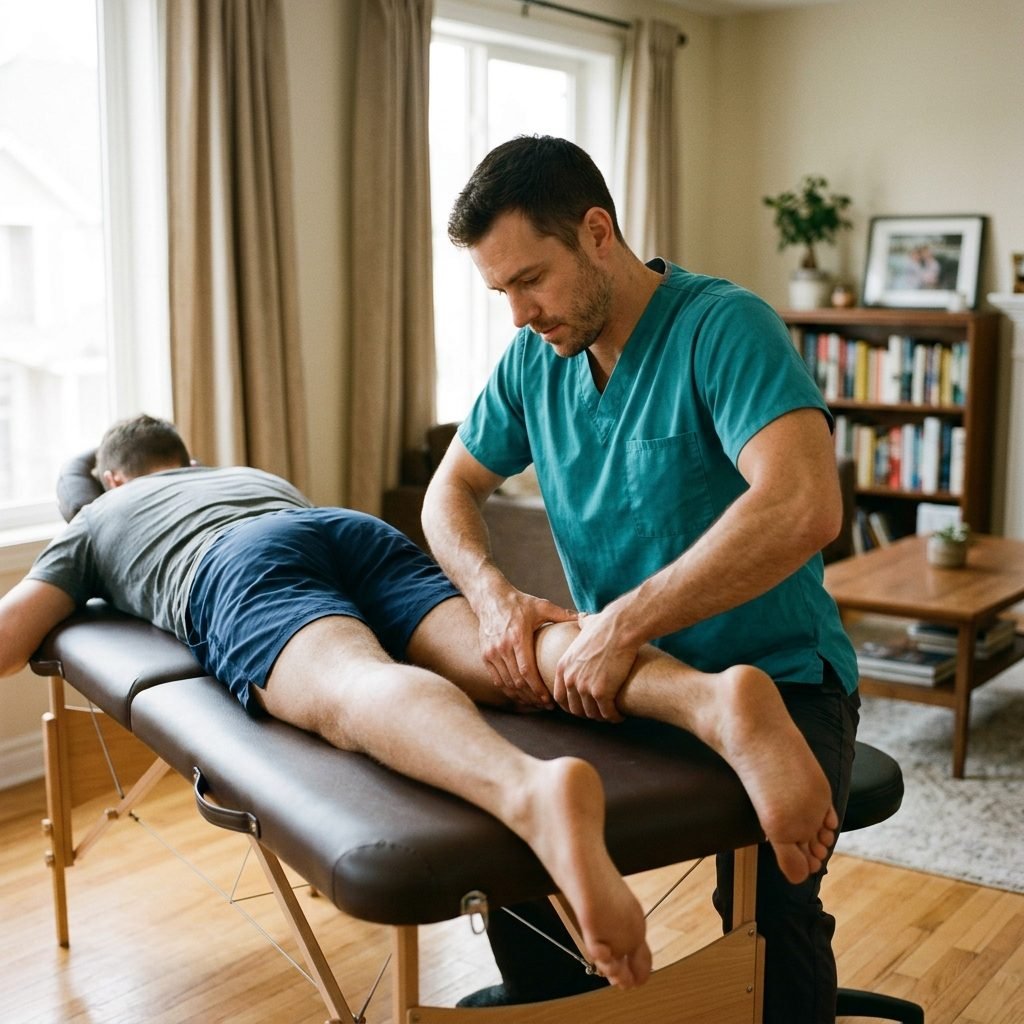
For decades, the RICE protocol (Rest, Ice, Compression, Elevation) was the undisputed standard for immediate injury care. However, modern sports medicine has evolved to advocate for the P.O.L.I.C.E principle: Protection, Optimal Loading, Ice, Compression, and Elevation. The critical paradigm shift is replacing absolute 'Rest' with 'Optimal Loading.' Prolonged, complete rest causes tissues to weaken and atrophy rapidly. Instead, physiotherapists guide athletes to protect the injured area (e.g., using crutches or a brace) but simultaneously introduce very gentle, controlled movements and weight-bearing as soon as safely possible. This 'optimal loading' stimulates the cells to produce collagen and align the new scar tissue correctly, leading to a stronger, more resilient repair. Concurrently, we utilize ice to manage pain, and compression and elevation to control excessive inflammatory swelling, creating the ideal environment for tissue regeneration.
Respecting the Biological Timelines of Tissue Healing
A frequent and dangerous error athletes make is attempting to rush their return to play before the injured tissue has biologically healed. Every tissue in the body heals at a different rate. Muscles, owing to their rich blood supply, may recover from a mild strain in 2 to 4 weeks. Ligaments and tendons (like the ACL or Achilles), which have a much poorer blood supply, require 6 to 12 weeks for structural healing, and many months to regain their full tensile strength. Bones typically take 6 to 8 weeks to fuse. Physiotherapy cannot magically accelerate this biological clock. What we do is optimize the healing environment—ensuring proper blood flow, preventing restrictive scar tissue (fibrosis), and applying the correct mechanical stresses to strengthen the healing tissue. Ignoring these timelines and returning prematurely places the fragile, immature tissue at a massive risk for a catastrophic re-injury.
Restoring Full Range of Motion (ROM) and Flexibility
Following an injury and the requisite period of protection, the joint inevitably becomes stiff, and the surrounding muscles and fascia shorten and tighten. The foundational step in active rehabilitation is reclaiming the full, normal Range of Motion (ROM) of the affected joint. A joint lacking its full mobility cannot perform athletic movements efficiently and is highly susceptible to further injury when forced beyond its restricted limits. Physiotherapists employ a variety of techniques, including passive stretching, active-assisted mobility drills, and hands-on Joint Mobilization to break down capsular adhesions and restore smooth joint gliding. Crucially, we assess the entire kinetic chain. For instance, chronic knee pain in a runner might actually stem from restricted mobility in the ankle or hip. Restoring flexibility across the entire body ensures that mechanical forces are distributed evenly during high-impact sports.
Progressive Strengthening: Isometric to Eccentric Training
Muscle atrophy (weakness) is a rapid and inevitable consequence of an injury. Rebuilding this lost strength must be a systematic, scientifically progressed process to avoid overloading the healing tissue. Rehabilitation typically initiates with 'Isometric' exercises—contracting the muscle without moving the joint—providing a very safe way to activate muscles early on. As the tissue tolerates movement, we progress to 'Concentric' exercises (muscle shortens while contracting, like lifting a dumbbell). The most critical and advanced phase for athletes is 'Eccentric' training (the muscle lengthens while contracting under tension, like slowly lowering a weight or absorbing the shock of landing from a jump). Eccentric strength is vital because the vast majority of sports injuries (like hamstring tears or Achilles ruptures) occur during this specific phase of movement, when the muscle is trying to decelerate the body or absorb massive forces.
Proprioception and Neuromuscular Control Retraining
Proprioception is the brain's subconscious ability to perceive the precise position, movement, and joint angles of the body in space. When a joint is injured (like a severe ankle sprain), the microscopic nerve receptors within the ligaments are also torn. This disrupts the crucial communication loop between the joint and the brain, slowing down protective reflexes and leaving the athlete highly vulnerable to re-injury. Sports physiotherapy places immense emphasis on retraining proprioception and neuromuscular control. We utilize tools like wobble boards, BOSU balls, and single-leg balance drills with eyes closed. These unpredictable, unstable environments force the nervous system to adapt rapidly, re-establishing the lightning-fast, automatic muscle firing patterns required to stabilize and protect the joints during dynamic, high-speed athletic maneuvers.
Plyometrics, Agility, and Sport-Specific Drills
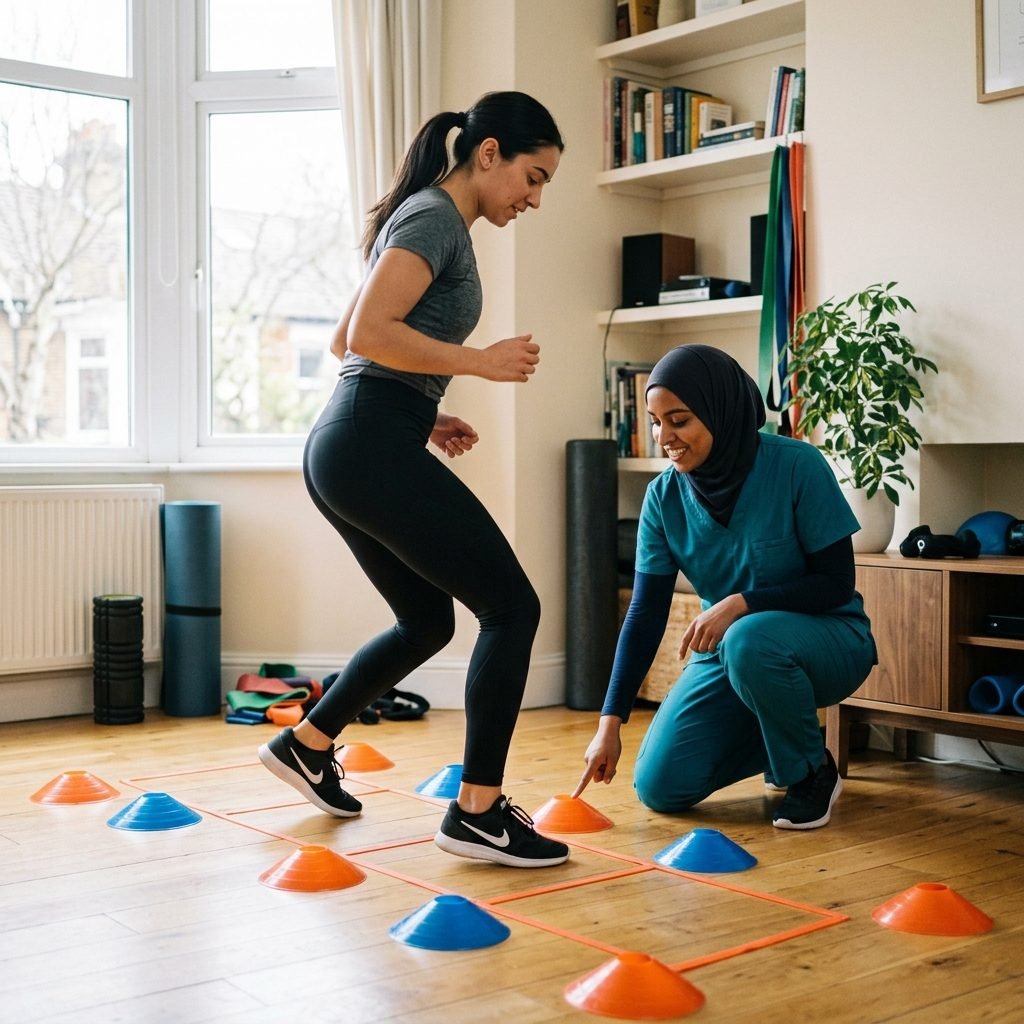
In the final, advanced stages of rehabilitation, simply being strong and pain-free is insufficient for an athlete; they must be fast, agile, and capable of generating explosive power. This is achieved through Plyometrics and agility training. Plyometrics involves rapid jumping, bounding, and landing exercises designed to maximize muscle power (force produced over short time) and train the nervous system to absorb the massive shock of landing safely. Concurrently, we design rigorous 'Sport-Specific Drills' that accurately mimic the exact biomechanical demands of the athlete's sport. A soccer player will perform cutting, sprinting, and kicking drills; a basketball player will focus on vertical leaps and lateral shuffling. This crucial transition from controlled clinical exercises to chaotic, high-intensity athletic movements ensures the repaired tissues are robust enough to withstand the extreme demands of actual competition.
Knee Injuries: Anterior Cruciate Ligament (ACL) Rehabilitation
An ACL tear is one of the most devastating sports injuries, requiring a prolonged rehabilitation journey (typically 9 to 12 months). Whether the athlete undergoes surgical reconstruction or opts for conservative management, intensive physiotherapy dictates the ultimate success. In the initial postoperative weeks, our strict focus is on restoring full knee extension (straightening) and 'waking up' the quadriceps muscles, which shut down rapidly after injury. Over the ensuing months, the program progresses systematically to strengthen the hamstrings (which act as the primary protectors of the new ACL graft), rebuild proprioception, and introduce running, jumping, and aggressive change-of-direction (cutting) drills. We utilize stringent, objective Functional Testing criteria to ensure perfect muscular symmetry and biomechanical control before clearing the athlete to Return to Play (RTP), actively minimizing the high risk of re-rupture.
Shoulder Injuries: Rotator Cuff Tears and Impingement
The shoulder is the most mobile joint in the human body, but this mobility comes at the cost of stability. It relies heavily on a group of four small muscles called the Rotator Cuff to hold the joint together. Overhead sports (swimming, tennis, pitching) frequently lead to tendonitis, impingement (pinching of the tendons), or frank rotator cuff tears. Rehabilitation focuses heavily on correcting faulty scapular (shoulder blade) mechanics. We strengthen the 'scapular stabilizers' to ensure the shoulder blade moves synchronously with the arm, thereby widening the subacromial space and preventing tendon impingement. Concurrently, we utilize light-resistance exercises to strengthen the rotator cuff muscles, training them to effectively depress and center the humeral head within the socket during powerful, high-velocity overhead throwing or serving motions.
Ankle Sprains and Chronic Ankle Instability (CAI)
Lateral ankle sprains are the most ubiquitous injury in sports. Unfortunately, they are frequently mismanaged or ignored, leading to a debilitating condition known as Chronic Ankle Instability (CAI), where the ankle feels perpetually loose and 'gives way' repeatedly. Effective treatment requires immediate protection followed by aggressive mobilization, particularly restoring dorsiflexion (bringing the toes toward the shin). The absolute cornerstone of ankle rehab is intensive proprioceptive and balance training. We must rewire the surrounding muscles (like the peroneals) to fire instantly to protect the compromised ligaments. While we may advise using athletic taping or semi-rigid braces as a protective adjunct when returning to the field, the primary goal remains building a functionally robust, self-stabilizing ankle joint that does not rely solely on external support.
Psychological Readiness for Return to Sport (RTS)
Physical healing is only one facet of recovery; psychological readiness is equally critical. Kinesiophobia (the intense fear of re-injury or pain) is a significant barrier for athletes returning after a long hiatus. If an athlete returns to the field harboring fear, they will unconsciously alter their movement mechanics to 'protect' the previously injured area. This compensatory movement places unnatural stress on other joints, ironically skyrocketing their risk of sustaining a new injury. In physiotherapy, we treat the mind alongside the body. By gradually exposing the athlete to simulated, high-pressure sporting scenarios (incorporating unpredictable movements, opponent simulation, and time pressure) within a safe environment, we help rebuild their confidence in their body's resilience. We utilize validated psychological readiness questionnaires to ensure the athlete is mentally prepared and confident before granting medical clearance.
Injury Prevention and Biomechanical Screening
The most successful injury is the one that never happens. Advanced sports physiotherapy encompasses proactive 'Biomechanical Screening' for healthy athletes, typically conducted pre-season. We meticulously analyze the athlete's running gait, jumping and landing mechanics, core stability, and joint mobility to uncover hidden biomechanical flaws or asymmetries (such as dynamic knee valgus—where the knees collapse inward upon landing—a major risk factor for ACL tears). Based on this screening, we prescribe a highly individualized 'Pre-habilitation' program to correct these deficits before the grueling season begins. Furthermore, we educate athletes extensively on crucial preventative practices: implementing dynamic warm-ups, prioritizing active recovery and sleep, adhering to proper nutrition, and recognizing the early warning signs of overtraining syndrome to prevent burnout and systemic injuries.
Unified Home Physical Therapy Standards & Geographical Coverage
Bidayah Center delivers highly structured home rehabilitation and clinical conditioning across all served territories, including Jeddah, Makkah, and Qatif districts. We deploy licensed physical therapists directly to your home, ensuring that you receive the same standards of care, specialized portable modalities, and treatment protocols as premier inpatient facilities.
Our medical coordinators screen each referral and coordinate field operations using regional dispatch networks to ensure prompt scheduling and strict adherence to appointment times. We maintain active communication channels with orthopedic surgeons and neurologists at major local hospitals to coordinate care.
While this generic page outlines the core clinical details of this service, we invite you to choose your specific city page. Doing so allows you to explore local neighborhood guidelines, read region-specific FAQs, and coordinate with male or female physical therapists according to the clinical needs of your family.