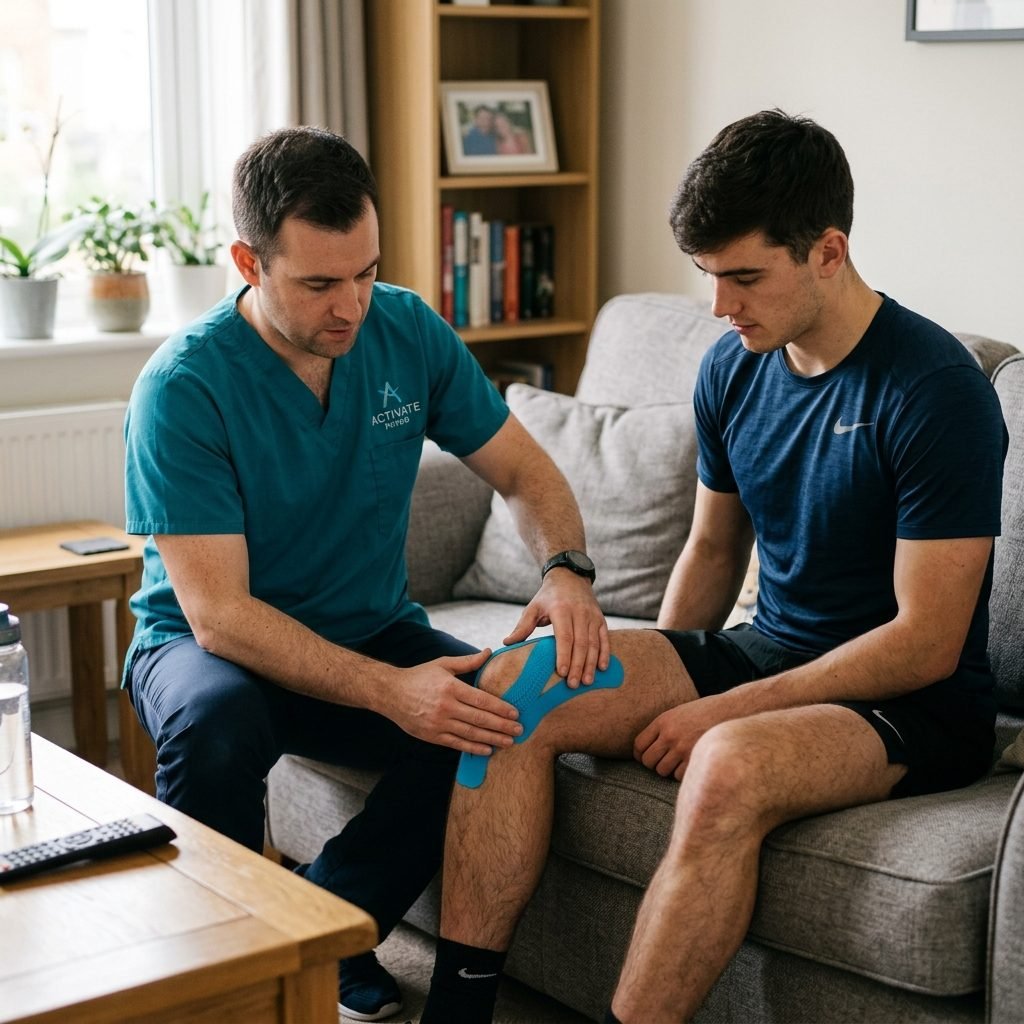
Early clinical intervention following a sports injury is essential to restrict tissue damage, accelerate the inflammatory cascade, and facilitate optimal collagen remodeling. At Bidayah Center, we combine comprehensive athletic assessments with evidence-based sports physiotherapy protocols. By providing specialized care directly in the patient's home, we prevent the development of compensatory movement patterns, restore dynamic muscle strength, eccentric-concentric balance, and high-velocity joint stability, ensuring a swift and safe return to competitive athletics.
Pathophysiology of Sports Injuries and Healing Mechanisms
Sports injuries differ significantly in their underlying pathophysiology based on the mechanism of onset, classification as acute traumatic events (e.g., ligament sprains, muscle strains, joint dislocations) or chronic overuse conditions (e.g., tendinopathies, stress fractures). Acute mechanical trauma causes immediate microvascular disruption and cellular damage, triggering the release of inflammatory chemical mediators such as prostaglandins, histamines, and cytokines.
The physiological healing of soft tissues follows three overlapping phases: acute inflammation, tissue proliferation (granulation tissue formation), and long-term collagen remodeling. During remodeling, weaker Type III collagen is systematically replaced by stronger Type I collagen, and controlled mechanical loading is critical to aligning these new fibers along the lines of functional stress.
Tendons have a limited blood supply compared to skeletal muscle, which explains their slow rate of healing and high susceptibility to degenerative tendinosis rather than simple inflammatory tendinitis under repetitive overload. Tendinosis involves a breakdown of the collagen matrix and non-functional neovascularization, requiring specific eccentric loading protocols to stimulate tenocytes to synthesize new extracellular matrix.
Incomplete or improper management of muscle strains can lead to the formation of dense, non-compliant fibrotic scar tissue, which possesses lower elasticity and tensile strength than the original muscle fibers. Early sports physical therapy helps direct muscle fiber alignment, minimizing excessive scar formation and preserving the muscle's capacity for concentric and eccentric power generation.
Clinical Assessment Protocols for Athletes
Assessing an injured athlete requires a comprehensive kinematic evaluation that goes beyond the local site of injury to examine the entire kinetic chain. The clinical evaluation begins with validated orthopedic special tests (e.g., Lachman and Pivot-Shift tests for ACL integrity, McMurray's test for meniscal lesions) to diagnose structural pathology.
Dynamic stability and neuromuscular control are quantified using the Y-Balance Test, which compares the injured and uninjured limbs to detect reach asymmetries that correlate with re-injury risk. Additionally, the Functional Movement Screen (FMS) is utilized to identify movement limitations, bilateral asymmetries, and faulty motor control during compound functional tasks.
Joint range of motion is measured using manual and digital goniometers, identifying specific capsular or non-capsular restrictions that may limit athletic movement, such as limited ankle dorsiflexion. Muscle strength profiling is performed to assess peak torque and identify imbalances between agonist and antagonist muscle groups, such as the hamstring-to-quadriceps ratio.
Biomechanical assessments also analyze gait and running mechanics to identify dysfunctions like Trendelenburg gait (pelvic drop) or dynamic knee valgus during landing. These detailed evaluations allow Bidayah specialists to identify the root biomechanical causes of the injury and construct a targeted, progressive rehabilitation program.
Phases of Sports Rehabilitation and Progression Criteria
Bidayah Center implements the modern POLICE protocol (Protection, Optimal Loading, Ice, Compression, Elevation) for acute injury management, moving away from prolonged rest. Early optimal mechanical loading stimulates cellular activity and collagen synthesis, preventing rapid muscle atrophy and joint stiffness while protecting the healing tissues from overload.
The intermediate phase of rehabilitation focuses on restoring pain-free range of motion and building foundational muscle strength through progressive resistance exercises. Isometrics are introduced first, transitioning to progressive concentric and eccentric strengthening to facilitate muscle fiber adaptation to various mechanical forces.
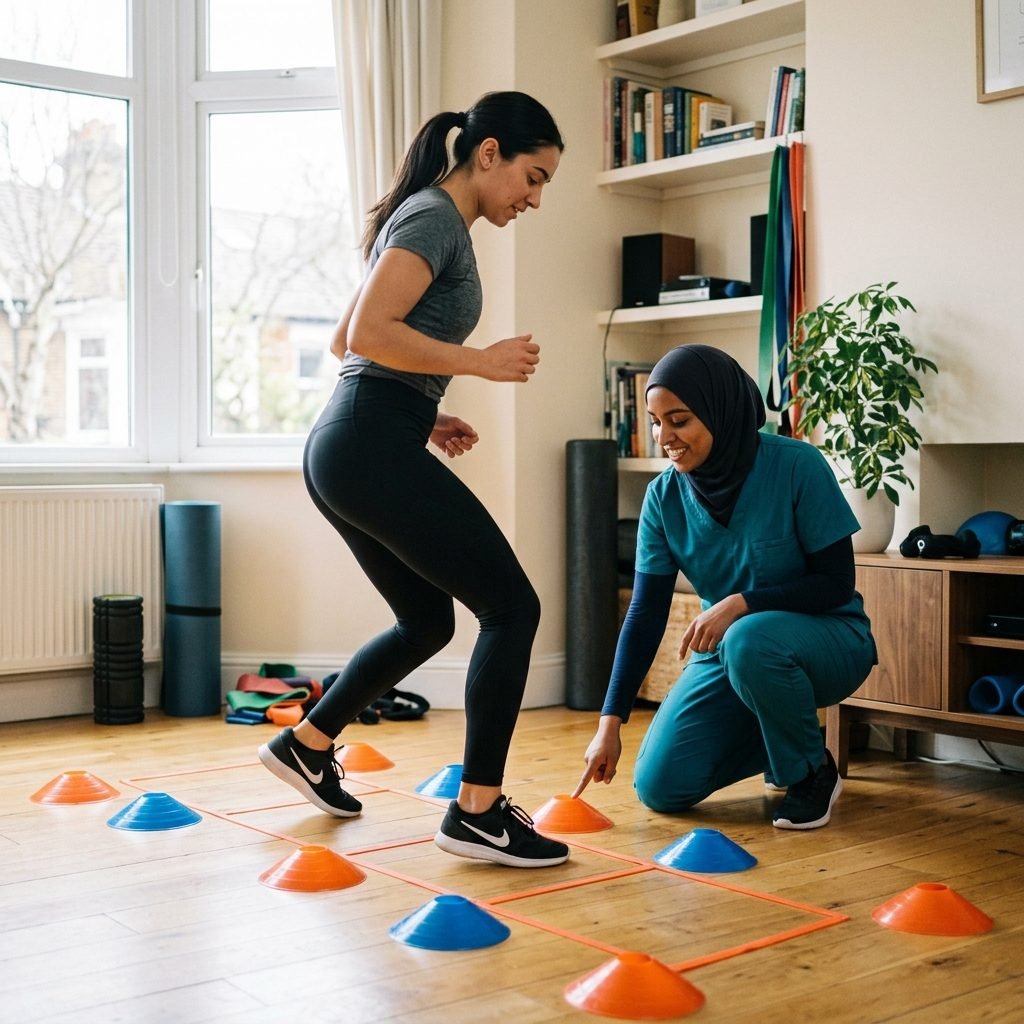
Rehabilitation then progresses to the advanced sports-specific functional phase, incorporating proprioceptive retraining, dynamic balance challenges, and plyometric drills. Plyometrics are essential to train the tissue's stretch-shortening cycle, enabling the athlete to absorb and generate high-velocity explosive forces required in sports.
Return to Play criteria are strictly objective, requiring the athlete to pass a battery of functional tests, demonstrating a Limb Symmetry Index (LSI) of 90% or greater in strength, hopping, and agility drills. This evidence-based progression ensures that the athlete only returns to competition when fully reconditioned, minimizing the risk of re-injury.
Advanced Therapeutic Modalities and Athletic Applications
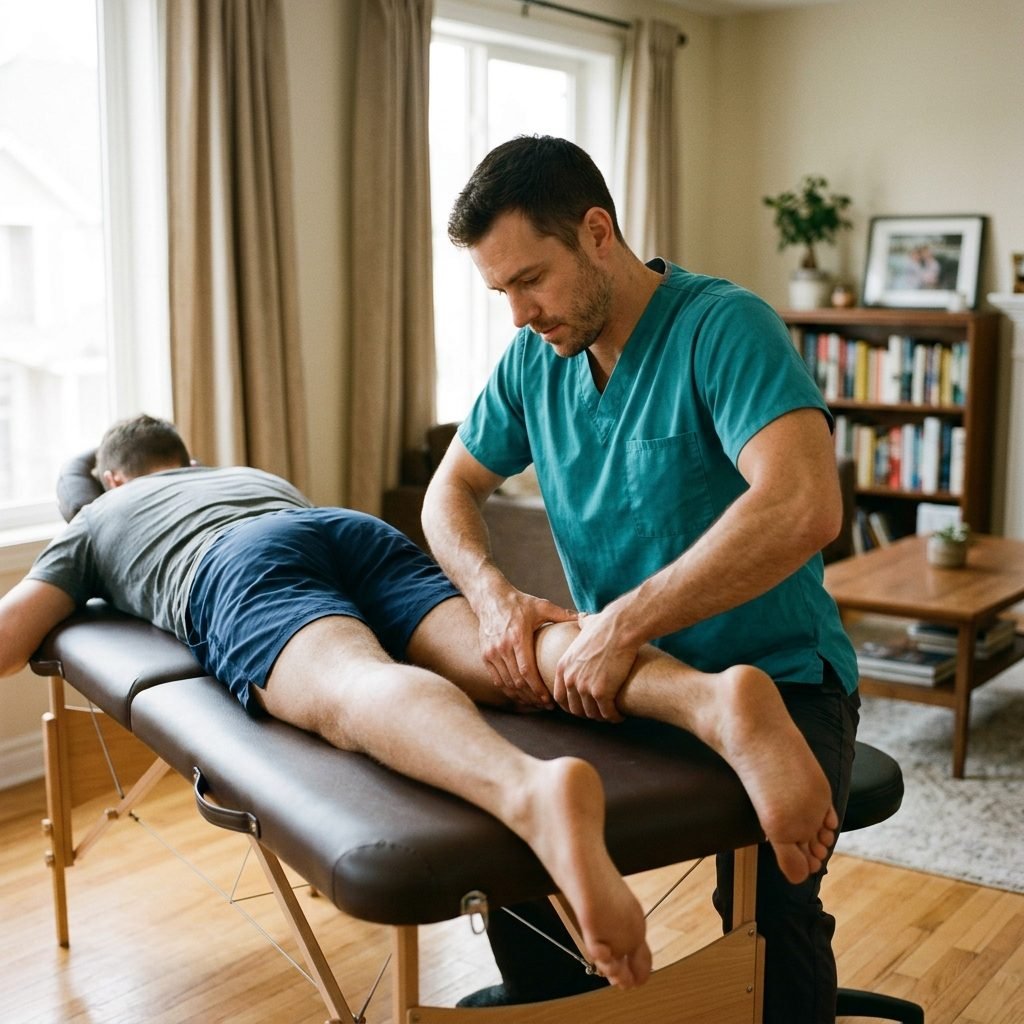
Advanced manual therapy techniques, including joint mobilizations and Instrument-Assisted Soft Tissue Mobilization (IASTM), are applied to reduce fascial restrictions and stimulate local vascularity. These hands-on interventions improve myofascial mobility, decrease muscle guarding, and alleviate localized pain.
Neuromuscular Electrical Stimulation (NMES) is utilized to combat arthrogenic muscle inhibition, maintaining motor unit recruitment and muscle mass during periods of restricted weight-bearing. Intermittent pneumatic compression devices are integrated to facilitate venous return and lymphatic clearance, accelerating the removal of metabolic waste post-rehabilitation.
Controlled eccentric training is a primary clinical intervention for chronic tendinopathies, as eccentric loading places high tension on the tendon-muscle unit, stimulating collagen synthesis and remodeling. These exercises are carefully structured to apply precise mechanical strain, promoting tendon healing and functional recovery.
Kinesiology taping is utilized to provide continuous tactile feedback to the skin, which enhances proprioception and reduces pain through sensory gating. The tape is applied using specific tension techniques to support dynamic joint stability without restricting the natural range of motion required for exercises.
Precautions and Prevention of Sports Re-injuries
Preventing injury recurrence requires constant monitoring of the tissue's tolerance to mechanical load, ensuring training loads do not exceed healing capacity. The athlete must remain free of sharp, acute pain during rehabilitation, allowing only mild, transient discomfort that resolves within 24 hours post-exercise.
Respecting biological tissue healing timelines is vital, as ligaments and tendons require months of collagen remodeling to regain sufficient tensile strength. Premature loading can compromise the biological fixation of surgical repairs, leading to joint instability, chronic inflammation, and early degenerative changes.
Correction of biomechanical movement errors is prioritized, particularly core instability and gluteal weakness, which often lead to compensations and excessive shear forces on distal joints like the knee. Developing a stable core and pelvis provides a solid foundation, protecting peripheral joints from injurious torsional forces.
Athletic equipment and footwear are evaluated to ensure proper biomechanical alignment and reduce unnecessary stress on the healing limb. Through these meticulous precautions, Bidayah physical therapists establish a safe training environment that preserves joint health and ensures long-term athletic durability.
Cardiovascular Reconditioning during Injury Rehab
Maintaining cardiovascular fitness during injury rehabilitation is a major clinical goal to prevent systemic detraining and ensure a smooth return to play. Bidayah physical therapists design low-impact aerobic conditioning programs that bypass the injured limb while maintaining the athlete's aerobic capacity.
Alternative training modalities include single-limb cycle ergometry, upper-body ergometry, and deep-water running (aqua jogging) once wound healing is complete. These aerobic activities maintain cardiac output and systemic circulation, which in turn supports localized tissue healing at the injury site.
Target heart rate zones and ratings of perceived exertion are monitored to keep the athlete in the desired metabolic training zone without inducing systemic fatigue. This comprehensive reconditioning reduces the overall time required for the athlete to regain peak match fitness once local tissue healing is complete.
Aerobic exercise also has positive psychological effects, reducing anxiety and depression scores associated with the athlete's temporary removal from training and competition. Integrating general and localized conditioning ensures a holistic, highly effective rehabilitation process.
Multi-disciplinary Clinical Collaboration in Sports
Successful sports rehabilitation requires ongoing communication between the physical therapist, sports physician, orthopedic surgeon, and the athlete's coaching staff. At Bidayah Center, we provide objective, data-driven progress reports detailing range of motion, force output, and functional movement metrics.
This collaborative model allows for shared decision-making regarding training load progressions, participation in team drills, and final clearance for competition. It ensures that the home-based rehabilitation plan is aligned with the overall medical and training goals, preventing conflicting physical demands.
For post-surgical athletes, the therapist strictly adheres to the surgeon's rehabilitation protocol while providing real-time feedback on wound healing and joint reaction. This clinical integration protects surgical constructs (e.g., ligament grafts, labral repairs) from premature mechanical stress.
The athlete is an active participant in this multi-disciplinary team, with the therapist explaining the goals and criteria of each phase clearly. This educational approach improves compliance with the home program, reduces anxiety, and builds trust in the rehabilitation process.
Long-Term Physical Maintenance and Athlete Education
The role of sports physical therapy extends beyond the resolution of the acute injury, focusing on long-term physical maintenance and injury prevention. We educate athletes on evidence-based injury prevention programs (e.g., the FIFA 11+ program) that enhance neuromuscular coordination and joint control.
Athletes are trained in self-mobilization techniques, recovery protocols (such as foam rolling and targeted mobility work), and active recovery strategies. We teach athletes to understand their own biomechanics, helping them recognize early signs of fatigue or tendon overload for proactive self-management.
Guidance is provided on periodization, balancing high-intensity training sessions with adequate rest periods to allow for physiological tissue recovery and adaptation. This preventative mindset prolongs the athlete's career and maintains consistent, pain-free performance at their highest level of competition.
Periodic follow-up assessments are scheduled to screen for emerging movement dysfunctions or muscle imbalances that may develop during intensive training. This proactive surveillance ensures the athlete maintains optimal movement quality and continues to perform safely and effectively.
Unified Home Physical Therapy Standards & Geographical Coverage
Bidayah Center delivers highly structured home rehabilitation and clinical conditioning across all served territories, including Jeddah, Makkah, and Qatif districts. We deploy licensed physical therapists directly to your home, ensuring that you receive the same standards of care, specialized portable modalities, and treatment protocols as premier inpatient facilities.
Our medical coordinators screen each referral and coordinate field operations using regional dispatch networks to ensure prompt scheduling and strict adherence to appointment times. We maintain active communication channels with orthopedic surgeons and neurologists at major local hospitals to coordinate care.
While this generic page outlines the core clinical details of this service, we invite you to choose your specific city page. Doing so allows you to explore local neighborhood guidelines, read region-specific FAQs, and coordinate with male or female physical therapists according to the clinical needs of your family.
📚Clinically Verified Sources & References
- [MOH-01]Guide to Home Healthcare Services — Saudi Ministry of Health (2023). View Scientific Source
- [WHO-01]Rehabilitation for stroke patients — World Health Organization (2022). View Scientific Source