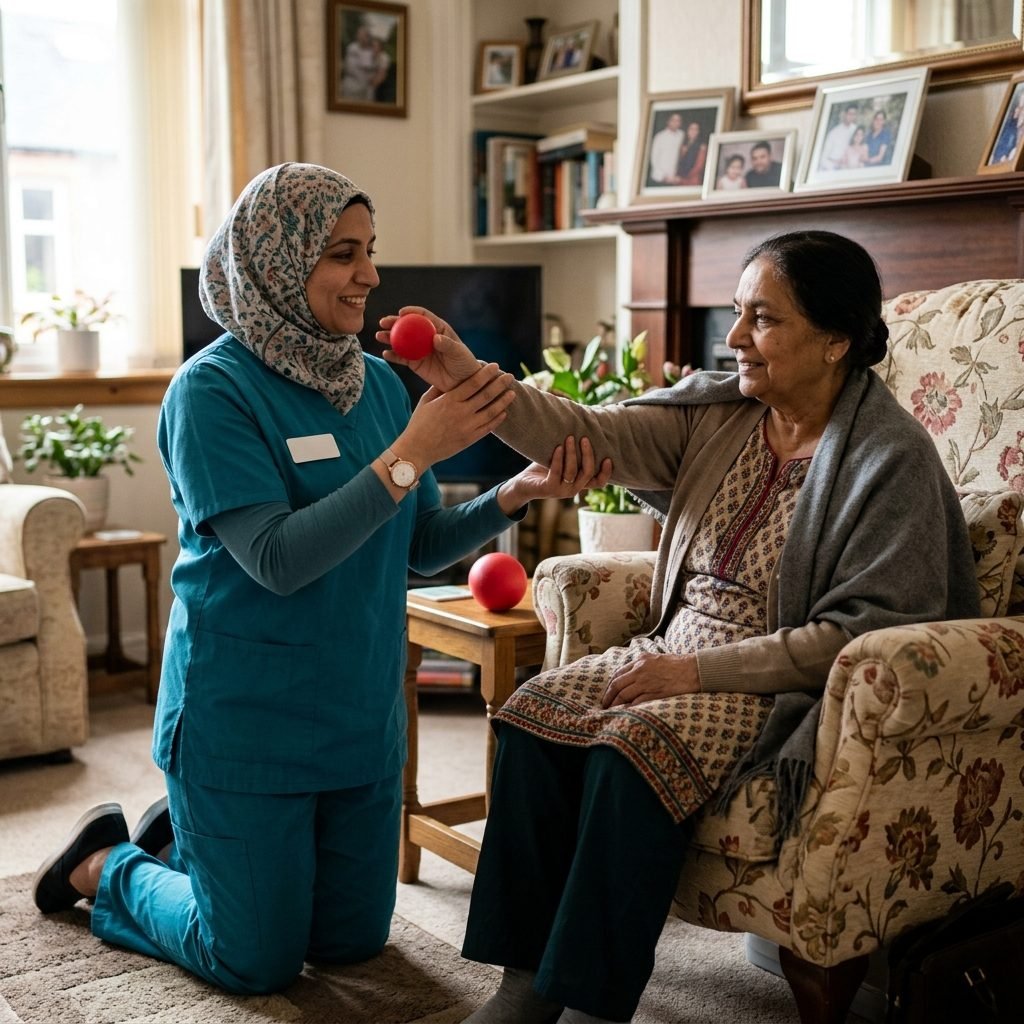
Having access to comprehensive, clinical physical therapy at home is crucial for maintaining rehabilitation progress, especially in busy neighborhoods. Al-Safa and Al Andalus districts in Jeddah present unique local mobility challenges due to high population density and traffic. At Bidaya Center, we deliver high-quality home physiotherapy and movement rehabilitation services directly to your doorstep, conforming to the clinical guidelines of the Saudi Commission for Health Specialties. We eliminate the stress of travel, traffic, and parking. We respect cultural privacy by providing certified male therapists for male patients and female therapists for female patients.
Our clinical approach in Al Andalus starts with a detailed physical and environmental safety assessment to eliminate fall hazards in the home. We bring all necessary portable, sterilized equipment to deliver a clinical standard of care comparable to external clinics. The therapist establishes a tailored milestone tracking plan to monitor muscle strength, balance, and joint range of motion (ROM) progression over time.
Why families in Al Andalus choose Bidaya for home physiotherapy
- ✅ Licensed male & female therapists — full privacy, in your own home in Al Andalus.
- ✅ Fully in-home visits across Al Andalus — no travel or traffic.
- ✅ A personalized rehab plan built after a thorough in-home assessment.
- ✅ Continuous follow-up and direct contact with your therapist throughout.
- ✅ Fast response — arrange your visit by a quick call or WhatsApp message.
We also serve nearby areas: Al Basateen · Al Bawadi · Al Fayha
* The treatment plan and expected outcomes are determined by a medical and functional assessment of each individual case.
Home-Based MS Physiotherapy and Why It Matters for Al Andalus Residents
Multiple sclerosis is a chronic neurological condition affecting the central nervous system, disrupting the signals that govern movement, balance, and sensation to a degree that varies widely from one person to another. This is precisely where specialized physiotherapy for multiple sclerosis becomes a cornerstone of care: it helps preserve motor function, slows its decline where possible, and supports everyday quality of life. When this care is delivered inside the patient's own home, it spares them the repeated travel that so often deepens fatigue, one of the most burdensome symptoms of this condition.
At Bidaya Center, we provide home physiotherapy for residents of the Al Andalus neighborhood in Jeddah, mindful of the district's calm residential character and its busy daily rhythm. Families living with a loved one who has MS frequently struggle to arrange regular clinic visits, especially when energy fluctuates and heat takes its toll. Having the therapist arrive at the door means the session is built around the patient's real environment: their bed, their stairs, their bathroom, and the hallways where movement actually happens each day.
Our approach rests on the idea that rehabilitation is never random exercise but a considered plan that begins with a careful clinical and functional assessment and is adjusted continually according to how the body responds at each stage. We are committed to care that is safe, comfortable, and private, with licensed male and female therapists available to guarantee full privacy and respect each family's preference.
Symptoms and Signs That Signal It Is Time to Begin
There is no need to wait for symptoms to worsen before starting rehabilitation; early, consistent intervention often helps preserve abilities for longer. Signs that a physiotherapy program may be valuable include:
- Weakness or heaviness in a leg or arm that makes walking or carrying objects harder than usual.
- Disturbed balance or a recurring sense of unsteadiness when standing or changing direction.
- Muscle spasticity or stiffness, especially in the lower limbs, that worsens in the morning or after long sitting.
- Severe fatigue out of proportion to the effort spent, limiting everyday activities.
- Numbness, tingling, or a pins-and-needles feeling that dulls sensation underfoot.
- Reduced fine motor control in the fingers, affecting writing, buttons, or gripping utensils.
- A decline in the distance that once felt manageable to walk, or a growing need for support.
Having one or more of these signs does not dictate a fixed course for the condition, but it is an invitation to be assessed. The period after a relapse is likewise one of the most important windows in which guided rehabilitation can help recover as much safe function as possible.
Conditions and Groups Who Benefit
Multiple sclerosis varies greatly between individuals, and so do those who benefit from home care. Among the groups we most often support are:
- People recently diagnosed who want to build a sound movement foundation and safe exercise habits from the outset.
- Those with a relapsing-remitting pattern who need focused rehabilitation after each relapse.
- Those who have reached progressive stages and need a program to preserve range of movement and prevent complications.
- People who rely on aids such as a cane or walker and wish to improve the safety and quality of their gait.
- Older adults with MS for whom repeated travel to clinics is difficult.
- Those living with chronic spasticity who need regular stretching and therapeutic positioning.
- Anyone striving to keep their independence at home and perform daily tasks with as little help as possible.
We emphasize that the extent of benefit and the shape of the program depend on an individual assessment, since every case carries its own context and goals. We make no promises of guaranteed results; instead we offer a realistic plan that can be measured and adjusted over time.
Goals of the Rehabilitation Program
The program is built around practical goals tied to the patient's daily life at home and in their neighborhood, not around abstract numbers. The objectives we typically work toward include:
- Improving balance and stability to reduce the risk of falls at home and while moving about.
- Building muscle strength and endurance gradually, respecting fatigue rather than draining energy.
- Managing spasticity and stiffness through stretching and therapeutic positioning for easier, more comfortable movement.
- Preserving joint range of motion and preventing contractures and the complications of reduced activity.
- Refining the gait pattern and the safe use of mobility aids where they are needed.
- Managing energy and fatigue by teaching ways to pace effort across the day.
- Strengthening independence in daily activities such as transferring from bed, standing, and sitting.
These goals are shaped together with the patient and family, translated into small achievable steps, and reviewed regularly to measure progress and recalibrate the path when needed.
Stages and Flow of the Home Sessions
We follow a structured path so that every session is a building block within a wider plan rather than an isolated event:
- Initial assessment: a visit in which the therapist evaluates strength, balance, range of motion, spasticity, and gait, listens to the priorities of patient and family, and reviews the home environment.
- Planning: setting realistic goals, a session schedule, and a mix of exercises suited to the patient's condition and energy.
- Therapy sessions: carrying out balance, strengthening, stretching, and gait work, with intensity adjusted to the response and the level of fatigue on the day.
- Home exercises: a simple program the patient performs between sessions under family supervision to consolidate gains.
- Periodic review: regular reassessment to measure progress and update goals and exercises in light of any change.
Each session takes account of how the patient is that particular day; we may ease the intensity on a day of heavy fatigue or heat and increase it when energy is better. This flexible discipline is what makes home rehabilitation both effective and safe over the long term.
The Role of the Family and Caregiver
The family is an essential partner in the program's success. The therapist visits for only a few hours a week, while the patient spends the rest of their time among the household. That is why we take care to train the caregiver in:
- Assisting safely with transfers from bed to chair and during standing and sitting, without strain on either person.
- Supervising the home exercises and encouraging the patient to perform them regularly and without overexertion.
- Noticing any change in symptoms or signs of excessive fatigue and reporting them to the therapist.
- Creating a psychologically supportive atmosphere that protects the patient's morale and independence as much as possible.
- Organizing the daily routine to balance activity, rest, and energy management.
We believe that equipping the family with knowledge and skill multiplies the impact of the sessions and turns the home into a supportive therapeutic environment throughout the week. We keep communication with the family clear and continuous, while respecting their privacy and their choice of therapist's gender.
Home Safety and Prevention Tips
Preparing the home properly reduces risks and supports the patient's independence. We advise residents of Al Andalus to keep the following in mind:
- Keep hallways free of loose wires, sliding rugs, and obstacles that could cause a trip.
- Provide adequate lighting, especially in corridors, between rooms, and on stairs.
- Fit secure grab bars where needed in the bathroom, near the toilet, and in standing areas.
- Wear supportive, non-slip footwear indoors rather than walking barefoot on smooth floors.
- Avoid very hot conditions that can worsen fatigue, and maintain good hydration.
- Spread activities across the day with regular rest breaks to avoid draining energy all at once.
- Stick to the recommended exercise dose without overdoing it, which can cause rebound fatigue.
Applied consistently, these simple measures make a tangible difference to daily safety and lower the chances of falls and complications.
Frequently Asked Questions (FAQ)
Can physiotherapy cure multiple sclerosis completely?
No physiotherapy can cure the condition completely, as MS is chronic. Regular rehabilitation, however, helps preserve motor function, manage symptoms, and improve quality of life. Expected outcomes depend on a clinical and functional assessment of each individual case.
How many sessions will I need each week?
The number varies from person to person depending on symptom severity, goals, and the stage of the condition. The program is set after the initial assessment and adjusted over time according to progress and response; there is no single figure that suits everyone.
Are female therapists available for female patients at home?
Yes. We have both licensed male and female therapists, and the family can choose the therapist's gender to ensure full privacy and comfort within the home.
Are home sessions safe given the fatigue that comes with MS?
Yes. Exercises are designed at a graded intensity that respects the energy level of each day, and the load is eased on harder days. The aim is to stimulate the body without draining it, and the therapist monitors the response throughout.
Do you cover Al Andalus and the surrounding areas in Jeddah?
Yes, we provide home physiotherapy for residents of Al Andalus and its neighboring districts in Jeddah. You are welcome to contact us to confirm coverage and arrange the first visit.
To book a home visit or to ask about the multiple sclerosis physiotherapy program in Al Andalus, Jeddah, contact Bidaya Center by phone or WhatsApp by clicking Call Now. Our team will be glad to help you and arrange your first assessment at a time that suits you.
Important Home Visit Details:
- ✓Setup: Please clear a 2x2m space in the room for safety.
- ✓Clothing: Wear loose, comfortable clothes for easy movement.
- ✓Therapist Parity: Male therapists for males, females for females.
- ✓Medical Reports: Keep your MRI or doctor reports ready for evaluation.
Rehabilitation & Services in Al Andalus
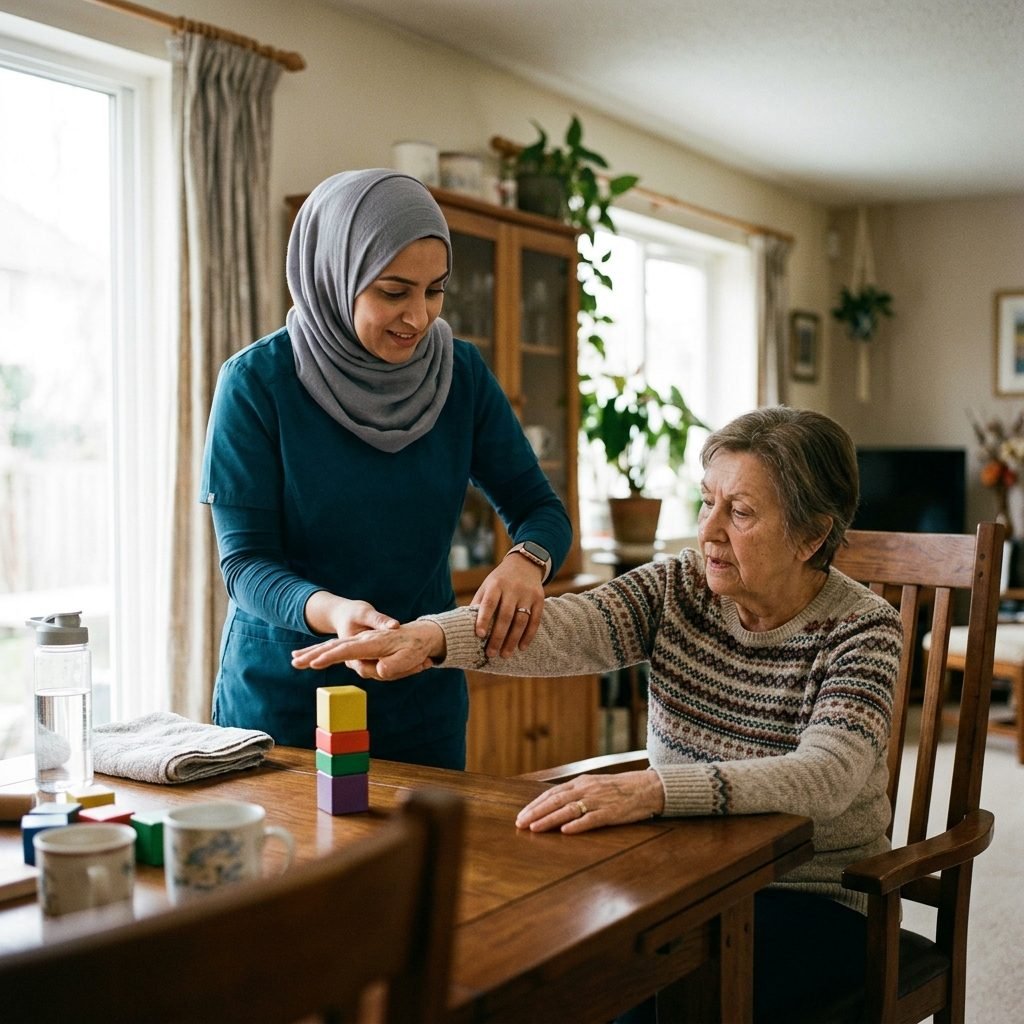
Stroke Rehabilitation
Advanced motor and neurological stroke recovery at home in Al Andalus.
Service Details ←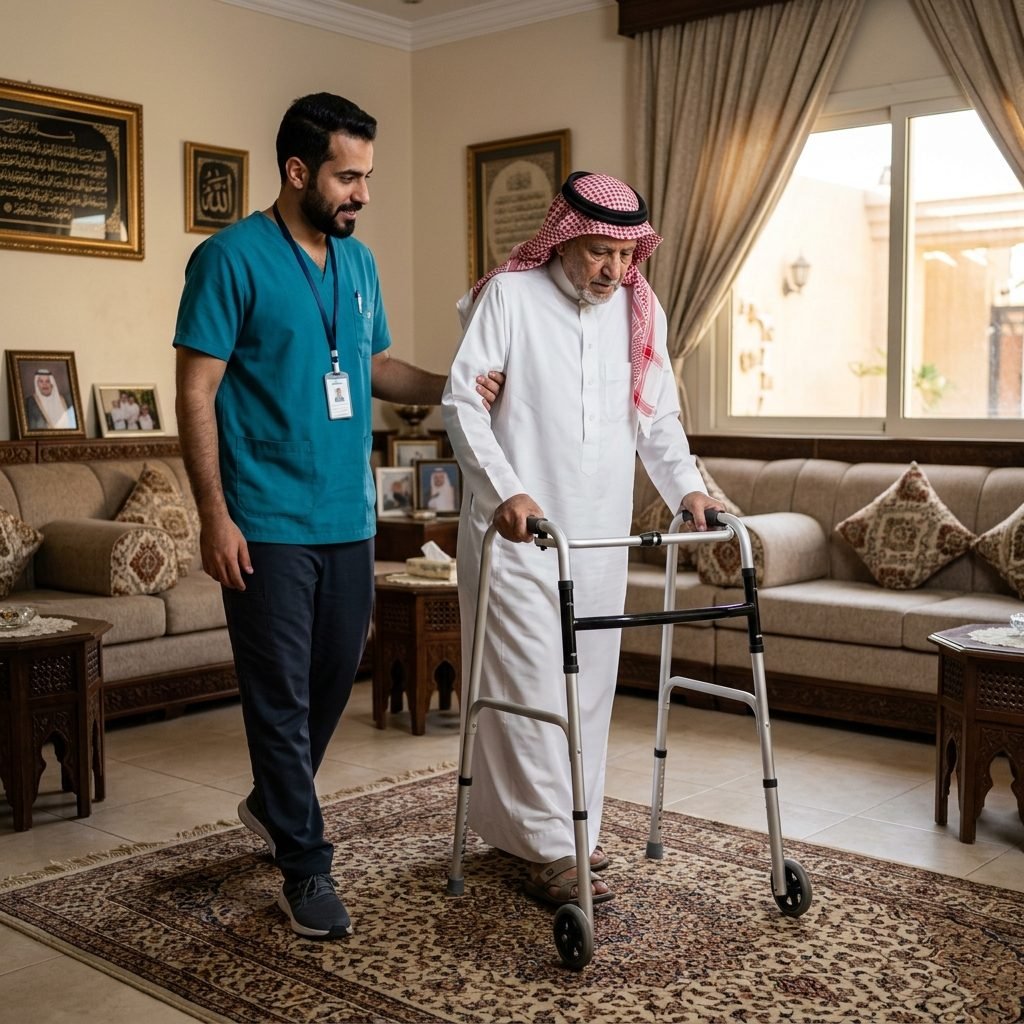
Geriatric Physical Therapy
Balance training, strengthening, and fall prevention for seniors in Al Andalus.
Service Details ←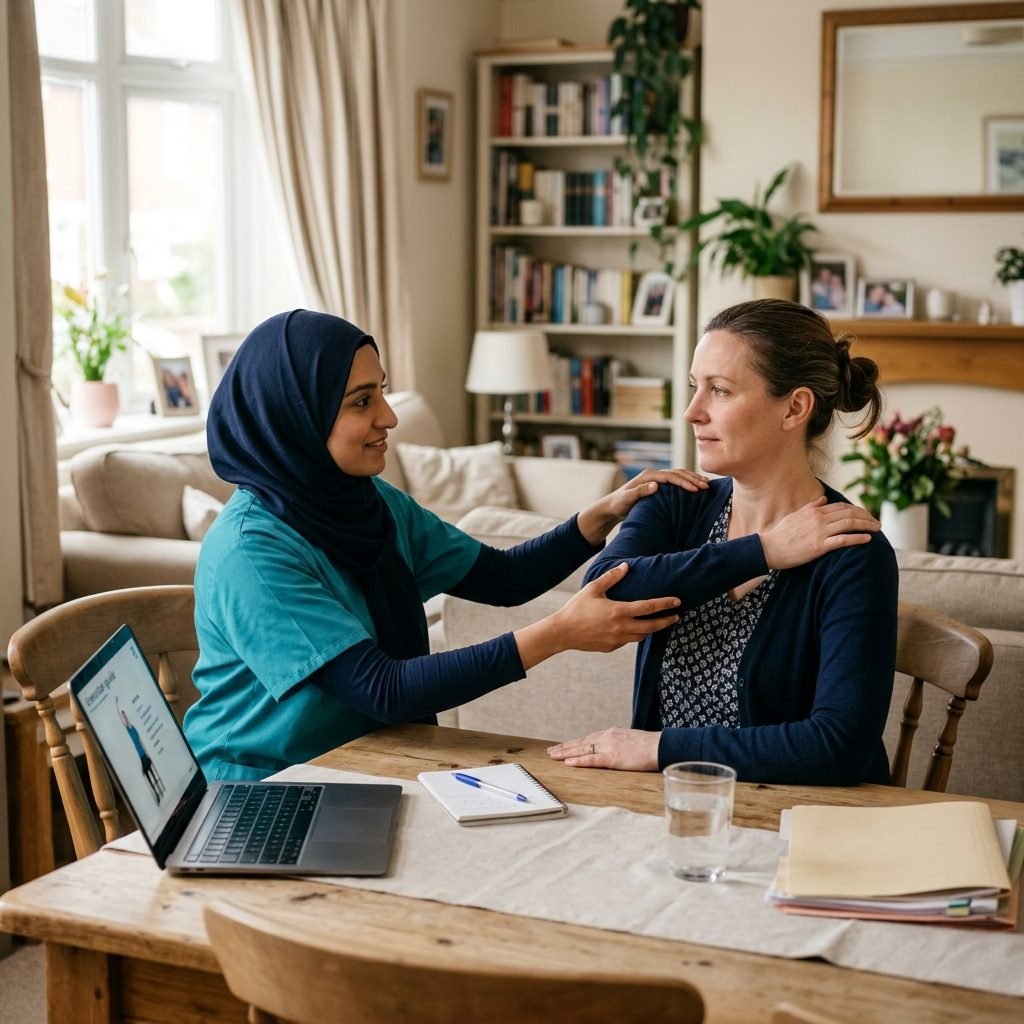
Female Physiotherapist
Licensed female therapists providing home care for women in Al Andalus.
Service Details ←