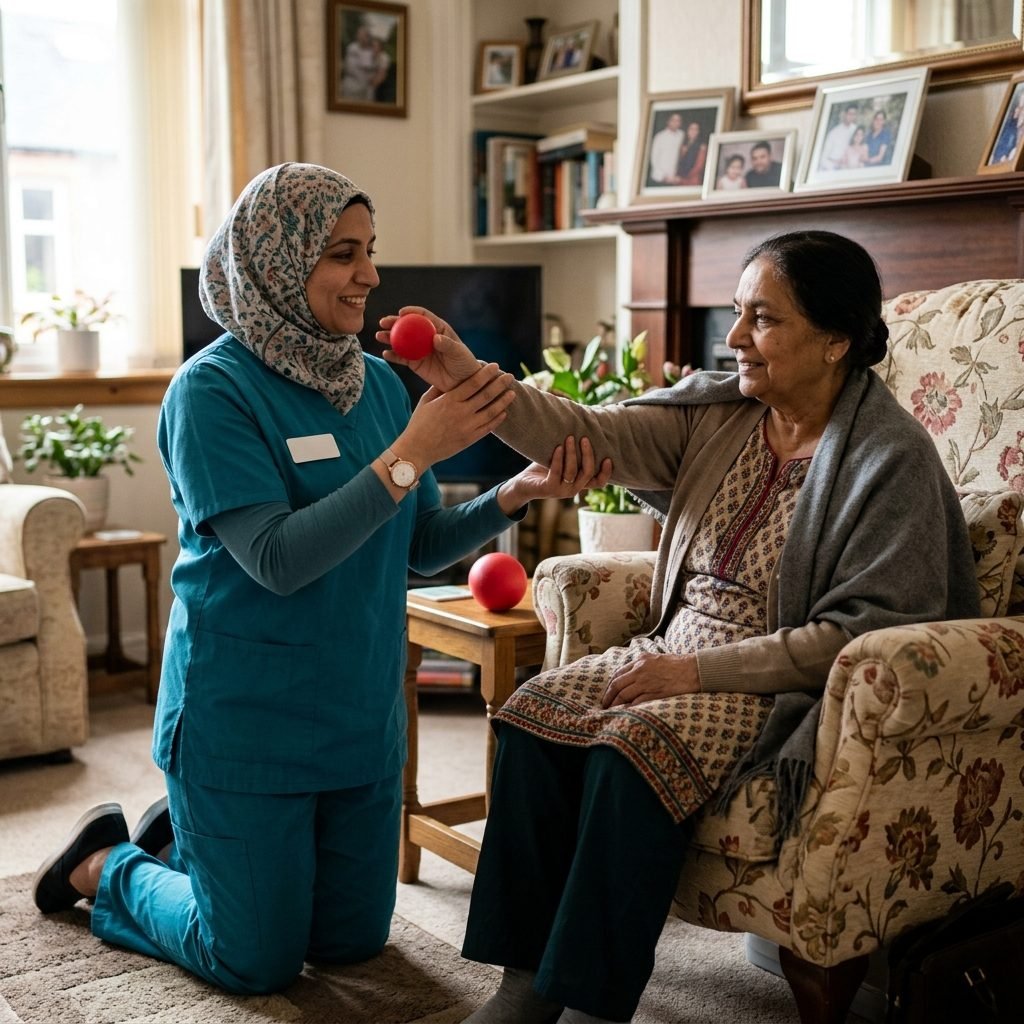
Having access to comprehensive, clinical physical therapy at home is crucial for maintaining rehabilitation progress, especially in busy neighborhoods. Al-Safa and Al Fayha districts in Jeddah present unique local mobility challenges due to high population density and traffic. At Bidaya Center, we deliver high-quality home physiotherapy and movement rehabilitation services directly to your doorstep, conforming to the clinical guidelines of the Saudi Commission for Health Specialties. We eliminate the stress of travel, traffic, and parking. We respect cultural privacy by providing certified male therapists for male patients and female therapists for female patients.
Our clinical approach in Al Fayha starts with a detailed physical and environmental safety assessment to eliminate fall hazards in the home. We bring all necessary portable, sterilized equipment to deliver a clinical standard of care comparable to external clinics. The therapist establishes a tailored milestone tracking plan to monitor muscle strength, balance, and joint range of motion (ROM) progression over time.
Why families in Al Fayha choose Bidaya for home physiotherapy
- ✅ Licensed male & female therapists — full privacy, in your own home in Al Fayha.
- ✅ Fully in-home visits across Al Fayha — no travel or traffic.
- ✅ A personalized rehab plan built after a thorough in-home assessment.
- ✅ Continuous follow-up and direct contact with your therapist throughout.
- ✅ Fast response — arrange your visit by a quick call or WhatsApp message.
We also serve nearby areas: Al Andalus · Al Basateen · Al Bawadi
* The treatment plan and expected outcomes are determined by a medical and functional assessment of each individual case.
Home-Based Multiple Sclerosis Physiotherapy and Why It Matters for Al Fayha Residents
Multiple sclerosis is a chronic neurological condition that disrupts how signals travel between the brain, spinal cord, and the rest of the body. Its picture varies enormously from one person to another: one patient struggles with leg weakness and unsteady balance, another with overwhelming fatigue, numbness, or difficulty controlling fine hand movement. Because of this variability, there is no single protocol that fits everyone. Instead, an effective plan is built on a careful assessment of each individual's functional abilities. Home-based physiotherapy for multiple sclerosis means a licensed therapist comes to your home in Al Fayha, evaluates what you can and cannot do, and designs exercises that target your specific movement and balance challenges within the very environment you live in every day.
For residents of Al Fayha, the value of home sessions becomes clear when you consider the quiet residential character of the district and the distances that a trip to a clinic can involve. People with MS are often sensitive to heat and to the exertion of travel, and exposure to Jeddah's warmth can temporarily worsen symptoms before a session even begins. When the therapist comes to you, the session starts while your energy is at its best, and the training is performed on your real floor, your actual stairs, and your own narrow hallways. That makes every exercise realistic and immediately applicable the moment the session ends. This direct link between the exercise and daily surroundings is what gives home rehabilitation its true worth in a chronic condition that demands long-term consistency and commitment.
Symptoms and Signs That Signal It Is Time to Begin
Many people with MS postpone rehabilitation while waiting for spontaneous improvement, yet early and consistent intervention helps preserve functional ability and reduce the long-term impact of relapses. Signs that indicate it is time to reach out and start a home physiotherapy program include:
- Weakness or heaviness in one or both legs affecting walking or standing for a while.
- Disturbed balance and a sense of instability, or repeated stumbling and bumping into furniture at home.
- Muscle spasticity or stiffness that worsens in the morning or after prolonged sitting.
- Numbness, tingling, or altered sensation in the limbs that interferes with grip or writing.
- Severe, recurring fatigue that drains your energy by mid-day and limits your activity.
- Dizziness or problems with coordination and precision when using the hands.
- Weak trunk muscles and changes in posture while sitting or walking.
- A decline in tasks you once managed easily, such as climbing stairs or rising from a chair.
The appearance of any of these signs, especially after an active relapse or during a stable phase, is an indication that your body needs targeted training. Starting early does not mean the condition is advanced; it is an investment in preserving your independence.
Conditions and Groups That Benefit
The program is designed to serve the different presentations of multiple sclerosis, with goals adapted to symptom severity and disease stage. Among those who benefit most:
- People with the relapsing-remitting type who want to recover after a relapse and regain lost movement.
- Those with a progressive course who need a program that slows functional decline and preserves range of motion.
- Patients with clear walking difficulty, or who use a cane or walker, who want a safer, more efficient gait.
- Individuals with painful muscle spasticity who need regular stretching and neuromuscular control exercises.
- People coping with chronic fatigue who need to learn energy management and how to pace effort across the day.
- Those with balance problems and a high risk of falling at home who need safe stability training.
- Older adults with MS for whom frequent travel to clinics is difficult.
- Those emerging from a period of acute deterioration who need gradual rebuilding of strength and steadiness.
Both male and female licensed therapists are available, so every patient can choose what suits their comfort while full privacy is guaranteed inside the home. Whether a case is suitable and which plan fits it are determined only after the initial clinical and functional assessment, and no fixed outcomes are promised before that evaluation.
Goals of the Rehabilitation Program
Every program's goals are shaped in partnership between the therapist and the patient. They are realistic, measurable, and tied to the patient's daily life inside their Al Fayha home. Common overall goals include:
- Improving gait and steadiness and reducing the risk of falls when moving indoors and outdoors.
- Strengthening weakened muscles while preserving healthy ones without overexerting them.
- Reducing spasticity and stiffness through a regular program of stretching and movement control.
- Enhancing balance, coordination, and the ability to perform precise tasks with the hands.
- Teaching fatigue-management and energy-pacing strategies to keep activity going as long as possible.
- Boosting independence in daily activities such as standing, sitting, bathing, and dressing.
- Maintaining joint range of motion and preventing contractures and the complications of inactivity.
- Supporting emotional wellbeing through tangible gains that restore confidence in the body.
Progress is reviewed regularly and goals are adjusted according to how the body responds. MS is a changing condition, and a flexible program that responds to those changes is the most successful over the long term.
Stages and Pathway of the Home Sessions
The program follows an organized pathway that begins with understanding before training and evolves gradually to suit each patient:
- Initial assessment: a visit in which the therapist evaluates muscle strength, balance, gait, range of motion, and the degree of fatigue and spasticity, while reviewing medical reports and understanding your personal goals.
- Building the plan: an individual plan with short- and long-term goals is created, and a session frequency is set to match your energy without overwhelming you.
- Foundation stage: gentle exercises that build a movement base, improve body awareness, and develop postural control, with care taken not to raise body temperature in a way that aggravates symptoms.
- Building stage: a gradual increase in balance work, muscle strengthening, and gait training, introducing simple tools already available at home.
- Functional stage: transferring gains to real tasks such as climbing stairs, rising from the sofa, moving through hallways, and carrying items safely.
- Follow-up and maintenance: periodic sessions to consolidate gains and adjust the program as the condition changes, plus a home program you perform between visits.
Sessions are run on the principle of avoiding excessive fatigue; the success of an MS session is not measured by how tired you feel, but by quality, control, and safety. The therapist watches for signs of exhaustion and distributes effort wisely so progress stays sustainable.
The Role of the Family and Caregiver
The family is an essential partner in the success of MS rehabilitation, especially in a chronic condition that needs daily support between visits. Having a family member take part in a session helps them understand the nature of the condition and learn the correct way to help, without overdoing it in a way that erodes independence or falling short in a way that puts the patient at risk.
- Learning how to safely assist during walking and standing without suddenly pulling on the limbs.
- Reminding the patient to perform their home program and encouraging them without pressure or discouragement.
- Noticing changes in symptoms or signs of a new relapse and informing the medical team.
- Scheduling exercise during the patient's active periods and avoiding times of heat and fatigue.
- Helping organize the home environment to reduce fall hazards.
- Offering emotional support and patience through the natural fluctuations of this disease.
The therapist guides the caregiver with clear, practical instructions, turning them from an anxious observer into a confident partner in the rehabilitation journey. This role makes a genuine difference in keeping progress continuous between sessions.
Home Safety and Prevention Tips
A safe home environment reduces risk and supports training. With MS patients in particular, the body's sensitivity to heat and exertion must be respected. Key tips include:
- Keep hallways clear of obstacles, cables, and slippery rugs to reduce the risk of tripping.
- Ensure adequate lighting in corridors, on the stairs, and in the bathroom to prevent losing balance in the dark.
- Wear supportive, non-slip footwear indoors instead of walking barefoot or in loose slippers.
- Exercise during the cooler parts of the day, with good ventilation and adequate hydration, to lessen the effect of heat on symptoms.
- Do not ignore signs of fatigue; rest before reaching full exhaustion and spread your tasks across the day.
- Install a grab bar or handle near frequent standing points, such as the bathroom and the edge of the bed, when needed.
- Ease into movement gradually in the morning to loosen stiffness before essential tasks.
- Avoid performing new or strenuous exercises alone without consulting the therapist.
These measures do not replace the treatment plan, but they protect your gains and reduce the likelihood of accidents that could set back your progress.
Frequently Asked Questions (FAQ)
Can physiotherapy cure multiple sclerosis completely?
Physiotherapy does not cure the disease itself; MS is a chronic condition that is managed medically. However, it improves functional abilities, reduces the impact of symptoms on your life, and preserves your independence as much as possible. The expected results for each case are determined after the clinical and functional assessment, and we do not promise fixed outcomes before then.
Could exercise make my symptoms worse because of exertion and heat?
When the program is properly designed, signs of exhaustion are monitored, effort is paced, and rises in body temperature are avoided, exercise is safe and beneficial. The therapist continually adjusts intensity so training stays within your energy limits without harmful strain.
How many sessions will I need?
The number varies with symptom severity, your goals, the disease pattern, and how your body responds. An initial frequency is set after the first assessment and reviewed regularly, and you are taught a home program that reinforces progress between visits.
Are female therapists available to treat female patients at home?
Yes. Both male and female licensed therapists are available, and you can choose whoever suits you, with full privacy guaranteed inside your home in Al Fayha.
Do I need a medical referral or reports before starting sessions?
Providing any available reports, tests, or medical images is preferred because they help make the assessment more accurate, but we can begin with the functional evaluation and coordinate with your treating physician when needed to ensure integrated care.
To book or ask about home-based multiple sclerosis physiotherapy in the Al Fayha district of Jeddah, contact us now by phone or WhatsApp by clicking Call Now, and a qualified therapist will reach you and begin a plan designed specifically for your case.
Important Home Visit Details:
- ✓Setup: Please clear a 2x2m space in the room for safety.
- ✓Clothing: Wear loose, comfortable clothes for easy movement.
- ✓Therapist Parity: Male therapists for males, females for females.
- ✓Medical Reports: Keep your MRI or doctor reports ready for evaluation.
Rehabilitation & Services in Al Fayha
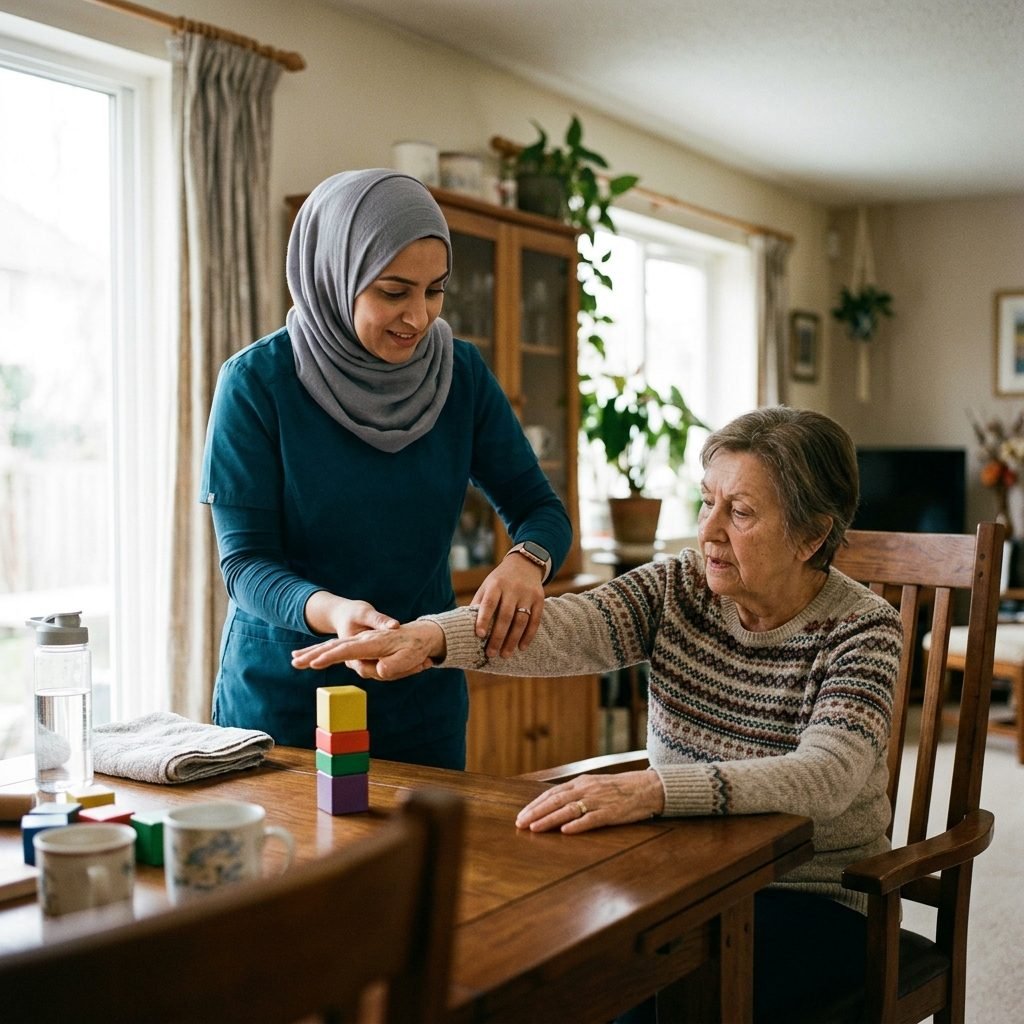
Stroke Rehabilitation
Advanced motor and neurological stroke recovery at home in Al Fayha.
Service Details ←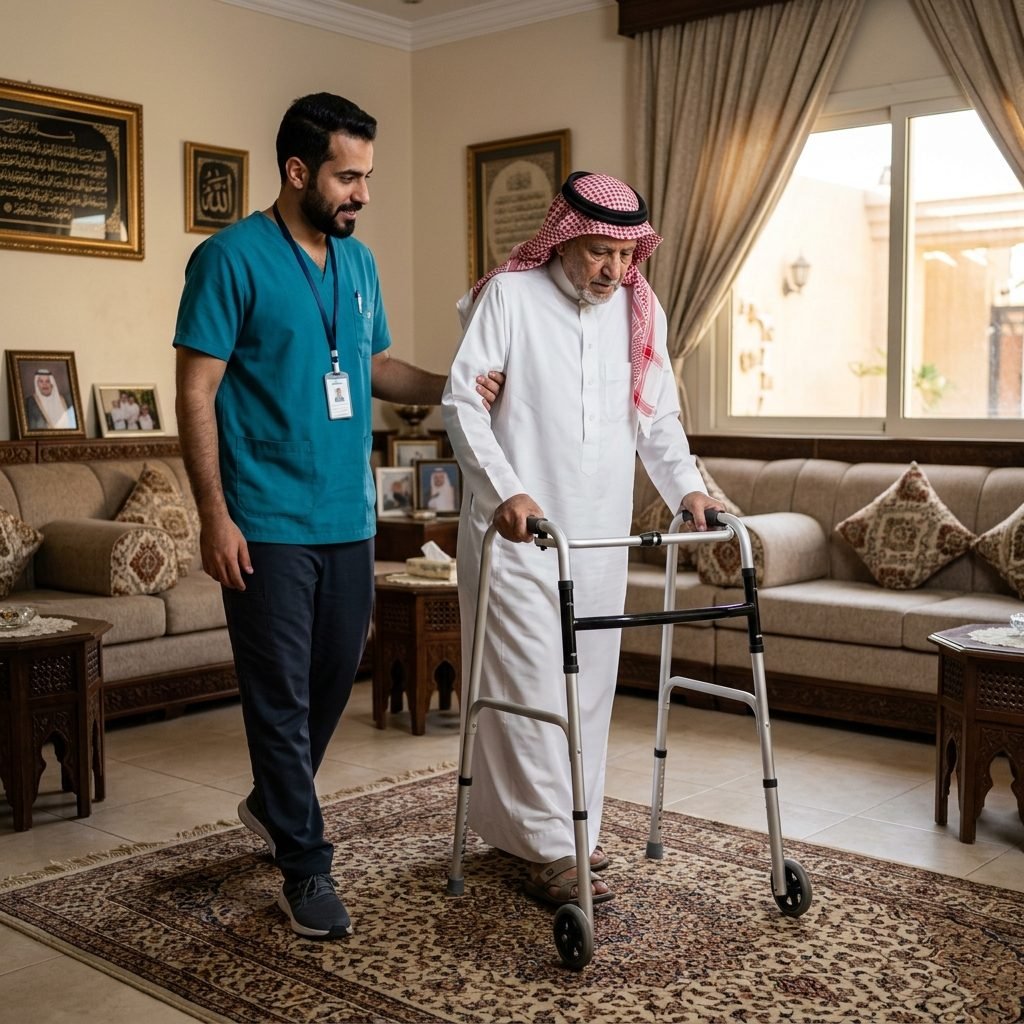
Geriatric Physical Therapy
Balance training, strengthening, and fall prevention for seniors in Al Fayha.
Service Details ←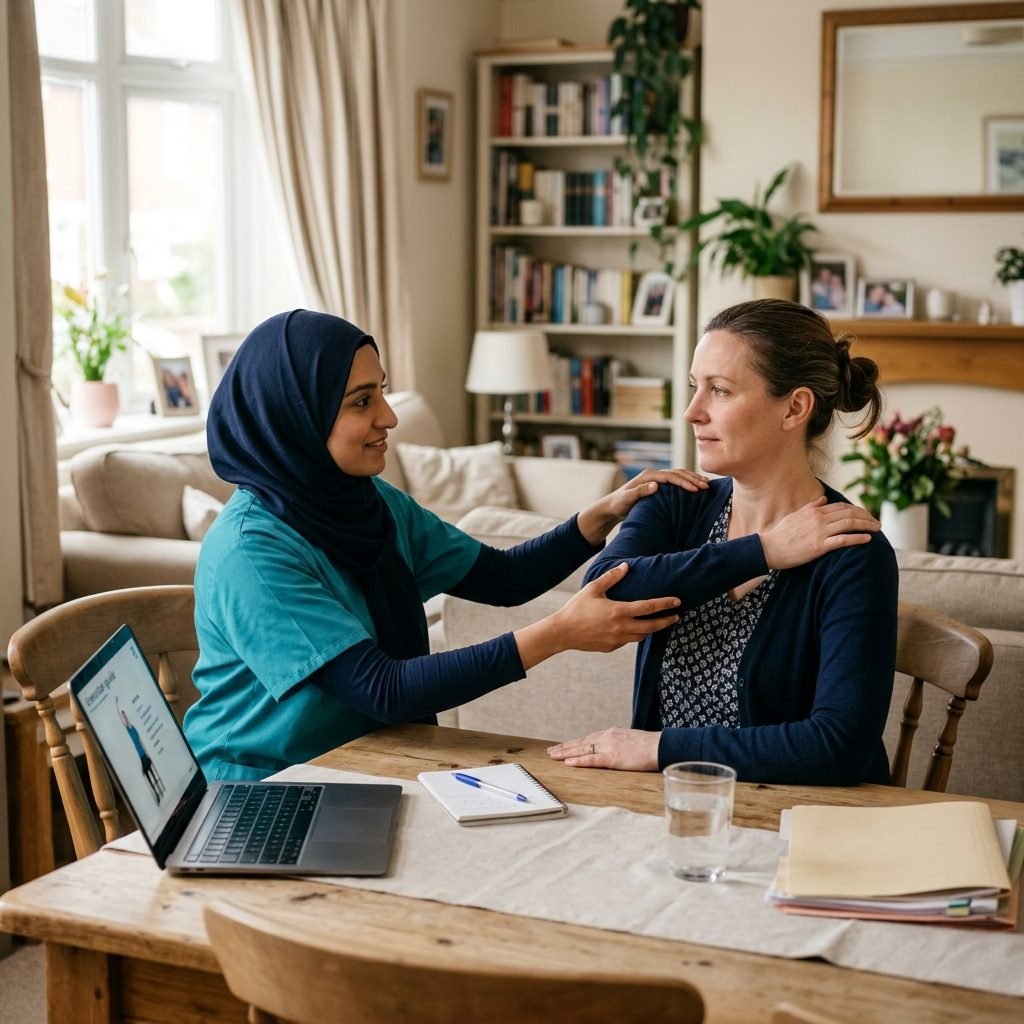
Female Physiotherapist
Licensed female therapists providing home care for women in Al Fayha.
Service Details ←