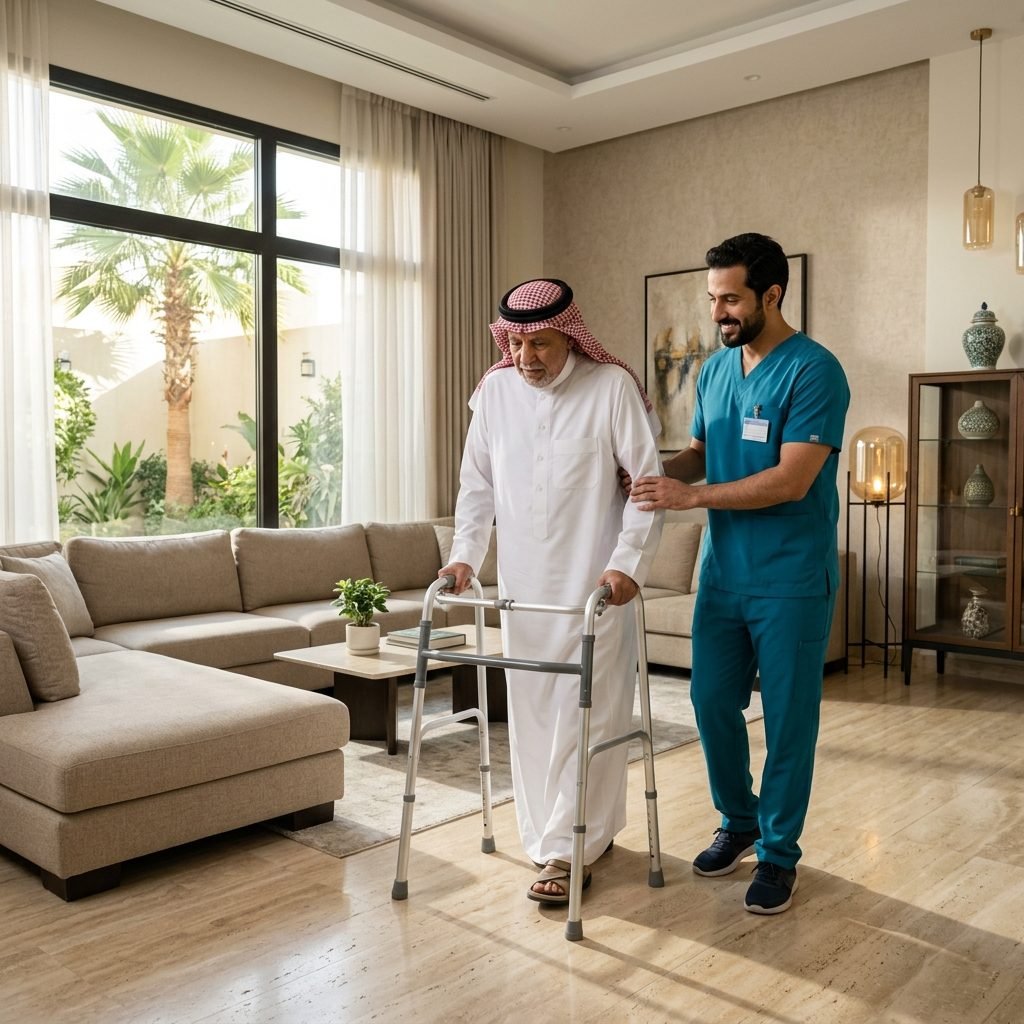
Having access to comprehensive, clinical physical therapy at home is crucial for maintaining rehabilitation progress, especially in busy neighborhoods. Al-Safa and Al Bawadi districts in Jeddah present unique local mobility challenges due to high population density and traffic. At Bidaya Center, we deliver high-quality home physiotherapy and movement rehabilitation services directly to your doorstep, conforming to the clinical guidelines of the Saudi Commission for Health Specialties. We eliminate the stress of travel, traffic, and parking. We respect cultural privacy by providing certified male therapists for male patients and female therapists for female patients.
Our clinical approach in Al Bawadi starts with a detailed physical and environmental safety assessment to eliminate fall hazards in the home. We bring all necessary portable, sterilized equipment to deliver a clinical standard of care comparable to external clinics. The therapist establishes a tailored milestone tracking plan to monitor muscle strength, balance, and joint range of motion (ROM) progression over time.
Why families in Al Bawadi choose Bidaya for home physiotherapy
- ✅ Licensed male & female therapists — full privacy, in your own home in Al Bawadi.
- ✅ Fully in-home visits across Al Bawadi — no travel or traffic.
- ✅ A personalized rehab plan built after a thorough in-home assessment.
- ✅ Continuous follow-up and direct contact with your therapist throughout.
- ✅ Fast response — arrange your visit by a quick call or WhatsApp message.
We also serve nearby areas: Al Andalus · Al Basateen · Al Fayha
* The treatment plan and expected outcomes are determined by a medical and functional assessment of each individual case.
What Integrated Home Physiotherapy Means and Why It Matters for Al Bawadi Residents
Integrated home physiotherapy is a complete rehabilitation service delivered inside the patient's own home. It brings together a movement and functional assessment, targeted therapeutic exercise, manual and physical techniques, and family guidance, all woven into a single coordinated plan supervised by a licensed therapist. The core idea is that recovery is never built on an isolated session, but on a connected pathway that starts by understanding the patient within their real environment: their bedroom, their bed, the bathroom, the interior stairs, and the way they move through an ordinary day. This on-the-ground insight is hard to gain inside a clinic, because what works smoothly on an examination table can collide with the realities of a real house.
In the Al Bawadi district of Jeddah, a calm and family-oriented residential area, the value of this approach becomes clear. Many households here include elderly members or patients who are difficult to transport repeatedly, and with the city's familiar traffic and rush-hour congestion, every external appointment turns into an organizational and physical burden. Home care removes that strain: the therapist arrives at the front door with their tools, and the patient receives care in a place they know and trust, without the exhaustion of travel or the risk of moving a recent injury.
The benefit is not limited to comfort; it extends to the quality of results. When a patient practices on the very stairs they climb each day, using the chair and bed they actually use, the skills they gain transfer directly into their life. We respect the privacy of every family in Al Bawadi, and we provide both male and female licensed therapists so each patient can choose what suits them with complete ease, alongside a full commitment to privacy inside the home.
Symptoms and Signs That Signal It Is Time to Begin
Delaying movement rehabilitation often turns a simple problem into a lasting limitation. Certain indicators should not be ignored, and their appearance is a sign that a home assessment has become a necessary step rather than a luxury. Among the most important signs:
- Persistent pain in the back, neck, or joints that does not ease with rest or returns as soon as activity resumes.
- Clear weakness in the grip or limb muscles, or a sense that the leg "gives way" when standing.
- Morning stiffness in the joints, or difficulty bending the knee or lifting the arm to perform simple tasks such as getting dressed.
- Loss of balance or repeated stumbling and falls, especially among the elderly, or noticeable hesitation before each step.
- A decline in the ability to walk previously routine distances, or shortness of breath and quick fatigue with minimal physical effort.
- Tingling, numbness, or an electric sensation spreading toward the limbs, or weakened fine control of finger movement.
- Noticeably slow recovery after surgery, a fracture, or a stroke, or a fear of movement following an injury.
Having one or more of these symptoms does not necessarily mean a serious condition, but it does call for early evaluation. The earlier rehabilitation begins, the better the chances of restoring function and the shorter the pathway. We do not offer advance promises of a cure; we always start with a careful clinical and functional examination, from which a realistic picture of what can be achieved is drawn.
Conditions and Groups Who Benefit
Integrated home physiotherapy is designed to serve a wide range of conditions, because movement rehabilitation intersects with many medical specialties. Among the groups who benefit most in Al Bawadi:
- Elderly people dealing with muscle weakness, bone fragility, and declining balance, who need a program that preserves their independence at home.
- Post-stroke patients and those with partial weakness or paralysis on one side who are working to regain movement and control.
- People recovering from surgery, such as knee or hip replacement or spinal procedures, who need safe, gradual rehabilitation.
- Fracture patients after cast removal, to restore range of motion and strength and prevent stiffness.
- Those with chronic pain in the lower back, neck, and shoulder, disc herniation, and tendon or joint inflammation.
- Patients with chronic neurological conditions such as Parkinson's disease and multiple sclerosis, within programs that support movement and balance.
- Children with motor needs or delays in motor skills, through gentle sessions suited to their age.
- Athletes and those with desk-work injuries, from neck strain to wrist pain caused by prolonged sitting.
Each group has a different need, which is why we never rely on a single ready-made program. The plan is built on an individual assessment that takes into account the patient's age, medical history, personal goals, and the nature of their home in Al Bawadi.
Goals of the Rehabilitation Program
The ultimate goal is not merely momentary pain relief, but returning the patient to their life with the greatest possible independence and confidence. The program's goals are spread across graded, complementary levels:
- Managing pain and inflammation with suitable therapeutic means, paving the way for more comfortable exercise.
- Restoring the natural range of motion in stiff joints and improving the flexibility of surrounding tissues.
- Rebuilding muscle strength and endurance gradually and thoughtfully, without overloading the injured area.
- Improving balance and movement coordination to reduce fall risk, a pivotal goal for the elderly.
- Correcting faulty movement patterns and postures that may be a hidden cause of recurring pain.
- Training the patient to perform daily tasks safely: rising from bed, sitting, climbing stairs, and bathing.
- Strengthening physical and psychological independence and easing reliance on others as far as the condition allows.
These goals are set in a realistic, measurable way and reviewed periodically as the patient progresses. We always emphasize that the degree and pace of improvement depend on the nature of the condition and the individual assessment, and that the plan is adjusted according to actual response rather than fixed expectations.
Stages and Pathway of the Home Sessions
For care to be organized and effective, home sessions in Al Bawadi follow a clearly defined pathway that gives the patient a sense of progress rather than randomness:
- First visit and assessment: The therapist begins with a comprehensive examination that includes measuring range of motion, strength, and balance, reviewing medical history, and inspecting the home environment to spot what aids or hinders movement.
- Setting the plan and goals: An individual treatment plan is drawn up with near and long-term goals, agreed upon clearly with the patient and family regarding the steps and expectations.
- First therapeutic phase: Focuses on controlling pain, calming inflammation, and restoring basic movement, with a measured dose of exercise suited to the patient's stage.
- Building and strengthening phase: Exercises progress gradually toward building strength, endurance, and balance, introducing activities closer to daily-life tasks.
- Functional independence phase: The patient is trained to perform their duties safely and independently, with a home program prepared to continue between visits.
- Follow-up and reassessment: Results are measured periodically and the plan is adjusted, either advancing it or fine-tuning its intensity according to response.
The duration of each phase and the number of sessions are not a fixed figure; they are determined based on the assessment and the condition's progress. Transparency is part of our approach: the patient always knows which stage they are in and what the next step is.
The Role of the Family and Caregiver
In home care, the family is not a bystander but an essential partner in the plan's success. The therapist is present for an hour or more, but the patient spends the rest of the day with their family, and this is where the caregiver's role becomes decisive. We are keen to involve and train the family within clear tasks:
- Learning the correct way to help the patient rise and transfer between bed and chair without harming the patient or themselves.
- Following up on the prescribed home exercises and ensuring they are done regularly with the right dose and technique.
- Noticing any change in pain, movement, or mood and reporting it to the therapist so the plan can be adjusted when needed.
- Creating a supportive, encouraging environment and motivating the patient morally without pressure or rushing beyond their capacity.
- Helping to organize appointments and medications and keeping a safe, obstacle-free space for movement.
We provide the caregiver with simple, practical guidance and answer their questions as they arise, because their confidence and comfort reflect directly on the patient. Throughout all of this we respect the privacy of the home, while offering both male and female therapists so the experience is comfortable for every member of the family.
Home Safety and Prevention Tips
A large part of successful rehabilitation rests on prevention: preparing the home so it becomes a place that supports recovery rather than obstructing it. In Al Bawadi's homes, with their family character and sometimes multiple floors, we recommend a set of simple, high-impact steps:
- Remove loose rugs and scattered wires from movement pathways, as they are among the most common causes of tripping.
- Ensure adequate lighting in hallways, bathrooms, and staircases, especially at night.
- Install fixed grab bars near the toilet, sink, and bathing area, and place a non-slip mat.
- Choose closed-heel indoor shoes with a firm sole instead of loose, slippery slippers.
- Arrange frequently used items within easy reach to avoid excessive bending or reaching for high places.
- Stick only to the prescribed exercises at the specified dose, and avoid improvised efforts that may overload the injured area.
- Maintain adequate hydration and regular light movement, and avoid sitting or lying down for long, continuous periods.
These measures reduce the risk of setbacks and falls and speed up the pace of recovery. Even so, every case remains unique; that is why we provide tailored safety recommendations after inspecting the home, rather than general advice that may not specifically suit the patient's situation.
Frequently Asked Questions (FAQ)
Are female therapists available to treat female patients at home?
Yes, we have both male and female licensed therapists, and the family can choose what suits them. We commit to complete privacy inside the home and respect the comfort of every patient and their family.
How many sessions will I need before I improve?
There is no fixed number that fits everyone; the number and frequency of sessions are determined after the first assessment based on the nature and goals of the condition, and are readjusted according to your actual response to treatment.
Does the therapist bring the necessary equipment and tools?
The therapist brings the essential tools needed for the session and assessment. If your condition requires additional aids or supplies, we explain this in advance and guide you to the appropriate option.
Are home sessions suitable for the elderly and post-surgery patients?
Yes, and they are among the groups who benefit most, because treatment at home spares them the trouble and risks of travel and allows them to be trained on their daily tasks safely and gradually in their real environment.
Do you guarantee specific results or a complete cure?
We do not offer advance promises of a cure; we begin with a clinical and functional assessment, from which we set realistic expectations. The degree of improvement depends on the condition and commitment to the plan, and we work to achieve the best possible outcome for your situation.
To book a home visit in the Al Bawadi district of Jeddah or to inquire about the service, contact us directly by phone or WhatsApp by clicking Call Now. The Bidaya Center team is ready to help you and arrange the most convenient appointment for you.
Important Home Visit Details:
- ✓Setup: Please clear a 2x2m space in the room for safety.
- ✓Clothing: Wear loose, comfortable clothes for easy movement.
- ✓Therapist Parity: Male therapists for males, females for females.
- ✓Medical Reports: Keep your MRI or doctor reports ready for evaluation.
Rehabilitation & Services in Al Bawadi
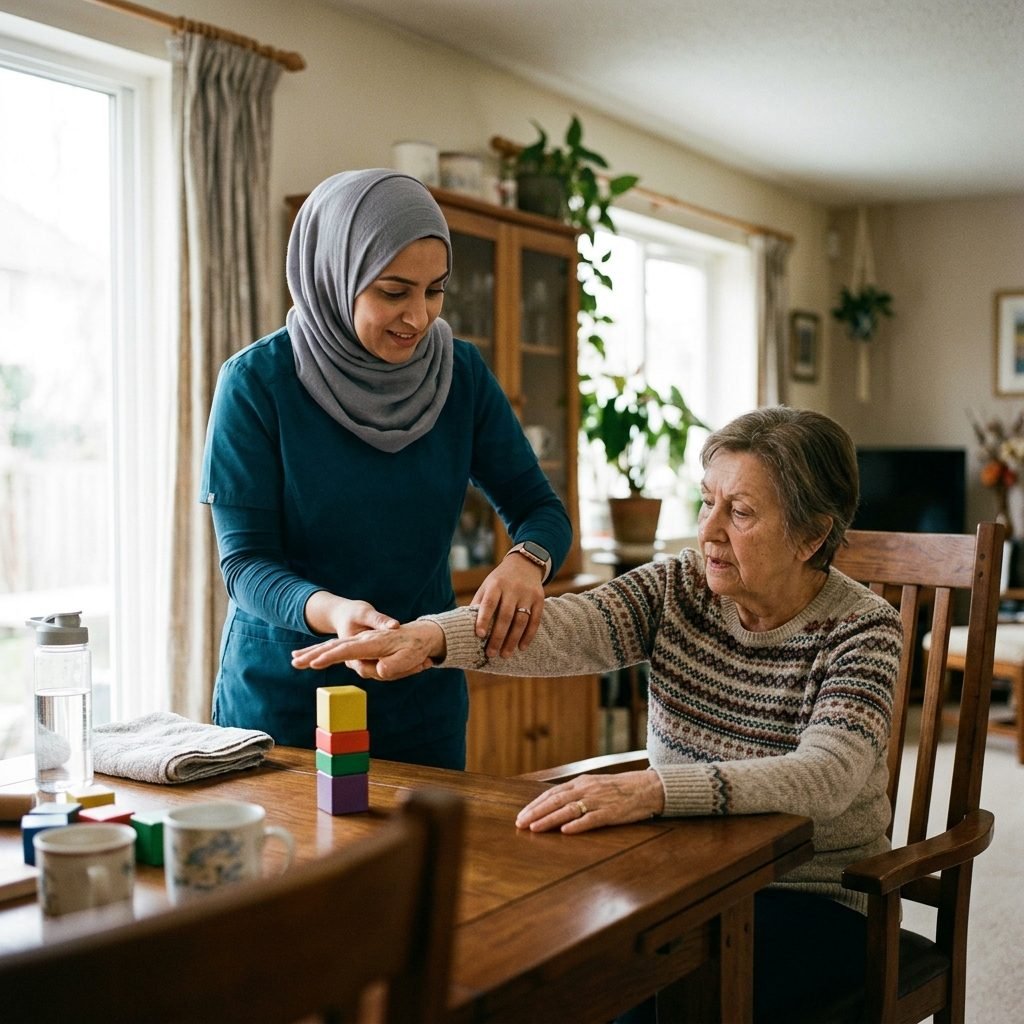
Stroke Rehabilitation
Advanced motor and neurological stroke recovery at home in Al Bawadi.
Service Details ←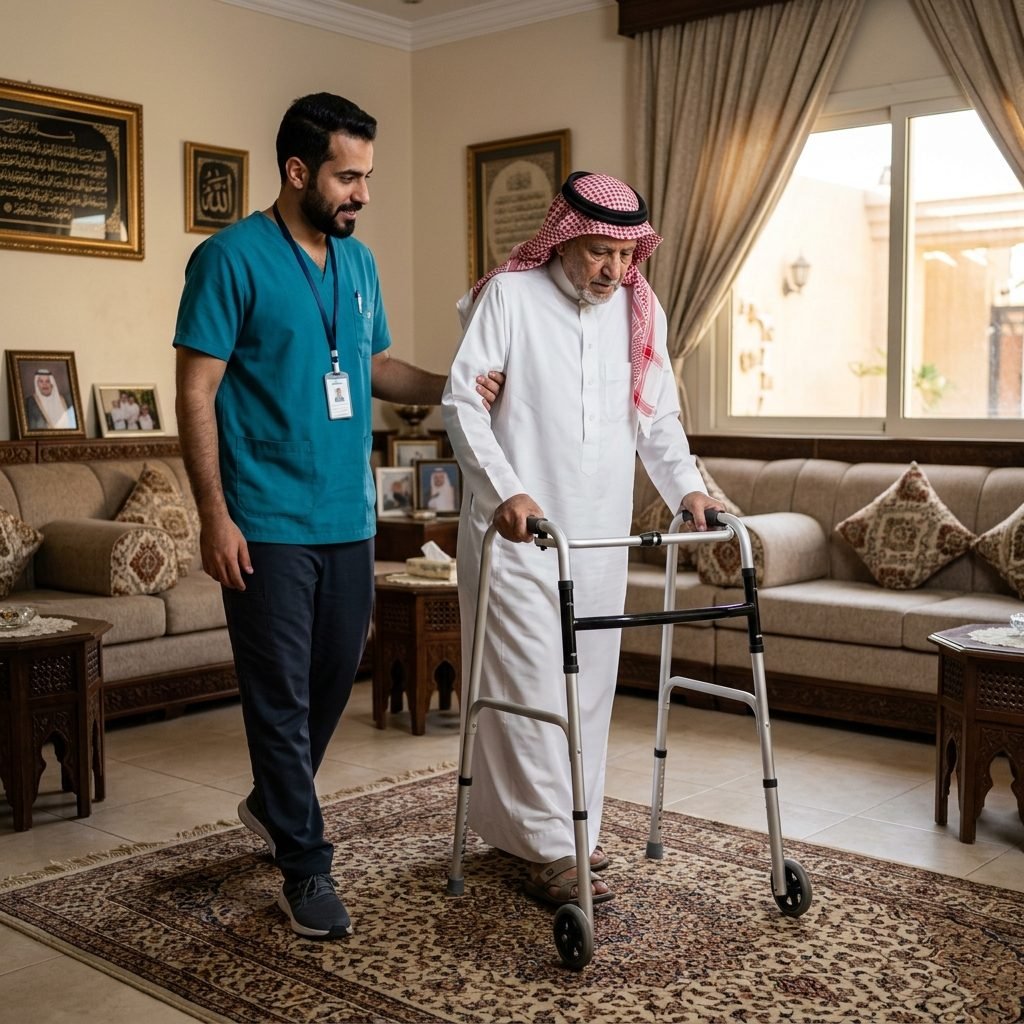
Geriatric Physical Therapy
Balance training, strengthening, and fall prevention for seniors in Al Bawadi.
Service Details ←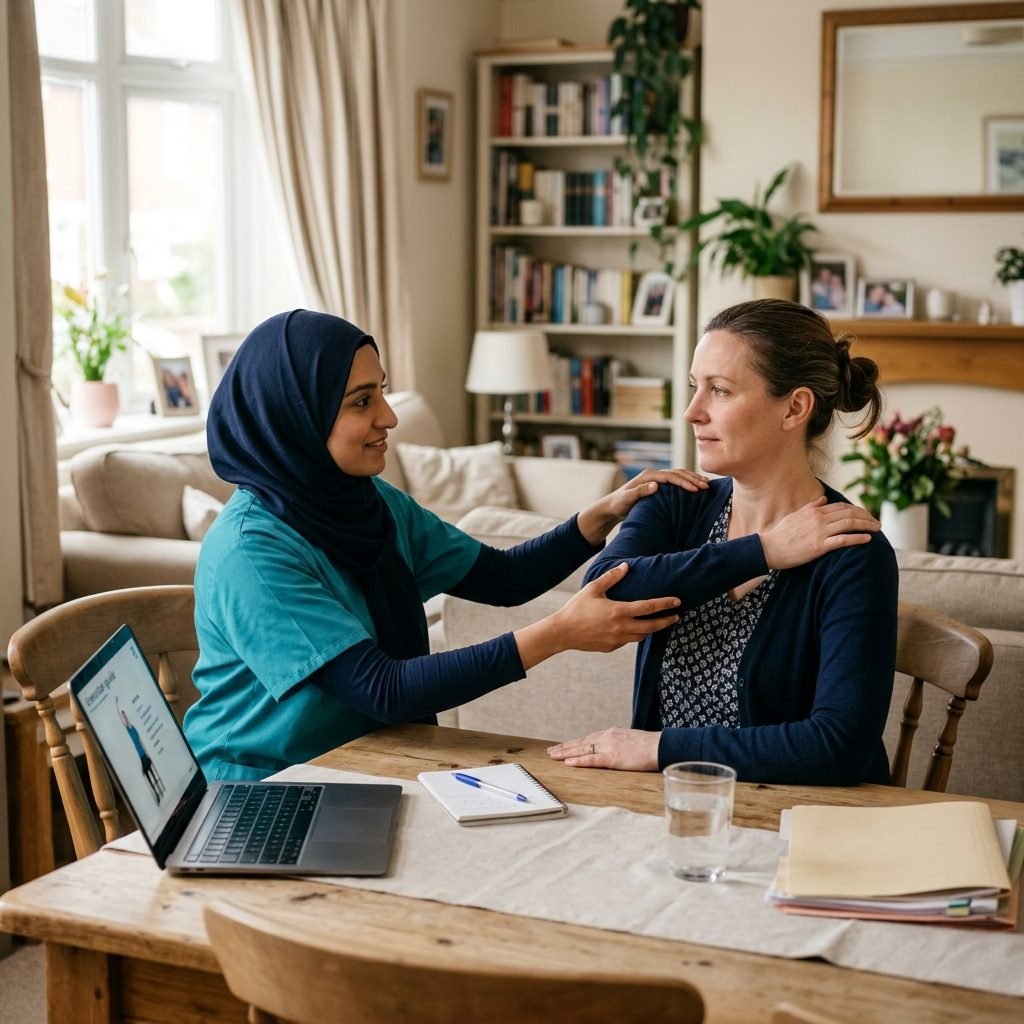
Female Physiotherapist
Licensed female therapists providing home care for women in Al Bawadi.
Service Details ←