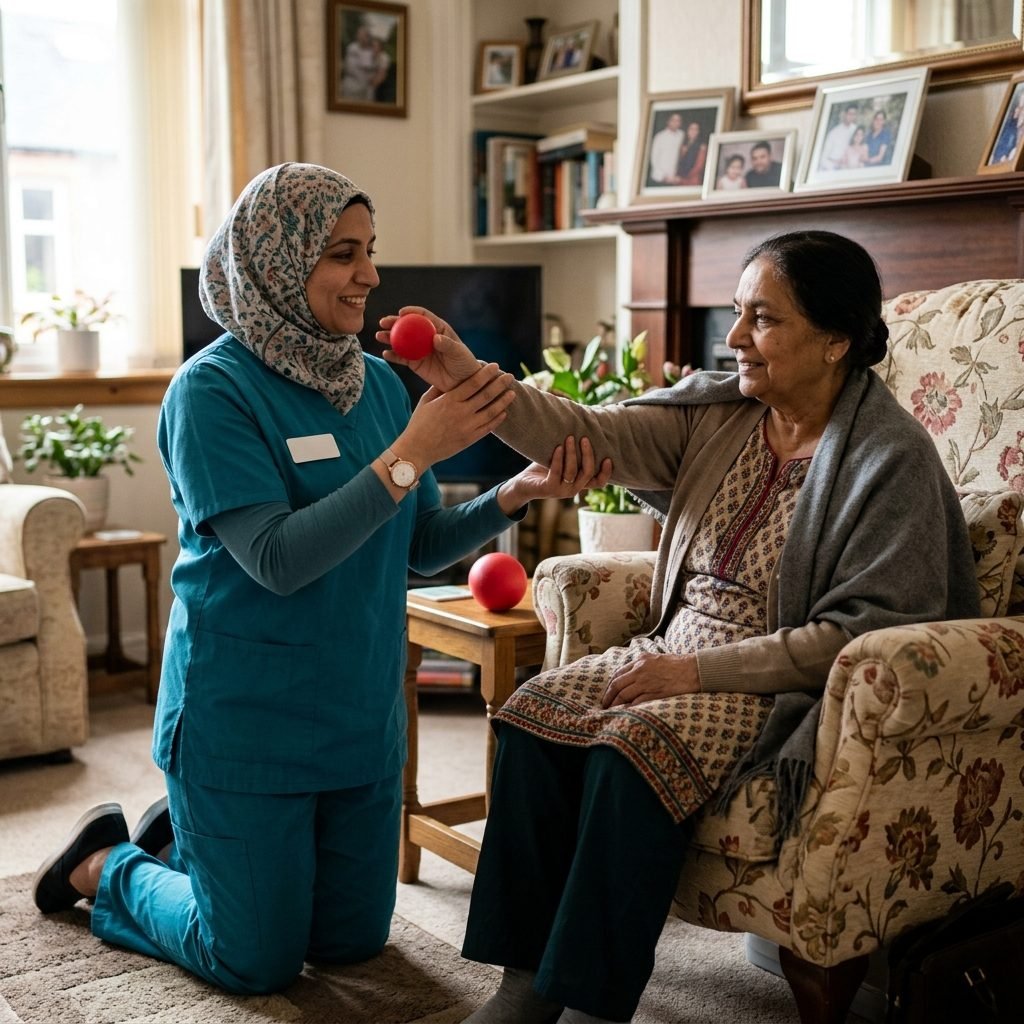
Having access to comprehensive, clinical physical therapy at home is crucial for maintaining rehabilitation progress, especially in busy neighborhoods. Al-Safa and Al Hamra districts in Jeddah present unique local mobility challenges due to high population density and traffic. At Bidaya Center, we deliver high-quality home physiotherapy and movement rehabilitation services directly to your doorstep, conforming to the clinical guidelines of the Saudi Commission for Health Specialties. We eliminate the stress of travel, traffic, and parking. We respect cultural privacy by providing certified male therapists for male patients and female therapists for female patients.
Our clinical approach in Al Hamra starts with a detailed physical and environmental safety assessment to eliminate fall hazards in the home. We bring all necessary portable, sterilized equipment to deliver a clinical standard of care comparable to external clinics. The therapist establishes a tailored milestone tracking plan to monitor muscle strength, balance, and joint range of motion (ROM) progression over time.
Why families in Al Hamra choose Bidaya for home physiotherapy
- ✅ Licensed male & female therapists — full privacy, in your own home in Al Hamra.
- ✅ Fully in-home visits across Al Hamra — no travel or traffic.
- ✅ A personalized rehab plan built after a thorough in-home assessment.
- ✅ Continuous follow-up and direct contact with your therapist throughout.
- ✅ Fast response — arrange your visit by a quick call or WhatsApp message.
We also serve nearby areas: Al Andalus · Al Basateen · Al Bawadi
* The treatment plan and expected outcomes are determined by a medical and functional assessment of each individual case.
What Home-Based Multiple Sclerosis Physiotherapy Means for Al Hamra Residents
Multiple sclerosis (MS) is an immune-mediated condition of the central nervous system, in which the protective myelin sheath around nerve fibres is damaged and signalling between the brain, spinal cord and the rest of the body slows down. The consequences vary widely: weakness in a limb, numbness, unsteady balance, or a heavy fatigue that comes and goes in the pattern of relapses and remissions. This is where home-based physiotherapy for multiple sclerosis earns its place. It does not treat the disease itself, but it is a practical way to preserve movement, slow the decline of function, and retrain the body to use its healthy neural pathways more efficiently.
Al Hamra, a residential district near Jeddah's waterfront, makes the home-visit model especially sensible. The neighbourhood is warm and humid for most of the year, and heat is a well-known factor for people with MS: the so-called Uhthoff's phenomenon means symptoms can temporarily worsen when body temperature rises, then ease again as it cools. Travelling back and forth to a clinic under the sun and through traffic can drain a patient's energy before the session even begins. A session inside a cool, quiet home preserves that energy for the exercise that actually helps.
The home visit also lets the therapist see the real environment the patient lives in: the type of flooring, the height of the bed, the bathroom layout, any stairs, and the distances covered each day inside the Al Hamra home. None of this is visible in a clinic, yet it is the core of functional rehabilitation, whose whole aim is greater independence in daily life.
Symptoms and Signs That Signal It Is Time to Start
MS looks different from one person to the next, and no single picture fits everyone. Even so, certain functional signs suggest that starting a rehabilitation programme early is wiser than waiting:
- Weakness or heaviness in a leg or arm that makes walking or carrying things harder than usual.
- Impaired balance or a sense of unsteadiness when standing or turning, with repeated stumbles.
- Muscle stiffness or spasticity (often in the legs) that worsens at night or after long sitting.
- Numbness, tingling or altered sensation that undermines confidence in where the foot is placed.
- Marked fatigue out of proportion to effort, gradually pushing the person to cut back activity.
- Reduced precision and coordination when using the hands (writing, buttons, holding a cup).
- A changed walking pattern: slowing down, dragging a foot, or widening the stance for stability.
These signs do not necessarily mean a relapse, but they show the body has begun compensating in ways that may be tiring or unsafe. Early assessment helps correct those compensations before they become fixed habits. Importantly, any new symptom or rapid deterioration should first be reviewed by the treating physician, because physiotherapy is one part of a care team, not a substitute for medical follow-up.
Who Benefits From the Programme
Rehabilitation is not limited to one stage of the disease; it is shaped around each person and the course their MS is taking:
- The newly diagnosed who are still independently mobile and want to build the fitness and strength that will protect them later, while learning how to manage energy and fatigue.
- Those with relapsing-remitting MS after a relapse settles, to recover lost strength and balance as safely and quickly as possible.
- People with progressive forms who need a programme that maintains range of movement, counters stiffness and spasticity, and delays complications such as joint contractures.
- Anyone relying on a mobility aid such as a cane, walker or wheelchair, to be trained in using it safely and efficiently inside their own home.
- Older adults and those with other conditions for whom frequent trips to a clinic are difficult, making a home service in Al Hamra the more suitable option.
Both licensed male and female therapists are available, with full privacy respected inside the home, so each family can choose what makes them most comfortable.
Goals of the Rehabilitation Programme
The aim is never a promise of a cure, since MS is a chronic condition; it is to improve quality of life and function as far as each individual body allows. Goals are built on an individual clinical and functional assessment, reviewed continuously, and typically include:
- Preserving the longest possible walking distance with stability and safety, and reducing fall risk.
- Managing spasticity and muscle stiffness through stretching, positioning and appropriate exercise.
- Strengthening weakened muscles without over-exertion that drains energy or worsens fatigue.
- Training balance and trunk control to improve stability during standing and movement.
- Teaching the patient and family energy-conservation strategies to spread effort across the day.
- Improving independence in daily tasks: getting out of bed, entering the bathroom, dressing.
- Timing exertion for the cooler parts of the day to limit heat-related symptom flare-ups where possible.
Stages and Flow of the Home Sessions
Home rehabilitation usually follows a flexible path that is re-tuned to the patient's response and the fluctuations of the disease:
- Initial assessment: reviewing history and reports; measuring strength, range of movement, balance and gait; and inspecting the Al Hamra home environment to identify both risks and opportunities.
- Planning: setting realistic short- and long-term goals with the patient and family, and agreeing an initial number of sessions.
- Intervention phase: regular sessions combining strengthening and stretching, balance and gait training, and spasticity-management techniques, with a measured, gradual increase in intensity.
- Functional integration: transferring what has been gained into real tasks around the home, and practising safe use of any mobility aid.
- Reassessment: measuring progress periodically and adjusting goals and exercises, especially after any relapse or change in condition.
- Ongoing home programme: simple exercises the patient performs between sessions to hold on to the gains.
The length of each session and the total number depend on the case and the degree of fatigue, and cannot be stated precisely before the assessment.
The Role of the Family and Caregiver
In a chronic, fluctuating condition like MS, the family becomes an essential partner in the success of rehabilitation. Their role goes beyond emotional support to practical tasks they learn from the therapist:
- Assisting safely with transfers (from bed to chair, for example) without straining the patient or themselves.
- Supervising the home exercises and encouraging consistency without pressure or over-pushing.
- Noticing early changes in mobility or fatigue and reporting them to the medical team.
- Scheduling activity for cooler periods and sparing the patient prolonged exposure to heat.
- Respecting the patient's energy limits on fatigued days, without any sense of guilt or shortcoming.
Educating the family in Al Hamra during the home session makes care continuous throughout the week, rather than confined to the time the therapist is present.
Home Safety and Prevention Tips
A safe home environment lowers the risk of falls and protects the patient's independence. General recommendations for Al Hamra homes include:
- Keeping walking paths clear of cables, slippery rugs and scattered furniture.
- Providing adequate lighting, especially in corridors, the bathroom and the route to it at night.
- Fitting fixed grab bars in the bathroom and a shower chair when needed, with non-slip flooring.
- Keeping the home cool and using air conditioning, and avoiding exercise at the peak heat of the day.
- Drinking water regularly and using cooling measures (cold packs, a fan) to reduce heat's effect on symptoms.
- Choosing supportive, closed footwear indoors rather than open slippers.
- Not ignoring fatigue: planned rest is part of the treatment, not a weakness.
Frequently Asked Questions (FAQ)
Does physiotherapy cure multiple sclerosis?
No. MS is a chronic condition with no cure that removes it entirely at present. Physiotherapy's role is to improve mobility and balance, manage symptoms such as spasticity and fatigue, and preserve independence as far as possible. The expected results are defined after an individual assessment and cannot be guaranteed in advance.
Could exercise increase fatigue or trigger a relapse?
The programme is designed specifically to balance activity with rest and conserve energy, so intensity is measured and gradual. Appropriate exercise does not cause relapses; it helps manage fatigue, and the therapist monitors your response and adjusts the load continuously.
Is a home service in Al Hamra right for my case?
Home visits suit most cases, especially for those who find frequent travel difficult or who are affected by heat and traffic on the way. The therapist assesses your home and your mobility and decides whether home care is currently the best fit for you.
Are female therapists available?
Yes. Both licensed male and female therapists are available, with full privacy maintained inside the home, and you can choose what best suits the patient and family when booking.
How many sessions will I need?
A fixed number cannot be set before the assessment, as it depends on the type of MS, the severity of symptoms, your functional goals and your level of fatigue. An initial plan is drawn up after the first session and reviewed regularly as you progress.
To book a home visit or ask about multiple sclerosis physiotherapy in the Al Hamra district of Jeddah, contact us by phone or WhatsApp by clicking Call Now, and we will be glad to help you arrange a suitable appointment.
Important Home Visit Details:
- ✓Setup: Please clear a 2x2m space in the room for safety.
- ✓Clothing: Wear loose, comfortable clothes for easy movement.
- ✓Therapist Parity: Male therapists for males, females for females.
- ✓Medical Reports: Keep your MRI or doctor reports ready for evaluation.
Rehabilitation & Services in Al Hamra
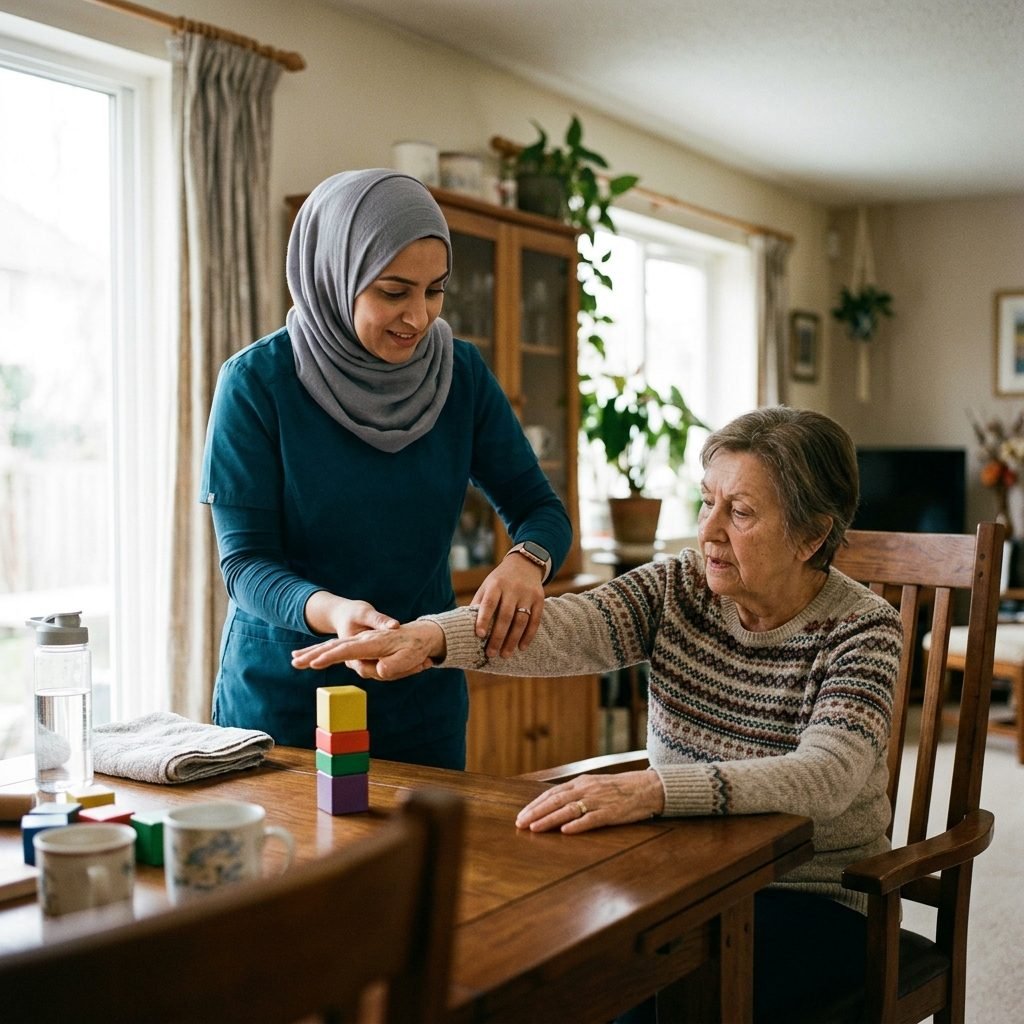
Stroke Rehabilitation
Advanced motor and neurological stroke recovery at home in Al Hamra.
Service Details ←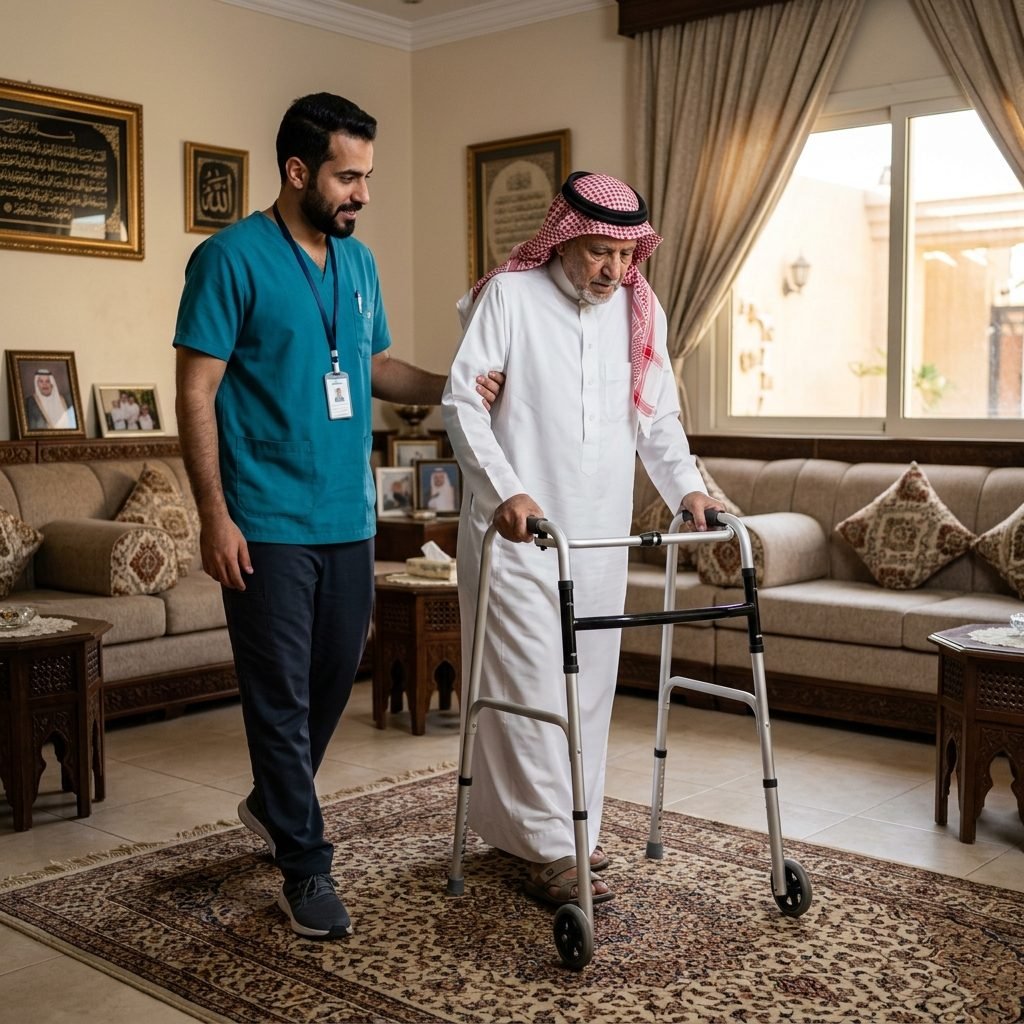
Geriatric Physical Therapy
Balance training, strengthening, and fall prevention for seniors in Al Hamra.
Service Details ←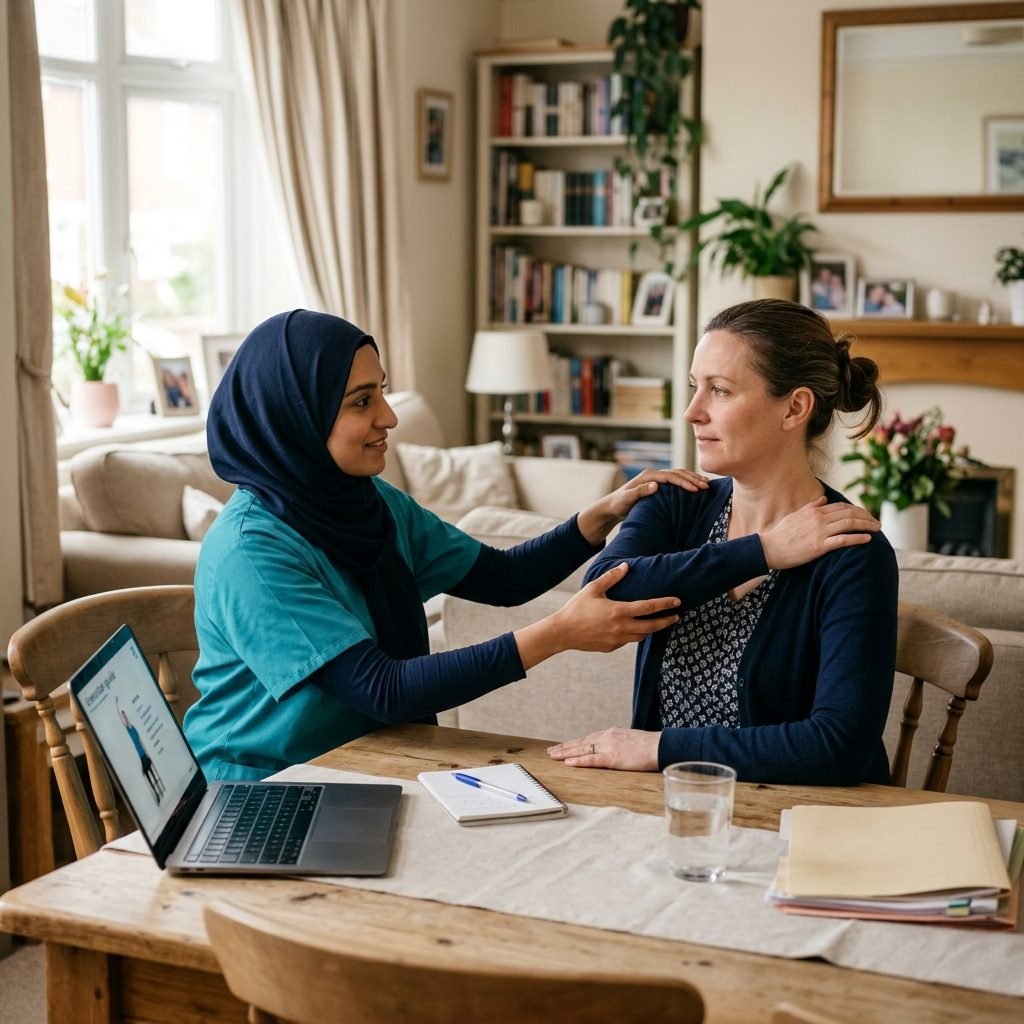
Female Physiotherapist
Licensed female therapists providing home care for women in Al Hamra.
Service Details ←