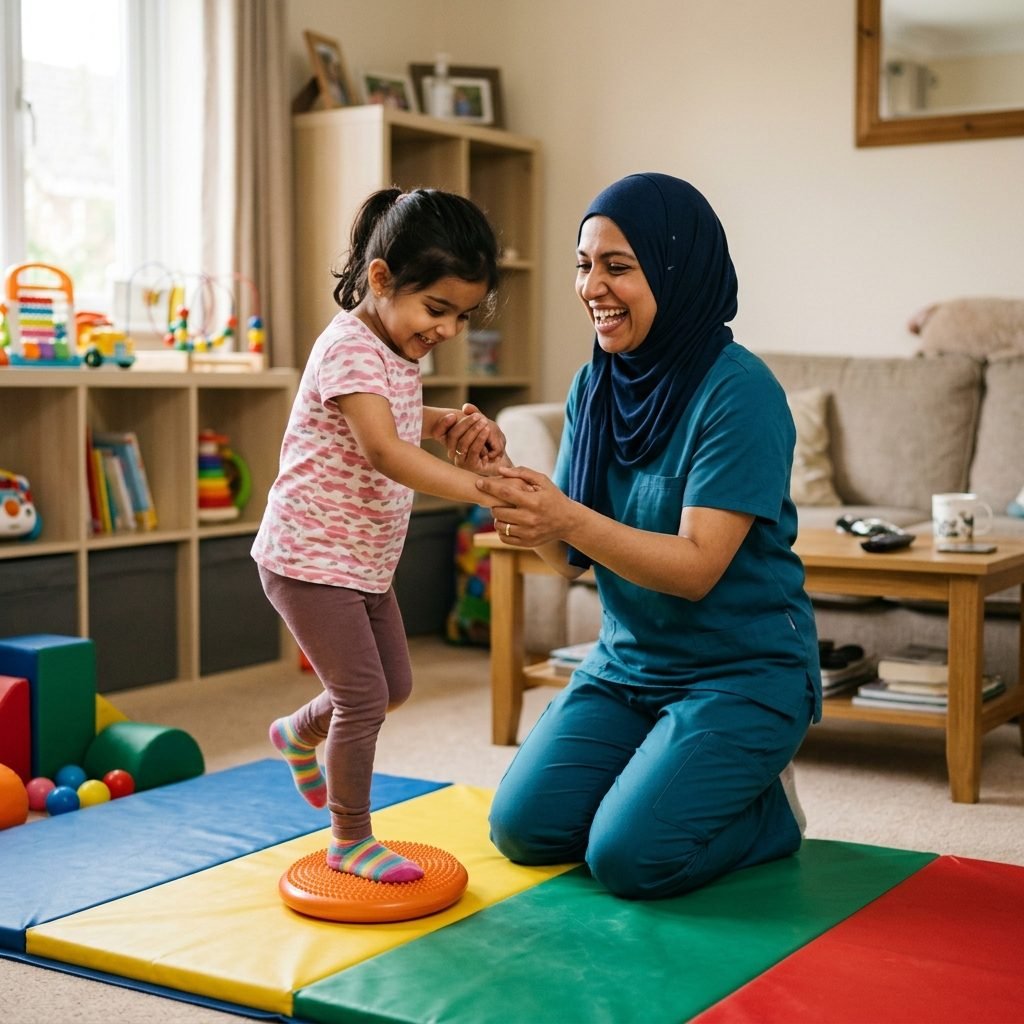
Having access to comprehensive, clinical physical therapy at home is crucial for maintaining rehabilitation progress, especially in busy neighborhoods. Al-Safa and Al Naseem districts in Jeddah present unique local mobility challenges due to high population density and traffic. At Bidaya Center, we deliver high-quality home physiotherapy and movement rehabilitation services directly to your doorstep, conforming to the clinical guidelines of the Saudi Commission for Health Specialties. We eliminate the stress of travel, traffic, and parking. We respect cultural privacy by providing certified male therapists for male patients and female therapists for female patients.
Our clinical approach in Al Naseem starts with a detailed physical and environmental safety assessment to eliminate fall hazards in the home. We bring all necessary portable, sterilized equipment to deliver a clinical standard of care comparable to external clinics. The therapist establishes a tailored milestone tracking plan to monitor muscle strength, balance, and joint range of motion (ROM) progression over time.
Why families in Al Naseem choose Bidaya for home physiotherapy
- ✅ Licensed male & female therapists — full privacy, in your own home in Al Naseem.
- ✅ Fully in-home visits across Al Naseem — no travel or traffic.
- ✅ A personalized rehab plan built after a thorough in-home assessment.
- ✅ Continuous follow-up and direct contact with your therapist throughout.
- ✅ Fast response — arrange your visit by a quick call or WhatsApp message.
We also serve nearby areas: Al Andalus · Al Basateen · Al Bawadi
* The treatment plan and expected outcomes are determined by a medical and functional assessment of each individual case.
What Home-Based Cerebral Palsy Physiotherapy Means for Families in Al Naseem
Cerebral palsy is a neuro-motor condition caused by an injury to or abnormal development of the brain during its early stages. It affects a child's ability to control muscles, posture and movement. Importantly, cerebral palsy is non-progressive, meaning the original brain injury does not worsen over time, yet its effects on the muscles and joints can change as the child grows. For this reason, cerebral palsy physiotherapy for children is a long-term journey that depends far more on consistency and careful follow-up than on quick fixes.
Delivering this therapy inside the home in Al Naseem rests on a simple but powerful idea: a child learns to move best in the environment where daily life actually happens. When a child practises sitting, crawling or standing on the floor of their own room, surrounded by familiar furniture and toys, the skill they gain becomes immediately usable in real life rather than confined to a clinic. Al Naseem is a relatively calm, family-oriented residential district in eastern Jeddah, and its character makes home visits a practical choice for families who find it hard to transport a child with special mobility needs repeatedly through the city's traffic and heat.
At Bidaya Center we see the home visit not merely as a convenient alternative to the clinic, but as a therapeutic tool in its own right. When a therapist enters the child's home, they can see the thresholds, the stairs, the height of the bed and the type of flooring, and can therefore build a realistic plan that addresses the actual challenges the child and family face. Every plan is built after an individual clinical and functional assessment, and we make no promises of guaranteed outcomes, because each child's path depends on the type and severity of their cerebral palsy, their age and how consistently the program is followed.
Signs and Symptoms That Signal It Is Time to Begin
Many families in Al Naseem notice early signals before or after a formal diagnosis, and early intervention makes a genuine difference to a child's motor development. Signs that warrant consulting a pediatric physiotherapist include:
- Noticeable stiffness in the limbs, or conversely excessive floppiness that makes the child feel unusually "soft" when held.
- Clear delay in motor milestones such as head control, sitting, crawling or standing compared with peers.
- Marked preference for using one side of the body, or persistent fisting of one hand at an early age.
- Involuntary or trembling movements, or difficulty coordinating fine movements.
- Walking on the toes, scissoring of the legs, or an unsteady gait pattern.
- Difficulties with swallowing, chewing or controlling saliva that may accompany weak muscle control.
- Frequent muscle spasms or difficulty straightening a joint fully.
The presence of one of these signs does not automatically confirm a specific diagnosis, but it is reason enough to request a specialised assessment. The earlier therapy begins during the early growth years, the greater the chance of benefiting from the nervous system's plasticity and capacity to adapt.
Who Benefits From This Service
Our home-based cerebral palsy rehabilitation in Al Naseem is designed to suit the wide variety of cases and severities. Those who benefit most include:
- Children with spastic cerebral palsy, characterised by increased muscle tone and stiff movement.
- Children with ataxic or mixed-tone cerebral palsy who struggle with balance and coordination.
- Cases involving hemiplegia (one side of the body), quadriplegia or diplegia.
- Infants identified with risk factors such as premature birth or oxygen deprivation at delivery, within early monitoring programs.
- Children after surgical procedures or muscle-relaxant injections, to continue rehabilitation and preserve gains.
- Children who use assistive devices such as walkers or splints and need training to use them in daily life.
- Families seeking continuity of therapy between hospital appointments without the burden of frequent travel.
We respect the privacy of every family in Al Naseem. Licensed male and female therapists are available, with full respect for the privacy of the home, so families can choose what suits them comfortably.
Goals of the Rehabilitation Program
Therapy does not aim to "cure" cerebral palsy; it aims to enable the child to reach the greatest possible independence and function within their own condition. Goals are shaped individually and measurably after assessment, and typically include:
- Improving control of body, head and trunk posture as the foundation for any larger motor skill.
- Reducing stiffness and spasticity, preserving joint range of motion and preventing deformities.
- Strengthening weak muscles and improving balance and motor coordination.
- Developing gross motor skills such as rolling, sitting, crawling, standing and walking as far as the condition allows.
- Supporting fine motor skills that serve play and self-reliance in eating and dressing.
- Enhancing independence in daily activities within the real home environment.
- Training the family in correct positions for carrying, sitting and sleeping so therapy is woven through the whole day.
We agree with the family on measurable short and long-term goals and review them regularly, because expected outcomes always remain tied to the ongoing assessment of each individual case.
Stages and Path of the Home Sessions
At Bidaya Center we follow a structured path that begins by understanding the child as a whole, not as a set of symptoms:
- Initial assessment: a comprehensive home visit where we evaluate muscle tone, range of motion and current motor skills, and observe the specific home environment in Al Naseem and its needs.
- Building the plan: shaping individual goals in agreement with the family, and setting session frequency and work priorities.
- Therapy sessions: motor-facilitation exercises, stretching, strengthening and functional training embedded in play-like activities so the child stays motivated and engaged.
- Accompanying home practice: we give the family simple exercises and positions to practise daily between sessions to consolidate gains.
- Re-assessment: periodic measurement of progress and adjustment of goals and exercises according to the child's response.
- Coordination: communicating with the rest of the care team when needed to keep the treatment plan consistent.
The length of each session and their weekly number are set according to the child's age, tolerance and severity, always ensuring the session is constructive and enjoyable rather than exhausting.
The Role of the Family and Caregiver
A child spends many times more hours with their family than with the therapist, which makes the family the most important partner in the success of rehabilitation. During home visits in Al Naseem, we ensure that parents and caregivers are active participants in every session rather than mere observers.
- We train the family in correct carrying, seating and transfer positions that protect the child and reduce strain on the caregiver.
- We explain how to weave exercises into the daily routine: dressing, bathing, mealtimes and play.
- We help them read the child's cues and recognise when the child is ready to exercise and when they need rest.
- We offer practical and emotional support, since the cerebral palsy journey is long and can be draining for the family psychologically and physically.
When everyday care moments turn into small, repeated therapeutic opportunities, the impact of the sessions multiplies and progress becomes more stable.
Home Safety and Prevention Tips
A safe home environment supports rehabilitation and guards against complications. We offer Al Naseem families practical guidance, adapted to each child's condition:
- Securing a play and exercise space free of sharp edges and unstable furniture, with non-slip flooring.
- Varying the child's positions throughout the day and avoiding long periods in one posture to prevent stiffness and pressure sores.
- Using splints and assistive devices in the manner and for the duration recommended by the specialist, and checking the skin beneath them.
- Watching head and neck position during feeding to reduce choking risk, and providing supported seating while eating.
- Accounting for Jeddah's heat during play or exercise, keeping the child hydrated and the space ventilated.
- Continuing to monitor new signs such as increased spasticity or a change in movement pattern and reporting them to the therapy team.
This guidance is general and supportive and does not replace the individual plan the specialist sets after a direct examination.
Frequently Asked Questions
Can my child fully recover from cerebral palsy through physiotherapy?
Cerebral palsy is a permanent condition resulting from a brain injury. Physiotherapy does not remove the cause, but it significantly improves function and independence and helps prevent complications. The degree of improvement varies from child to child, depends on individual assessment and program consistency, and we make no promises of specific results.
What is the right age to start rehabilitation?
The earlier the start, the better, as the child benefits from the plasticity of the nervous system in the first years; however, therapy is valuable at all ages and is always built on an assessment suited to the child's stage.
How many sessions does my child need each week?
This is decided after assessment according to the severity of the condition, the child's age and the family's goals, and it is adjusted over time based on the child's response and progress.
Are female therapists available for children at home, with privacy respected?
Yes, we have licensed male and female therapists, and the family chooses what suits them with full respect for the privacy of the home in Al Naseem.
Is a home visit as effective as a clinic?
In cerebral palsy cases the home visit is often more beneficial, because the child trains in their real environment and both therapist and family receive direct guidance on the genuine challenges of the home.
To book a home assessment for your child in Al Naseem or to ask about the cerebral palsy rehabilitation program, contact Bidaya Center by phone or WhatsApp by clicking Call Now. Our team will be glad to help you and arrange the most suitable appointment for you.
Important Home Visit Details:
- ✓Setup: Please clear a 2x2m space in the room for safety.
- ✓Clothing: Wear loose, comfortable clothes for easy movement.
- ✓Therapist Parity: Male therapists for males, females for females.
- ✓Medical Reports: Keep your MRI or doctor reports ready for evaluation.
Rehabilitation & Services in Al Naseem
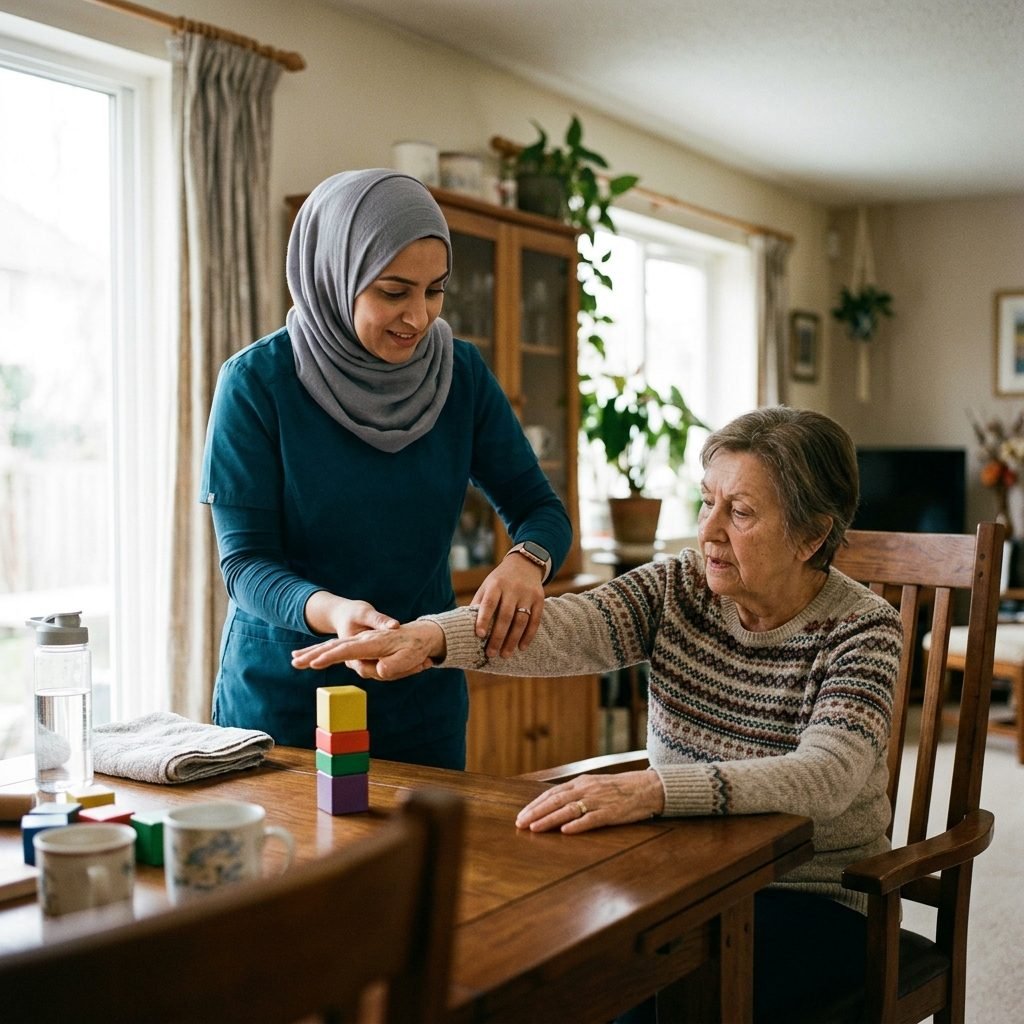
Stroke Rehabilitation
Advanced motor and neurological stroke recovery at home in Al Naseem.
Service Details ←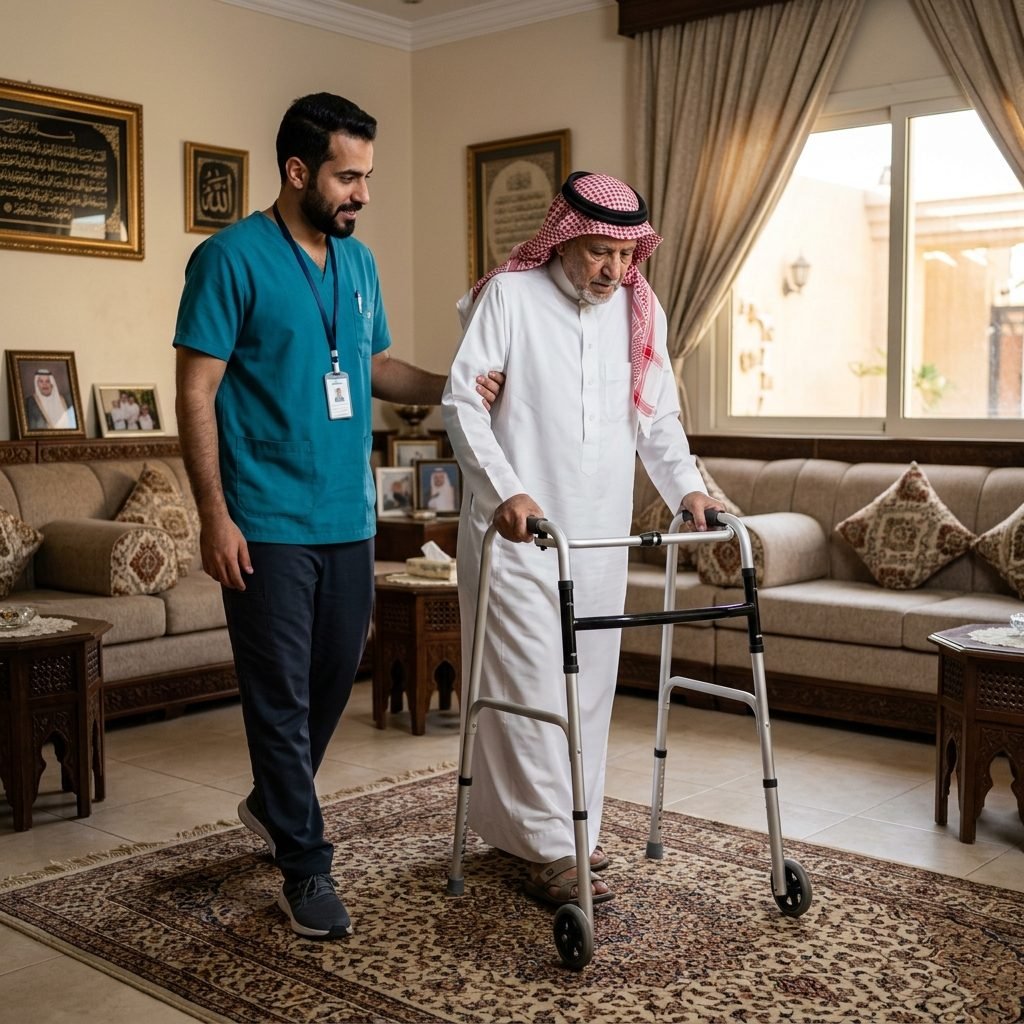
Geriatric Physical Therapy
Balance training, strengthening, and fall prevention for seniors in Al Naseem.
Service Details ←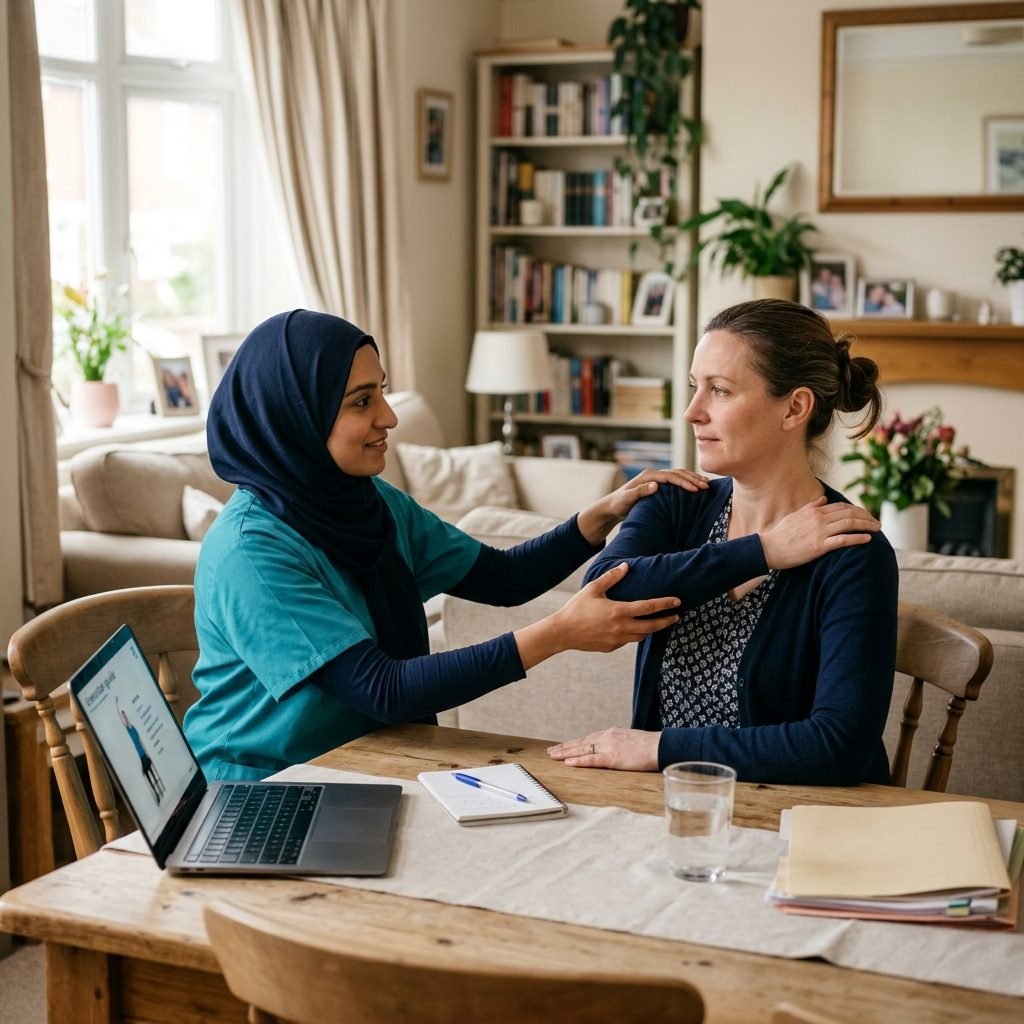
Female Physiotherapist
Licensed female therapists providing home care for women in Al Naseem.
Service Details ←