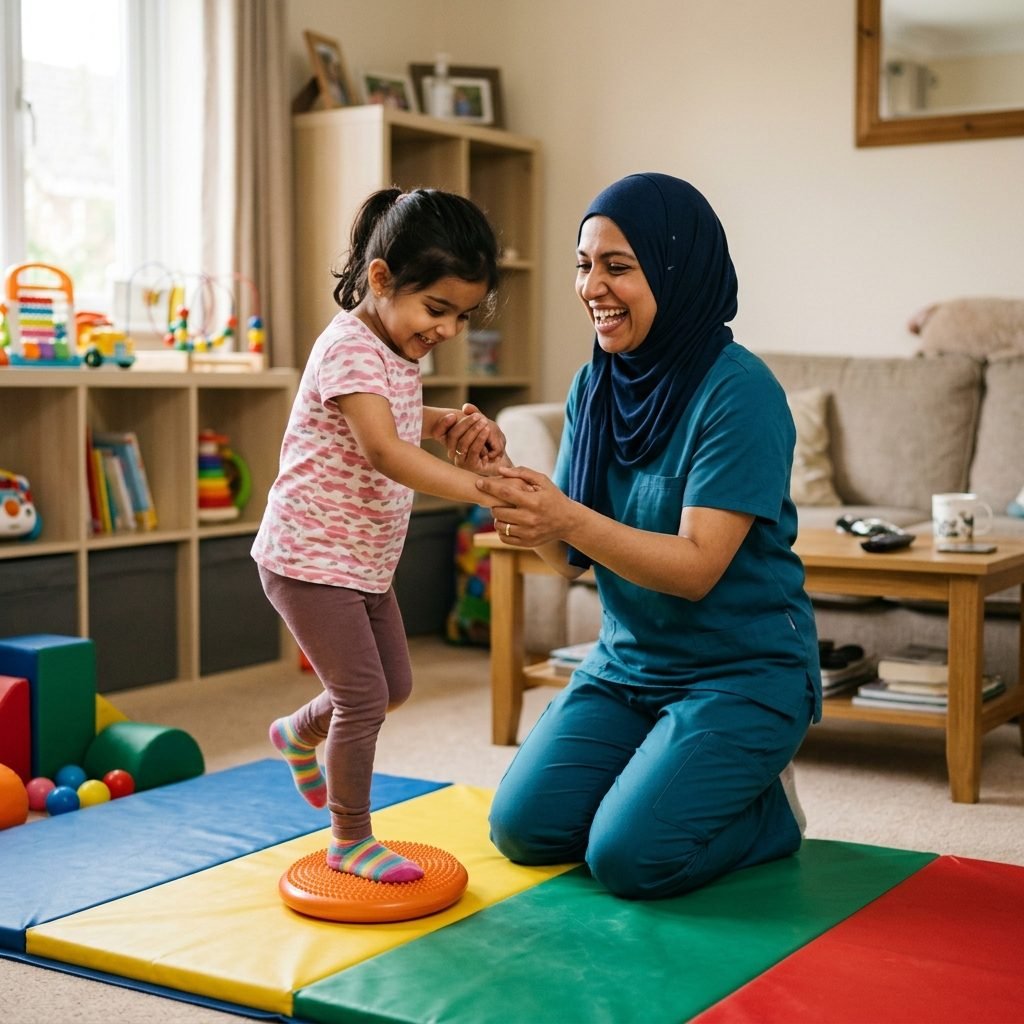
Having access to comprehensive, clinical physical therapy at home is crucial for maintaining rehabilitation progress, especially in busy neighborhoods. Al-Safa and Al Andalus districts in Jeddah present unique local mobility challenges due to high population density and traffic. At Bidaya Center, we deliver high-quality home physiotherapy and movement rehabilitation services directly to your doorstep, conforming to the clinical guidelines of the Saudi Commission for Health Specialties. We eliminate the stress of travel, traffic, and parking. We respect cultural privacy by providing certified male therapists for male patients and female therapists for female patients.
Our clinical approach in Al Andalus starts with a detailed physical and environmental safety assessment to eliminate fall hazards in the home. We bring all necessary portable, sterilized equipment to deliver a clinical standard of care comparable to external clinics. The therapist establishes a tailored milestone tracking plan to monitor muscle strength, balance, and joint range of motion (ROM) progression over time.
Why families in Al Andalus choose Bidaya for home physiotherapy
- ✅ Licensed male & female therapists — full privacy, in your own home in Al Andalus.
- ✅ Fully in-home visits across Al Andalus — no travel or traffic.
- ✅ A personalized rehab plan built after a thorough in-home assessment.
- ✅ Continuous follow-up and direct contact with your therapist throughout.
- ✅ Fast response — arrange your visit by a quick call or WhatsApp message.
We also serve nearby areas: Al Basateen · Al Bawadi · Al Fayha
* The treatment plan and expected outcomes are determined by a medical and functional assessment of each individual case.
What Home-Based Cerebral Palsy Physiotherapy Means for Children in Al Andalus, Jeddah
Cerebral palsy is a lasting condition that affects movement, posture, and balance because of an injury or disruption to the developing brain, usually before birth, during delivery, or in the earliest years of life. While the brain injury itself does not change, its effect on a child's muscles, joints, and motor skills can improve meaningfully with regular, early rehabilitation. This is exactly where specialized pediatric physiotherapy makes a difference, working to help each child move, sit, stand, and walk to the fullest extent their individual condition allows.
Delivering this service inside the home holds special value for families in Al Andalus, Jeddah. This is a calm, largely residential district where many households are raising children through their key developmental years. Repeatedly transporting a child to a clinic can be physically and emotionally draining, especially when the child struggles with muscle spasticity or finds it hard to sit comfortably during travel. A home session removes the burden of commuting and lets the child receive therapy in familiar surroundings, among their own toys and furniture, which lowers stress and improves cooperation.
The most important advantage of home rehabilitation is that it weaves therapy into the child's real daily life. The therapist sees how the child moves across their own bedroom floor, how they climb the steps at home, and how they sit at their own dining chair, then designs exercises and practical solutions tailored to those exact details. At Bidaya Center we believe effective rehabilitation begins inside the home, where the child spends most of the day and where the family can join in, repeat the exercises, and turn every household routine into an opportunity for progress.
Symptoms and Signs That Signal It Is Time to Start
Many families notice early signals that prompt them to seek a specialist assessment, and paying attention to these signs early makes a genuine difference to the rehabilitation journey. Among the most common reasons to begin physiotherapy:
- A clear delay in major motor milestones such as lifting the head, rolling over, sitting, crawling, or standing compared with peers of the same age.
- Stiffness or tightness in the limb muscles, or conversely excessive floppiness that leaves the child appearing limp and with little control over their body.
- Using one side of the body far more than the other, such as always reaching with one hand or dragging one leg while crawling.
- Unusual foot or hand positions, such as walking on tiptoes, a constantly clenched fist, or legs that cross in a scissoring pattern.
- Difficulty with balance and coordination, frequent falls when walking, or repeated involuntary movements.
- Problems controlling the mouth and neck that affect swallowing, cause drooling, or make it hard to keep the head steady.
The presence of one or more of these signs does not necessarily point to a specific diagnosis, but it is reason enough to request a careful functional assessment. The earlier the intervention begins, the greater the chance of benefiting from the developing brain's plasticity, a precious window of time that should not be missed.
Conditions and Groups That Benefit
The home-based cerebral palsy rehabilitation service in Al Andalus is designed to fit a wide variety of cases, ages, and severities. Among the groups that benefit most:
- Infants who show early signs of motor delay or uncoordinated movement, where early intervention carries the highest value.
- Children with spastic cerebral palsy, characterized by muscle stiffness and difficulty with voluntary movement.
- Cases of ataxic or dyskinetic cerebral palsy marked by poor balance or involuntary movements.
- Children who have undergone muscle or tendon surgery and need a structured post-operative rehabilitation program.
- Children who use assistive devices such as splints, walkers, or wheelchairs and need training to use them correctly.
- Cases combined with general developmental delay or weak control of the trunk and neck.
Every child has a different story and a unique degree of involvement, so we never rely on a single ready-made program. We always begin with a comprehensive clinical and functional assessment that identifies the child's strengths and challenges, then build an individualized plan on top of it that shifts and evolves as they progress.
Goals of the Rehabilitation Program
The program aims to help the child reach the greatest possible independence within the limits of their condition, without any promise of guaranteed results, because the path and expected outcomes depend on the individual assessment of each case. Among the main goals we work toward:
- Improving joint range of motion and preventing the contractures and deformities that can arise from chronic muscle tightness.
- Strengthening weak muscles and achieving better balance between opposing muscle groups.
- Developing postural control, from head and trunk stability all the way to independent sitting and standing.
- Building functional movement skills such as rolling, crawling, transitioning between positions, and walking according to the child's ability.
- Reducing muscle spasticity and improving limb flexibility to ease movement and daily care.
- Training the child to use assistive devices safely and effectively to support their independence.
- Embedding exercises within everyday activities like play, dressing, and eating to make rehabilitation enjoyable and sustainable.
These goals are reviewed and reset periodically based on the child's response, since what suits one stage may change in the next, and flexibility in adjusting the plan is an essential part of successful rehabilitation.
Stages and Path of the Home Sessions
We follow a structured path that ensures every intervention rests on an accurate understanding of the child's condition, with continuous follow-up to measure progress. The journey typically moves through the following stages:
- Initial assessment: the therapist visits the home to examine the child both physically and functionally, observes their postures and the way they move in their real environment, and listens to the family's observations and goals.
- Building the individual plan: based on the assessment findings, a treatment plan is drawn up defining priorities, the suggested number of sessions, the target exercises, and the tools required.
- Treatment sessions: these include range-of-motion, strengthening, and balance exercises along with movement-facilitation techniques, plus functional exercises aimed at a practical goal such as sitting or standing.
- Accompanying home training: the therapist teaches the family simple, safe exercises to repeat between sessions to reinforce the gains.
- Follow-up and reassessment: progress is measured at regular intervals, and goals and exercises are adjusted to keep pace with the child's development and changing needs.
The length of each session and how often they occur each week are set according to the child's condition and tolerance, with care to keep the session within the child's positive mood as much as possible, because the child's cooperation is a core element in the effectiveness of therapy.
The Role of the Family and Caregiver
The success of rehabilitation is not confined to the hours of a session; it extends into every day the child spends with their family. The family is the most important partner in this journey, and their active role visibly multiplies the program's results. At Bidaya Center we are keen to empower parents and caregivers by:
- Teaching them how to carry, seat, and position the child for sleep in ways that support correct posture and reduce spasticity.
- Training them in simple home exercises that can be woven into the daily routine without tiring the child or the family.
- Guiding them to notice any changes in the child's movement or responsiveness and to report them to the therapist so the plan can be adjusted when needed.
- Supporting them emotionally and reminding them that progress may be gradual, and that consistency and patience matter more than speed.
- Involving them in setting the goals so the plan reflects the family's priorities and the needs of their daily life.
When exercises become a natural part of play and everyday interaction, the child feels supported rather than pressured, and this positive family atmosphere is the fertile ground in which every gain grows.
Home Safety and Prevention Tips
Preparing a safe and stimulating home environment contributes greatly to protecting the child and supporting their motor development. Among the practical guidelines we recommend to families in Al Andalus:
- Remove obstacles and slippery rugs from the child's movement paths, and secure sharp-cornered furniture to prevent injuries from a loss of balance.
- Provide a safe, clean floor space for exercises and play, away from hazards such as wires or sharp tools.
- Stick to wearing splints, medical shoes, or assistive devices in the manner and for the duration set by the specialist.
- Maintain correct sitting and sleeping positions using supportive cushions to prevent long-term deformities.
- Avoid leaving the child in one position for long periods, and be sure to change their position regularly to stimulate circulation and relieve pressure.
- Watch for signs of fatigue or pain during exercises and stop when needed, never forcing the child into a movement that causes them severe discomfort.
These tips are general guidance, and an individual assessment remains the basis for deciding what specifically suits your child. The home therapist offers recommendations tailored to your home environment and your child's condition with far greater precision.
Frequently Asked Questions (FAQ)
Can my child be completely cured of cerebral palsy through physiotherapy?
Cerebral palsy is a permanent condition, and no promise of a full cure can be made, but regular physiotherapy can improve a child's motor abilities, reduce complications, and enhance their independence. The path and expected outcomes always depend on the clinical and functional assessment of each individual case.
What is the right age to begin rehabilitation?
The earlier the start, the better, because a child's brain in the first years has high plasticity that helps them benefit from training. Yet there is no age that is too late, and rehabilitation offers benefit across different age stages depending on the child's condition.
How many sessions does my child need each week?
There is no fixed number that suits everyone; the number and length of sessions are determined after the initial assessment based on the severity of the condition, the plan's goals, and the child's tolerance, and they are readjusted periodically as the child progresses.
Are both female and male therapists available?
Yes, we have licensed male and female therapists, and you can choose whatever suits your family's comfort, with complete privacy guaranteed inside the home.
What do I need to prepare at home before the session?
You do not need complicated preparations; a safe, clean, and relatively quiet floor space is enough. The therapist brings the necessary tools and, from the very first visit, guides you on any simple arrangements suited to your child's condition.
To book a home visit or ask about the cerebral palsy physiotherapy service for children in Al Andalus, Jeddah, contact Bidaya Center by phone or WhatsApp by clicking Call Now, and we will be glad to help you build a plan suited to your child after assessment.
Important Home Visit Details:
- ✓Setup: Please clear a 2x2m space in the room for safety.
- ✓Clothing: Wear loose, comfortable clothes for easy movement.
- ✓Therapist Parity: Male therapists for males, females for females.
- ✓Medical Reports: Keep your MRI or doctor reports ready for evaluation.
Rehabilitation & Services in Al Andalus
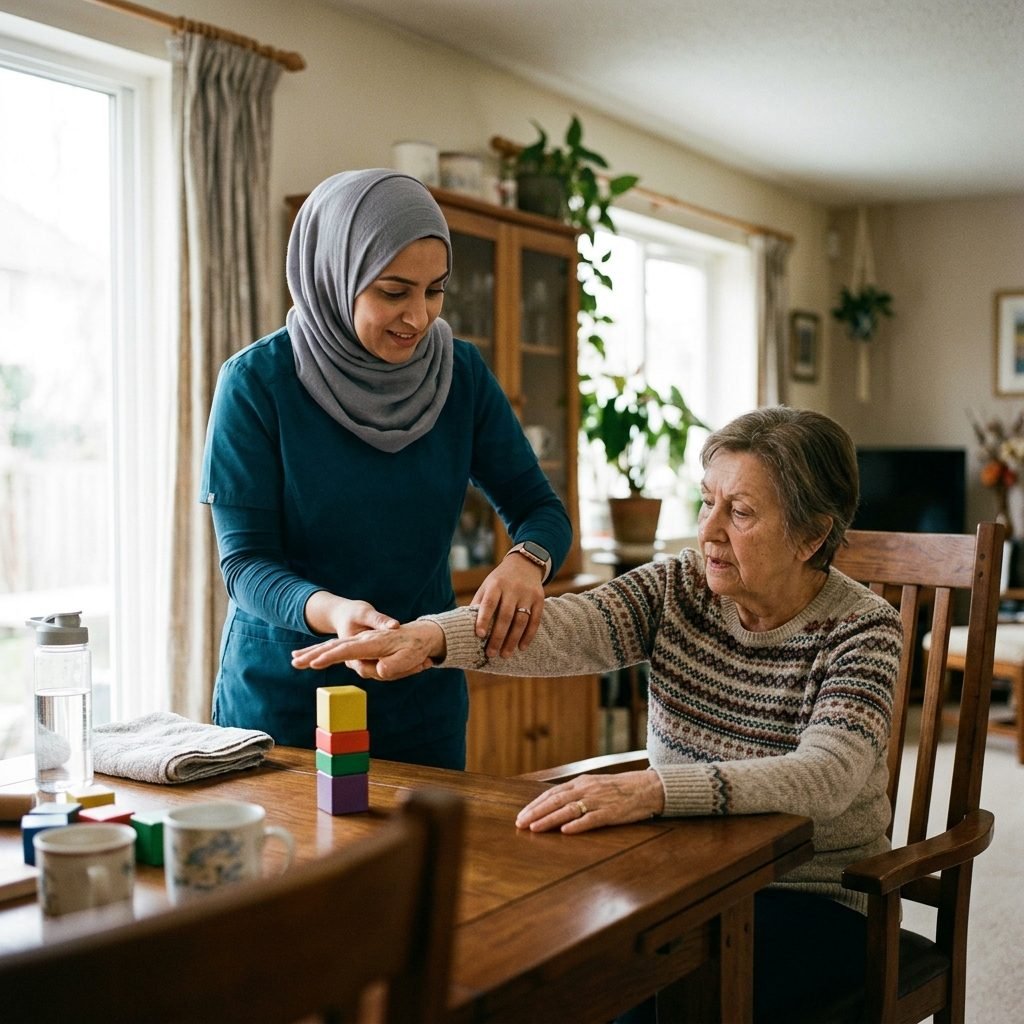
Stroke Rehabilitation
Advanced motor and neurological stroke recovery at home in Al Andalus.
Service Details ←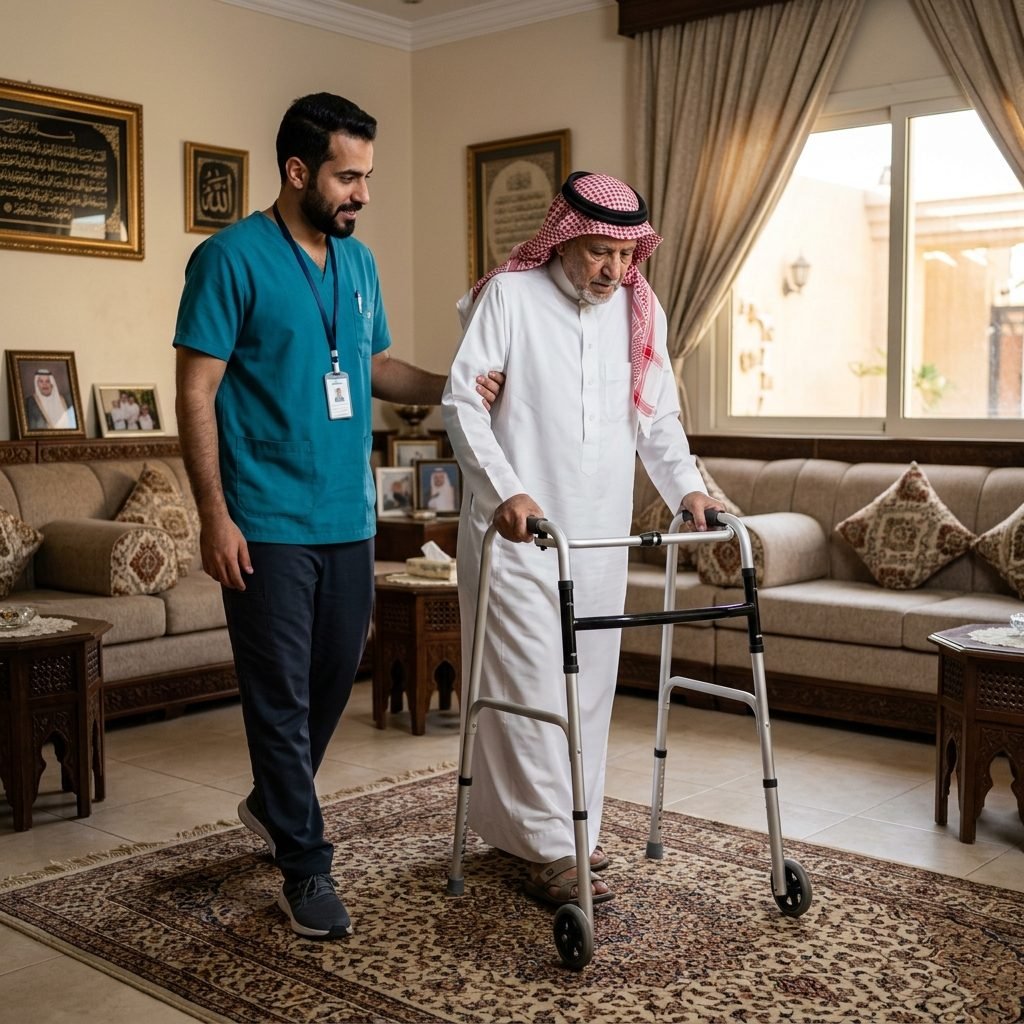
Geriatric Physical Therapy
Balance training, strengthening, and fall prevention for seniors in Al Andalus.
Service Details ←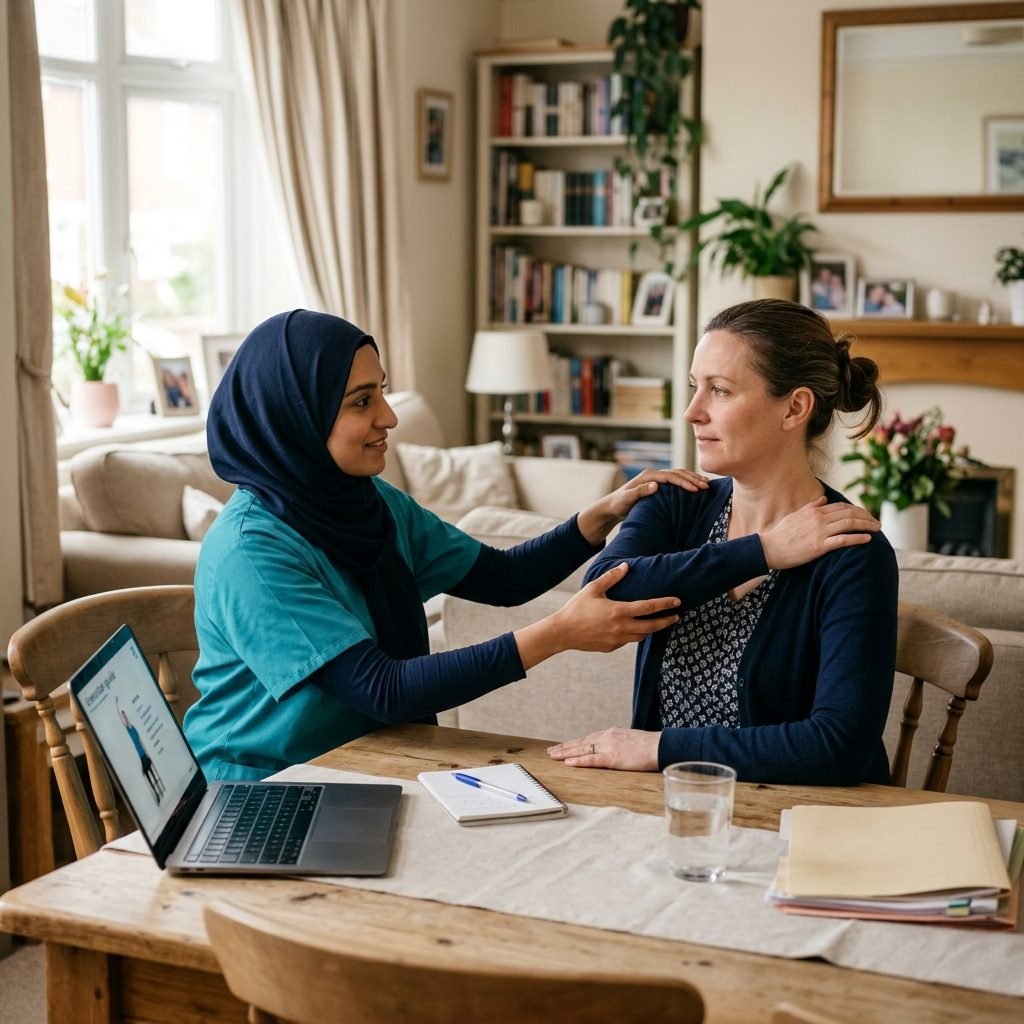
Female Physiotherapist
Licensed female therapists providing home care for women in Al Andalus.
Service Details ←