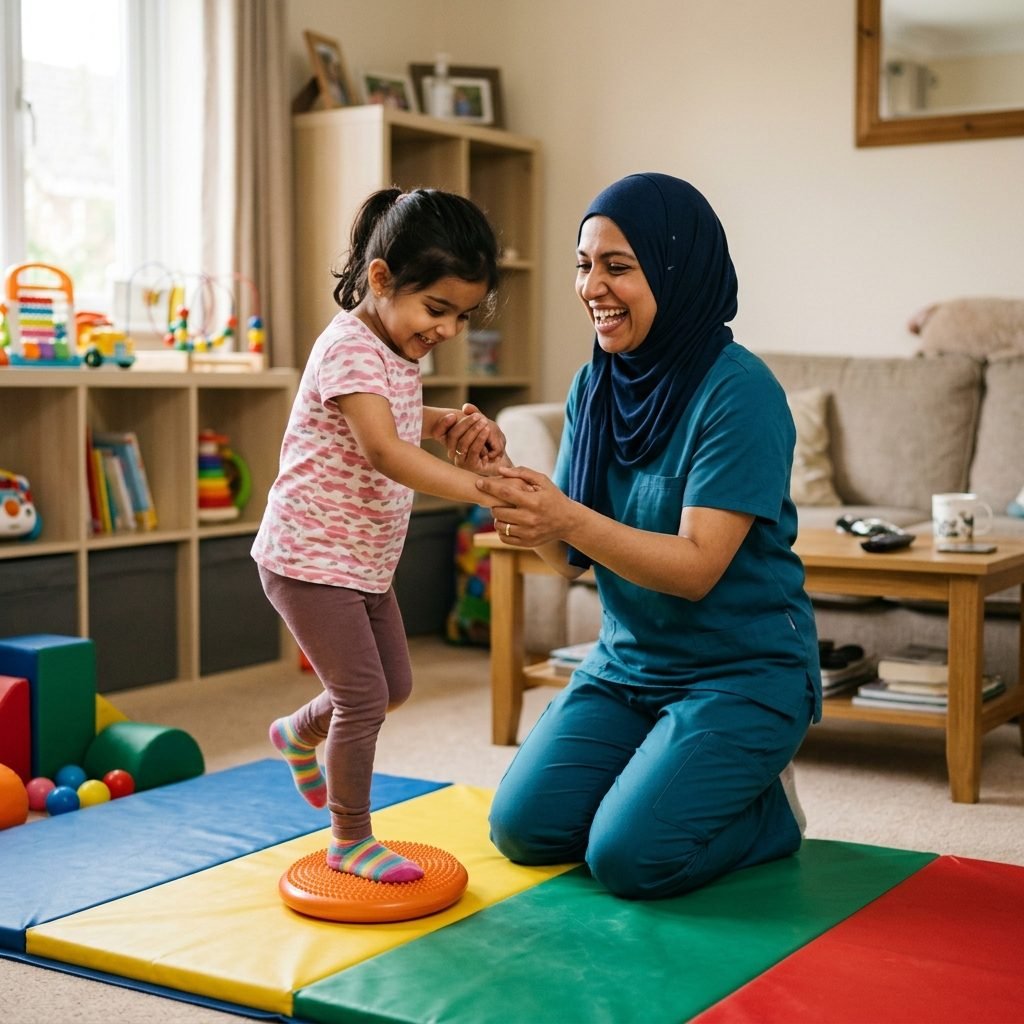
Having access to comprehensive, clinical physical therapy at home is crucial for maintaining rehabilitation progress, especially in busy neighborhoods. Al-Safa and Al Fayha districts in Jeddah present unique local mobility challenges due to high population density and traffic. At Bidaya Center, we deliver high-quality home physiotherapy and movement rehabilitation services directly to your doorstep, conforming to the clinical guidelines of the Saudi Commission for Health Specialties. We eliminate the stress of travel, traffic, and parking. We respect cultural privacy by providing certified male therapists for male patients and female therapists for female patients.
Our clinical approach in Al Fayha starts with a detailed physical and environmental safety assessment to eliminate fall hazards in the home. We bring all necessary portable, sterilized equipment to deliver a clinical standard of care comparable to external clinics. The therapist establishes a tailored milestone tracking plan to monitor muscle strength, balance, and joint range of motion (ROM) progression over time.
Why families in Al Fayha choose Bidaya for home physiotherapy
- ✅ Licensed male & female therapists — full privacy, in your own home in Al Fayha.
- ✅ Fully in-home visits across Al Fayha — no travel or traffic.
- ✅ A personalized rehab plan built after a thorough in-home assessment.
- ✅ Continuous follow-up and direct contact with your therapist throughout.
- ✅ Fast response — arrange your visit by a quick call or WhatsApp message.
We also serve nearby areas: Al Andalus · Al Basateen · Al Bawadi
* The treatment plan and expected outcomes are determined by a medical and functional assessment of each individual case.
What Home-Based Cerebral Palsy Physiotherapy Means for Families in Al Fayha
Cerebral palsy in children is not a single illness with one predictable course. It is a group of conditions that affect movement, balance, and posture because certain areas of the developing brain were injured early in life. Home-based physiotherapy takes the therapy session out of an unfamiliar clinic and brings it into the room where your child sleeps, plays on the floor, and sits in his or her usual chair. The exercises are built around the child's own toys, furniture, and natural positions rather than a strange environment.
In Al Fayha, a calm, primarily residential district of Jeddah where families value staying close to their children, the practical benefit of home visits is easy to see. Moving a child who struggles with head control or has stiff limbs through traffic and parking can drain the child's energy before a session even begins, and it can turn weekly appointments into a burden that is hard to sustain. When the therapist comes to the home instead, the child starts the session settled, calm, and with full energy and focus intact.
The deeper advantage is that the therapist observes the child's real environment: the height of the bed, the type of chair, how the child sits during meals, and the distance across which he or she crawls or walks. These details make it possible to design a realistic plan that can be applied every single day, not a set of exercises forgotten the moment the family leaves a clinic. We want to be clear that both the plan itself and the degree of progress that can be expected depend on a careful clinical and functional assessment of each individual child. There is no ready-made program copied from one child to the next.
Symptoms and Signs That Signal It Is Time to Start
Many families notice early signals before any formal diagnosis, and earlier intervention is often more beneficial. Signs that warrant a specialist consultation and the start of therapy include:
- Clear delay in motor milestones such as head control, sitting, crawling, or walking compared with children of the same age.
- Noticeable stiffness in the arm or leg muscles, or the opposite: excessive floppiness that makes the body feel unusually limp.
- Using one side of the body far more than the other, or keeping a hand tightly closed with difficulty opening it.
- Involuntary or trembling movements, or sudden shifts in posture that the child cannot control.
- Difficulty chewing or swallowing, persistent drooling, and delays in communication or in responding to sound.
- Standing on the toes, or the legs crossing in a scissor-like pattern when the child is held upright or tries to stand.
The presence of one or more of these signs does not automatically confirm a specific diagnosis, but it is reason enough to request a specialist evaluation. The earlier therapy begins during the brain's developmental window, the greater the opportunity to build better movement patterns and make use of the nervous system's plasticity.
Conditions and Groups That Benefit
Children who benefit from home cerebral palsy physiotherapy vary according to the type and degree of their condition. The most common groups include:
- Children with spastic cerebral palsy, marked by increased muscle tone and stiff limbs, whether it affects two limbs, one side, or all four.
- Ataxic presentations, where balance, coordination, and precise movement are the main challenges.
- Dyskinetic presentations involving fluctuating, hard-to-control movements of the hands, face, or trunk.
- Premature infants or those who experienced complications around birth and show motor delays that need monitoring.
- Children after orthopedic surgery or tone-reducing injections who need a program to restore range of motion and function.
- Children with tendon tightness or a tendency toward joint contractures who need regular work to preserve flexibility.
Goals differ widely: with one child we may be working toward head control and independent sitting for the first time, while with another we focus on improving walking and independence at home and school. That is why every path begins with an assessment that defines the starting point and realistic priorities.
Goals of the Rehabilitation Program
The success of therapy is not measured by a single yardstick but by a set of functional goals shaped specifically for each child and family. We typically work on:
- Improving control of posture, head, and trunk as the foundation for every later motor skill.
- Regulating muscle tone, easing spasticity where it is excessive and strengthening muscles where it is lacking, to reach functional balance.
- Preserving joint range of motion and preventing the contractures that could limit movement in the future.
- Developing transitions: from lying to sitting, from sitting to standing, and moving safely between positions.
- Enhancing balance and coordination and supporting steps toward walking, with assistance or supportive devices when needed.
- Raising independence in daily activities such as eating, dressing, and playing, to whatever extent the child's condition allows.
These goals are reviewed regularly and adjusted as the child progresses or as needs change. We emphasize that we do not offer guarantees of specific results or a complete cure. Expected gains are tied to the type and severity of the condition and to consistent home practice, and they are defined clearly after the assessment.
Stages and Flow of the Home Sessions
The program follows a structured path that begins with understanding the child and gradually moves toward more complex goals:
- Initial assessment: the therapist visits the home to examine muscle tone, range of motion, reflexes, and current skills, and listens to the family's observations, concerns, and priorities.
- Building the plan: short-term and long-term goals are set, suitable exercises and positions are chosen, and a proposed session frequency is agreed.
- Therapy sessions: stretching, strengthening, motor control, and balance work, woven into play as much as possible so the sessions stay motivating and enjoyable rather than exhausting.
- Home practice between visits: the therapist teaches the family simple exercises and positions to apply daily to reinforce gains, because daily repetition is the real engine of progress.
- Reassessment and adjustment: indicators are measured at intervals to compare progress and update goals, intensifying or easing a particular area as needed.
The length of each session and its weekly frequency are determined by the child's age, tolerance, and the type of goals, with flexibility that respects days when the child is tired or unwell.
The Role of the Family and Caregiver
The weekly session matters, but the child spends the rest of the week among family members. That makes parents and caregivers essential partners in successful therapy, not mere spectators. We help the family to:
- Learn how to lift, transfer, and reposition the child in a way that protects the joints and encourages healthy movement.
- Fold exercises into the daily routine such as mealtimes, dressing, bathing, and play rather than treating them as a separate extra task.
- Set up correct sitting and sleeping positions that support the trunk and reduce uneven pressure on the body.
- Notice changes, track the child's development, and record anything new to share with the therapist at the next visit.
- Handle moments of frustration and fatigue with patience, valuing the small, accumulating gains that make the real long-term difference.
We make sure instructions are clear and applicable without any medical background, and we provide both male and female licensed therapists so families enjoy full privacy and can choose what suits them best.
Home Safety and Prevention Tips
A safe home environment protects the child and makes it easier to practice movement with confidence. Among the most useful practical recommendations:
- Secure the space where the child moves by removing sharp objects and dangerous corners and fixing rugs that might slip.
- Choose a chair and table at a suitable height that support a balanced sitting posture with the feet and back supported.
- Take care when lifting and transferring, using the legs rather than the back, and avoid sudden pulling of stiff limbs.
- Check the skin at pressure points and under straps or splints to prevent redness or sores, and change position regularly.
- Never force the child into a painful position or an exercise beyond his or her capacity, and stop at signs of pain or clear exhaustion.
- Stick to the exercises prescribed by the therapist without adding or improvising in ways that could cause strain or injury.
These are general supportive tips and do not replace the guidance of the therapist following your child's case, who adapts them to the specifics of the child's body and the degree of the condition.
Frequently Asked Questions (FAQ)
Can home physiotherapy completely cure cerebral palsy?
Cerebral palsy is a lifelong condition, and we do not promise a complete cure. Regular therapy can improve movement, function, and independence to degrees that vary from one child to another, and realistic goals are defined after the clinical and functional assessment.
At what age is it best to begin sessions?
The earlier the start, the better able we are to make use of the brain's plasticity during development, but no age is considered too late. Every age has goals that suit it and from which the child can benefit.
How many sessions per week will my child need?
This is determined after the assessment based on the type and degree of the condition, the goals of the stage, and the child's tolerance. The number is reviewed regularly and adjusted as progress is made.
Are female therapists available, with privacy respected?
Yes. Both male and female licensed therapists are available, and the family can choose what suits them while full privacy is ensured inside the home.
What if my child refuses the exercises or cries during them?
This is common, which is why we design sessions within a framework of play and motivation to reduce stress, and we train the family in approaches that gradually make the child more cooperative and comfortable.
To book a home visit in Al Fayha, Jeddah, or to ask about your child's case, contact us by phone or WhatsApp by clicking Call Now. The Bidaya Center team will be glad to help you and arrange a suitable appointment.
Important Home Visit Details:
- ✓Setup: Please clear a 2x2m space in the room for safety.
- ✓Clothing: Wear loose, comfortable clothes for easy movement.
- ✓Therapist Parity: Male therapists for males, females for females.
- ✓Medical Reports: Keep your MRI or doctor reports ready for evaluation.
Rehabilitation & Services in Al Fayha
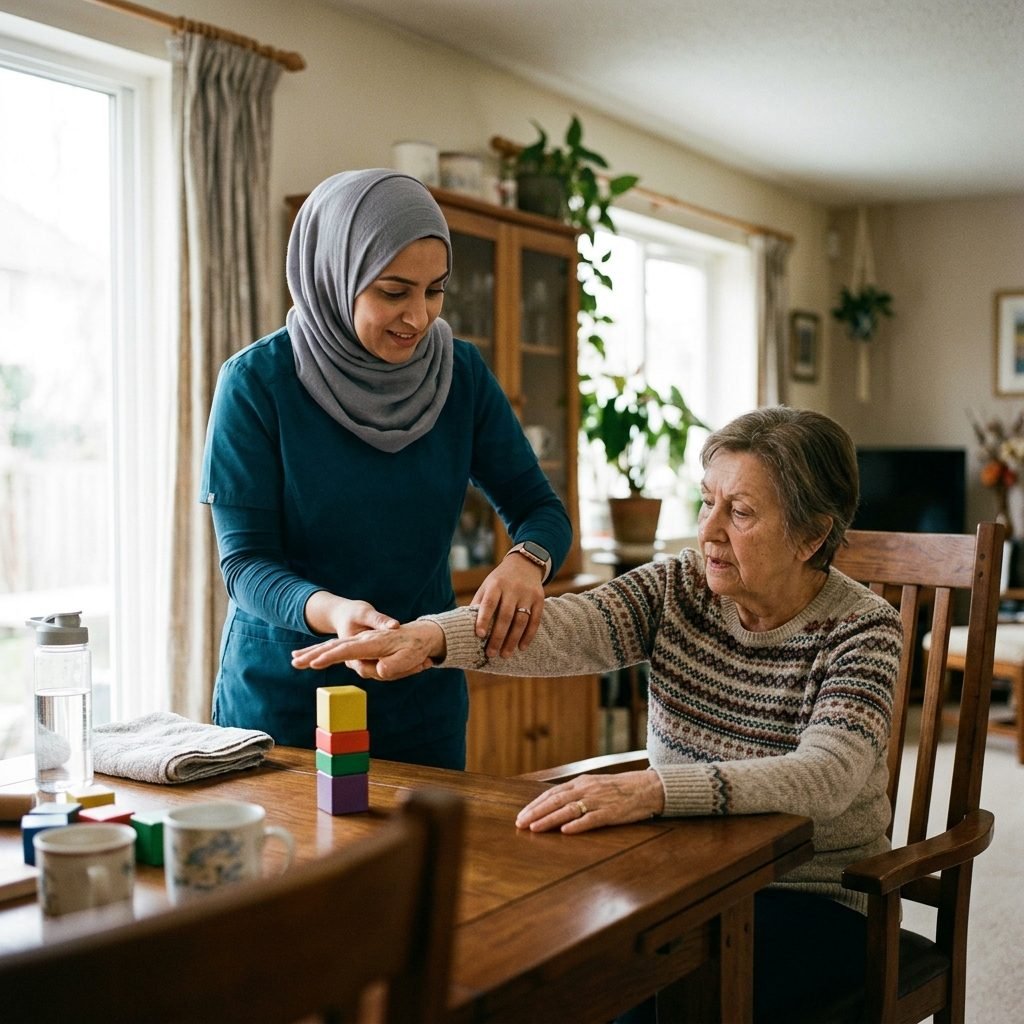
Stroke Rehabilitation
Advanced motor and neurological stroke recovery at home in Al Fayha.
Service Details ←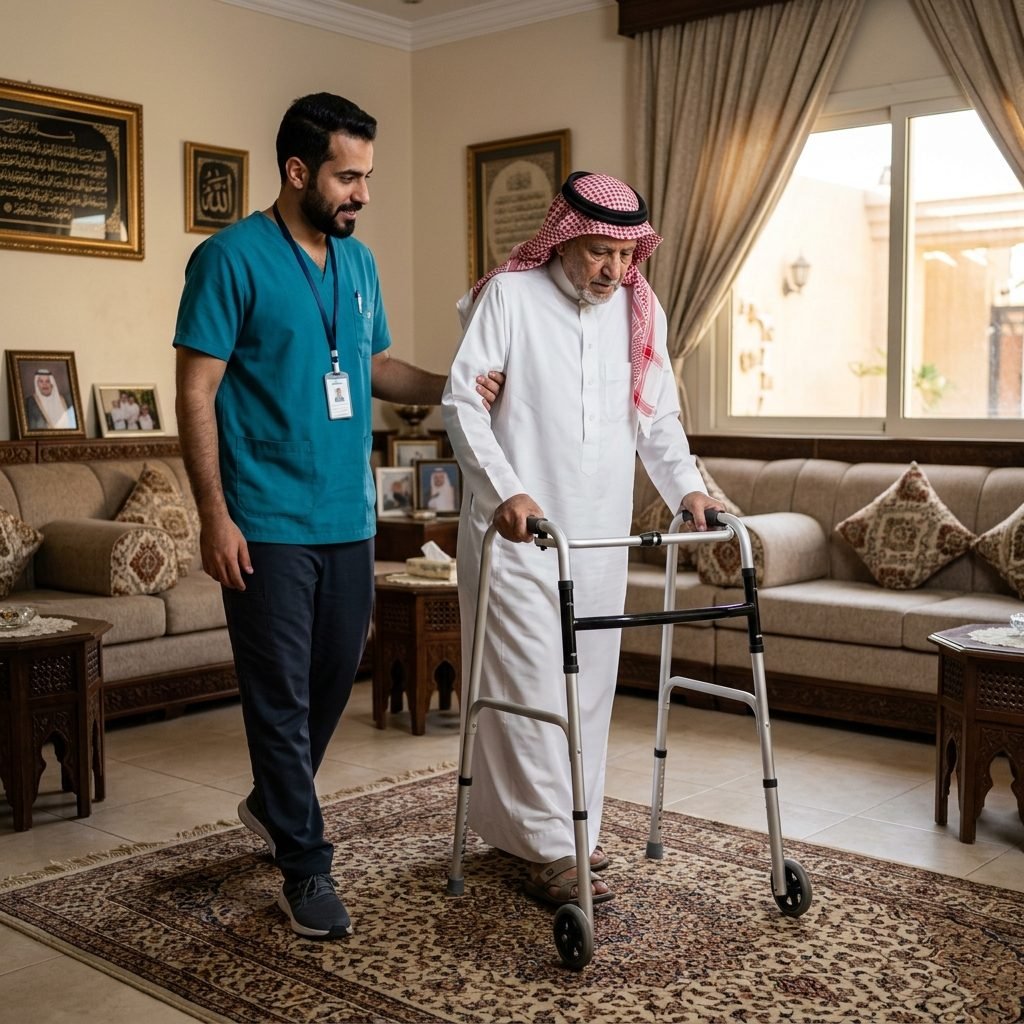
Geriatric Physical Therapy
Balance training, strengthening, and fall prevention for seniors in Al Fayha.
Service Details ←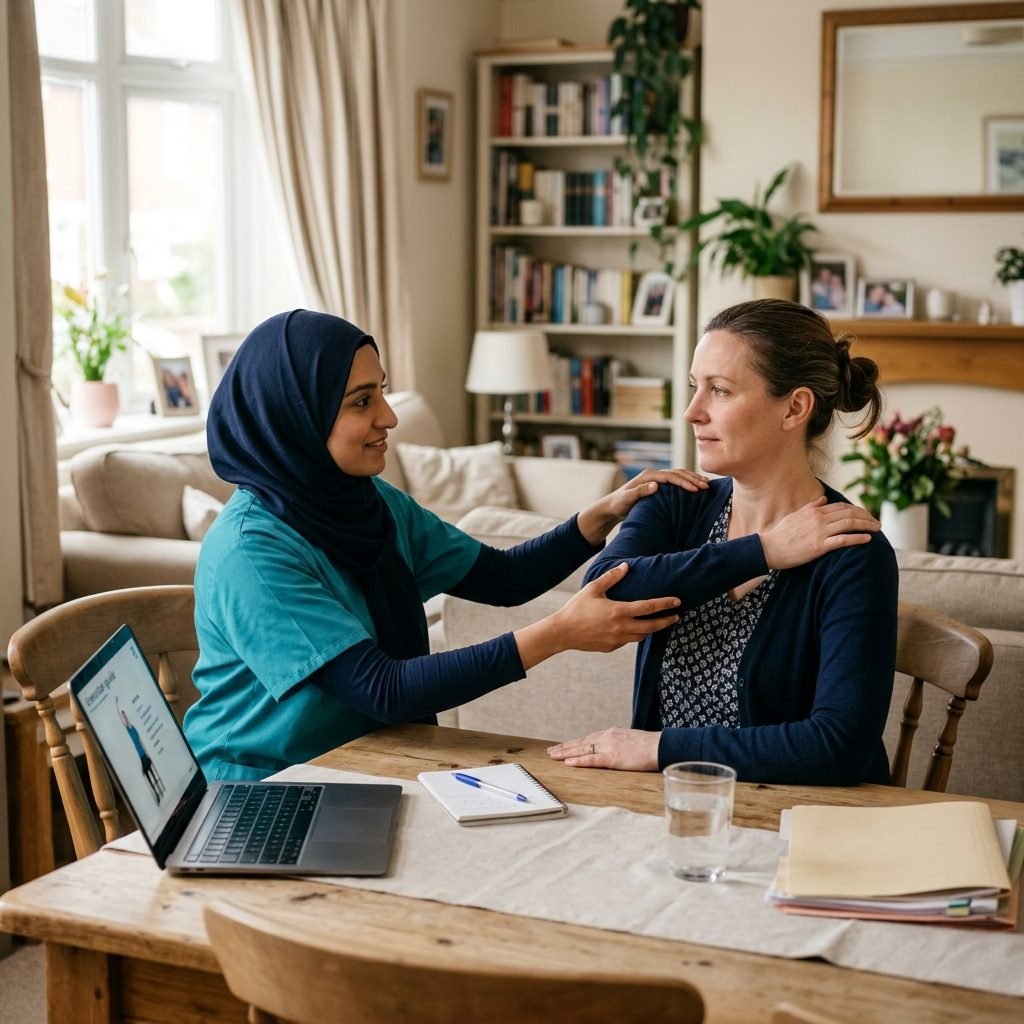
Female Physiotherapist
Licensed female therapists providing home care for women in Al Fayha.
Service Details ←