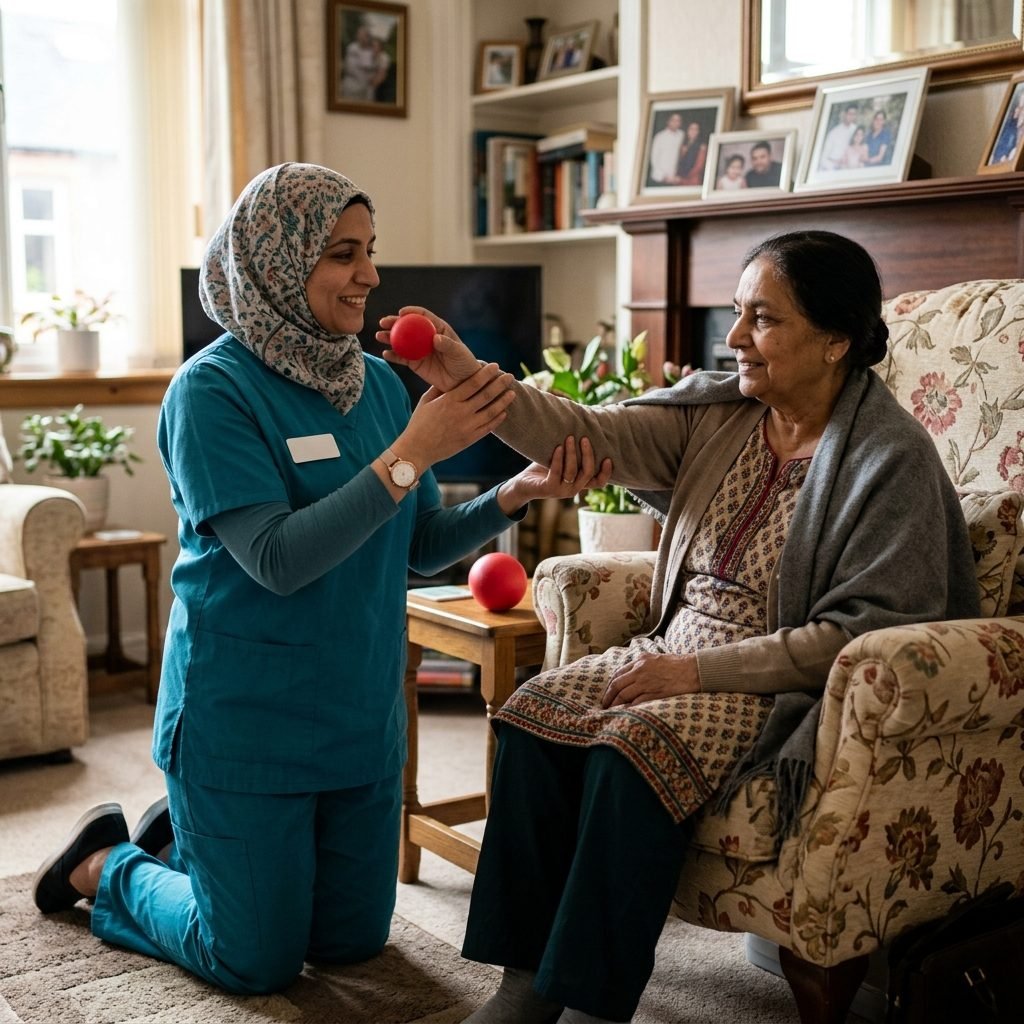
Having access to comprehensive, clinical physical therapy at home is crucial for maintaining rehabilitation progress, especially in busy neighborhoods. Al-Safa and Al Andalus districts in Jeddah present unique local mobility challenges due to high population density and traffic. At Bidaya Center, we deliver high-quality home physiotherapy and movement rehabilitation services directly to your doorstep, conforming to the clinical guidelines of the Saudi Commission for Health Specialties. We eliminate the stress of travel, traffic, and parking. We respect cultural privacy by providing certified male therapists for male patients and female therapists for female patients.
Our clinical approach in Al Andalus starts with a detailed physical and environmental safety assessment to eliminate fall hazards in the home. We bring all necessary portable, sterilized equipment to deliver a clinical standard of care comparable to external clinics. The therapist establishes a tailored milestone tracking plan to monitor muscle strength, balance, and joint range of motion (ROM) progression over time.
Why families in Al Andalus choose Bidaya for home physiotherapy
- ✅ Licensed male & female therapists — full privacy, in your own home in Al Andalus.
- ✅ Fully in-home visits across Al Andalus — no travel or traffic.
- ✅ A personalized rehab plan built after a thorough in-home assessment.
- ✅ Continuous follow-up and direct contact with your therapist throughout.
- ✅ Fast response — arrange your visit by a quick call or WhatsApp message.
We also serve nearby areas: Al Basateen · Al Bawadi · Al Fayha
* The treatment plan and expected outcomes are determined by a medical and functional assessment of each individual case.
What Home-Based Neurological Physiotherapy Means for Al Andalus Residents
Neurological physiotherapy is a specialized field focused on rehabilitating people whose central or peripheral nervous system has been affected, whether by a stroke, a spinal cord injury, or a chronic neurological condition. Its core is not simply building muscle strength; it rests on the principle of neuroplasticity, the brain's ability to reorganize its pathways and relearn movement through structured repetition and consistent stimulation. Because this process depends on a familiar and stable setting, delivering it inside the home gives the patient a genuine advantage.
The Al Andalus district in Jeddah has a quiet residential character and easy access to everyday services, which makes home-based care a practical choice for families here. Rather than asking a patient with poor balance or difficulty walking to endure the strain of travel and waiting rooms, a licensed therapist arrives at the front door with the necessary tools and plan. This proximity reduces fatigue and, just as importantly, protects the regularity of sessions that is the single most decisive factor in neurological recovery.
The greater benefit lies in training within the exact space the patient will actually use: the bedroom, the hallway, the stairs, and their own bathroom. When a patient learns to rise from their own bed or move across their own living room, the skill they gain is immediately transferable, not an isolated exercise performed in an unfamiliar place.
Symptoms and Signs That Signal It Is Time to Begin
Many families hesitate to seek neurological rehabilitation, hoping for spontaneous improvement, when early intervention is usually more effective. It helps to recognize the signs that indicate a case needs specialized assessment and should begin without unnecessary delay.
- Sudden or gradual weakness on one side of the body, or difficulty moving an arm or leg.
- Disturbed balance and gait, or repeated falls while moving around the home.
- Muscle stiffness or spasms that restrict the natural movement of the limbs.
- Tremor, noticeable slowness, or a changed walking pattern such as short, shuffling steps.
- Difficulty with coordination, such as being unable to grasp objects precisely or perform fine tasks.
- Numbness or loss of sensation in the limbs that undermines confidence during movement.
- Declining ability to perform daily activities like dressing or bathing independently.
The appearance of any of these signs does not necessarily point to a specific diagnosis, but it justifies a careful functional assessment. The purpose of noticing early is to prevent secondary complications such as joint stiffness and general loss of fitness, which can make later rehabilitation longer and harder.
Conditions and Groups That Benefit
Neurological physiotherapy serves a wide range of ages and conditions, and each program is designed around the individual's abilities and goals. Among the groups who benefit most from home sessions in Al Andalus are:
- Stroke patients at various stages of recovery who need to regain movement and balance.
- People with spinal cord or peripheral nerve injuries following accidents or surgery.
- Those living with chronic neurological diseases such as Parkinson's and multiple sclerosis, to manage symptoms and preserve independence.
- Children with neurodevelopmental needs such as cerebral palsy and delayed motor milestones.
- Patients after head injury or brain surgery who are relearning movement.
- Older adults facing poor balance and gait disorders of neurological origin.
- Cases for whom repeated travel to a clinic is difficult and who prefer a safe home setting.
Because the range of conditions is so varied, we provide licensed practitioners of both genders, so a family can choose a male or female therapist in a way that ensures full comfort and privacy for each patient within their own home.
Goals of the Rehabilitation Program
The program is not built on promises of specific outcomes, but on realistic goals drawn from the clinical and functional assessment of each case and reviewed regularly as the patient progresses. Goals generally move from the essentials toward independence.
- Improving motor control and retraining natural movement patterns as far as possible.
- Strengthening balance and stability to reduce the risk of falls at home.
- Reducing stiffness and spasticity while preserving joint range of motion.
- Strengthening weakened muscles and gradually improving endurance.
- Raising independence in daily activities such as transferring, walking, and self-care.
- Preventing secondary complications such as pressure sores and joint contractures.
- Supporting psychological confidence and encouraging the patient to take an active part in recovery.
These goals are continually recalibrated; what suits a patient in the first weeks after a stroke differs from what someone managing a long-standing chronic condition needs. Being transparent about what is possible and when the next steps can be expected is a fundamental part of our work.
Stages and Path of the Home Sessions
The path always begins with a comprehensive assessment visit inside the home, where the therapist examines muscle strength, balance, sensation, and range of motion, and observes how the patient moves through their real environment. From this assessment an individual plan is drawn up with short-term and long-term goals.
- Assessment stage: measuring functional status, identifying obstacles in the home, and setting priorities.
- Foundation stage: exercises to activate muscles, establish basic control, and prepare the body for training.
- Functional training stage: working on real skills such as bed transfers, standing, walking, and climbing stairs.
- Progression stage: gradually increasing the difficulty of exercises and introducing dynamic balance and coordination.
- Maintenance and integration stage: embedding the gains into daily routine and reducing reliance on assistance.
Throughout these stages, periodic reviews measure progress and adjust the plan. The number and frequency of sessions depend on the nature of the case and its response, and are agreed clearly with the family from the start. Consistency and home repetition between visits are what anchor motor learning over the long term.
The Role of the Family and Caregiver
In home-based neurological rehabilitation, the family is not a mere observer but an essential partner in the plan's success. The therapist visits for a limited number of hours, while the family spends the rest of the day with the patient, so the caregiver is trained to support and safely apply exercises between sessions.
- Learning the correct way to assist with transfers and walking without straining the caregiver's own back.
- Repeating simple prescribed exercises through the day to reinforce motor learning.
- Noticing any change in condition or the onset of new pain and reporting it to the therapist.
- Encouraging the patient toward independence rather than doing everything on their behalf.
- Maintaining a psychologically supportive environment that reduces frustration and strengthens commitment.
We make a point of keeping communication with the family clear and continuous, explaining the reason and purpose behind each exercise, because a caregiver who understands their role raises the program's effectiveness and gives the patient a sense of security within their own home.
Home Safety and Prevention Tips
A safe home environment is part of the treatment itself, especially for neurological patients who are prone to falls. Simple modifications can make a large difference in protecting the patient and easing their movement.
- Removing slippery rugs, cables, and obstacles from the usual movement paths.
- Providing adequate lighting in hallways, bathrooms, and near the bed at night.
- Fitting sturdy grab bars near the toilet and shower to support standing and sitting safely.
- Using closed, firm, non-slip footwear instead of open slippers.
- Keeping daily-use items within easy reach to avoid sudden bending.
- Avoiding overexertion and sticking to the prescribed gradual progression in exercises.
- Watching for signs of fatigue or dizziness and stopping when needed.
These guidelines are general, and during the first visit the therapist tours the home to suggest precise adjustments suited to each patient's condition and to the nature of their residence in Al Andalus, balancing safety with the freedom of movement that progress requires.
Frequently Asked Questions (FAQ)
Can neurological physiotherapy restore the patient to completely normal function?
No specific outcome can be promised, because recovery depends on the type and severity of the neurological injury, the timing of the start, and each body's response. The aim is the best possible improvement and greater independence, and the realistic expectation is defined precisely after the clinical and functional assessment.
When is it best to begin rehabilitation after a stroke or neurological injury?
Generally, the earlier the start after the condition is medically stable, the better for reducing complications, but rehabilitation is also valuable in later and chronic stages. The assessment is what determines the appropriate timing and pace for each case.
How many sessions will the patient need?
There is no fixed number; the count and frequency depend on the nature of the case, its goals, and how it responds. An initial plan is set after assessment and reviewed periodically, and all of this is discussed transparently with the family.
Are female therapists available to ensure privacy?
Yes, our team includes licensed male and female therapists, and the family can choose what suits them to ensure full comfort and privacy inside the home.
What do we need to prepare at home before the session?
Special equipment is usually not required; a suitable space to move, a sturdy chair, and a bed are enough. The therapist brings the essential tools and, during the first visit, suggests any simple adjustments that benefit the patient's safety.
To book a home visit in the Al Andalus district of Jeddah or to ask about your case, contact Bidaya Center by phone or WhatsApp by clicking Call Now, and our team will be glad to arrange the assessment appointment at a time that suits you.
Important Home Visit Details:
- ✓Setup: Please clear a 2x2m space in the room for safety.
- ✓Clothing: Wear loose, comfortable clothes for easy movement.
- ✓Therapist Parity: Male therapists for males, females for females.
- ✓Medical Reports: Keep your MRI or doctor reports ready for evaluation.
Rehabilitation & Services in Al Andalus
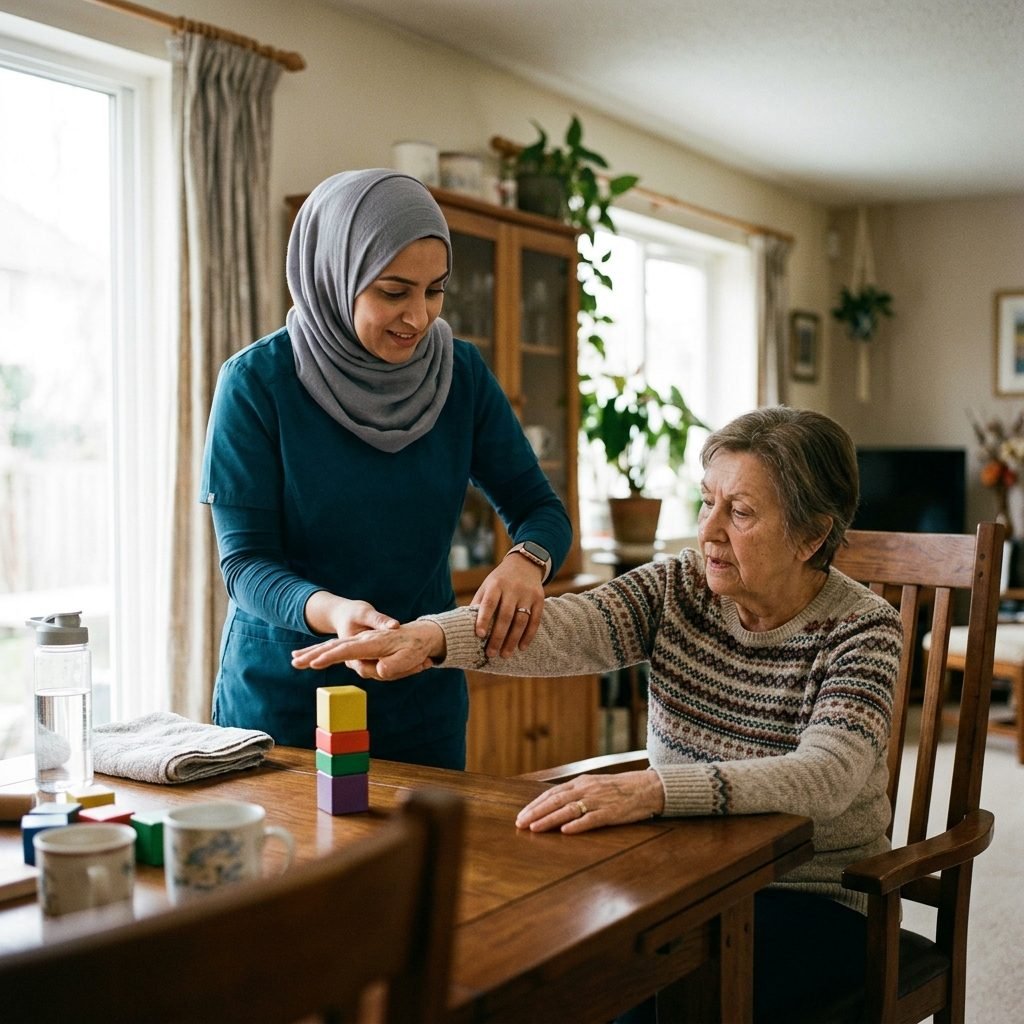
Stroke Rehabilitation
Advanced motor and neurological stroke recovery at home in Al Andalus.
Service Details ←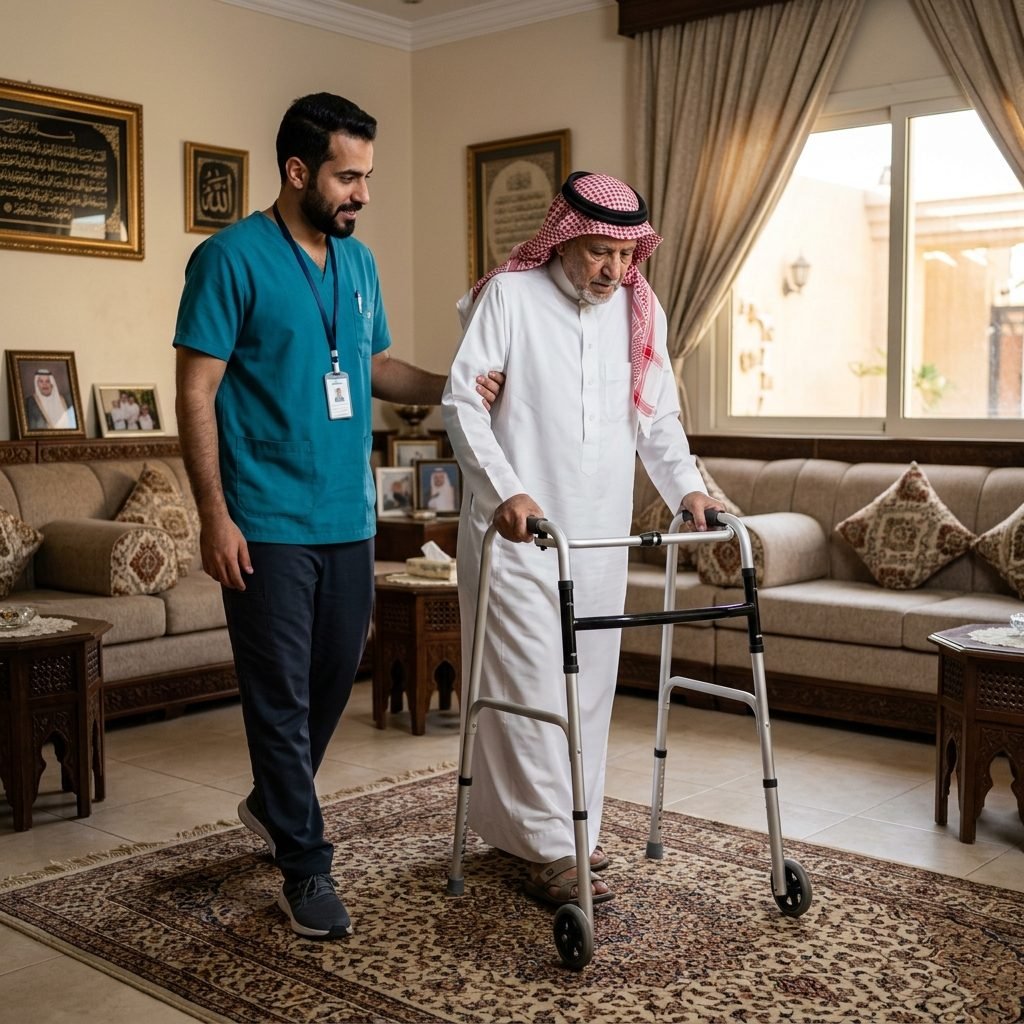
Geriatric Physical Therapy
Balance training, strengthening, and fall prevention for seniors in Al Andalus.
Service Details ←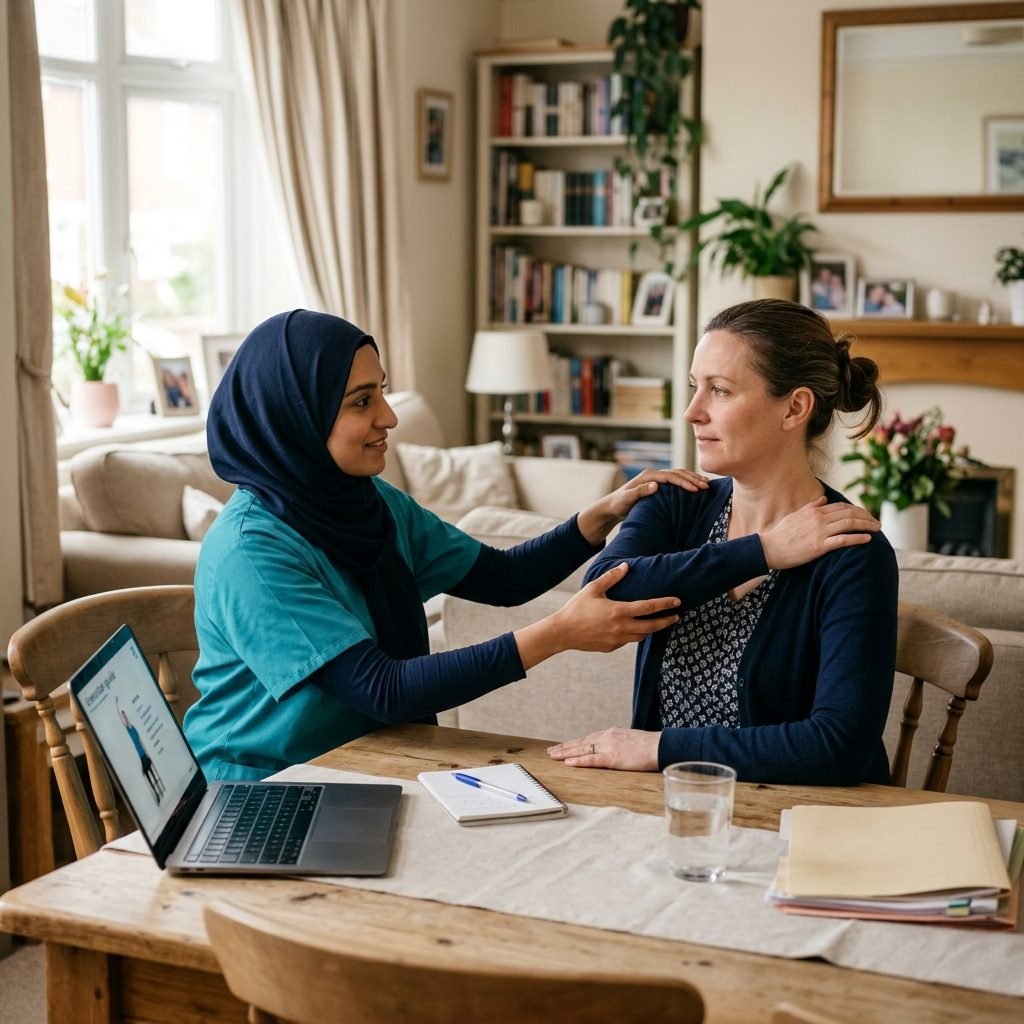
Female Physiotherapist
Licensed female therapists providing home care for women in Al Andalus.
Service Details ←