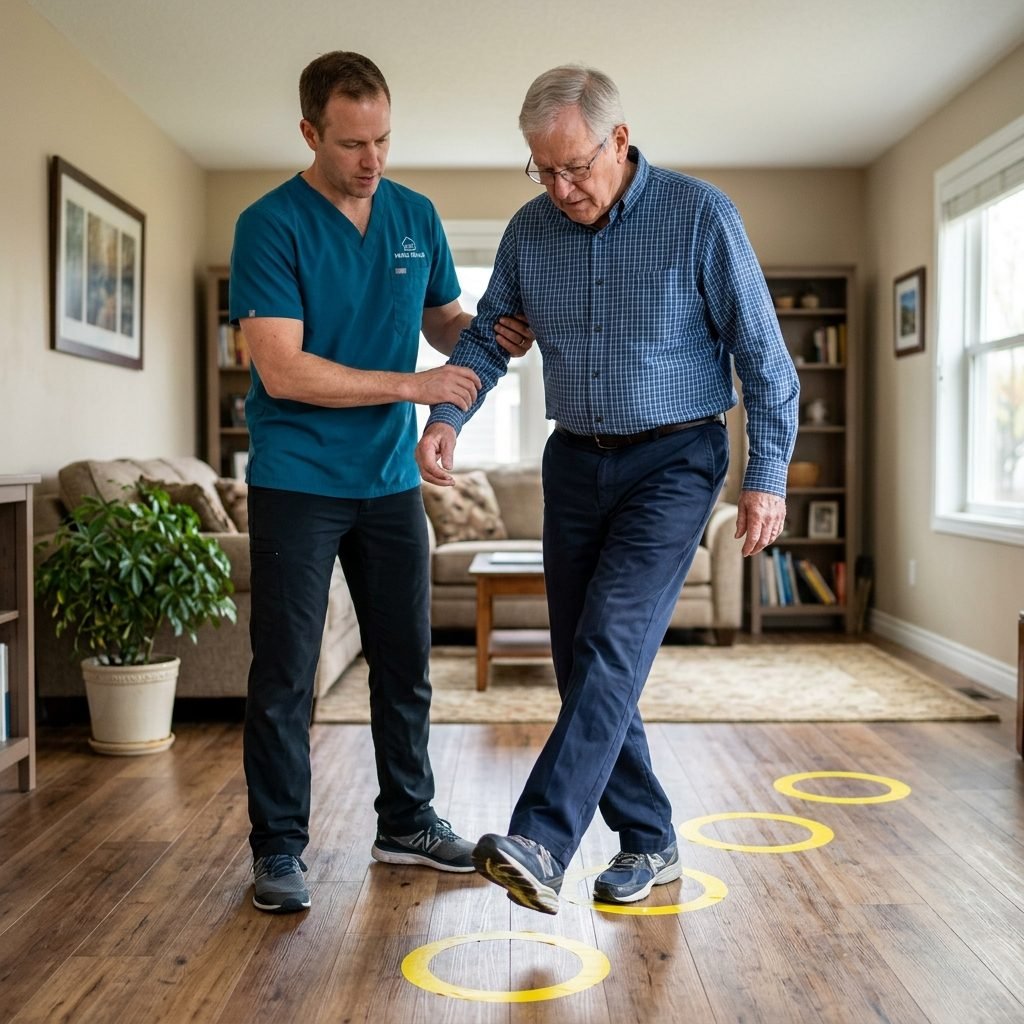
Having access to comprehensive, clinical physical therapy at home is crucial for maintaining rehabilitation progress, especially in busy neighborhoods. Al-Safa and Al Andalus districts in Jeddah present unique local mobility challenges due to high population density and traffic. At Bidaya Center, we deliver high-quality home physiotherapy and movement rehabilitation services directly to your doorstep, conforming to the clinical guidelines of the Saudi Commission for Health Specialties. We eliminate the stress of travel, traffic, and parking. We respect cultural privacy by providing certified male therapists for male patients and female therapists for female patients.
Our clinical approach in Al Andalus starts with a detailed physical and environmental safety assessment to eliminate fall hazards in the home. We bring all necessary portable, sterilized equipment to deliver a clinical standard of care comparable to external clinics. The therapist establishes a tailored milestone tracking plan to monitor muscle strength, balance, and joint range of motion (ROM) progression over time.
Why families in Al Andalus choose Bidaya for home physiotherapy
- ✅ Licensed male & female therapists — full privacy, in your own home in Al Andalus.
- ✅ Fully in-home visits across Al Andalus — no travel or traffic.
- ✅ A personalized rehab plan built after a thorough in-home assessment.
- ✅ Continuous follow-up and direct contact with your therapist throughout.
- ✅ Fast response — arrange your visit by a quick call or WhatsApp message.
We also serve nearby areas: Al Basateen · Al Bawadi · Al Fayha
* The treatment plan and expected outcomes are determined by a medical and functional assessment of each individual case.
Home Parkinson's Physiotherapy and Why It Matters for Al Andalus Residents in Jeddah
Parkinson's disease is a progressive neurological condition that gradually affects movement, balance, and muscle coordination. It calls for regular, structured rehabilitation that helps a person keep as much of their independence as possible for as long as possible. Home physiotherapy for Parkinson's means delivering specialised movement rehabilitation inside the patient's own home instead of requiring repeated trips to a clinic, giving the person a familiar and safe space in which to practise their exercises within the very rooms they live in every day.
Al Andalus is one of Jeddah's lively districts, mixing residential towers with family villas and apartments across a busy commercial and residential landscape. That variety of housing can make daily travel a genuine obstacle for someone living with Parkinson's, especially with traffic and Jeddah's warm, humid climate that quickly tires older adults and anyone dealing with slowness of movement. Having a physiotherapist arrive at the front door becomes a practical solution that removes the burden of transport and keeps sessions consistent.
At Bidaya Center we believe that effective Parkinson's rehabilitation starts inside the home itself. This is where a person relearns how to move safely between rooms, how to rise from their usual chair, and how to walk down their own hallway without freezing or stumbling. Every programme is built on a careful clinical and functional assessment of the individual, so there is no one-size-fits-all protocol. Instead there is a personal plan that respects the stage of the condition, the patient's abilities, and the layout of their home in Al Andalus.
Symptoms and Signs That Signal It Is Time to Begin
Many families delay seeking movement rehabilitation, assuming the symptoms are just a normal part of ageing. In reality, starting physiotherapy early can make a real difference in preserving mobility. There are several signs that should prompt a conversation with a specialist and the start of a home rehabilitation programme without delay.
- Noticeable slowness of movement (bradykinesia) and difficulty starting to walk or changing direction.
- Tremor at rest in the hands or limbs, often more pronounced on one side of the body.
- Muscle stiffness and rigidity with a sense of heaviness and difficulty bending the joints.
- Sudden freezing while walking, as though the feet are stuck to the floor.
- Balance problems with frequent stumbling or a tendency to fall, especially when turning.
- A changed walking pattern with short shuffling steps and a stooped, forward-leaning posture.
- Reduced facial expression, smaller handwriting, and a softer, less clear voice.
- Rapid fatigue and difficulty performing daily tasks that were once easy.
The appearance of any of these signs, even mild ones, is a signal that a specialised assessment matters. Starting early does not stop the disease, but it helps slow the decline of motor function and preserve quality of life for as long as possible, always guided by what the individual assessment reveals about each case.
Conditions and Groups That Benefit
Home physiotherapy for Parkinson's suits a wide range of patients at different stages, and each case receives a programme tailored to the degree of progression and functional ability. Among the groups that benefit most from this service in Al Andalus are:
- Patients in the early stages who want to maintain their physical fitness and prevent decline in their abilities.
- Patients in the middle stages who have begun facing difficulties with balance, walking, and daily activities.
- Patients in the advanced stages who need to preserve range of motion and prevent the complications of reduced mobility.
- Older adults who find repeated trips to clinics difficult and prefer the comfort of their own home.
- Those who have had a previous fall and need to rebuild confidence and balance during movement.
- Patients recovering from long periods of bed rest or hospitalisation who need to gradually regain muscle strength.
- Those experiencing joint stiffness and general deconditioning as a result of inactivity.
At Bidaya Center we provide licensed male and female physiotherapists, so families can choose what suits their situation while enjoying complete privacy at home. This flexibility keeps the service comfortable for every member of the household and strengthens the patient's commitment to sessions in an environment where they feel at ease and reassured.
Goals of the Rehabilitation Programme
The Parkinson's movement rehabilitation programme aims to enable the patient to live with as much independence and safety as possible inside their own home. Goals are set individually after assessment and are continually reviewed as the condition evolves. The most important of these include:
- Improving balance and reducing the risk of falls during daily movement and turning.
- Enhancing the walking pattern, increasing step length, and overcoming freezing episodes.
- Maintaining muscle and joint flexibility while reducing stiffness and rigidity.
- Strengthening the trunk and limb muscles to support safe standing, sitting, and rising.
- Improving overall posture and correcting the forward stoop associated with the condition.
- Increasing the ability to perform daily activities such as dressing and moving between rooms.
- Supporting breathing and chest posture to help with voice and movement.
- Boosting psychological confidence and morale through tangible movement achievements.
We stress that these goals represent a realistic direction for improvement, not a promise of guaranteed results or a full cure. Parkinson's is a progressive condition, and the role of rehabilitation is to slow decline and preserve the best possible functional level, tailored to each stage and each case on its own terms.
Stages and Pathway of the Home Sessions
At Bidaya Center we follow a structured pathway that ensures each session builds on the one before it and moves closer to the agreed goals. The pathway starts with assessment and continues with ongoing follow-up, with the flexibility to adjust according to the patient's response.
- Initial assessment: a home visit to examine mobility, balance, walking pattern, and degree of stiffness, along with a review of medical history and medications.
- Building the plan: designing an individual programme with clear goals and a session schedule that fits the patient's condition and daily routine at home.
- Treatment sessions: balance, gait, stretching, and strengthening exercises, plus training in strategies to overcome freezing and move safely around the home.
- Functional training: applying exercises to real tasks such as getting out of bed, moving through hallways, and using the bathroom safely.
- Reassessment: measuring progress periodically and adjusting exercise intensity and the goals for the next stage.
- Follow-up and sustainability: giving the patient and family a home programme to continue between sessions and consolidate the gains achieved.
Every visit makes use of the home's own furniture and actual spaces as training tools. The chair, the bed, and the hallway become realistic exercise stations that reflect the genuine daily challenges the patient faces in their home in Al Andalus.
The Role of Family and Caregiver
The success of Parkinson's rehabilitation at home is closely tied to family involvement. The caregiver is an essential partner in the journey of improvement, not merely an observer. We make a point of involving family members and training them to support the patient in the right way.
- Learning safe ways to assist with rising, sitting, and transferring without strain on the patient or the caregiver.
- Encouraging the patient to do their daily exercises regularly and stick to the home programme between sessions.
- Noticing any change in mobility or balance and reporting it to the therapist so the plan can be adjusted.
- Keeping a stimulating home environment that encourages movement rather than total dependence and excessive rest.
- Offering psychological support, patience, and understanding of slow movement, giving the patient enough time to complete their tasks.
- Coordinating medication timing with the doctor, since aligning sessions with the medication's effect improves performance.
When the caregiver becomes an aware part of the treatment team, every hour of the day turns into an opportunity for rehabilitation, not just the time of the session. This strengthens results and keeps progress moving forward inside the home.
Home Safety and Prevention Tips
Preparing the home safely is an essential step in preventing falls, which are among the most serious complications for people with Parkinson's. With a well-considered home environment, accidents decrease and the patient feels more confident while moving.
- Remove loose rugs, scattered cables, and obstacles from the pathways used for movement inside the home.
- Provide good lighting in hallways and bathrooms, especially at night to avoid stumbling.
- Install safety handrails in the bathroom, beside the toilet, and at room entrances where needed.
- Use comfortable, non-slip footwear and avoid walking in socks on smooth floors.
- Arrange furniture to leave wide spaces for moving and turning without bumping into things.
- Keep everyday items within easy reach to reduce bending or reaching for high places.
- Encourage the patient to take breaks and drink water regularly, keeping Jeddah's hot climate in mind.
- Avoid rushing during sudden freezing episodes and use visual or rhythmic strategies to start moving safely.
These simple measures make a real difference to the patient's daily safety. During the visit, the therapist offers tailored recommendations for each home's environment according to its layout and the needs of the person living there.
Frequently Asked Questions (FAQ)
Can physiotherapy cure Parkinson's disease completely?
No. Parkinson's is a progressive neurological condition with no complete cure, but physiotherapy helps slow the decline of motor function and preserve balance and independence as much as possible. Expected outcomes are determined by the individual assessment of each case.
How many sessions does a patient need per week?
The number varies from case to case depending on the stage of the disease and the treatment goals. It is determined precisely after the initial home assessment, with periodic reviews to adjust the programme according to the patient's response and progress.
Is a female physiotherapist available for women?
Yes. Bidaya Center has both licensed male and female therapists, and the family can choose what suits their situation while enjoying complete privacy at home in Al Andalus.
Are home exercises safe for older adults?
Yes. The exercises are carefully designed to match the patient's abilities and age, and they are applied under the therapist's supervision in a gradual, safe way, with attention to balance and fall prevention at every step.
What do I need to prepare at home before the session?
You do not need any special preparations, just a suitable space for movement and a stable chair. The therapist uses the home's existing furniture and provides recommendations for making the environment safe during the visit.
To book a home visit for Parkinson's rehabilitation in Al Andalus, Jeddah, contact Bidaya Center by phone or WhatsApp by clicking Call Now. Our team will be glad to answer your questions and arrange an assessment appointment at a time that works for you.
Important Home Visit Details:
- ✓Setup: Please clear a 2x2m space in the room for safety.
- ✓Clothing: Wear loose, comfortable clothes for easy movement.
- ✓Therapist Parity: Male therapists for males, females for females.
- ✓Medical Reports: Keep your MRI or doctor reports ready for evaluation.
Rehabilitation & Services in Al Andalus
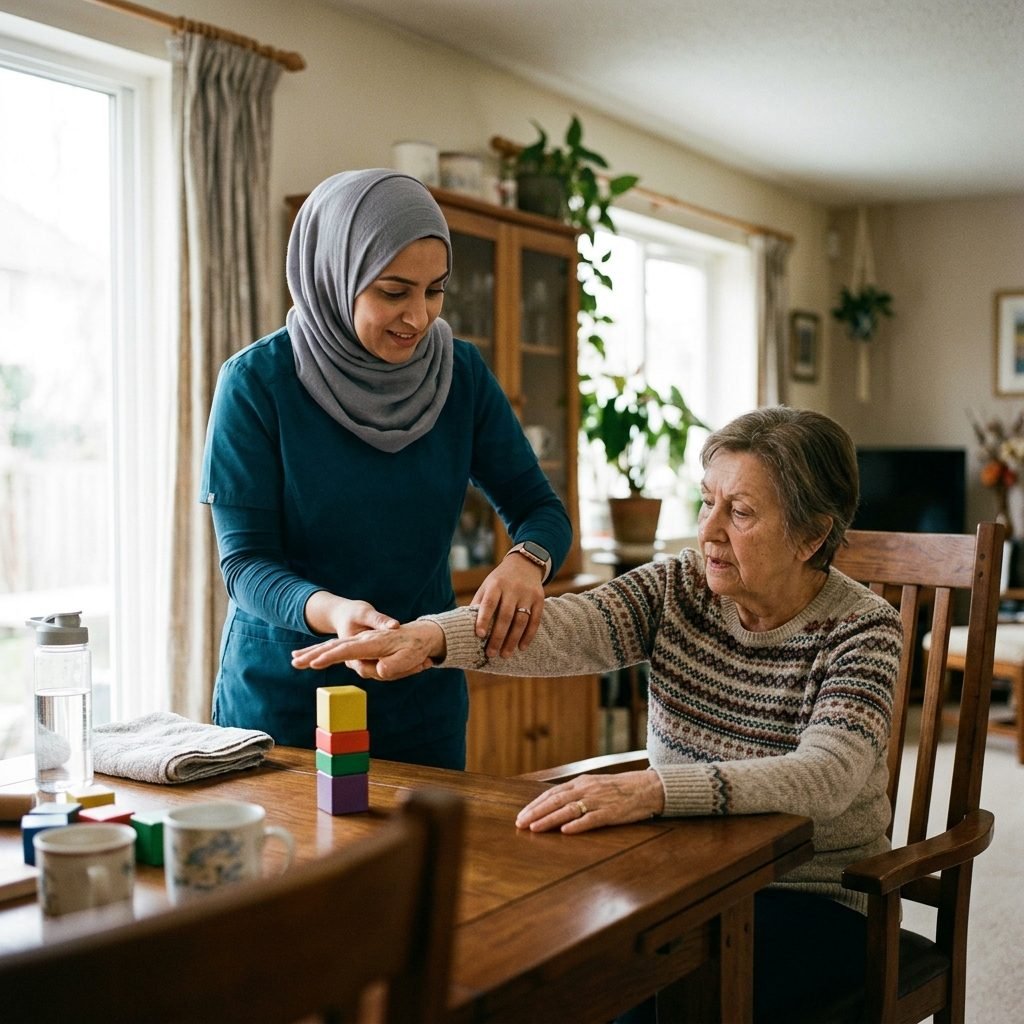
Stroke Rehabilitation
Advanced motor and neurological stroke recovery at home in Al Andalus.
Service Details ←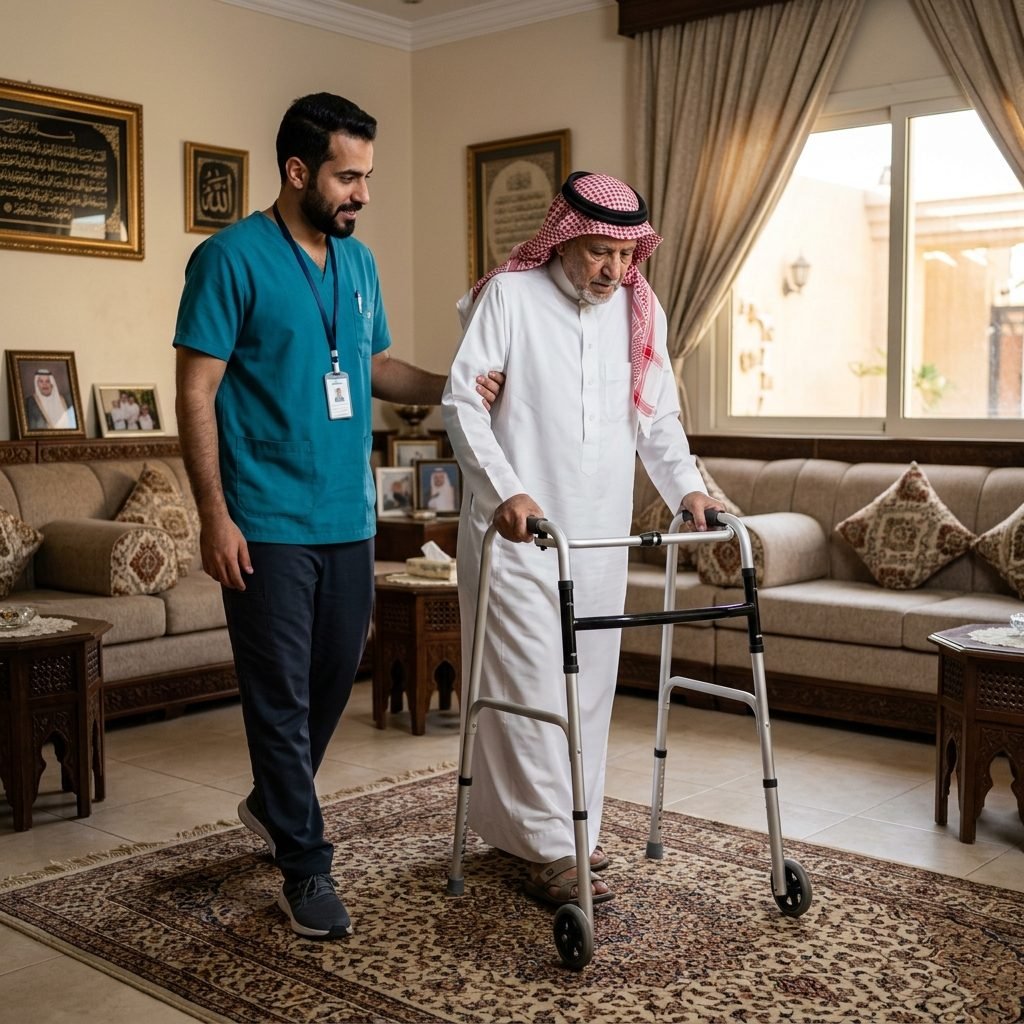
Geriatric Physical Therapy
Balance training, strengthening, and fall prevention for seniors in Al Andalus.
Service Details ←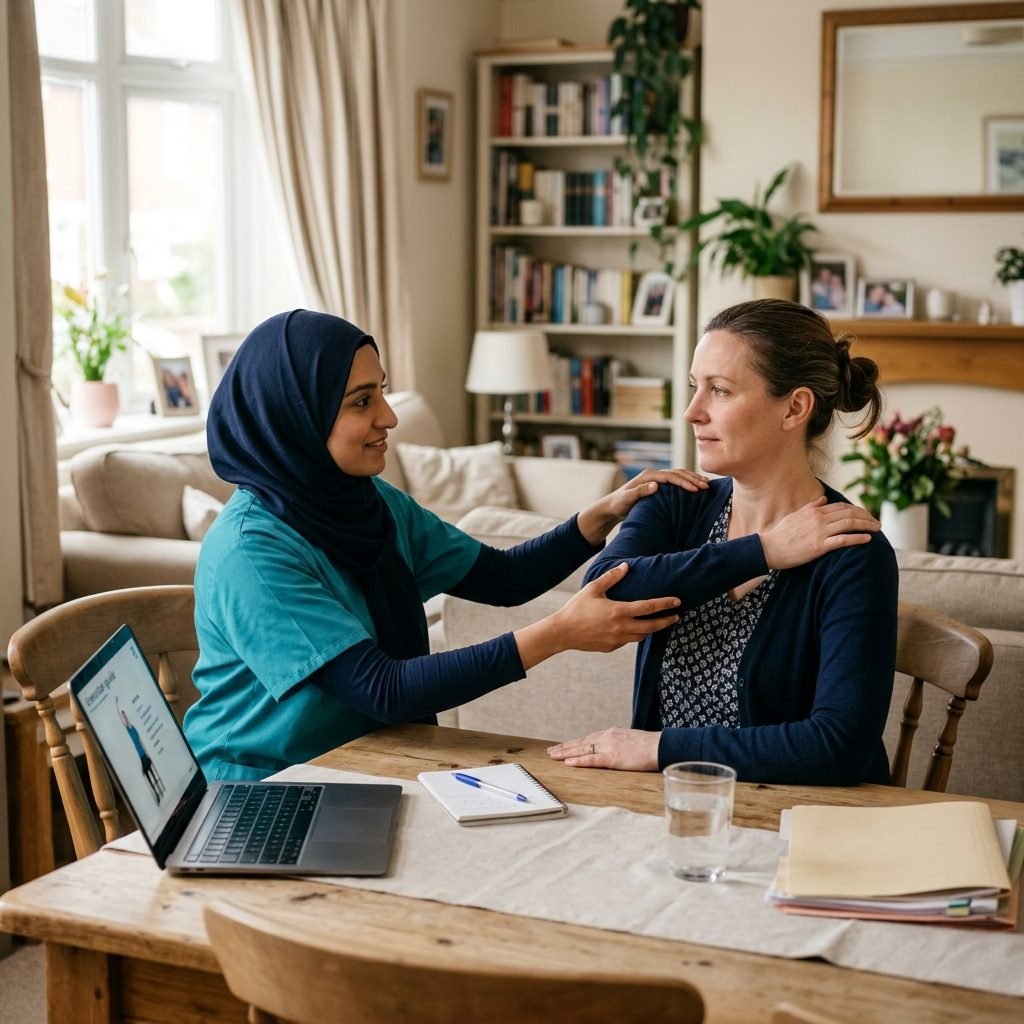
Female Physiotherapist
Licensed female therapists providing home care for women in Al Andalus.
Service Details ←