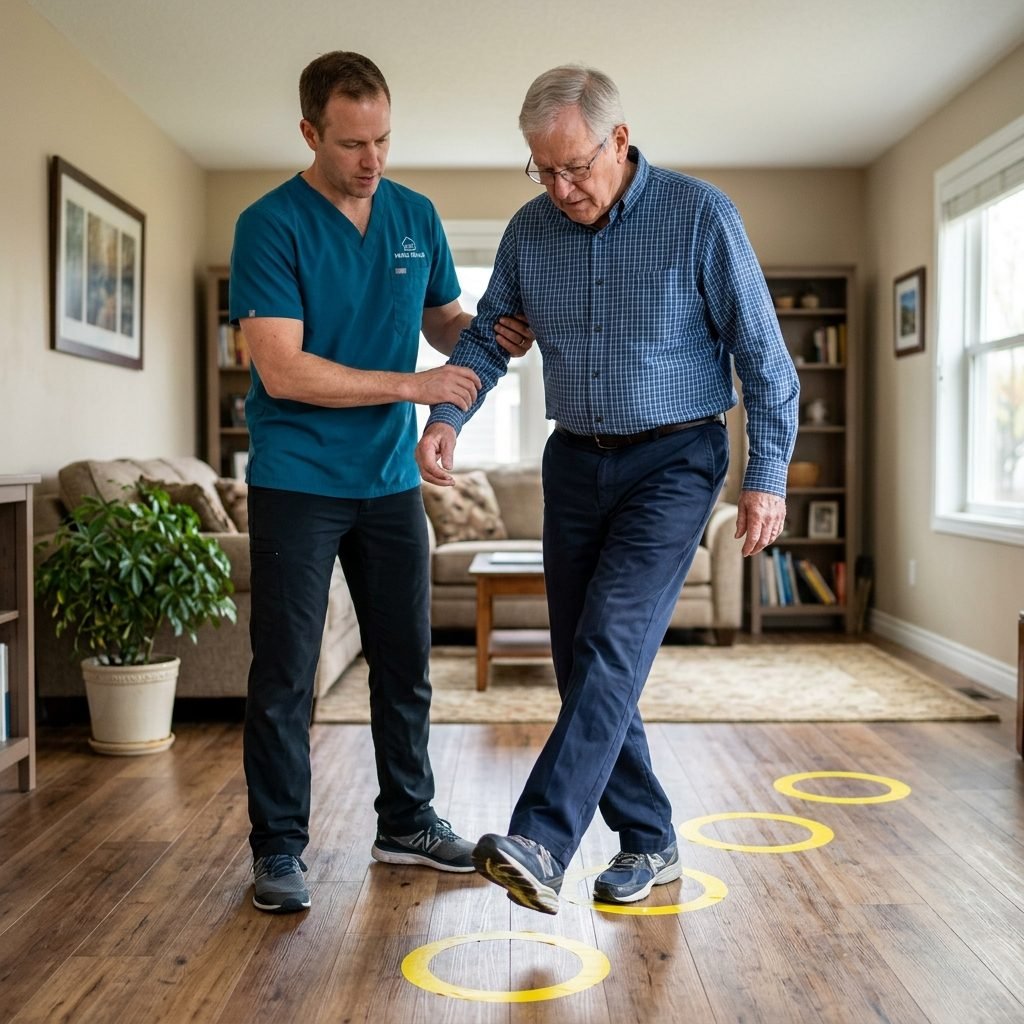
Having access to comprehensive, clinical physical therapy at home is crucial for maintaining rehabilitation progress, especially in busy neighborhoods. Al-Safa and Al Fayha districts in Jeddah present unique local mobility challenges due to high population density and traffic. At Bidaya Center, we deliver high-quality home physiotherapy and movement rehabilitation services directly to your doorstep, conforming to the clinical guidelines of the Saudi Commission for Health Specialties. We eliminate the stress of travel, traffic, and parking. We respect cultural privacy by providing certified male therapists for male patients and female therapists for female patients.
Our clinical approach in Al Fayha starts with a detailed physical and environmental safety assessment to eliminate fall hazards in the home. We bring all necessary portable, sterilized equipment to deliver a clinical standard of care comparable to external clinics. The therapist establishes a tailored milestone tracking plan to monitor muscle strength, balance, and joint range of motion (ROM) progression over time.
Why families in Al Fayha choose Bidaya for home physiotherapy
- ✅ Licensed male & female therapists — full privacy, in your own home in Al Fayha.
- ✅ Fully in-home visits across Al Fayha — no travel or traffic.
- ✅ A personalized rehab plan built after a thorough in-home assessment.
- ✅ Continuous follow-up and direct contact with your therapist throughout.
- ✅ Fast response — arrange your visit by a quick call or WhatsApp message.
We also serve nearby areas: Al Andalus · Al Basateen · Al Bawadi
* The treatment plan and expected outcomes are determined by a medical and functional assessment of each individual case.
What Home-Based Parkinson's Physiotherapy Means for Al Fayha Residents
Parkinson's disease is a progressive neurological condition that gradually erodes control over movement. It shows up as slowness in everyday actions, stiffness in the muscles, a resting tremor, and unsteady balance. Because these features build up over years and look different from one person to the next, home physiotherapy becomes one of the most practical ways to protect independence and preserve quality of life. The idea is straightforward: a qualified therapist comes to the patient's home in Al Fayha, assesses their functional ability inside their own environment, and then designs a training program shaped around the layout of the house and the rhythm of daily life.
Al Fayha is a relatively calm residential district in Jeddah where family homes are common and several generations often share one household. That family character makes home care a sensible choice for older adults living with Parkinson's, many of whom find repeated trips to a clinic exhausting, especially through traffic and heat. When the session arrives at the front door, the patient practices walking down the very corridor they use, standing up from their usual chair, and entering their own bathroom safely. Rehabilitation becomes real and directly transferable, rather than an abstract exercise performed in an unfamiliar room.
At Bidaya Center, we see home treatment for Parkinson's as far more than moving a set of exercises indoors. It is an integrated approach that respects the neurological, psychological, and social sides of the condition together. We have licensed male and female therapists, with full privacy, so each family can choose the care arrangement that suits them. And we are clear that any program we build begins with a careful clinical and functional assessment, and that expected outcomes depend on each individual case and cannot be promised in advance.
Symptoms and Signs That Signal It Is Time to Start
The earlier rehabilitation begins, the easier it is to preserve movement. That is why families in Al Fayha should stay alert to a cluster of signs suggesting a person needs a specialized Parkinson's physiotherapy program:
- Noticeable slowness of movement and difficulty taking the first step, as if the feet are stuck to the floor.
- A tremor in the hand or fingers that appears at rest and eases when the limb is used for a specific task.
- Stiffness in the neck, shoulders, and limbs that causes pain and a sense of heaviness during movement.
- Shortened stride length with the trunk leaning forward, and a change in walking balance that raises the risk of tripping.
- Handwriting that becomes smaller and less clear, reduced facial expression, and a softer, quieter voice.
- Difficulty turning over in bed, or rising from a chair or toilet without help.
- Repeated loss of balance or falls, particularly when turning around or changing direction suddenly.
The presence of one or more of these markers does not necessarily mean a rapid decline, but it is a clear invitation to arrange a specialized assessment. Structured intervention at this stage helps slow the impact of symptoms on daily living and rebuild confidence in movement.
Conditions and Groups That Benefit
The home program is designed to serve a wide range of people living with Parkinson's and similar movement disorders in Al Fayha, and its aims shift depending on the stage of each case:
- The newly diagnosed: those who want to build a strong movement foundation early, stay active, and resist the progression of symptoms.
- The moderate stage: those whose stiffness and slowness are affecting walking and balance and who need intensive training on movement patterns.
- Advanced cases: those whose mobility has declined significantly and who need to preserve joint range and prevent contractures and pressure sores.
- Patients after a fall: those who have experienced a stumble that shook their confidence and need to relearn balance and safe walking.
- Older adults with co-existing conditions: such as high blood pressure, diabetes, or osteoporosis, for whom traveling to a clinic is difficult.
- People with other movement disorders resembling Parkinson's, who benefit from balance and coordination training.
Our work always starts by identifying which group a patient belongs to and the stage of their condition, because someone newly diagnosed needs an entirely different approach from someone who has lived with the disease for years. That distinction is what keeps the plan tailored and realistic.
Goals of the Rehabilitation Program
Parkinson's physiotherapy does not aim to stop the disease, which is beyond the reach of any program. Instead, it aims to enable the patient to live with as much independence and safety as possible. Together with each family in Al Fayha, we set clear and measurable goals, the most important of which include:
- Improving muscle flexibility and reducing the stiffness that restricts the joints and causes pain.
- Lengthening stride and correcting the walking pattern to reduce tripping and freezing during movement.
- Strengthening the trunk and limb muscles to support standing, sitting, and steady transfers.
- Training balance reactions to prevent falls, one of the most dangerous complications of Parkinson's.
- Preserving joint range of motion and preventing contractures in advanced cases.
- Enhancing the ability to carry out daily tasks such as dressing, eating, and bathing with greater independence.
- Supporting breathing and posture to counter the forward trunk lean that often accompanies the disease.
- Lifting morale and self-confidence through tangible movement achievements the patient can feel.
These goals are not fixed. We review them regularly and adjust them according to how the patient responds. We also stress that the ceiling of expectations is drawn after the first assessment, because it depends on the stage of the disease, general health, and any co-existing conditions.
Stages and Pathway of the Home Sessions
To keep the therapeutic journey organized and clear for every family in Al Fayha, we divide the session pathway into successive stages that build on one another:
- Initial assessment stage: the therapist visits the home to examine strength, balance, walking pattern, and flexibility, notes the layout of the house and possible hazards, and listens to the priorities of the patient and family.
- Planning stage: we write a program with short-term and long-term goals, and set the number of weekly sessions along with the type and intensity of the exercises.
- Active training stage: regular sessions that include stretching and strengthening, walking practice with a steady rhythm, balance and coordination drills, and safe transfers.
- Functional integration stage: we carry the acquired skills over to real daily tasks inside the home, such as getting out of bed, moving around the kitchen, and entering the bathroom.
- Follow-up and reassessment stage: we measure progress with clear indicators, adjust the program, and train the family to continue exercises between visits.
The length of each session and how many are held weekly are set according to the patient's condition and tolerance. We begin at a comfortable pace and progress gradually, keeping in mind the timing of medication, since a Parkinson's patient's performance often improves within specific windows during the day.
The Role of the Family and Caregiver
Successful Parkinson's rehabilitation at home depends heavily on the family, which is a strong presence in Al Fayha's family households. The therapist spends only a limited number of hours each week, while the patient lives the rest of their time with relatives, so we bring the caregiver into the plan from day one.
- We teach the family the correct way to help the patient stand and transfer without exhausting them or straining their own backs.
- We train them to supervise simple, safe exercises the patient repeats between sessions to reinforce progress.
- We explain how to encourage independence rather than doing everything on the patient's behalf, since over-helping weakens their ability.
- We help them understand the fluctuation of symptoms across the day and link it to medication timing, rest, and activity.
- We alert them to the signs that call for reviewing the treating physician or adjusting the plan.
This collaboration relieves the psychological pressure on the caregiver and gives them practical tools that make them an active partner in rehabilitation rather than a mere companion. We also attend to the patient's own emotional wellbeing, because family support strengthens their commitment to the exercises and their willingness to keep going.
Home Safety and Prevention Tips
A safe home environment is half of the treatment, especially given the high fall risk in Parkinson's. Here are practical guidelines that can be applied in any home in Al Fayha:
- Remove sliding rugs and scattered cables from walking paths, and secure the edges of any mats firmly.
- Provide adequate lighting in corridors and bathrooms, with a night light to make moving around at night easier.
- Install fixed grab bars near the toilet and inside the shower area, and use a shower chair when needed.
- Choose closed shoes with non-slip soles, and avoid walking in socks on smooth floors.
- Arrange furniture to leave wide, clear pathways, and stabilize the chairs the patient relies on when standing.
- Keep frequently used items within easy reach to avoid sudden bending or high reaching.
- Encourage the patient to move slowly and pause for a moment before turning, since a quick turn is one of the most common moments of losing balance.
These steps do not replace the therapy program, but they protect the gains and reduce the falls that can set a patient back several steps. Our therapists are happy to offer additional, tailored recommendations after inspecting the home up close.
Frequently Asked Questions (FAQ)
Can Parkinson's disease be fully cured with physiotherapy?
There is no treatment that completely cures Parkinson's, and physiotherapy does not stop the disease. It is, however, an effective tool for preserving movement, balance, and independence and for slowing the impact of symptoms on daily life. Expected results are determined after a clinical and functional assessment of each case.
How many sessions does a patient need per week?
There is no fixed number that suits everyone; the number and length of sessions depend on the stage of the disease, the degree of stiffness and balance, and the patient's tolerance. We set an initial schedule after the assessment and adjust it as progress is made.
Is a female therapist available for women, with privacy respected?
Yes, we have licensed male and female therapists, and the family can choose what suits them with full respect for the privacy of the home and the comfort of the patient.
What needs to be prepared at home before the first session?
No special equipment is required; a safe space to move, a stable chair, and comfortable clothing are enough. The therapist brings the assessment tools and offers recommendations for adjusting the environment after the first visit.
Is physiotherapy a substitute for Parkinson's medication?
No, physiotherapy complements the medication plan and does not replace it. We coordinate session timing with the medication's effective windows for the best benefit, and we always encourage following the treating physician's instructions.
To book a home visit in Al Fayha or to ask about the Parkinson's physiotherapy program, contact Bidaya Center by phone or WhatsApp by clicking Call Now, and our team will be glad to arrange an assessment appointment that works for you.
Important Home Visit Details:
- ✓Setup: Please clear a 2x2m space in the room for safety.
- ✓Clothing: Wear loose, comfortable clothes for easy movement.
- ✓Therapist Parity: Male therapists for males, females for females.
- ✓Medical Reports: Keep your MRI or doctor reports ready for evaluation.
Rehabilitation & Services in Al Fayha
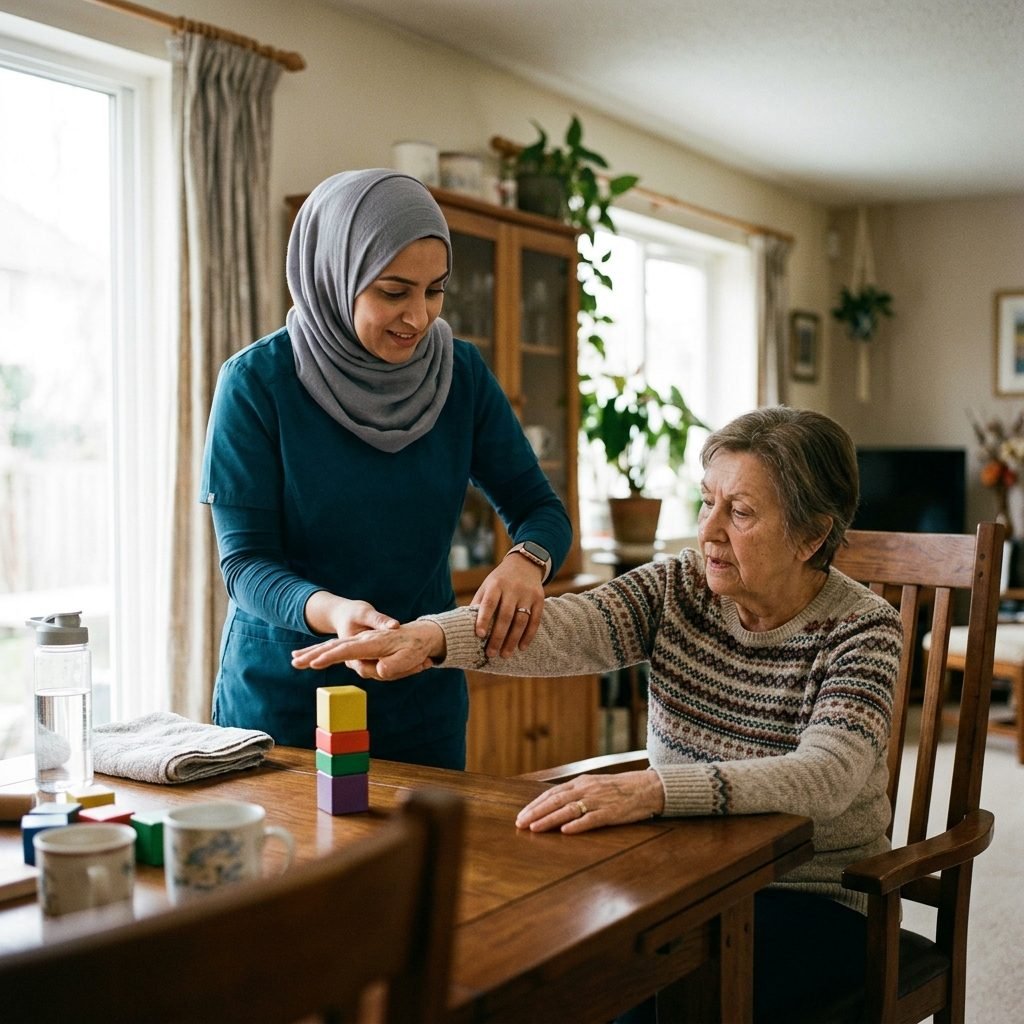
Stroke Rehabilitation
Advanced motor and neurological stroke recovery at home in Al Fayha.
Service Details ←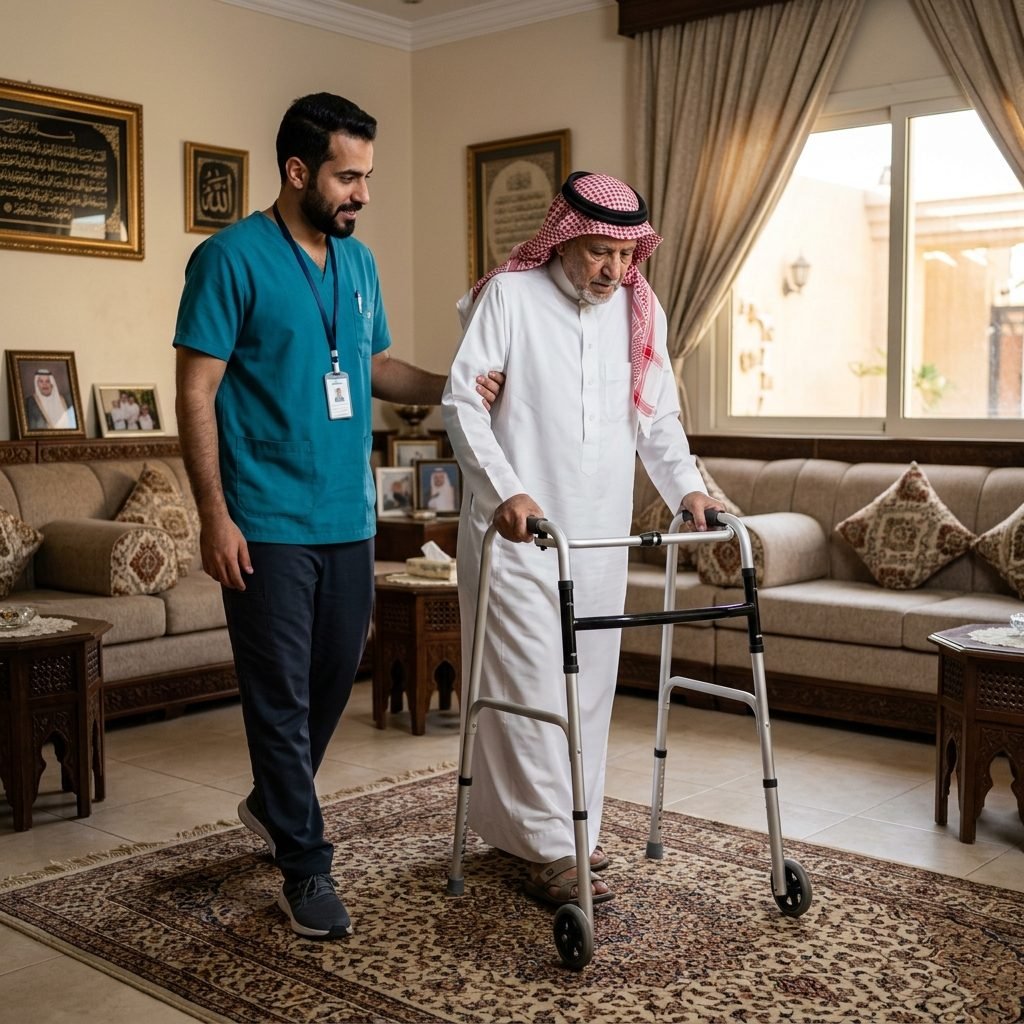
Geriatric Physical Therapy
Balance training, strengthening, and fall prevention for seniors in Al Fayha.
Service Details ←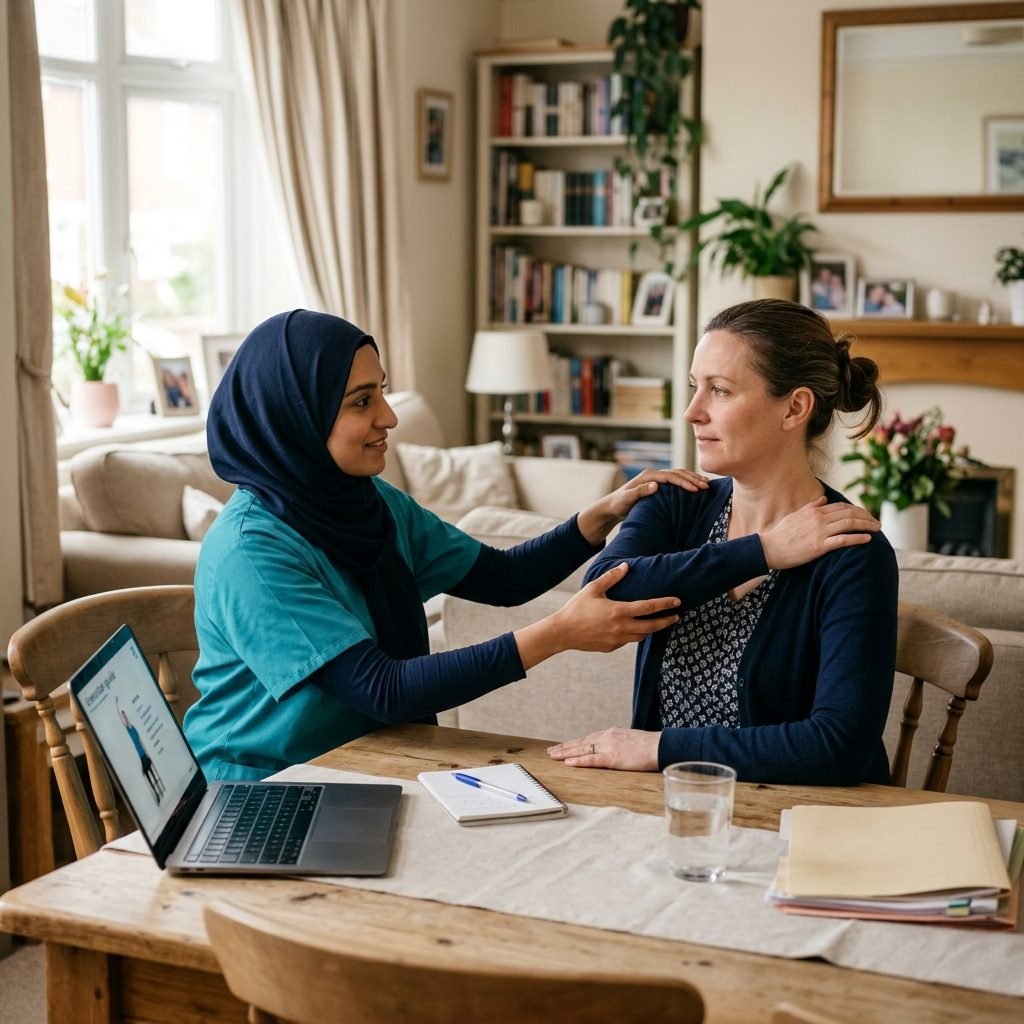
Female Physiotherapist
Licensed female therapists providing home care for women in Al Fayha.
Service Details ←