Having access to comprehensive, clinical physical therapy at home is crucial for maintaining rehabilitation progress, especially in busy neighborhoods. Al-Safa and Al Andalus districts in Jeddah present unique local mobility challenges due to high population density and traffic. At Bidaya Center, we deliver high-quality home physiotherapy and movement rehabilitation services directly to your doorstep, conforming to the clinical guidelines of the Saudi Commission for Health Specialties. We eliminate the stress of travel, traffic, and parking. We respect cultural privacy by providing certified male therapists for male patients and female therapists for female patients.
Our clinical approach in Al Andalus starts with a detailed physical and environmental safety assessment to eliminate fall hazards in the home. We bring all necessary portable, sterilized equipment to deliver a clinical standard of care comparable to external clinics. The therapist establishes a tailored milestone tracking plan to monitor muscle strength, balance, and joint range of motion (ROM) progression over time.
Why families in Al Andalus choose Bidaya for home physiotherapy
- ✅ Licensed male & female therapists — full privacy, in your own home in Al Andalus.
- ✅ Fully in-home visits across Al Andalus — no travel or traffic.
- ✅ A personalized rehab plan built after a thorough in-home assessment.
- ✅ Continuous follow-up and direct contact with your therapist throughout.
- ✅ Fast response — arrange your visit by a quick call or WhatsApp message.
We also serve nearby areas: Al Basateen · Al Bawadi · Al Fayha
* The treatment plan and expected outcomes are determined by a medical and functional assessment of each individual case.
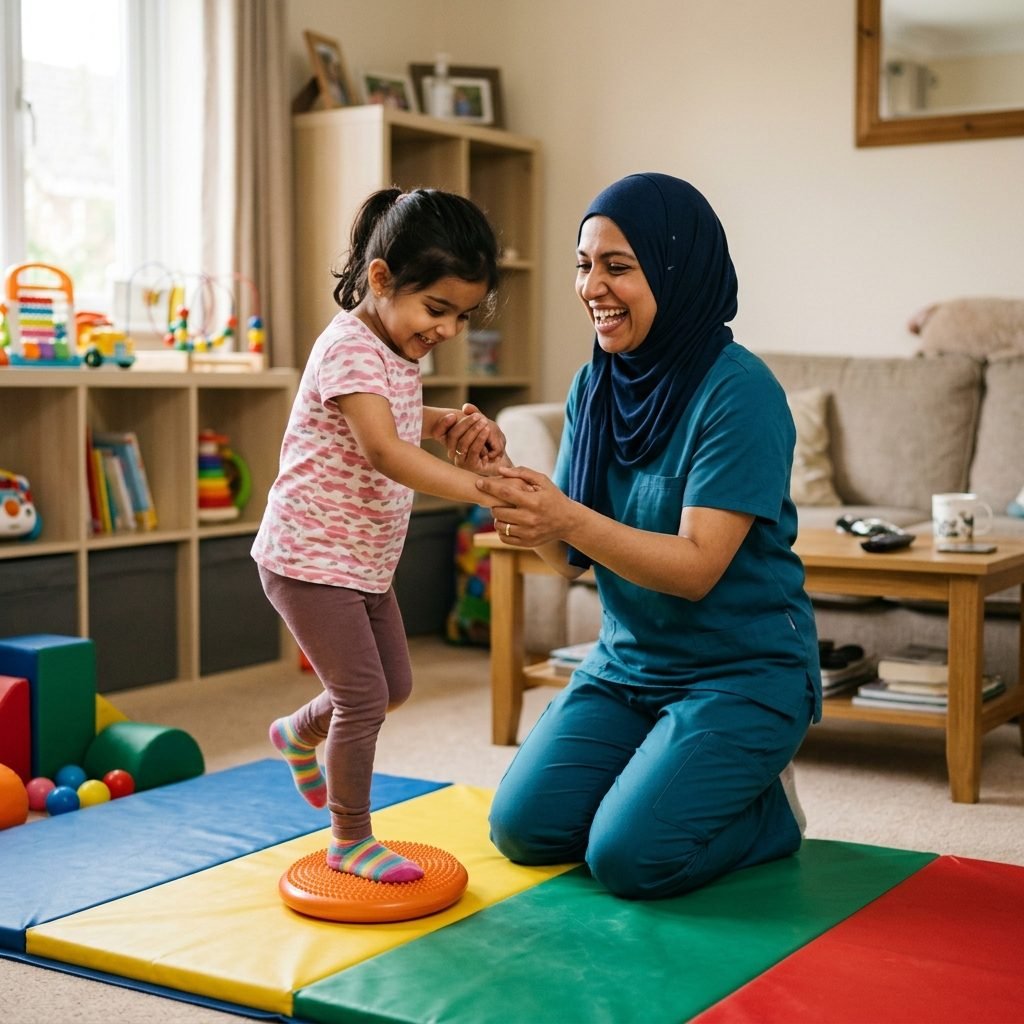
What Home Pediatric Physiotherapy Means and Why It Matters for Al Andalus Families
Pediatric physiotherapy at home is a specialized rehabilitation service that supports a child's motor and functional development inside the environment where they actually live, surrounded by their own family, toys, and familiar furniture. The core idea is simple but powerful: children learn movement, balance, and daily-living skills faster and more reliably when they practice in the room where they crawl, the sofa they pull up on, and the table where they eat, rather than in an unfamiliar clinic that can make a small child anxious and less willing to cooperate. In the Al Andalus neighborhood of Jeddah, a lively residential district full of young families living in apartment towers and villas, this model is a practical answer for parents who struggle to move a baby or toddler through traffic, especially around sensitive nap times.
The therapist arrives with portable equipment and observes the child in real life: crawling across their bedroom floor, reaching for a toy on the coffee table, or trying to stand next to a chair they already know. This everyday observation reveals details that rarely surface inside a clinic room, such as how the child sits while watching television or grips a spoon at mealtime. Given the relatively calm residential character of Al Andalus and its proximity to everyday services, home sessions can be scheduled flexibly around each family's routine. At Bidaya Center we make sure this care is safe and trustworthy, with licensed male and female therapists available and full respect for the privacy of your home.
Signs and Symptoms That Signal It Is Time to Start
Many families hesitate to seek help, hoping the child will simply "grow out of it." Yet early intervention often makes a meaningful difference in the course of motor development. It helps to observe your child and compare their skills against expected milestones for their age, without becoming anxious about every small variation, while watching for signs such as:
- Delays in head control, sitting, crawling, or walking compared with other children of a similar age.
- Noticeably floppy, low-tone muscles, or the opposite, stiff and tight limbs that make diaper changes and dressing difficult.
- Using one side of the body much more than the other, or a strong hand preference at a very early age.
- Persistent toe walking, or an unsteady gait with frequent tripping and falling.
- Poor balance, or weak fine-motor skills such as picking up small objects and self-feeding.
- Avoiding certain positions such as tummy time, or persistent distress and discomfort during movement.
Having one or more of these signs does not automatically mean a serious problem, but it is reason enough to request a professional assessment. An early evaluation reassures the family when development is on track and starts a supportive plan at the right moment when there is a genuine delay.
Conditions and Groups That Benefit
Home pediatric physiotherapy serves a wide range of ages and conditions, from newborn infants to adolescents. Each group has different goals depending on its developmental stage and the specific challenge involved. Among those who commonly benefit are:
- Children with cerebral palsy across its varying degrees, along with the associated disturbances in muscle tone and movement.
- Cases of general motor delay without an obvious cause, and infants who need support to reach their developmental milestones.
- Children with Down syndrome, who often have low muscle tone affecting sitting, standing, and walking.
- Infants with plagiocephaly (flat head) or torticollis (neck tilt), which typically respond well to early intervention.
- Children recovering from fractures, orthopedic surgery, or peripheral nerve injuries who need to regain range of motion and strength.
- Cases of muscle weakness, neuromuscular disorders, and difficulties with balance and coordination.
- Premature infants who require careful developmental follow-up during their first months.
In every case, the plan remains strictly individual. Two children carrying the same diagnosis may need entirely different pathways depending on their abilities, their home environment, and their family's priorities.
Goals of the Rehabilitation Program
The goal is never to exercise a single muscle or improve an isolated movement in isolation. It is to enable the child to participate in daily life with as much independence and confidence as possible. We set goals together with the family so they are realistic, measurable, and meaningful in the child's everyday world. Typical objectives include:
- Improving head and trunk control as the foundation for every motor skill that follows.
- Developing transitions between positions: from lying to sitting, and from sitting to standing.
- Strengthening balance, coordination, and steady walking while reducing tripping.
- Regulating muscle tone, building it up where it is weak and easing it where it is excessive.
- Preserving joint range of motion and preventing deformities and contractures.
- Weaving training into play and daily activities to raise the child's motivation and cooperation.
- Enabling functional tasks such as eating, dressing, and moving around the home as independently as possible.
We always emphasize that the expected outcomes and the time needed to reach them can only be determined after a careful clinical and functional assessment of each individual case, and we never offer absolute guarantees of results.
Stages and Journey of the Home Sessions
The program follows a structured path that begins with understanding the child and continues with ongoing adjustment based on their response. The journey usually moves through these stages:
- Initial assessment: The therapist visits the home, listens to the family's concerns, observes the child during natural movement, and measures range of motion, strength, balance, and developmental skills.
- Plan design: Short-term and long-term goals are defined, and the family agrees on an initial number of sessions and the priorities to work on first.
- Therapeutic intervention: Regular sessions combine therapeutic exercises, sensory and motor stimulation, and play-based activities, using toys and items from the home whenever possible.
- Follow-up and reassessment: Progress is measured periodically, and goals and exercises are adjusted to match the child's development and new stage.
- Home continuity: The family is trained in simple exercises that can be woven into the daily routine between visits to reinforce the gains.
The length and frequency of each session are designed to suit the child's age and attention span, since young children benefit far more from short, enjoyable sessions than from long, tiring ones.
The Role of the Family and Caregiver
The family is not a spectator to the therapy but an essential partner in its success. The therapist spends only a limited number of hours each week, while the family spends the rest of the time with the child, so what happens between sessions matters just as much as what happens during them. We empower parents and caregivers by:
- Explaining the child's condition in clear, plain language, and clarifying the reason and goal behind each exercise.
- Coaching parents hands-on in the correct positions for carrying, sitting, and sleeping that support the child's development.
- Providing simple home exercises that fit naturally into play, bath time, and mealtimes.
- Encouraging the family to notice changes, record them, and share them with the therapist to guide the plan.
- Supporting the parents emotionally and helping them manage the anxiety and frustration that are natural on a rehabilitation journey.
When the entire home becomes a supportive, stimulating space, the child's progress accelerates and becomes more stable, and the child feels safe because the people guiding them are the ones they love and trust most.
Home Safety and Prevention Tips
A safe home environment is a basic condition for any successful rehabilitation program, especially with a child who is learning to move and testing the limits of their abilities. A few simple steps make a big difference in preventing injuries and encouraging safe exploration:
- Set aside a clean, spacious floor area with a non-slip rug for the child's floor exercises and play.
- Anchor heavy furniture and shelves to the wall, and keep sharp edges and small, swallowable objects out of reach.
- Install safety gates at stairs and balconies, particularly in the multi-level apartments and villas common in the neighborhood.
- Ensure good lighting and a dry floor to reduce the risk of slipping during standing and walking practice.
- Choose supportive, correctly sized shoes when training the child to walk, and avoid very slippery surfaces.
- Always supervise the child during exercises, and never force a position that causes clear pain; instead, consult the therapist.
The aim of these measures is not to restrict the child but to give them safe freedom to explore the world and develop their skills without exaggerated fear or genuine danger.
Frequently Asked Questions (FAQ)
Does home physiotherapy replace a clinic visit or the specialist doctor?
Home therapy complements the overall care plan; it does not replace a doctor's diagnosis or specialized investigations. We work within the child's complete medical picture and coordinate, when needed, with the other providers following the case.
What is the right age to start physiotherapy for a child?
There is no age too early for an assessment. Even infants in their first months may benefit from early intervention. The sooner appropriate support begins, the greater the chances of better progress, so waiting is not advisable when there are concerning signs.
Are female therapists available to treat children at home?
Yes. We have both licensed male and female therapists, and the family can choose what suits them best, with full respect for the privacy of the home and the comfort of the child and family.
How many sessions will my child need and how long will the plan take?
This varies greatly from one child to another depending on the condition, the goals, and the response. An exact number or a guaranteed duration cannot be set before the clinical and functional assessment; afterward we outline a realistic picture that is reviewed periodically.
Are the results of therapy guaranteed?
We offer no absolute guarantees. Results depend on the nature of the condition, the consistency of sessions, the family's commitment to home exercises, and many individual factors. What we do guarantee is dedicated professional work and a plan built on a careful assessment.
To book a home visit in Al Andalus, Jeddah, or to ask about your child's condition, contact Bidaya Center by phone or WhatsApp by clicking Call Now, and our team will be glad to help you and arrange a time that fits your family's routine.
Important Home Visit Details:
- ✓Setup: Please clear a 2x2m space in the room for safety.
- ✓Clothing: Wear loose, comfortable clothes for easy movement.
- ✓Therapist Parity: Male therapists for males, females for females.
- ✓Medical Reports: Keep your MRI or doctor reports ready for evaluation.
Rehabilitation & Services in Al Andalus
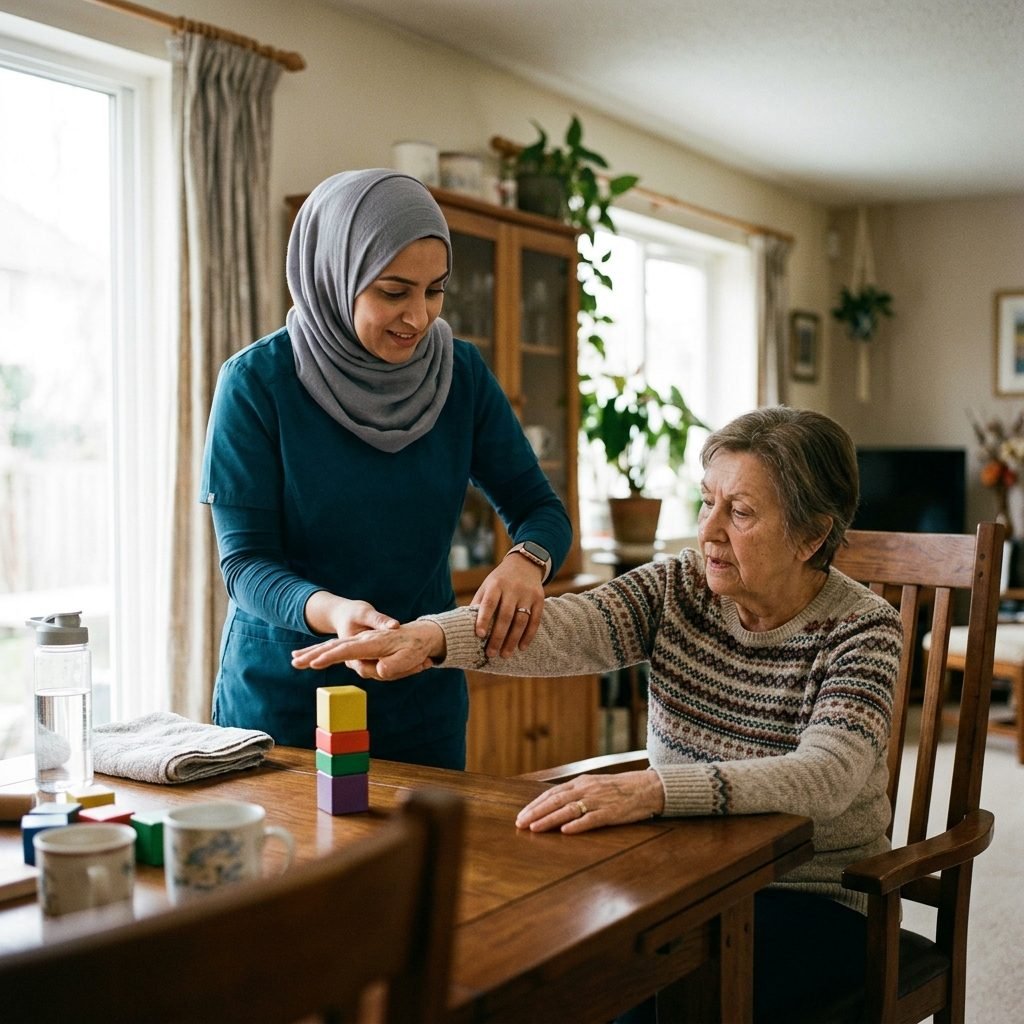
Stroke Rehabilitation
Advanced motor and neurological stroke recovery at home in Al Andalus.
Service Details ←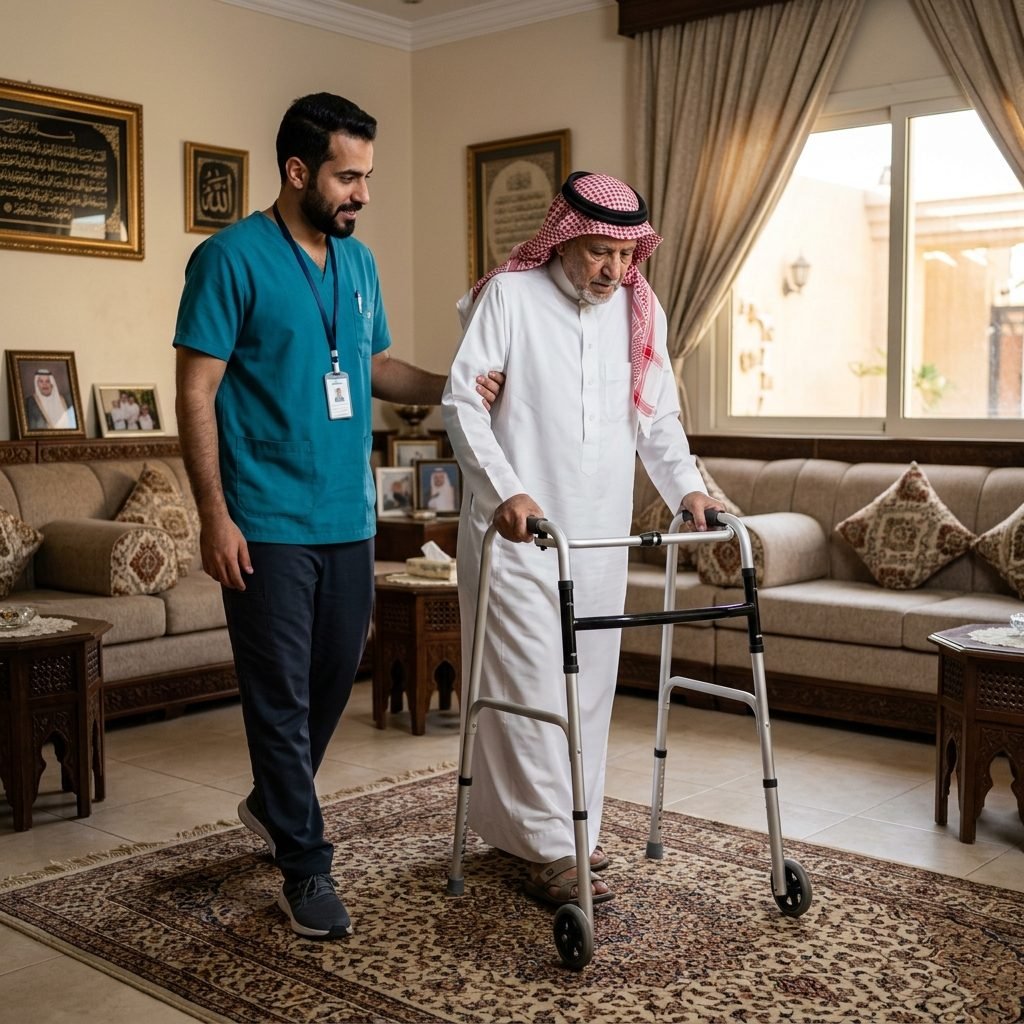
Geriatric Physical Therapy
Balance training, strengthening, and fall prevention for seniors in Al Andalus.
Service Details ←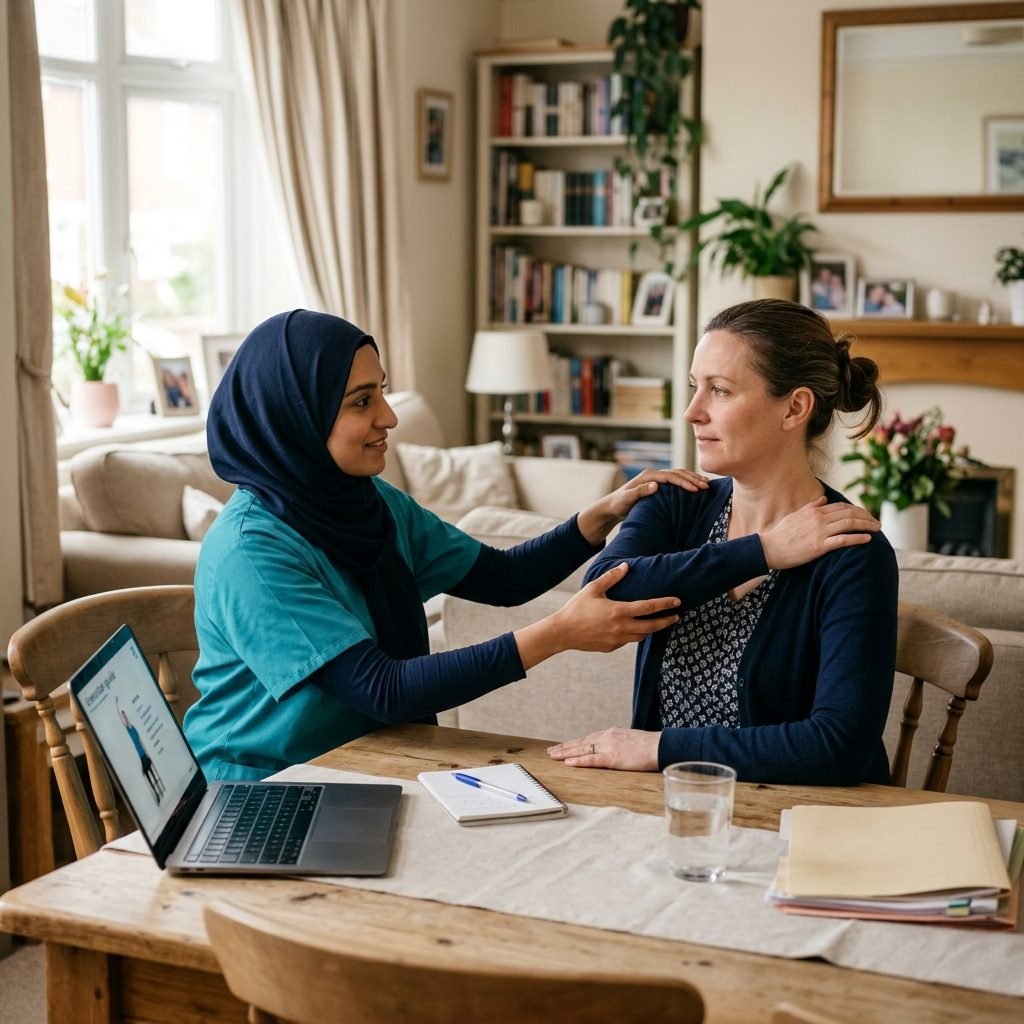
Female Physiotherapist
Licensed female therapists providing home care for women in Al Andalus.
Service Details ←