Having access to comprehensive, clinical physical therapy at home is crucial for maintaining rehabilitation progress, especially in busy neighborhoods. Al-Safa and Al Bawadi districts in Jeddah present unique local mobility challenges due to high population density and traffic. At Bidaya Center, we deliver high-quality home physiotherapy and movement rehabilitation services directly to your doorstep, conforming to the clinical guidelines of the Saudi Commission for Health Specialties. We eliminate the stress of travel, traffic, and parking. We respect cultural privacy by providing certified male therapists for male patients and female therapists for female patients.
Our clinical approach in Al Bawadi starts with a detailed physical and environmental safety assessment to eliminate fall hazards in the home. We bring all necessary portable, sterilized equipment to deliver a clinical standard of care comparable to external clinics. The therapist establishes a tailored milestone tracking plan to monitor muscle strength, balance, and joint range of motion (ROM) progression over time.
Why families in Al Bawadi choose Bidaya for home physiotherapy
- ✅ Licensed male & female therapists — full privacy, in your own home in Al Bawadi.
- ✅ Fully in-home visits across Al Bawadi — no travel or traffic.
- ✅ A personalized rehab plan built after a thorough in-home assessment.
- ✅ Continuous follow-up and direct contact with your therapist throughout.
- ✅ Fast response — arrange your visit by a quick call or WhatsApp message.
We also serve nearby areas: Al Andalus · Al Basateen · Al Fayha
* The treatment plan and expected outcomes are determined by a medical and functional assessment of each individual case.
What In-Home Pediatric Physiotherapy Means for Al Bawadi Families
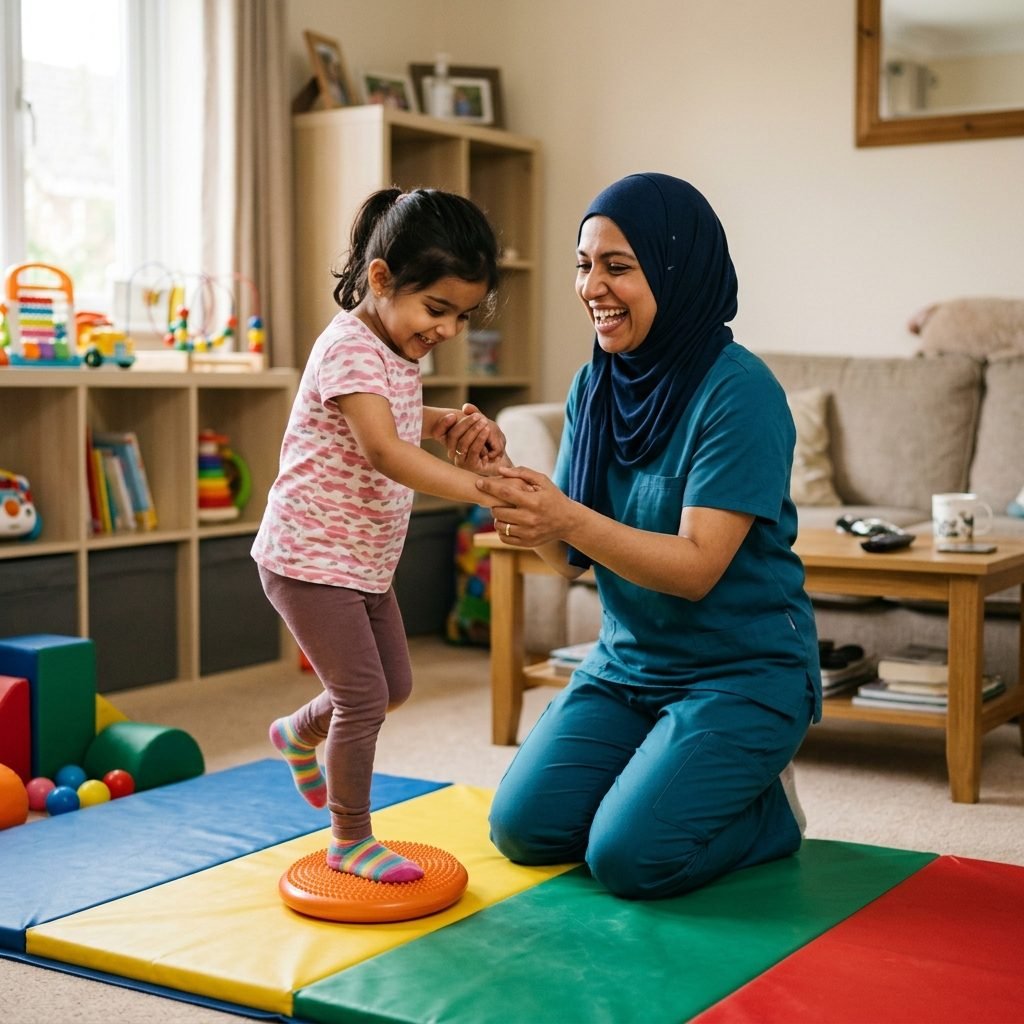
In-home pediatric physiotherapy is a specialized rehabilitation program designed to develop a child's motor and functional abilities within the familiar surroundings they already know and trust. Rather than a clinical room that can feel intimidating or unsettling, the child works among their own toys, furniture, and family members, which turns each session into something that feels closer to play than to a rigid medical procedure. At Bidaya Center, every program is shaped around a careful clinical and functional assessment of the individual child. There is no single protocol applied to everyone; instead there is an individual plan that accounts for the child's age, diagnosis, and the family's goals.
Al Bawadi is a calm, family-oriented residential district of Jeddah where many households include young children in their earliest developmental years. That character makes a home-based physiotherapy service genuinely practical. Repeatedly transporting an infant or toddler back and forth between home and a clinic, especially during hot weather or heavy traffic, places a real burden on both the child and the family and can lead to missed sessions or a break in continuity. When the therapist comes to the family's door in Al Bawadi, that hardship disappears, and the child receives specialized care while relaxed and receptive. A home visit also lets the therapist observe the real environment the child moves through every day, so the recommendations that follow fit the actual layout and space of that home.
Signs and Symptoms That Signal It Is Time to Begin
Noticing the early signs of motor delay makes a meaningful difference to the rehabilitation journey. These signs do not necessarily mean a permanent problem exists, but they do warrant a specialized assessment to determine whether intervention is genuinely needed. Among the indicators Al Bawadi families should watch for:
- Delay in reaching expected developmental milestones such as head control, sitting, crawling, or walking compared with peers of the same age.
- Noticeable stiffness in the limb muscles, or the opposite: pronounced floppiness that makes the child feel limp when held.
- Relying on one side of the body more than the other, or an unusually early and strong preference for a single hand.
- Abnormal positioning of the feet or head, or a persistent tilt of the head toward one side.
- Difficulty with balance, with frequent tripping and falling beyond what is typical for the child's age.
- Persistent toe-walking, or an unsteady walking pattern that draws attention.
- A weak grasp or difficulty holding objects and controlling hand movements.
The presence of one or more of these signs is not cause for excessive worry, but it is an invitation to have the child evaluated by a specialist who can determine whether a rehabilitation program is needed and what its likely scope would be. Early intervention during the first years of childhood, when the nervous system is at its most adaptable, often yields better outcomes than delaying the start.
Conditions and Groups That Benefit
In-home pediatric physiotherapy serves a wide range of conditions that differ in nature and severity but share a common aim: improving movement and independence. Among the groups that benefit from this service in Al Bawadi:
- Children with cerebral palsy of various types and degrees who need ongoing programs to improve motor control.
- Infants born prematurely, who may need support to develop their motor skills on schedule.
- Children with motor delay of no identified cause, to help them catch up with their developmental stages.
- Cases of congenital muscular torticollis (neck tilt) requiring stretching and postural correction exercises.
- Children with muscle weakness or neuromuscular disorders that affect strength and movement.
- Post-fracture or post-orthopedic-surgery cases that need to regain range of motion and strength.
- Children with postural concerns such as mild spinal curvatures or foot deformities.
- Children with Down syndrome who need muscle strengthening and improved balance and coordination.
Each of these situations has its own particulars, which is why care always begins with an individual assessment at Bidaya Center. Two children with the same diagnosis may need two entirely different plans depending on their abilities and priorities.
Goals of the Rehabilitation Program
The aim of pediatric physiotherapy is not limited to exercising muscles; it extends to enabling the child to take part in daily life with as much independence as possible. Goals are set together with the family so they are realistic and measurable. The most prominent include:
- Improving motor control and developing gross skills such as sitting, standing, and walking according to the child's capacity.
- Enhancing balance and coordination between limb and trunk movement to reduce tripping and falls.
- Regulating muscle tone, whether by easing stiffness or by strengthening weak, low-tone muscles.
- Preserving joint range of motion and preventing future contractures and deformities.
- Developing the fine motor skills that later support using the hands for play and eating.
- Supporting the child's independence in daily activities appropriate to their age and stage.
- Training the family in exercises and practices that support the child's progress between sessions.
At Bidaya Center we make clear that we do not promise specific results or guarantees of recovery. Each child's path depends on the nature of their condition, their response, and the family's commitment. What we do commit to is a plan built on sound clinical foundations, careful follow-up, and continuous adjustment of goals based on what is actually achieved.
Stages and Course of the Home Sessions
The home rehabilitation journey follows an organized path that begins with understanding before intervening and develops gradually according to the child's response. The core stages are:
- Initial assessment: a visit in which the therapist conducts a comprehensive evaluation of the child's motor and functional abilities, listens to the family's observations, and reviews any prior medical reports to build a clear picture.
- Setting the plan: shaping short- and long-term goals discussed with the family, along with the expected number of sessions and the type of exercises that suit the case.
- Treatment sessions: exercises delivered in an atmosphere the child enjoys, using play and encouragement while respecting the child's focus, energy, and limits so they are not overtired.
- Periodic reassessment: measuring progress at regular intervals and adjusting goals and exercises based on what has been achieved.
- Progressing toward independence: gradually raising the challenge of the exercises and moving some practices into the family's daily home routine.
The number and frequency of sessions depend on the assessment. Some children need intensive sessions at first that gradually taper, while others need longer follow-up. The flexibility to adapt the course inside the child's own home in Al Bawadi is one of the most valuable features of the home-based service.
The Role of the Family and Caregiver
The success of pediatric physiotherapy is closely tied to the family's role. The therapist spends only a limited number of hours each week with the child, while the family spends all the rest of that time with them. For this reason we regard parents and caregivers as essential partners in the plan, not merely recipients of it. This role includes:
- Applying the simple home exercises the therapist recommends between sessions to maintain continuity of progress.
- Observing changes in the child, recording them, and sharing them with the therapist to guide the plan precisely.
- Weaving the targeted skills naturally into daily activities such as dressing, eating, and play.
- Preparing a safe, stimulating home environment that encourages the child to move and explore.
- Showing patience and consistency, and understanding that progress may be gradual and non-linear.
The therapists at Bidaya Center are keen to train families in a hands-on way and to explain the reasons behind each exercise, so that practicing them becomes confident and correct. We are also fully respectful of the family's privacy within their home, and we provide both licensed male and female therapists so the family can choose what suits them and feel completely comfortable.
Home Safety and Prevention Tips
A safe home environment is a key element that supports the rehabilitation program and protects the child from injury, especially as their movement develops and they acquire new skills. Here is a set of practical guidelines for Al Bawadi families:
- Set aside a safe space free of sharp obstacles where the child can move and practice without the risk of collisions.
- Use non-slip surfaces in the areas where the child moves, and avoid loose rugs that can shift.
- Secure furniture that could topple, and keep heavy or sharp tools out of the child's reach.
- Supervise the child during exercises and do not let them attempt new movements unwatched.
- Make sure the child wears comfortable clothing and footwear that allow free movement and support the feet.
- Spread exercise time across short intervals that suit the child's energy rather than tiring them in one long session.
- Keep to follow-up appointments, and do not increase the exercises or their intensity on your own without consulting the therapist.
These guidelines complement the therapist's work rather than replace it. Their purpose is to make the home a safe, supportive extension of the rehabilitation program instead of a source of risk.
Frequently Asked Questions (FAQ)
Is a home session as effective as a clinic session for my child?
For many pediatric cases the home session is highly effective and often better, because the child is relaxed and receptive in familiar surroundings, and the therapist can adapt the exercises to the real household items the child uses every day.
How long will it take before I see results in my child?
There is no fixed timeframe that applies to everyone; it depends on the diagnosis, the child's age, the severity of the case, and the family's commitment. The initial assessment sets realistic expectations, and results are measured through periodic reassessment without any advance promises.
Are male and female therapists available for homes in Al Bawadi?
Yes, we have both licensed male and female therapists, and the family can choose what suits them with full privacy assured inside the home.
Do the exercises cause the child pain or distress?
Sessions are designed to feel close to play and to be as enjoyable as possible, and the therapist takes care to respect the child's comfort and energy. A child may feel some natural fatigue, but the aim is always positive encouragement, never exhaustion.
How many sessions will my child need each week?
The number and frequency of sessions are determined after the initial assessment according to the child's condition and the plan's goals, and this number may change as the program advances and periodic reassessments take place.
To book a home visit in Al Bawadi or to ask about a pediatric physiotherapy program for your child, contact Bidaya Center by phone or WhatsApp by clicking Call Now, and our team will be glad to help you and identify the most suitable next step for your child's case.
Important Home Visit Details:
- ✓Setup: Please clear a 2x2m space in the room for safety.
- ✓Clothing: Wear loose, comfortable clothes for easy movement.
- ✓Therapist Parity: Male therapists for males, females for females.
- ✓Medical Reports: Keep your MRI or doctor reports ready for evaluation.
Rehabilitation & Services in Al Bawadi
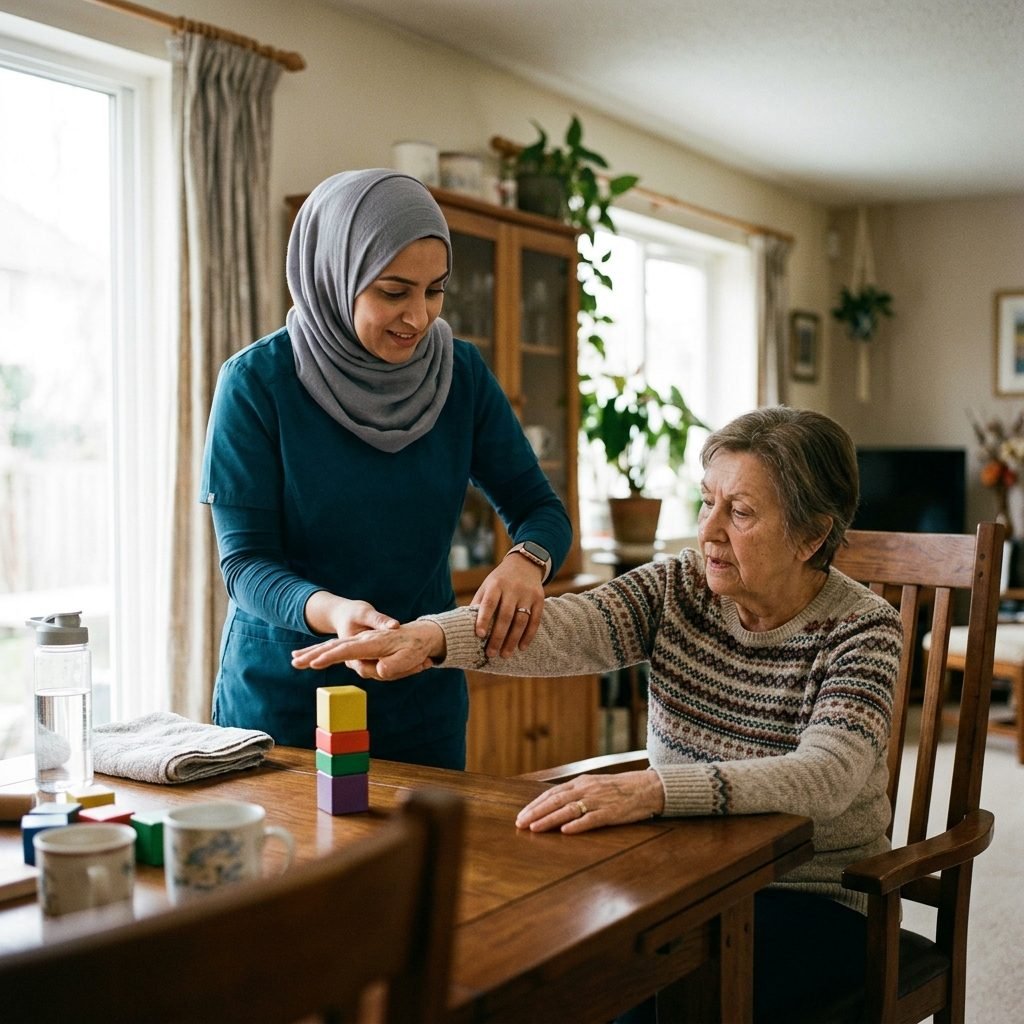
Stroke Rehabilitation
Advanced motor and neurological stroke recovery at home in Al Bawadi.
Service Details ←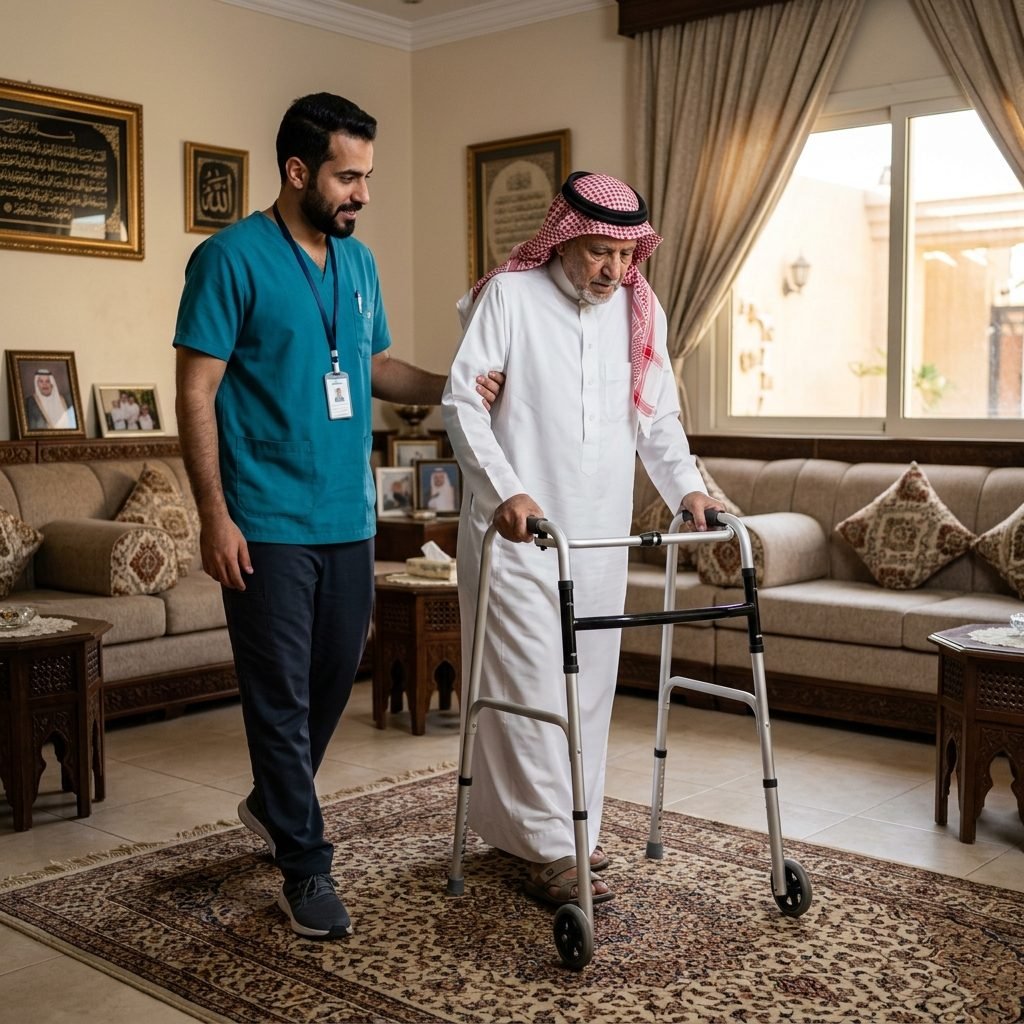
Geriatric Physical Therapy
Balance training, strengthening, and fall prevention for seniors in Al Bawadi.
Service Details ←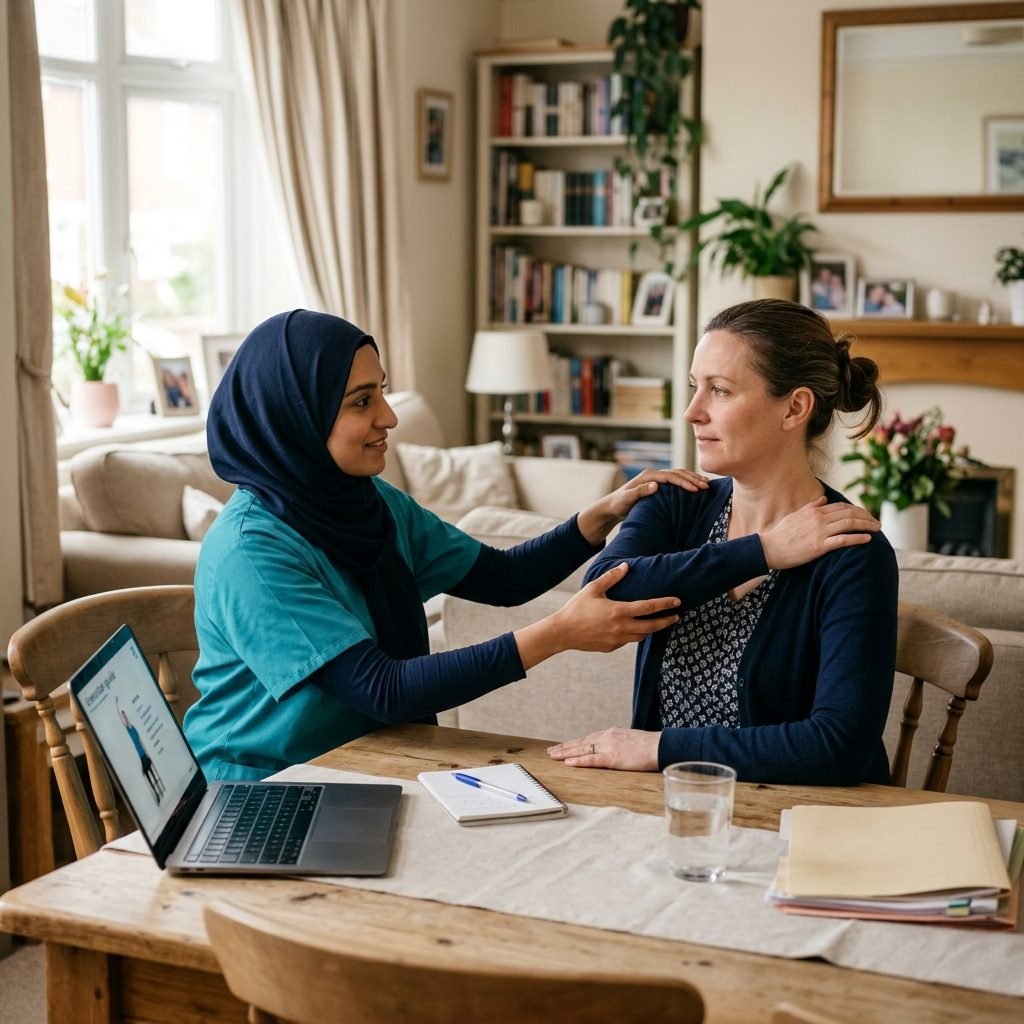
Female Physiotherapist
Licensed female therapists providing home care for women in Al Bawadi.
Service Details ←