Having access to comprehensive, clinical physical therapy at home is crucial for maintaining rehabilitation progress, especially in busy neighborhoods. Al-Safa and Al Bawadi districts in Jeddah present unique local mobility challenges due to high population density and traffic. At Bidaya Center, we deliver high-quality home physiotherapy and movement rehabilitation services directly to your doorstep, conforming to the clinical guidelines of the Saudi Commission for Health Specialties. We eliminate the stress of travel, traffic, and parking. We respect cultural privacy by providing certified male therapists for male patients and female therapists for female patients.
Our clinical approach in Al Bawadi starts with a detailed physical and environmental safety assessment to eliminate fall hazards in the home. We bring all necessary portable, sterilized equipment to deliver a clinical standard of care comparable to external clinics. The therapist establishes a tailored milestone tracking plan to monitor muscle strength, balance, and joint range of motion (ROM) progression over time.
Why families in Al Bawadi choose Bidaya for home physiotherapy
- ✅ Licensed male & female therapists — full privacy, in your own home in Al Bawadi.
- ✅ Fully in-home visits across Al Bawadi — no travel or traffic.
- ✅ A personalized rehab plan built after a thorough in-home assessment.
- ✅ Continuous follow-up and direct contact with your therapist throughout.
- ✅ Fast response — arrange your visit by a quick call or WhatsApp message.
We also serve nearby areas: Al Andalus · Al Basateen · Al Fayha
* The treatment plan and expected outcomes are determined by a medical and functional assessment of each individual case.
Home-Based Care for Delayed Walking and Why It Matters for Al Bawadi Families
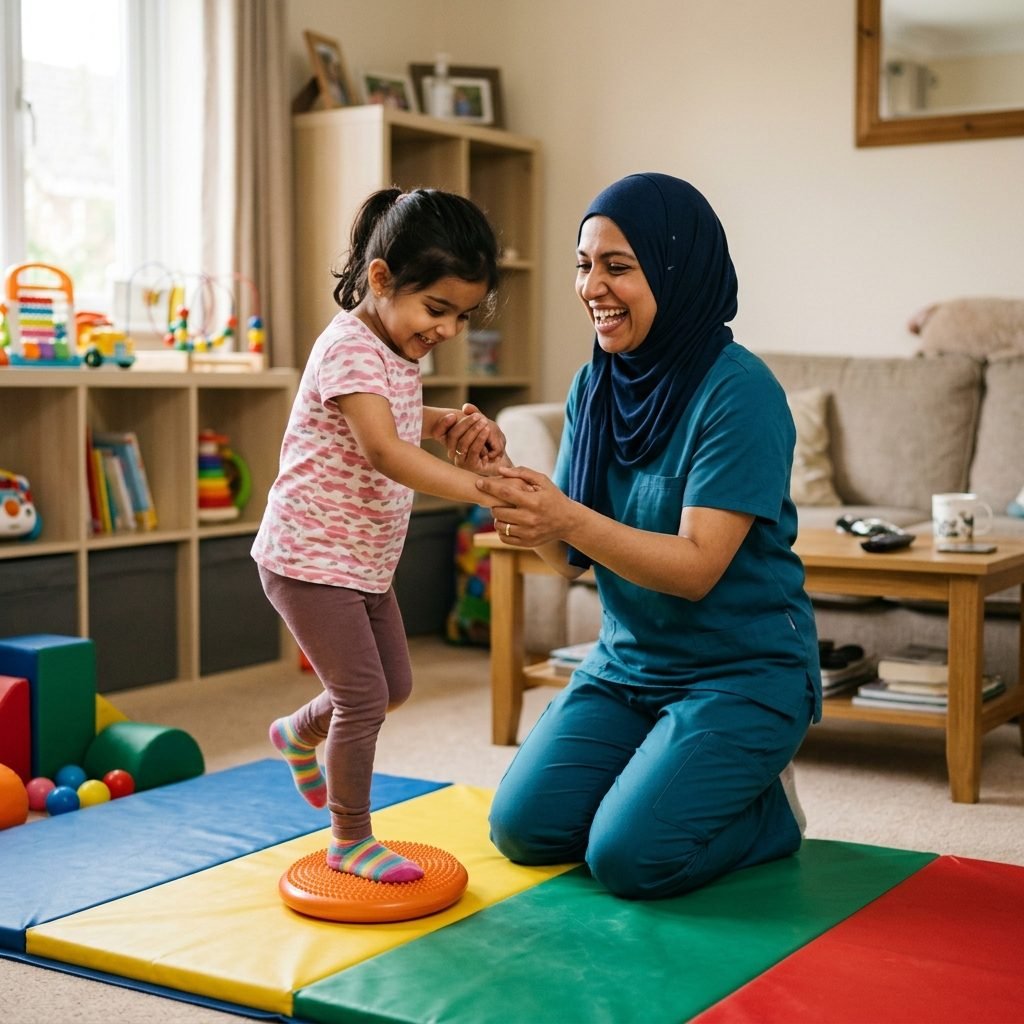
Delayed walking in children calls for calm attention rather than rushed worry, because every child moves through their motor development at a personal pace. Even so, professionals recognize a general window during which most children pull to stand and take independent steps, and when a child passes it without clear signs, an early assessment becomes a wise decision. Home-based care for delayed walking is a movement rehabilitation program delivered inside the child's own home. It builds balance, strengthens the trunk and lower-limb muscles, and organizes movement patterns so the child progresses gradually from crawling and supported standing toward those first independent steps.
In Al Bawadi, Jeddah, where family-oriented residential life dominates and children spend most of their day inside apartments and houses, the home is the natural stage for learning to walk. This is exactly where home sessions add value: the child practices on the same floor walked every day, among the familiar furniture used to pull up, and beside a parent instead of an unfamiliar clinic that can leave a small child tense and withdrawn. That closeness to daily reality makes the skills learned more durable and quicker to carry over into real life.
An added benefit for Al Bawadi residents is avoiding the strain of transporting a young child across city traffic and waiting in appointment halls, which tires both child and family. A licensed therapist arrives at the front door with the needed equipment, turning session time into a familiar and comfortable experience. We stress that the plan and expected outcomes are always built on a careful clinical and functional assessment of each individual case; no single approach fits every child.
Symptoms and Signs That Signal It Is Time to Begin
Not every slowness in walking warrants intervention, but a set of signs deserves early professional review. A parent's close observation at home is often the first useful warning bell, so we encourage watching for the following:
- Inability to stand with support or step while holding a hand well beyond the age when this is usually expected.
- Clear weakness in bearing weight on the legs, or knees that buckle and give way when standing is attempted.
- Persistent walking on the toes without the heel touching the ground, or noticeable stiffness in the leg muscles.
- Excessive floppiness of the body or weak trunk control and unstable sitting compared with peers.
- Marked lack of balance and frequent falling beyond what is expected, or reliance on one side of the body over the other.
- A parallel delay in other skills such as crawling, sitting, or grasping objects, which may point to a broader developmental delay.
- Little interest in exploring or moving, or ongoing distress whenever the child is placed in a standing position.
The presence of one of these signs does not necessarily mean a fixed problem, but it does call for an assessment to identify the cause and the need for intervention. An early start gives the nervous and muscular systems a wider chance to respond and reduces the risk of faulty movement patterns becoming ingrained and harder to correct later.
Conditions and Groups That Benefit
A broad range of children benefit from a home walking rehabilitation program, and the reasons behind the delay vary widely. They include:
- Children with weakness or an imbalance in muscle strength between the limbs without a specific medical cause, who need organized movement stimulation.
- Children born prematurely, whose motor development may follow a slower rhythm and requires monitoring and support.
- Children with low muscle tone or excessive joint laxity that affects standing stability.
- Cases of high muscle tone or toe walking that prevents the full foot from meeting the ground.
- Children with a general developmental delay that affects the motor side alongside other skills.
- Those who went through long periods of reduced movement or restriction for health reasons, affecting muscle building and confidence in movement.
- Children who do walk but with an unsound pattern, such as poor balance, in-turning feet, or repeated falling.
Each group has different needs, so the work always begins with an individual assessment that maps strengths and weaknesses and designs a plan suited to the child's age, abilities, and home environment in Al Bawadi. The goal is never to compare a child with others, but to help each child reach the best level possible for them.
Goals of the Rehabilitation Program
The program is built around practical, measurable goals that are reviewed and adjusted as the child progresses. The most prominent are:
- Strengthening the trunk, pelvic, and lower-limb muscles to create a stable base for standing and stepping.
- Improving balance and postural control in sitting, standing, and the transitions between them.
- Correcting faulty movement patterns such as toe walking or unbalanced reliance on one side.
- Stimulating sensory-motor integration so the child learns to sense the body in space and interact with the ground.
- Expanding joint range of motion and the flexibility of tight muscles that may hinder natural stepping.
- Building the child's confidence and independence in movement and encouraging the desire to explore.
- Empowering the family to weave the exercises into daily play routines at home to sustain progress.
We emphasize that these goals are set flexibly, and that the pace at which they are met and their final results are tied to each child's condition and its cause, to be recalibrated according to what periodic assessment reveals. We make no promises of guaranteed results, only a commitment to patient, methodical work that accompanies the child step by step.
Stages and Pathway of the Home Sessions
The work usually follows a gradual pathway that begins with understanding the child and ends with consolidating independent walking, with flexibility that respects the differences of each case:
- Initial assessment: a visit in which the therapist measures muscle strength, balance, range of motion, and current patterns, and speaks with the family about the child's developmental history and concerns.
- Building the plan: setting short-term and long-term goals and choosing exercises and activities suited to the child's age and home environment.
- Preparation stage: introductory exercises to strengthen the trunk, improve weight bearing on the legs, and prepare the joints, most often in the form of guided play.
- Standing and transition stage: training the child to stand with support, then to move between points of support and cruise sideways along furniture.
- Independent steps stage: encouraging the first unsupported steps and gradually improving balance, stability, and walking distance.
- Consolidation and variation stage: practicing walking on different surfaces and positions around the home to embed the skill and make it automatic.
- Follow-up and reassessment: measuring progress periodically and adjusting the plan, while giving the family home exercises to do between sessions.
Every session is run in a playful style the child enjoys, so it never feels like a rigid clinical situation, because positive encouragement is an essential part of the success of pediatric rehabilitation.
The Role of the Family and Caregiver
The success of the sessions cannot be complete without an active partnership from the family, since the child spends most of the day with parents rather than with the therapist. We therefore treat the mother, father, and caregiver as a genuine part of the team and coach them practically to:
- Repeat simple, safe exercises between sessions during ordinary play times without tiring the child.
- Prepare the home to encourage movement, such as providing a safe space to crawl and stand and arranging suitable points of support.
- Observe the child's responses and note any change or difficulty that appears between visits, sharing it with the therapist.
- Use encouragement and praise to reinforce the child's attempts and build confidence, rather than pressure and comparison.
- Keep a regular daily routine for sleep and nutrition, since this reflects on the child's energy and response to training.
When the exercises become part of the family's daily life at home, the impact of the sessions multiplies and progress grows steadier. We are careful to keep instructions simple for parents and to provide ongoing support to answer their questions between visits.
Home Safety and Prevention Tips
A safe home environment is an essential condition for encouraging the child to move without fear and for protecting those first attempts from injuries that undermine confidence. We advise Al Bawadi families to:
- Set aside an open, obstacle-free space for practice, and remove small or sharp objects from the child's reach.
- Secure furniture that could tip over and cover sharp edges, because the child will grab everything nearby when standing.
- Choose a non-slip floor and avoid smooth socks during practice to improve the foot's grip on the ground.
- Let the child go barefoot as much as possible while learning to walk, since this strengthens the foot muscles and improves the sense of balance.
- Provide constant supervision during exercises and never leave the child alone in unstable standing positions.
- Avoid prolonged reliance on circular baby walkers, which may hinder a sound movement pattern, and stick to what the therapist recommends.
- Take care not to exhaust the child and stop the activity when signs of tiredness or distress appear, because rest is part of progress.
These measures protect the child and give the family peace of mind, turning the home into a supportive environment where every corner becomes a chance for safe learning.
Frequently Asked Questions (FAQ)
When should I start worrying about my child's delayed walking?
If your child has passed the usual age for standing and stepping independently without clear signs, or shows signals such as weak weight bearing, persistent toe walking, or frequent falling, it is better to have a specialist assess them rather than wait. An assessment does not necessarily mean a problem exists, but it reassures you and clarifies whether intervention would help.
Can home sessions really be effective?
Yes, and the home is actually an ideal environment for learning to walk, because the child practices in familiar surroundings on the floor used every day, with parents present, which makes the child more relaxed and cooperative. It also spares Al Bawadi families the trouble of transporting a young child.
How many sessions will my child need, and how long until they walk?
There is no fixed number that suits everyone; the count and duration depend on the cause of the delay, the child's age and response, and how consistently the family follows the home exercises. An initial estimate is set after the assessment and reviewed periodically according to actual progress.
Are female therapists available for families who prefer them?
Yes, licensed male and female therapists are available, and the family can choose what suits them, with full privacy guaranteed inside the home and respect for the family's atmosphere.
What if my child walks but in an unsound way?
Existing walking does not mean rehabilitation is unnecessary. Patterns such as toe walking, poor balance, or in-turning feet deserve assessment, because correcting them early is easier than treating them after they become ingrained as the child grows.
To book a home visit in Al Bawadi, Jeddah, or to ask about your child's condition, contact us directly by phone or WhatsApp by clicking Call Now. Our team of licensed male and female therapists is ready to help your child take those first steps with confidence and safety.
Important Home Visit Details:
- ✓Setup: Please clear a 2x2m space in the room for safety.
- ✓Clothing: Wear loose, comfortable clothes for easy movement.
- ✓Therapist Parity: Male therapists for males, females for females.
- ✓Medical Reports: Keep your MRI or doctor reports ready for evaluation.
Rehabilitation & Services in Al Bawadi
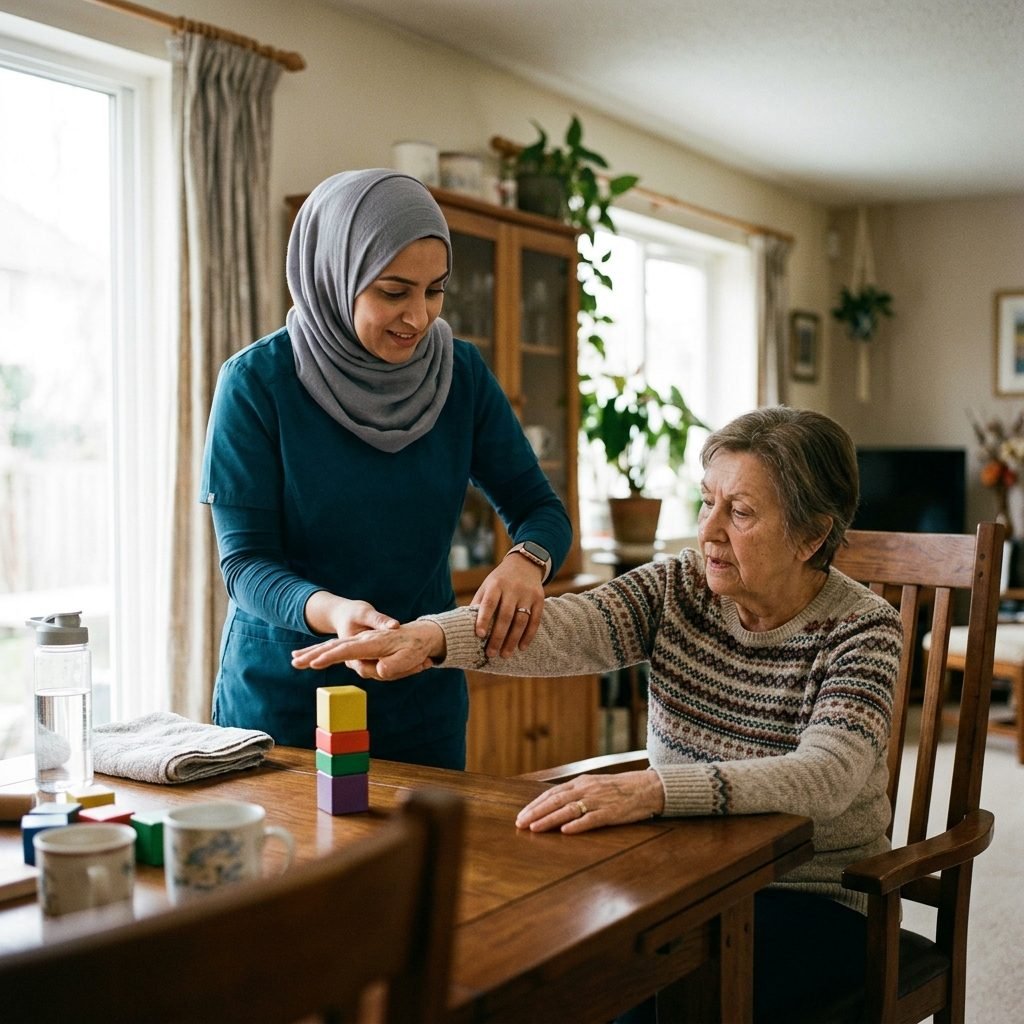
Stroke Rehabilitation
Advanced motor and neurological stroke recovery at home in Al Bawadi.
Service Details ←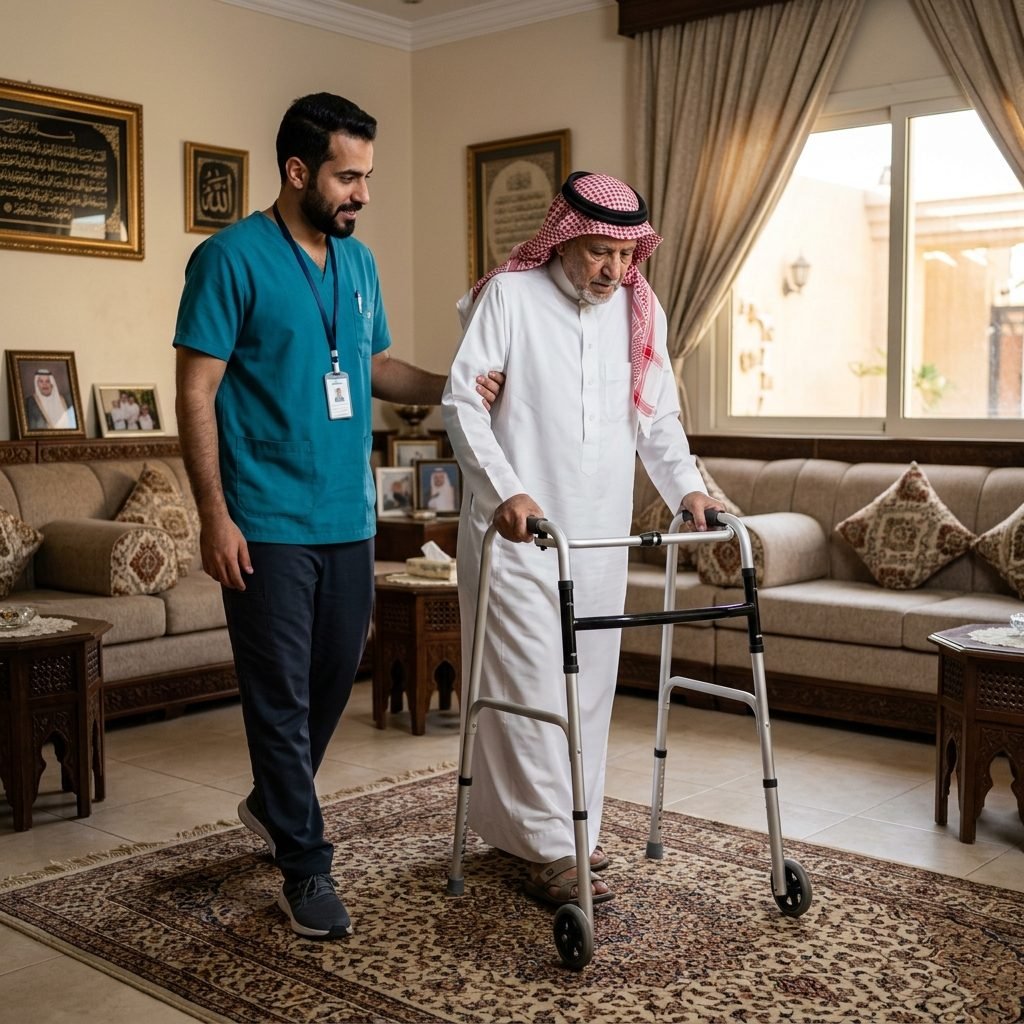
Geriatric Physical Therapy
Balance training, strengthening, and fall prevention for seniors in Al Bawadi.
Service Details ←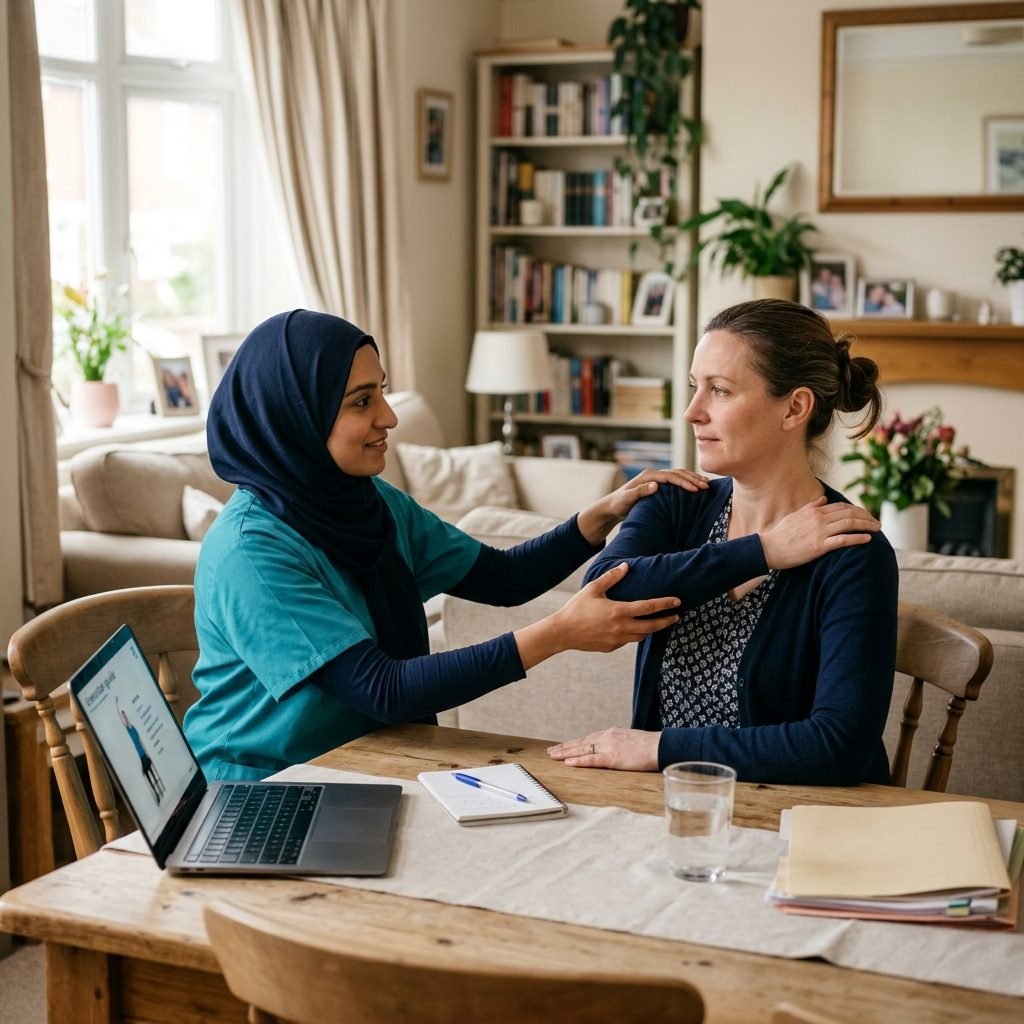
Female Physiotherapist
Licensed female therapists providing home care for women in Al Bawadi.
Service Details ←