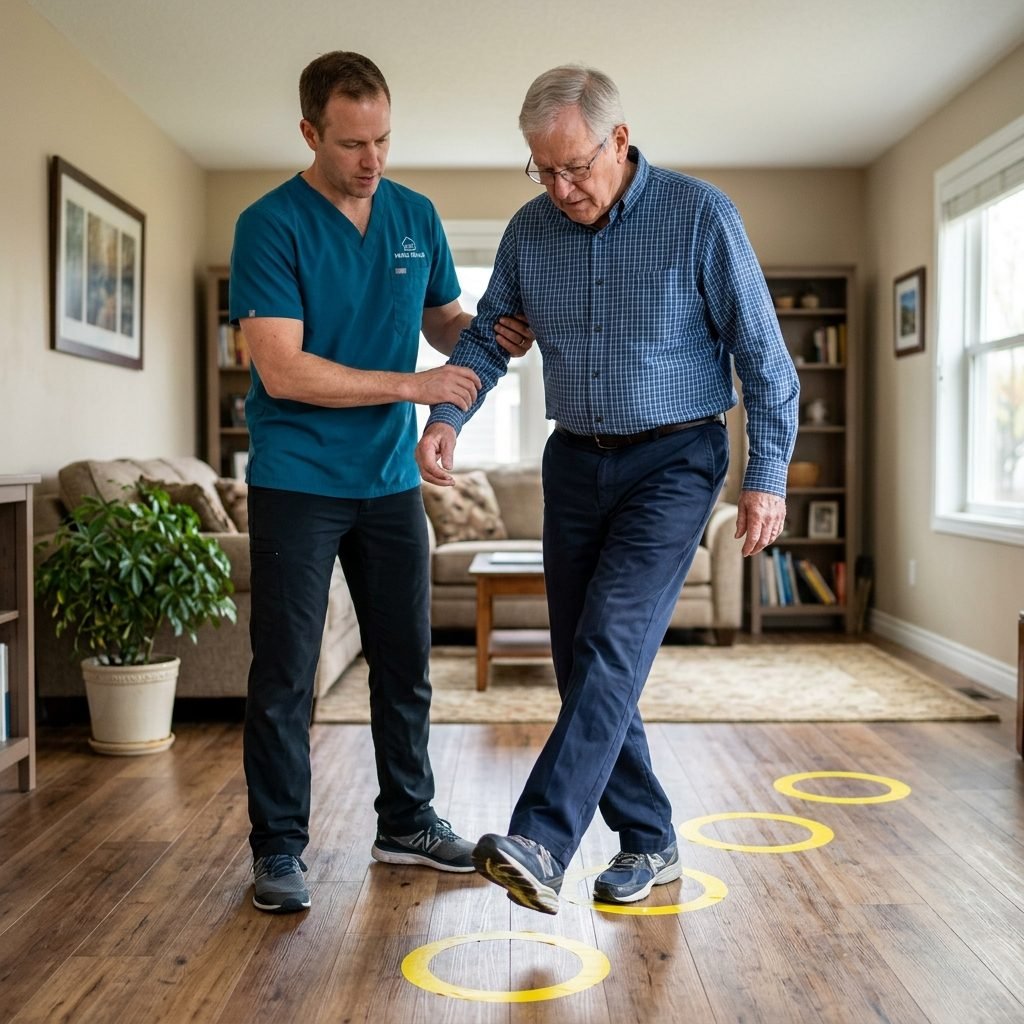
Having access to comprehensive, clinical physical therapy at home is crucial for maintaining rehabilitation progress, especially in busy neighborhoods. Al-Safa and Al Hamra districts in Jeddah present unique local mobility challenges due to high population density and traffic. At Bidaya Center, we deliver high-quality home physiotherapy and movement rehabilitation services directly to your doorstep, conforming to the clinical guidelines of the Saudi Commission for Health Specialties. We eliminate the stress of travel, traffic, and parking. We respect cultural privacy by providing certified male therapists for male patients and female therapists for female patients.
Our clinical approach in Al Hamra starts with a detailed physical and environmental safety assessment to eliminate fall hazards in the home. We bring all necessary portable, sterilized equipment to deliver a clinical standard of care comparable to external clinics. The therapist establishes a tailored milestone tracking plan to monitor muscle strength, balance, and joint range of motion (ROM) progression over time.
Why families in Al Hamra choose Bidaya for home physiotherapy
- ✅ Licensed male & female therapists — full privacy, in your own home in Al Hamra.
- ✅ Fully in-home visits across Al Hamra — no travel or traffic.
- ✅ A personalized rehab plan built after a thorough in-home assessment.
- ✅ Continuous follow-up and direct contact with your therapist throughout.
- ✅ Fast response — arrange your visit by a quick call or WhatsApp message.
We also serve nearby areas: Al Andalus · Al Basateen · Al Bawadi
* The treatment plan and expected outcomes are determined by a medical and functional assessment of each individual case.
What Home-Based Parkinson's Physiotherapy Means for Al Hamra Residents
Parkinson's physiotherapy is a specialized rehabilitation program built to help a person keep as much movement, balance, and independence as possible while managing the disease's hallmark motor symptoms: slowness of movement, rigidity, tremor, and disturbed walking. When this program is delivered inside the home in the Al Hamra neighborhood of Jeddah, it gains real added value, because the patient is trained in the actual environment where daily life happens: the bedroom, the bathroom, the hallway they walk through, the stairs if any, and the majlis where they receive guests.
Al Hamra is one of Jeddah's established residential neighborhoods near the seafront, home to a mix of villas, apartment buildings, and extended families where elderly parents often live alongside their children. This calm, residential character makes home-based care a sensible option for someone with Parkinson's, who may find repeated trips to a clinic physically and emotionally taxing, especially since symptoms fluctuate through the day and are tied to medication timing.
The core idea is that Parkinson's is a chronic, progressive condition. Physiotherapy does not stop its progression and promises no cure, but it is a proven tool for preserving motor function, reducing fall risk, and slowing the loss of general fitness that comes from inactivity. At Bidaya Center, every plan is built on a careful clinical and functional assessment of each individual case, because the disease varies widely from one person to another in stage, dominant symptoms, and response to medication.
Symptoms and Signs That Signal It Is Time to Begin
Many families in Al Hamra delay seeking physiotherapy until symptoms worsen, yet starting earlier is often more valuable for preserving abilities. Signs that warrant an assessment include:
- Noticeable slowness of movement (bradykinesia) that makes daily tasks such as dressing or rising from a chair take much longer.
- Stiffness in muscles and joints, with a sense of heaviness in the limbs and difficulty initiating movement.
- Tremor in a hand or limb that usually appears at rest and increases with stress.
- Changed walking pattern: short shuffling steps, dragging feet, and a forward-stooped trunk.
- "Freezing" episodes while walking, particularly at doorways, turns, and when starting to move.
- Poor balance and a tendency to fall, especially when turning or stopping suddenly.
- Reduced facial expression, a softer voice, and smaller handwriting.
- Difficulty doing two things at once, such as walking and talking at the same time.
One or more of these signs does not by itself confirm a specific diagnosis, but it is a solid reason to seek a specialized assessment that establishes the right starting point for a program.
Who Benefits: Conditions and Groups Served
The home-based Parkinson's physiotherapy program in Al Hamra is designed to serve a wide range of situations, including:
- Patients in early stages who want to preserve their fitness and activity before symptoms advance.
- Patients in middle stages who are beginning to experience walking difficulty, imbalance, and freezing.
- Patients in advanced stages who need attention to positioning, maintaining range of motion, and preventing pressure sores and contractures.
- Anyone who has had a previous fall or whose fear of falling now restricts their movement at home.
- Patients whose medication was recently adjusted and who need to re-adapt their physical activity.
- Older adults with Parkinson-like syndromes that affect their movement and balance.
- Families caring for a patient who need practical training in safe handling, transfers, and mobility.
Because every case is unique, the greatest benefit is defined after an initial assessment that accounts for the stage, coexisting illnesses, the home environment, and the goals of the patient and family.
Goals of the Rehabilitation Program
Success is not measured by unrealistic promises but by clear, trackable functional goals that we agree on with the patient and family from the outset:
- Maintaining joint range of motion and resisting gradual stiffening.
- Improving stride length and walking speed and reducing foot dragging as much as possible.
- Training strategies to overcome "freezing" using visual, auditory, and rhythmic cues.
- Strengthening trunk and lower-limb muscles to support standing, rising, and balance.
- Reducing fall risk through balance exercises and safe transfers within the home.
- Improving posture and countering the forward stoop that increases as the disease advances.
- Preserving the ability to perform daily activities such as getting out of bed and entering the bathroom.
- Supporting breathing and voice through exercises involving chest movement and body posture.
These goals are reviewed regularly and adjusted according to the patient's response and changing condition; the program is flexible, not fixed.
Stages and Flow of the Home Sessions
The therapeutic path in the patient's home in Al Hamra begins with a comprehensive assessment visit, then moves to regular sessions following a staged plan:
- Assessment stage: examining strength, flexibility, balance, and gait, observing how the patient performs tasks in their real environment, and reviewing symptom timing relative to medication doses.
- Planning stage: setting realistic, specific goals and selecting the exercises and strategies best suited to the disease stage and the nature of the home.
- Active intervention stage: sessions focused on movement, balance, and gait exercises, with cueing strategies to overcome freezing and large-amplitude movement drills.
- Functional integration stage: transferring the acquired skills into real daily activities at home, such as standing, sitting, turning, and moving between rooms.
- Follow-up and maintenance stage: periodic review of progress, adjusting exercises, and training the patient and family in an ongoing home program that preserves gains.
Scheduling takes into account the "on" periods when medication is at its peak effect, since this increases the effectiveness of exercise and reduces fatigue. Licensed male and female therapists are available, with full respect for privacy inside the home.
The Role of the Family and Caregiver
In the family homes of Al Hamra, the primary caregiver is often a son, daughter, or spouse, and their role is central to the program's success. We are careful to train the family in:
- The safe way to help the patient rise, sit, and transfer without strain on the patient or themselves.
- Using verbal and rhythmic cues to encourage walking and get past freezing moments.
- Supervising home exercises between sessions and encouraging consistency without overexertion.
- Noticing changes in symptoms and linking them to medication timing to inform the medical team.
- Creating a supportive atmosphere that protects the patient's morale and independence as much as possible.
We believe the caregiver is a partner in treatment, and equipping them with knowledge and practical skill directly benefits the patient's safety and daily quality of life.
Home Safety and Prevention Tips
Preparing the home is a key element in preventing falls for a person with Parkinson's. Among the general recommendations we apply practically during the visit:
- Removing slippery rugs, cables, and obstacles from the usual movement pathways.
- Ensuring adequate lighting, especially in hallways, bathrooms, and the path to the bedroom at night.
- Installing grab bars in the bathroom, beside the toilet, and along movement routes where needed.
- Choosing firm, non-slip indoor footwear instead of open slippers.
- Arranging furniture to allow wide, clear pathways and avoiding sudden sharp corners.
- Placing a stable chair where the patient needs to rest or change clothes.
- Not rushing movement, and pausing deliberately before turning using wide steps.
These measures are simple but they noticeably reduce fall incidents, and they are tailored to the layout of each home in the neighborhood.
Frequently Asked Questions (FAQ)
Does physiotherapy cure Parkinson's disease?
No, physiotherapy does not cure the disease or halt its progression, but it helps preserve movement, balance, and independence and reduce fall risk; the expected outcomes are defined after assessing each case individually.
How many sessions does a patient need?
The number varies with the disease stage, the goals, and the patient's condition; an initial schedule is set after the first assessment and reviewed periodically according to progress and response.
Are home sessions as effective as clinic sessions?
Yes, and they may be more suitable for someone with Parkinson's because they train the patient in their real environment on daily tasks, while sparing the effort of travel and the symptom fluctuations tied to outings.
What is the best time of day for a session?
The period when medication is at peak effect is often preferred because movement is easier, and the optimal timing is set for each patient in coordination with the family.
Are female therapists available with privacy maintained?
Yes, licensed male and female therapists are available, with full respect for the privacy of the home and family when scheduling the visit.
To book a home visit or to ask about Parkinson's physiotherapy in the Al Hamra neighborhood of Jeddah, contact Bidaya Center by phone or WhatsApp by clicking Call Now, and we will be glad to arrange the assessment appointment suited to your case.
Important Home Visit Details:
- ✓Setup: Please clear a 2x2m space in the room for safety.
- ✓Clothing: Wear loose, comfortable clothes for easy movement.
- ✓Therapist Parity: Male therapists for males, females for females.
- ✓Medical Reports: Keep your MRI or doctor reports ready for evaluation.
Rehabilitation & Services in Al Hamra
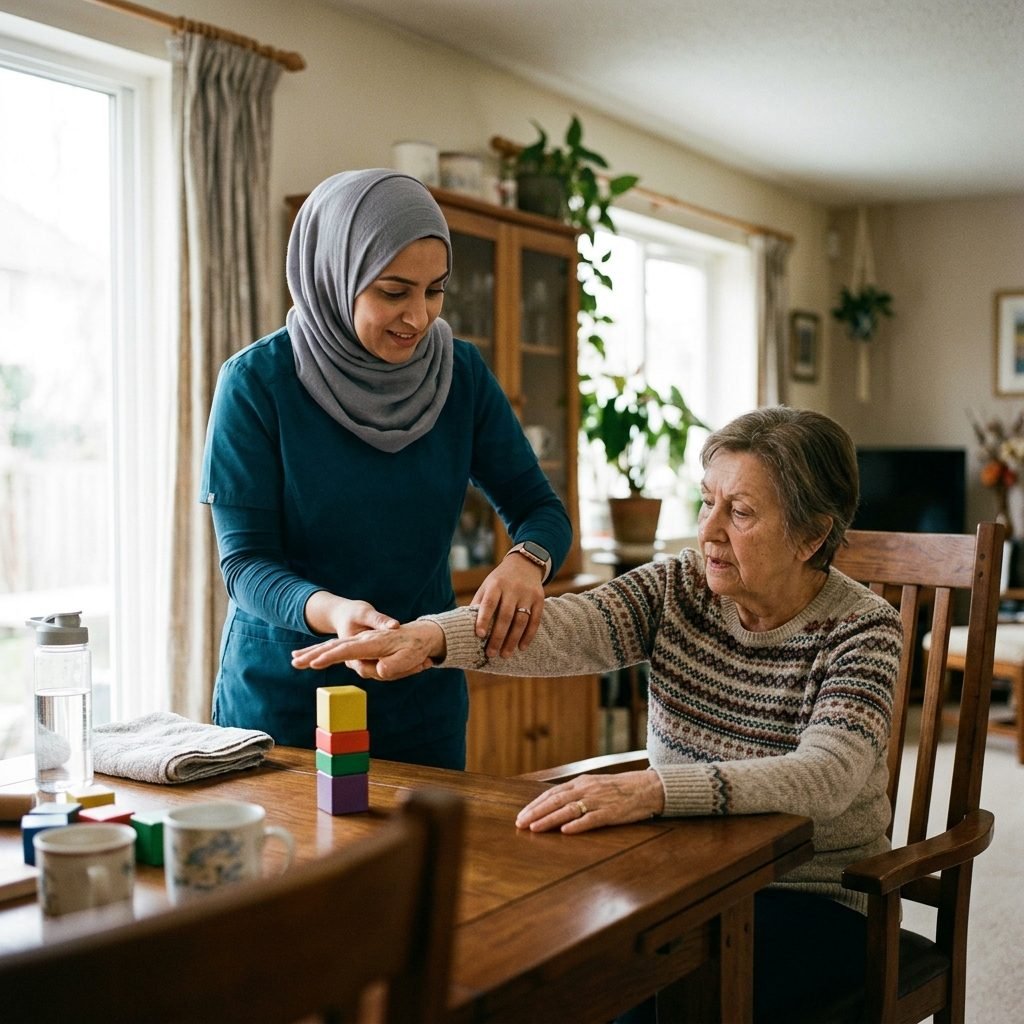
Stroke Rehabilitation
Advanced motor and neurological stroke recovery at home in Al Hamra.
Service Details ←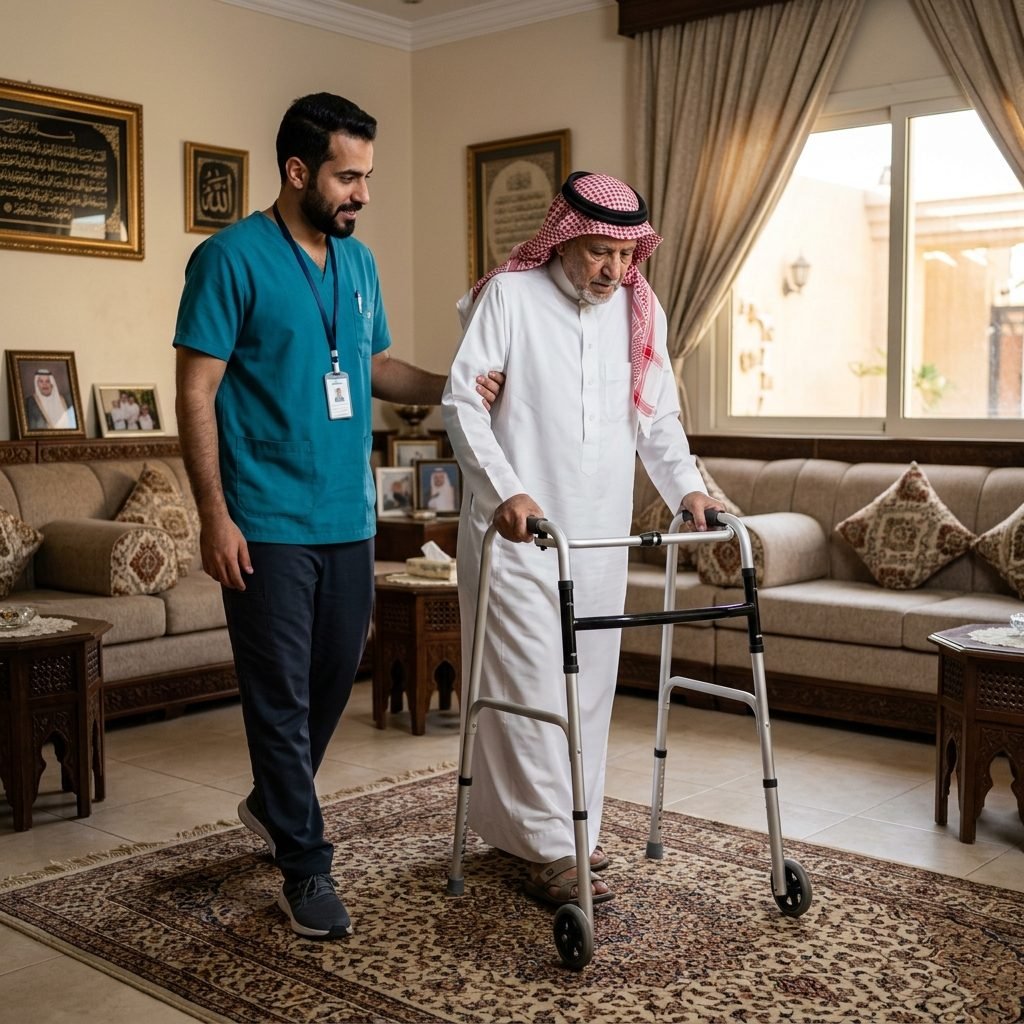
Geriatric Physical Therapy
Balance training, strengthening, and fall prevention for seniors in Al Hamra.
Service Details ←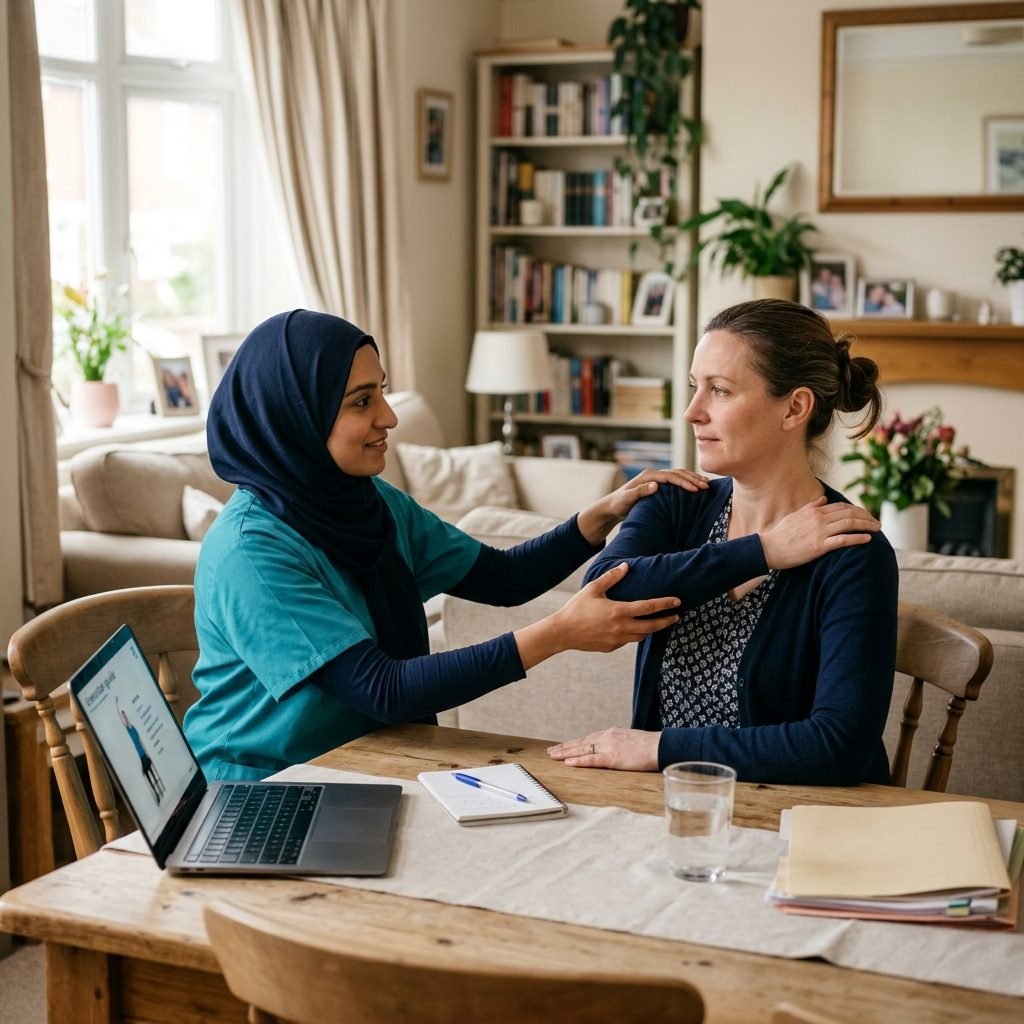
Female Physiotherapist
Licensed female therapists providing home care for women in Al Hamra.
Service Details ←