Having access to comprehensive, clinical physical therapy at home is crucial for maintaining rehabilitation progress, especially in busy neighborhoods. Al-Safa and Al Marwah districts in Jeddah present unique local mobility challenges due to high population density and traffic. At Bidaya Center, we deliver high-quality home physiotherapy and movement rehabilitation services directly to your doorstep, conforming to the clinical guidelines of the Saudi Commission for Health Specialties. We eliminate the stress of travel, traffic, and parking. We respect cultural privacy by providing certified male therapists for male patients and female therapists for female patients.
Our clinical approach in Al Marwah starts with a detailed physical and environmental safety assessment to eliminate fall hazards in the home. We bring all necessary portable, sterilized equipment to deliver a clinical standard of care comparable to external clinics. The therapist establishes a tailored milestone tracking plan to monitor muscle strength, balance, and joint range of motion (ROM) progression over time.
Why families in Al Marwah choose Bidaya for home physiotherapy
- ✅ Licensed male & female therapists — full privacy, in your own home in Al Marwah.
- ✅ Fully in-home visits across Al Marwah — no travel or traffic.
- ✅ A personalized rehab plan built after a thorough in-home assessment.
- ✅ Continuous follow-up and direct contact with your therapist throughout.
- ✅ Fast response — arrange your visit by a quick call or WhatsApp message.
We also serve nearby areas: Al Andalus · Al Basateen · Al Bawadi
* The treatment plan and expected outcomes are determined by a medical and functional assessment of each individual case.
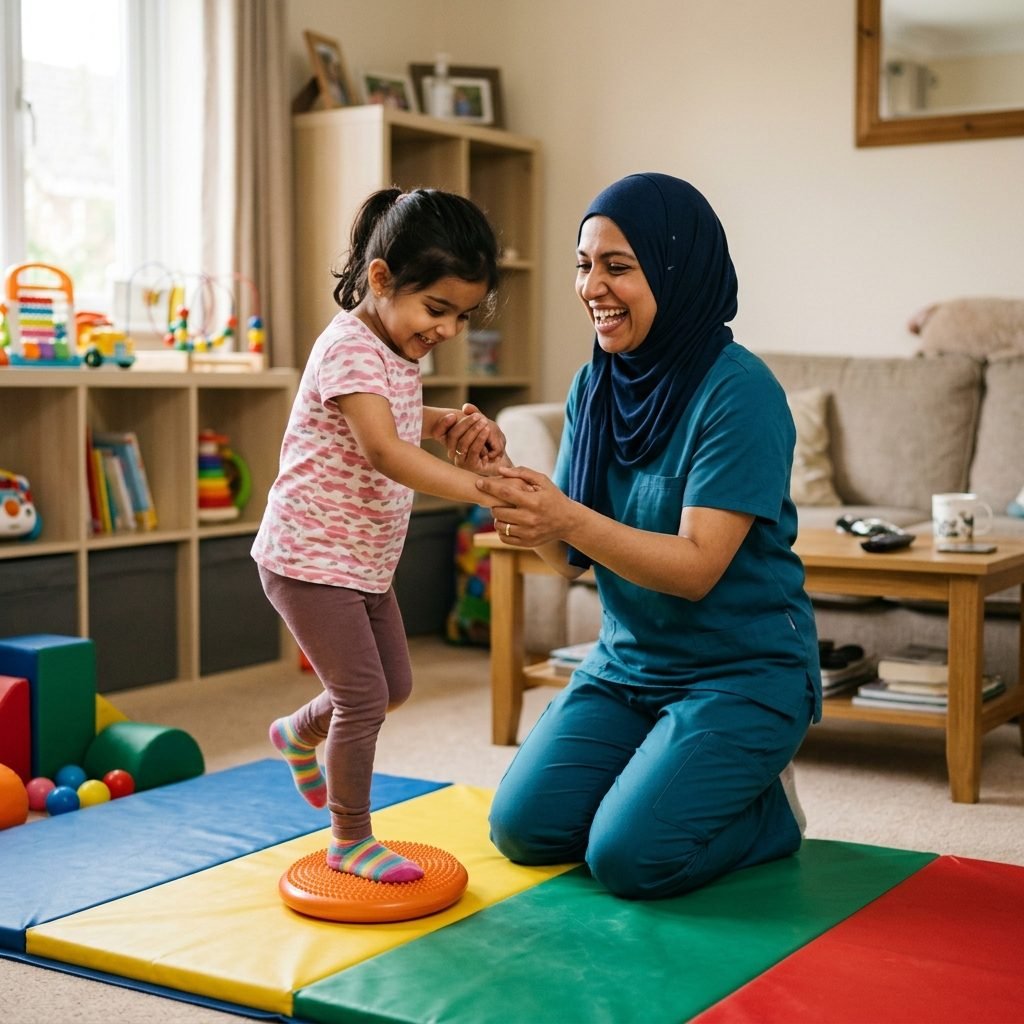
Understanding Home-Based Cerebral Palsy Rehabilitation for Children and Why It Matters for Al Marwah Families
Cerebral palsy in children is not a single illness but a group of conditions that affect movement, balance, and body posture. It arises from an injury or abnormal development in the brain during its earliest growth stages, whether before birth, during delivery, or in the first months of life. The underlying brain condition itself does not worsen over time, yet its effects on muscles, joints, and motor skills can shift as the child grows. This is precisely where consistent, early rehabilitation proves its value, guiding that growth toward the best possible functional path.
At Bidaya Center, we bring pediatric cerebral palsy rehabilitation directly into the homes of families in Al Marwah, Jeddah, out of a firm belief that the environment a child lives in every day is the most suitable place to learn and retain skills. When a child practices balanced sitting or safe movement in their own room, on their familiar floor, and among their own toys and furniture, what they gain becomes part of their life rather than a performance confined to a clinic.
Al Marwah is a large residential district full of families and children, with many multi-storey buildings and villas that often include stairs and corridors, presenting genuine mobility challenges for a child with cerebral palsy. Traffic and road congestion during peak hours make repeated trips to clinics exhausting for both the family and the child, especially when the child is prone to muscle spasms or struggles to tolerate long periods of sitting in a car. Having a therapist arrive at the front door spares the family considerable strain and preserves the session consistency that is the cornerstone of any successful rehabilitation program.
We state clearly from the outset that rehabilitation outcomes differ from one child to another and depend on the type and severity of cerebral palsy, the child's age, and any accompanying conditions. No one can promise a complete cure or a guaranteed dramatic transformation. What we commit to is accurate assessment, a realistic plan, honest follow-up, and patient work to improve the child's independence and the quality of life for the child and family, one step at a time.
Symptoms and Signs
The way cerebral palsy shows itself varies greatly from one child to another. Some children have mild signs that appear only in a particular movement, while others face clear difficulties affecting most limbs. Early attention to these signs helps a family seek specialized assessment at the right time.
- Delayed motor milestones: not reaching head control, rolling, sitting, crawling, or walking at the expected ages.
- Altered muscle tone: muscles may be excessively stiff and tight, or conversely floppy and loose, and the child may move between these states.
- Unusual postures: such as scissoring of the legs, persistently clenched hands, or a wrist and elbow held in constant flexion.
- Movement asymmetry: relying on one side of the body more than the other, or strongly favoring one hand at a very early age.
- Involuntary movements: tremors, twisting, or repetitive movements that the child struggles to control.
- Swallowing and chewing difficulties: constant drooling or difficulty during feeding due to weak control of the mouth and facial muscles.
- Balance and gait problems: toe-walking, bent knees, frequent falls, or an unsteady walking pattern.
- Associated signs: the condition may be accompanied by speech delay, difficulty concentrating, or vision or hearing problems, which call for assessment by the relevant specialties.
The presence of one or more of these signs does not necessarily mean a confirmed diagnosis, but it is an invitation to have the child examined by a specialized team for a comprehensive assessment that accurately identifies the nature of the condition and its motor needs.
Conditions and Groups Who Benefit
The home rehabilitation program at Bidaya Center is designed to serve a broad range of children who experience different forms of cerebral palsy and related motor conditions. In every case we respect the child's individuality, age, and level of need.
- Spastic cerebral palsy: the most common form, marked by muscle stiffness and tightness, whether it affects two limbs, one side of the body, or all four limbs.
- Dyskinetic cerebral palsy: where fluctuating, twisting movements that are hard to control appear and affect postural stability and reaching.
- Ataxic cerebral palsy: in which impaired balance, imprecise movement, and poor coordination between the limbs stand out.
- Mixed presentations: combining more than one pattern and requiring a flexible plan that accounts for this overlap.
- At-risk infants: such as those born prematurely or who experienced oxygen deprivation or complications at birth, who benefit from very early intervention.
- Post-surgical children: such as those who have undergone tendon-lengthening or joint-correction procedures and need structured motor rehabilitation.
- Children with as-yet undiagnosed motor delay: those showing delayed motor milestones who need stimulation and follow-up.
We welcome children of various ages, from infants to pre-adolescents, and provide licensed male and female therapists so a guardian can choose what suits their family's comfort, with complete privacy inside the home and respect for the nature of each household.
Goals of the Rehabilitation Program
Our aim is not merely to exercise muscles but to build a more independent, more confident child and to ease the daily burden on the family. Goals are set individually after assessment and are framed to be realistic, measurable, and progressive. Among the most important things we work on:
- Improving motor control: strengthening the child's ability to command their head, trunk, and limbs across different positions.
- Reducing complications of stiffness: working on muscle and joint flexibility to lower the long-term risk of contractures and deformities.
- Developing balance and mobility: training the child to transition between positions and move safely to the extent their condition allows.
- Enhancing functional independence: enabling the child to take part in daily activities such as eating, dressing, and moving around the home as much as possible.
- Strengthening weak muscles: and balancing them against tight muscles to improve overall motor performance.
- Supporting natural motor development: encouraging sound movement patterns wherever possible instead of harmful compensatory ones.
- Training the family: transferring appropriate skills and exercises to the caregiver so they become an active daily partner in rehabilitation.
- Improving quality of life: reducing pain and enhancing the child's comfort and social participation within the family environment.
We review these goals periodically and adjust them according to the child's response and progress, because what suits one stage may change in the next. Flexibility is an essential part of our therapeutic philosophy.
Stages and Path of the Home Sessions
We follow a clear, organized path that begins with understanding the case and ends with empowering the family. Each stage builds on the one before it, so the guardian feels they know where the child stands and where they are heading.
- Stage one - comprehensive assessment: the therapist visits the home and carries out a careful evaluation of muscle tone, joint range of motion, balance, and motor milestones, while listening to the family's observations and priorities.
- Stage two - designing the individual plan: a tailored treatment plan is drawn up with short and long-term goals, and the expected path is explained to the family honestly and clearly, without exaggerated promises.
- Stage three - regular therapy sessions: these include flexibility exercises, muscle strengthening, posture and balance training, and stimulation of movement patterns using recognized therapeutic approaches, applied gently and with regard for the child's tolerance.
- Stage four - integration into daily routine: we carry what the child learns into their actual life activities inside the home, using their environment, toys, and furniture to make exercise enjoyable and natural.
- Stage five - follow-up and re-assessment: we measure progress at intervals, adjust the plan and exercises according to results, and celebrate every small step the child achieves.
The length and weekly number of sessions are determined by the child's condition and their capacity to tolerate them. We take care that each session is a positive experience the child associates with comfort rather than fear, because the child's emotional cooperation is a fundamental element in the success of rehabilitation.
The Role of the Family and Caregiver
The family is not a spectator in the child's rehabilitation journey but the most important and influential partner. The therapist visits the home for a limited number of sessions each week, while the child spends the rest of their time among family members, and here lies the importance of a trained, aware caregiver.
- Continuity between sessions: applying the simple exercises and correct positions the therapist recommends every day multiplies the effect of treatment.
- Monitoring changes: noticing any improvement, regression, or new sign and reporting it to the therapist so the plan can be adjusted when needed.
- Setting up correct positions: learning how to carry, seat, lay down, and position the child in a way that supports their body and reduces stiffness.
- Blending exercise into play: turning playtime, mealtime, and dressing into training opportunities without the child feeling pressured.
- Emotional support: giving the child encouragement and patience and celebrating their achievements however small, to build their self-confidence.
- Caring for the caregiver: we recognize that the family's journey is long and tiring, so we also guide parents to preserve their energy and seek support when needed.
At Bidaya Center we make sure to explain every exercise to the caregiver practically and to confirm they can apply it safely before the therapist leaves. We see our true success in the moment a family becomes able to support their child with confidence and competence.
Home Safety and Prevention Tips
A safe home environment accounts for half the success of rehabilitation. A child with cerebral palsy may be more prone to falls or injury, and preparing the space protects them and grants greater freedom for safe movement and exploration.
- Securing floors: removing slippery rugs and scattered cables and keeping the floor free of obstacles in the child's movement areas.
- Protecting sharp corners: covering the edges of tables and furniture with soft guards to reduce the risk of collisions during movement attempts.
- Attending to stairs: installing safety gates at stair entrances in villas and multi-storey homes and always accompanying the child up and down.
- Supportive seating: using chairs and seating aids that support the child's posture and keep the trunk and head aligned.
- Organizing the play space: setting aside a safe, comfortably furnished corner where the child can move and train without danger.
- Preventing pressure sores: regularly changing the position of a child with limited movement to avoid constant skin pressure on one area.
- Feeding and swallowing care: following safe positioning guidance during eating and drinking to reduce the risk of choking in those with swallowing difficulties.
- Moderation in exercise: not exhausting the child or pushing them beyond their capacity, and watching for signs of fatigue or pain during any activity.
These guidelines are general, and our therapists provide tailored recommendations according to each child's condition and the layout of their home, to ensure the environment supports rehabilitation rather than hindering it.
Frequently Asked Questions
Can cerebral palsy be cured and my child fully recover?
Cerebral palsy results from a fixed brain condition that cannot be reversed, so we do not promise a complete cure. However, consistent and early rehabilitation can substantially improve a child's motor abilities, independence, and quality of life. Outcomes differ from one child to another according to their condition and only become clear after a careful clinical and functional assessment.
At what age is it best to begin rehabilitation sessions?
The earlier intervention begins, the better, because a child's brain in the first years has high plasticity that makes it more responsive. That said, there is no age described as too late, since every stage has its own motor and functional goals that can be worked on.
Why are home sessions better for a child with cerebral palsy?
Because the child trains in the natural environment they live in every day, so skills are reinforced realistically. Home sessions spare the family the strain of repeated travel through Jeddah's congestion, preserve the program's consistency, and let the therapist adapt exercises to the home's actual furniture and spaces.
Are female therapists available to treat my daughter with privacy in mind?
Yes, Bidaya Center includes licensed male and female therapists, and a guardian can choose what suits their family. We are committed to complete privacy inside the home and to respecting the customs and comfort of every household.
How many sessions does my child need per week?
The number and length of sessions are set after the initial assessment, according to the type and severity of cerebral palsy, the child's age and tolerance, and the plan's goals. We always take care not to exhaust the child, balancing training intensity with rest to ensure the best response.
To book a home assessment for your child in Al Marwah, Jeddah, or to ask about the pediatric cerebral palsy rehabilitation program, contact Bidaya Center by phone or WhatsApp by clicking Call Now. Our team will be glad to help you and provide everything you need.
Important Home Visit Details:
- ✓Setup: Please clear a 2x2m space in the room for safety.
- ✓Clothing: Wear loose, comfortable clothes for easy movement.
- ✓Therapist Parity: Male therapists for males, females for females.
- ✓Medical Reports: Keep your MRI or doctor reports ready for evaluation.
Rehabilitation & Services in Al Marwah
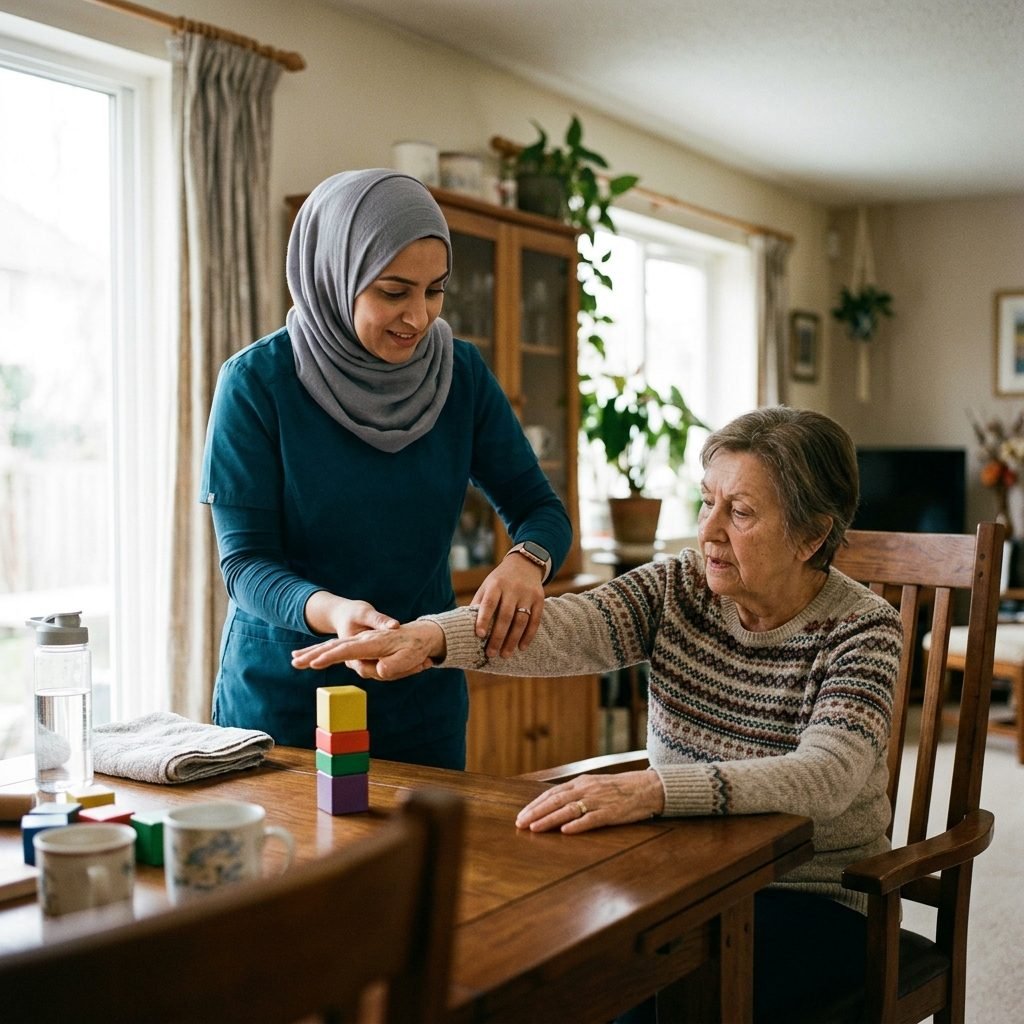
Stroke Rehabilitation
Advanced motor and neurological stroke recovery at home in Al Marwah.
Service Details ←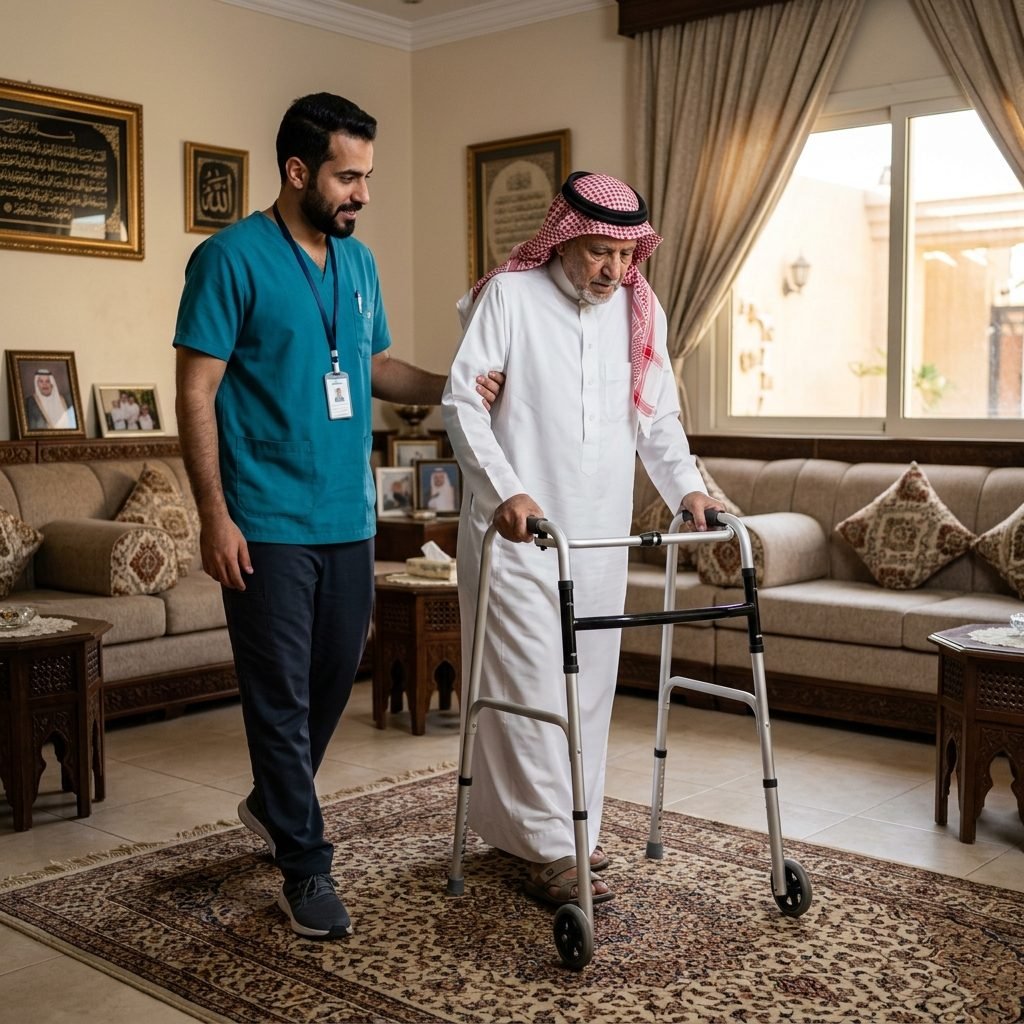
Geriatric Physical Therapy
Balance training, strengthening, and fall prevention for seniors in Al Marwah.
Service Details ←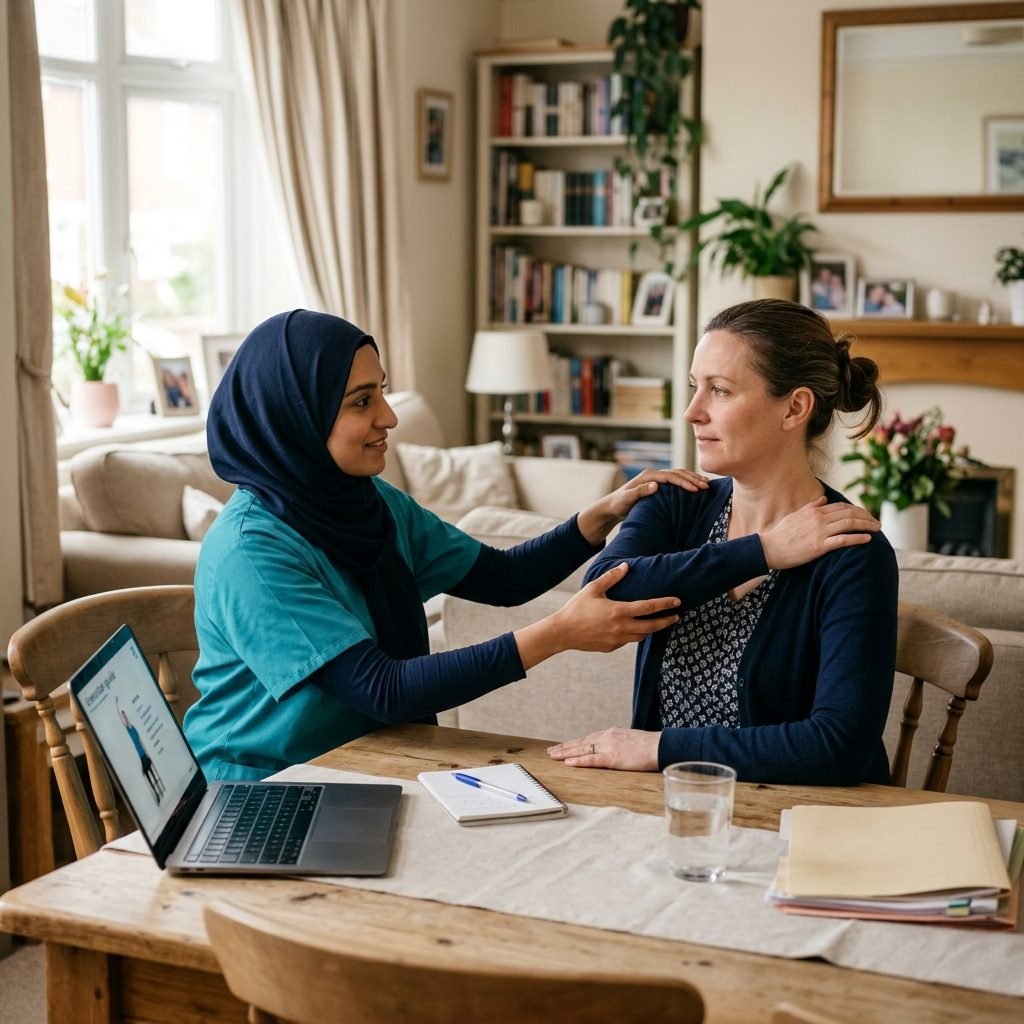
Female Physiotherapist
Licensed female therapists providing home care for women in Al Marwah.
Service Details ←