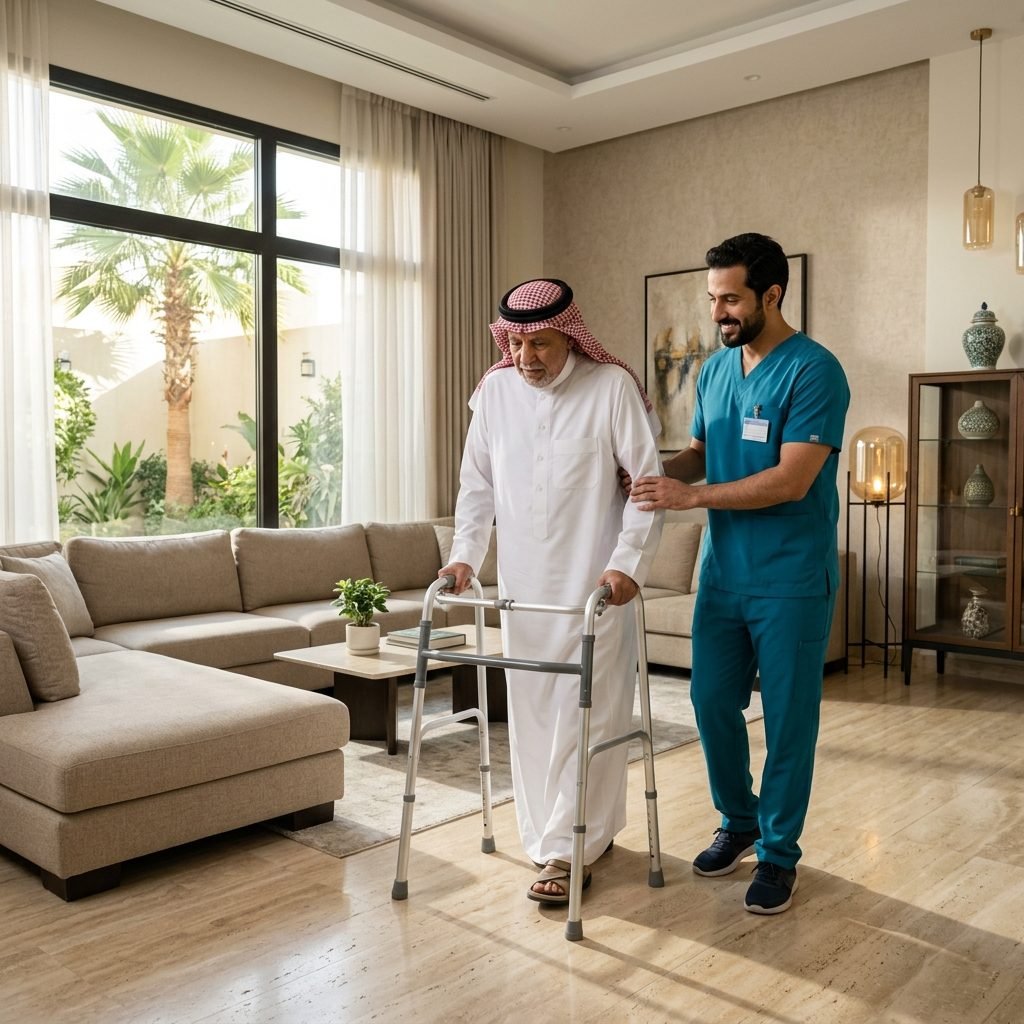
Having access to comprehensive, clinical physical therapy at home is crucial for maintaining rehabilitation progress, especially in busy neighborhoods. Al-Safa and Al Marwah districts in Jeddah present unique local mobility challenges due to high population density and traffic. At Bidaya Center, we deliver high-quality home physiotherapy and movement rehabilitation services directly to your doorstep, conforming to the clinical guidelines of the Saudi Commission for Health Specialties. We eliminate the stress of travel, traffic, and parking. We respect cultural privacy by providing certified male therapists for male patients and female therapists for female patients.
Our clinical approach in Al Marwah starts with a detailed physical and environmental safety assessment to eliminate fall hazards in the home. We bring all necessary portable, sterilized equipment to deliver a clinical standard of care comparable to external clinics. The therapist establishes a tailored milestone tracking plan to monitor muscle strength, balance, and joint range of motion (ROM) progression over time.
Why families in Al Marwah choose Bidaya for home physiotherapy
- ✅ Licensed male & female therapists — full privacy, in your own home in Al Marwah.
- ✅ Fully in-home visits across Al Marwah — no travel or traffic.
- ✅ A personalized rehab plan built after a thorough in-home assessment.
- ✅ Continuous follow-up and direct contact with your therapist throughout.
- ✅ Fast response — arrange your visit by a quick call or WhatsApp message.
We also serve nearby areas: Al Andalus · Al Basateen · Al Bawadi
* The treatment plan and expected outcomes are determined by a medical and functional assessment of each individual case.
What Home Physiotherapy Means and Why It Matters for Al Marwah Residents
Home physiotherapy brings rehabilitation and functional recovery sessions directly into the patient's home, delivered by a licensed therapist, instead of requiring repeated trips to clinics. At Bidaya Center, we see the home not merely as a convenient substitute for a clinic, but as an active part of the treatment itself. When a patient trains within their own space, using their own bed, chair, stairs, and bathroom, they build the exact skills that translate into real day-to-day independence.
Al Marwah is a predominantly residential neighborhood in Jeddah, home to many families spanning every age group. That character makes a service that comes to the doorstep a practical necessity rather than a luxury. Many households here include an elderly relative, someone recovering from surgery, or a case that needs regular follow-up where frequent travel is difficult, whether because of the heat, traffic, or the patient's own limited mobility. Reaching the patient at home saves time and effort, reduces the risks tied to transport, and protects the consistency of sessions, which is the cornerstone of any successful rehabilitation program.
Our service is designed for the residents of Al Marwah and the surrounding areas, and we make sure the therapist understands the typical layout and rhythm of a residential home in the neighborhood, so the assessment is realistic and the plan is genuinely workable within the walls of the house. We want to be clear that every treatment plan and its expected outcomes depend on a careful clinical and functional assessment of each individual case; no specific result can be promised before that assessment.
Symptoms and Signs That Call for Starting Home Physiotherapy
Not every case is obvious to the patient or the family, and rehabilitation is often delayed by the belief that pain or weakness will simply fade on its own. Certain indicators should prompt serious consideration of home sessions after consulting the treating physician. The most notable include:
- Chronic or recurring pain in the back, neck, or joints that persists for weeks without clear improvement.
- Weakness or restricted movement following a stroke or neurological injury, such as difficulty moving a limb or a loss of balance.
- Difficulty walking or standing, or a growing dependence on others for simple daily tasks.
- Post-surgical recovery for joints or bones, where range of motion and strength need to be rebuilt gradually.
- Repeated falls or fear of falling among older adults, an important sign of impaired balance that calls for early intervention.
- Morning joint stiffness or persistent swelling that limits usual activities.
- Delayed motor development in children, or an unusual pattern in sitting, standing, or walking.
The presence of one or more of these signs does not point to a specific diagnosis, but it is reason enough to contact us for an initial assessment that determines whether home physiotherapy is appropriate and how much it is needed.
Medical Conditions We Treat at Home
The Bidaya Center team covers a broad spectrum of conditions that can be rehabilitated safely and effectively at home, arriving with the equipment each visit requires. Among the most common cases we handle:
- Neurological conditions: rehabilitation after stroke, spinal cord injuries, Parkinson's disease, and multiple sclerosis.
- Bone and joint cases: recovery after fractures and knee or hip joint replacement surgery, osteoarthritis, and disc problems.
- Spinal pain: chronic lower back and neck pain, and postural problems caused by prolonged sitting.
- Sports and ligament injuries: ligament, tendon, and muscle injuries, with rehabilitation toward a safe return to activity.
- Elderly rehabilitation: programs to improve balance and strength, prevent falls, and preserve independence.
- Pediatric cases: motor delay, cerebral palsy, and conditions that need regular developmental follow-up.
- Recovery after prolonged bed rest: addressing general muscle weakness and gradually restoring functional fitness.
Every case has its own particulars, so we always begin with a thorough assessment before building the plan, and we coordinate with the treating physician when needed to keep care integrated.
Goals of the Home Rehabilitation Program
Physiotherapy is not only about relieving pain; it is about rebuilding a person's ability to live with independence and confidence. We design each program around realistic, measurable goals that are reviewed regularly according to how the case responds. The key objectives we work toward include:
- Relieving pain and, in cooperation with the physician, reducing reliance on painkillers as much as possible.
- Restoring range of motion in the joints and improving the flexibility of surrounding tissues.
- Strengthening muscles and improving endurance for daily tasks without early fatigue.
- Improving balance and coordination to prevent falls, especially in older adults.
- Enhancing functional independence in walking, sitting, standing, transferring, and self-care.
- Correcting posture and faulty movement patterns that cause or worsen pain.
- Education and prevention to lower the likelihood of the problem returning or complications developing.
We emphasize that the degree and speed of achieving these goals differ from one patient to another; they depend on the nature of the case, adherence to the plan, and ongoing assessment, without any promise of a guaranteed result.
Stages and Pathway of Home Physiotherapy Sessions
We follow a structured pathway that keeps the steps clear for the patient and family from the very first moment and gives every home visit a defined purpose:
- Stage one — contact and booking: when you reach out, we listen to the patient's concern and set the first visit at a time that suits the family's circumstances in Al Marwah.
- Stage two — comprehensive assessment: during the first visit, the therapist examines the case, measures range of motion, strength, and balance, reviews medical reports, and understands what the home environment allows.
- Stage three — building the treatment plan: we design an individual plan with clear goals and an estimated number of sessions, explained to the patient and family in plain language.
- Stage four — delivering the sessions: sessions are carried out regularly at home using suitable treatment techniques and portable equipment, with practical exercises the patient trains on in their real surroundings.
- Stage five — follow-up and reassessment: we measure progress periodically and adjust the plan according to the response, because rehabilitation is a flexible pathway, not a fixed prescription.
- Stage six — home program and continuity: we provide the patient with home exercises and preventive guidance to maintain the gains after the sessions conclude.
This pathway adapts to each case, and its length and details may change based on what ongoing assessment reveals.
The Role of the Family and Caregiver in the Plan's Success
Successful home rehabilitation is a genuine partnership between the therapist and the family, because the patient spends most of their time with loved ones rather than with the treatment team. That is why we make a point of involving and training the caregiver, whose role extends well beyond the end of each session. The family's key contributions include:
- Supervising home exercises and ensuring they are performed correctly and consistently between visits.
- Preparing a safe environment by removing obstacles, providing good lighting, and securing whatever is needed to reduce fall risk.
- Assisting with mobility and transfers using the correct technique the therapist demonstrates, to avoid injuring either the patient or the caregiver.
- Observing and noting any change in pain, movement, or mood, and reporting it to the therapist.
- Providing emotional support and encouragement, since motivation raises adherence and improves the patient's response to the program.
We give the family clear explanations and written guidance when needed, and we answer their questions along the way, because an informed family is the best ally of successful rehabilitation.
Tips for Ongoing Home Safety and Prevention
Prevention is an inseparable part of treatment, and many setbacks and injuries can be avoided with simple adjustments at home. We consistently recommend the following:
- Securing walkways and floors by removing loose rugs and cables, and drying floors immediately when wet, especially in the bathroom and kitchen.
- Installing safety grab bars near the toilet and inside the bathroom, and using a shower chair when needed.
- Providing adequate lighting in hallways and on stairs, with a night light along the path to the bathroom.
- Choosing suitable footwear that is stable and non-slip indoors, and avoiding walking in socks alone.
- Following prescribed exercises without adding to or cutting them short, and not pushing past the safe pain limits the therapist sets.
- Staying regularly active and avoiding long periods of sitting or lying down, standing up gradually to prevent dizziness.
- Watching for warning signs such as a sudden increase in pain or swelling, and contacting the therapist or physician right away.
These are general guidelines, and the therapist may add recommendations tailored to the patient's condition and the nature of their home after the assessment.
Frequently Asked Questions (FAQ)
Are female therapists available to treat women at home?
Yes. Our team includes both licensed male and female therapists, and a female therapist can be assigned for female patients, with full respect for privacy and the family's comfort within the home.
How many sessions will the patient need?
The number is determined only after the initial assessment, because it depends on the type and severity of the case and the response to treatment. It cannot be fixed in advance, and we do not promise a set number.
Does the service reach all parts of Al Marwah?
We serve residents of Al Marwah and the neighboring areas in Jeddah. To confirm coverage for your exact location, please contact us directly and share your address.
What equipment does the home need before the visit?
In most cases the family needs no special preparation; the therapist arrives with the necessary portable equipment, and if any simple arrangement of the space is required, they will explain it beforehand.
Can we start without a physician's referral?
An initial assessment can be arranged when you get in touch, but we take your medical reports into account and may advise reviewing or coordinating with your physician when needed to keep the plan safe and integrated.
To book a home visit or to ask a question, contact us by phone by clicking Call Now or via WhatsApp on the same number. The Bidaya Center team will be glad to help you begin your recovery journey from your home in Al Marwah.
Important Home Visit Details:
- ✓Setup: Please clear a 2x2m space in the room for safety.
- ✓Clothing: Wear loose, comfortable clothes for easy movement.
- ✓Therapist Parity: Male therapists for males, females for females.
- ✓Medical Reports: Keep your MRI or doctor reports ready for evaluation.
Rehabilitation & Services in Al Marwah
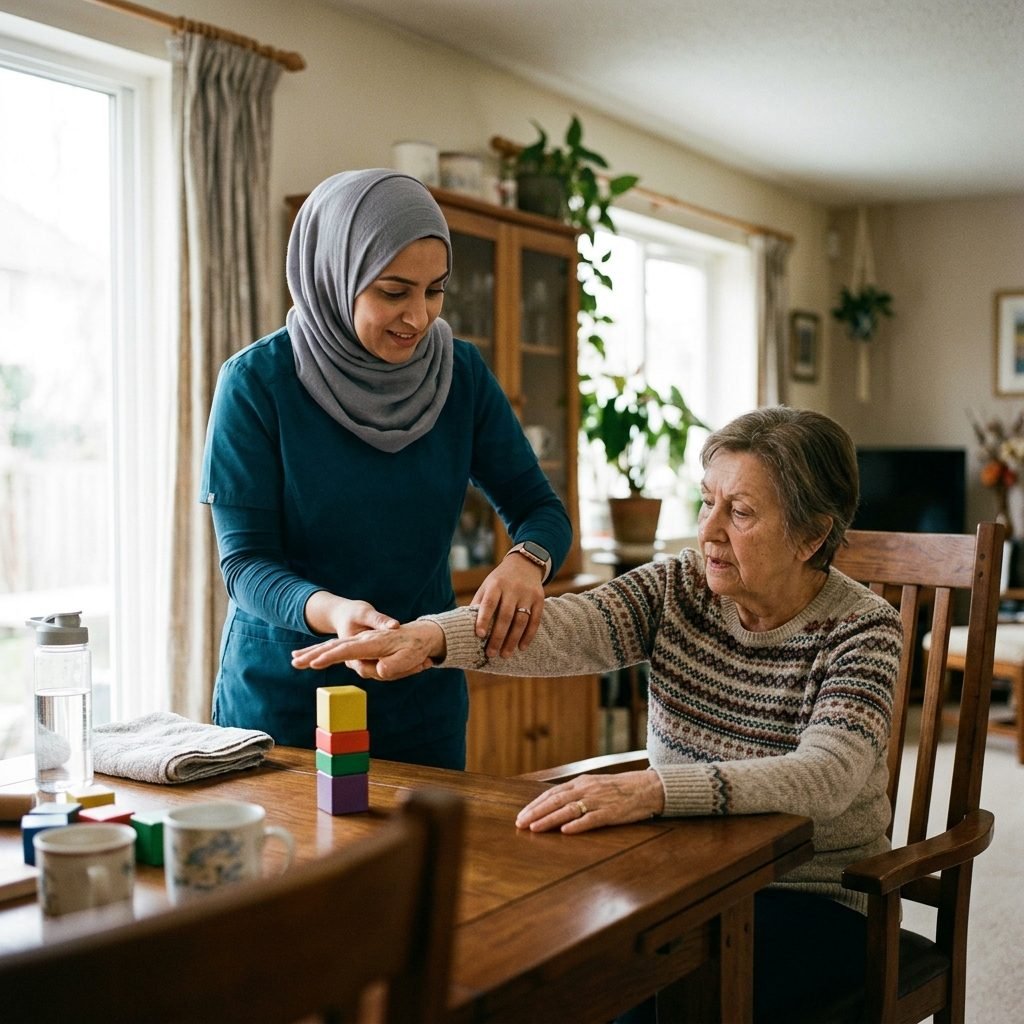
Stroke Rehabilitation
Advanced motor and neurological stroke recovery at home in Al Marwah.
Service Details ←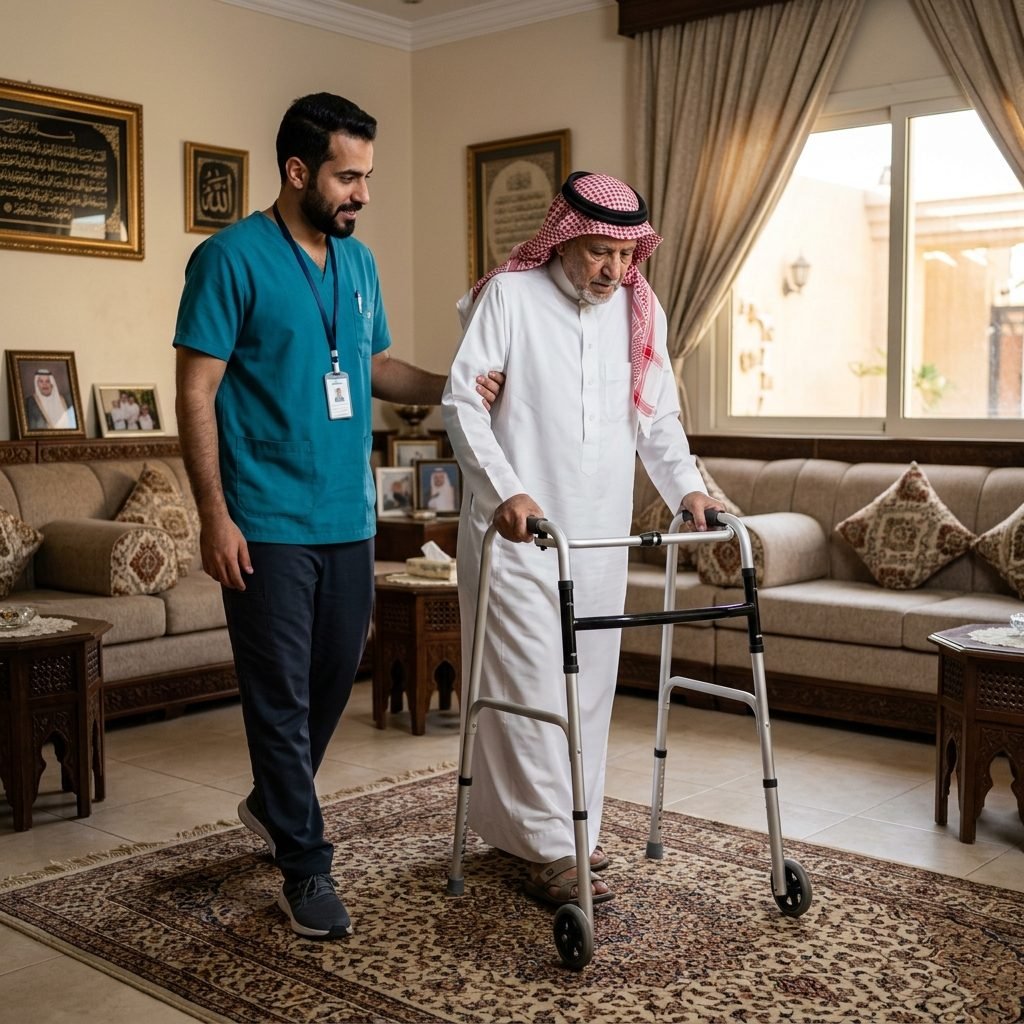
Geriatric Physical Therapy
Balance training, strengthening, and fall prevention for seniors in Al Marwah.
Service Details ←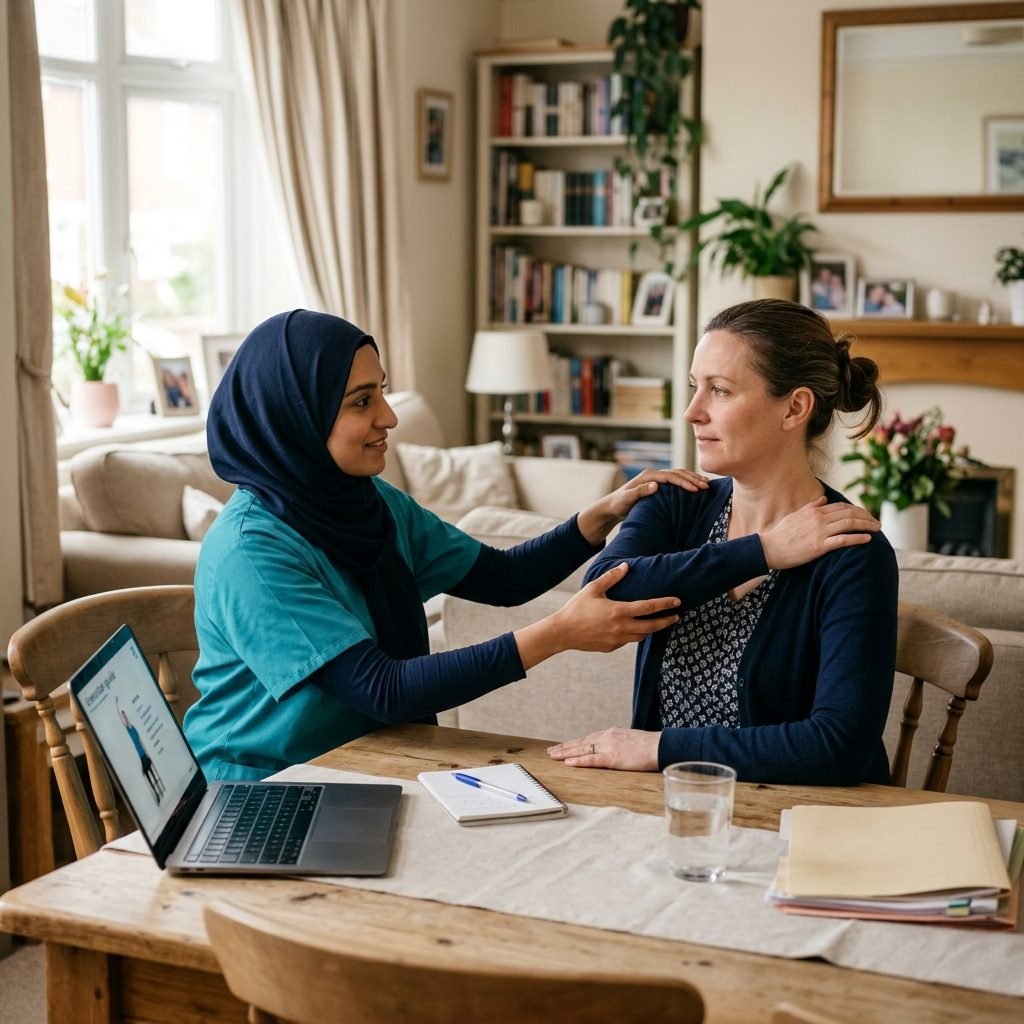
Female Physiotherapist
Licensed female therapists providing home care for women in Al Marwah.
Service Details ←