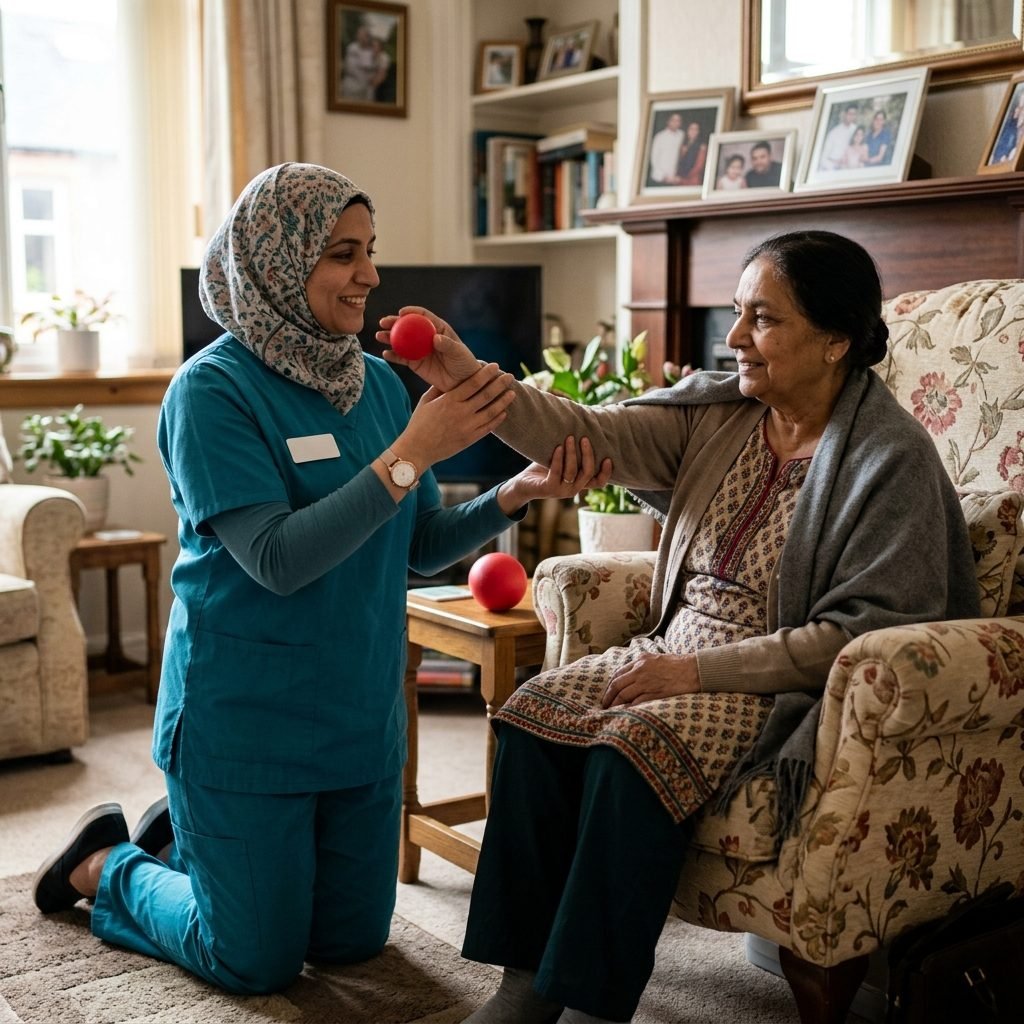
Having access to comprehensive, clinical physical therapy at home is crucial for maintaining rehabilitation progress, especially in busy neighborhoods. Al-Safa and Al Marwah districts in Jeddah present unique local mobility challenges due to high population density and traffic. At Bidaya Center, we deliver high-quality home physiotherapy and movement rehabilitation services directly to your doorstep, conforming to the clinical guidelines of the Saudi Commission for Health Specialties. We eliminate the stress of travel, traffic, and parking. We respect cultural privacy by providing certified male therapists for male patients and female therapists for female patients.
Our clinical approach in Al Marwah starts with a detailed physical and environmental safety assessment to eliminate fall hazards in the home. We bring all necessary portable, sterilized equipment to deliver a clinical standard of care comparable to external clinics. The therapist establishes a tailored milestone tracking plan to monitor muscle strength, balance, and joint range of motion (ROM) progression over time.
Why families in Al Marwah choose Bidaya for home physiotherapy
- ✅ Licensed male & female therapists — full privacy, in your own home in Al Marwah.
- ✅ Fully in-home visits across Al Marwah — no travel or traffic.
- ✅ A personalized rehab plan built after a thorough in-home assessment.
- ✅ Continuous follow-up and direct contact with your therapist throughout.
- ✅ Fast response — arrange your visit by a quick call or WhatsApp message.
We also serve nearby areas: Al Andalus · Al Basateen · Al Bawadi
* The treatment plan and expected outcomes are determined by a medical and functional assessment of each individual case.
What Home Neurological Physiotherapy Means and Why It Matters for Al Marwah Residents
Neurological physiotherapy is a focused discipline concerned with rehabilitating people whose central or peripheral nervous system has been affected, whether after a stroke, a spinal cord injury, or through chronic conditions such as Parkinson's disease and multiple sclerosis. The field rests on the principle of neuroplasticity, the brain's capacity to rebuild functional pathways through structured repetition and graded stimulation of movement, balance, and muscular control.
At Bidaya Center we deliver this service inside the patient's own home in Al Marwah, Jeddah, an option that carries real practical value for the neighborhood's residents. Transporting a patient with poor balance through busy streets or up stairways without a lift is a physical and emotional burden. A home session, by contrast, offers a familiar environment in which the patient moves with greater confidence, practicing how to rise from their actual bed, walk along their real hallway, and reach the bathroom they use every day.
This realism is no minor detail. A skill gained inside a clinic does not always transfer automatically to the home, whereas training in the very same space makes progress applicable from the first moment. Our licensed male and female therapists adapt each exercise to the home's furniture and layout, and offer precise recommendations for modifying the environment to serve the patient's safety.
We emphasize that every program begins with a comprehensive clinical and functional assessment, and that results vary from one person to another depending on the nature of the neurological condition, its duration, and the body's response. We make no promises of a cure; instead we offer a realistic action plan and honest follow-up that respect each family's privacy and way of life.
Symptoms and Signs That Call for Starting
Many families hesitate to seek rehabilitation, assuming improvement will happen on its own over time, yet early intervention often makes a meaningful difference in the quality of functional recovery. Signs that deserve a specialist assessment include:
- Sudden or gradual weakness or numbness on one side of the body or in a specific limb.
- Balance disturbance with a tendency to fall or sway while walking or standing.
- Muscle stiffness or spasticity that restricts range of motion and causes pain when the joint is moved.
- Difficulty walking, such as dragging a foot, shortened steps, or needing constant support.
- Tremor or a noticeable slowness of movement, with changes in handwriting or handling utensils.
- Weakened grip or loss of fine motor skills, like buttoning a shirt or holding a spoon.
- Reduced awareness of body position, or recurrent dizziness linked to changing posture.
- Growing dependence on others to move from bed to chair or to enter the bathroom.
The presence of one of these symptoms is not a specific diagnosis, but it is an invitation to seek an early assessment. When emergency signs appear, such as sudden loss of speech or acute one-sided numbness, medical emergency care comes first, and rehabilitation follows once the condition has stabilized.
Conditions and Groups That Benefit
The conditions served by home neurological physiotherapy are varied, and those affected share a need for a program tailored to their current abilities and personal goals. Among the groups who benefit most in Al Marwah are:
- Stroke patients in the post-stabilization phase who seek to regain walking and hand independence.
- People with partial or complete spinal cord injuries, including those needing training in safe wheelchair use.
- Parkinson's patients facing slowness of movement, gait freezing, and balance disturbance.
- Cases of multiple sclerosis and the management of fatigue and fluctuating weakness.
- Those recovering from traumatic head and brain injuries after accidents.
- Patients with peripheral neuropathy and weakness caused by neuromuscular disorders.
- Children with cerebral palsy and motor developmental delay, within stimulating play-based plans.
- Older adults whose mobility has declined on a neurological background or after a long period of bed rest.
In every case we take account of age, general condition, and coexisting illnesses, and we offer the choice of a male or female therapist according to the family's preference, ensuring full comfort and complete privacy inside the home.
Goals of the Rehabilitation Program
The aim is not merely to strengthen a muscle, but to rebuild a function the patient uses in daily life. We shape goals together with the patient and family so they are realistic and measurable, including:
- Improving balance and motor control to reduce the risk of falls inside the home.
- Enhancing the gait pattern, stride length, and standing stability, using assistive devices when needed.
- Increasing range of motion in the joints and limiting spasticity and muscular stiffness.
- Retraining the hand's fine motor skills to support eating, writing, and self-care.
- Raising the level of functional independence in daily transfers between bed, chair, and bathroom.
- Managing neuropathic and muscular pain through safe, graded therapeutic methods.
- Improving endurance and resistance to the fatigue associated with the neurological condition.
- Educating the family and integrating a home exercise routine to consolidate gains.
These goals are reviewed regularly and adjusted according to the patient's progress, because the neurological rehabilitation path is dynamic and demands flexibility in the plan and responsiveness to the body's changing response.
Stages and Course of the Home Sessions
We follow a structured path that begins with a precise understanding of the case and moves toward independence as far as possible, documenting every stage:
- Initial assessment: a comprehensive clinical and functional examination covering muscle strength, balance, sensation, range of motion, and the ability to perform daily tasks, establishing a starting point.
- Plan setting: defining short and long-term goals together with the family, and proposing the number and length of sessions.
- Activation stage: preparatory exercises to improve flexibility and circulation and warm the muscles, with methods for managing spasticity.
- Functional training stage: working on real skills such as rising, standing, walking, and transfers, within the actual space of the home.
- Progression stage: a gradual increase in load and complexity, introducing balance challenges and dual tasks that mimic daily life.
- Reassessment: periodic measurement of progress against the starting point, adjusting the plan and goals based on results.
- Empowerment and follow-up: training the patient and family in an independent home program, with guidance to maintain the gains.
The number and frequency of sessions are determined individually after the assessment; there is no single schedule that fits everyone. Some cases need early intensity, while others progress at a calmer pace. We commit to transparency in explaining what to expect, without exaggeration.
The Role of the Family and Caregiver
Success in neurological rehabilitation is not achieved by the sessions alone, but by what happens in the hours between them. The family is an essential partner, and its role extends well beyond the therapist's departure:
- Daily support: encouraging the patient to perform home exercises regularly without frustration or excessive pressure.
- Observation and documentation: noting any change in movement, pain, or mood and sharing it with the therapy team.
- Safe assistance: learning the correct way to support the patient in rising and transferring without injuring the caregiver's own back.
- Preparing the environment: keeping pathways clear of obstacles, providing adequate lighting, and arranging items within reach.
- Emotional support: celebrating small achievements and accepting the fluctuation of good and hard days, since morale is part of the treatment.
We take care to train the caregiver practically during the sessions and to provide clear guidance, while remaining attentive to the caregiver's own health so they do not become exhausted. Balanced cooperation between the family and the team multiplies the chances of progress.
Home Safety and Prevention Tips
A safe home environment reduces the risk of falls and injury and supports the neurological patient's independence. We recommend a set of practical measures:
- Remove tripping hazards: secure the edges of rugs or remove them, and keep cables and scattered items away from walking paths.
- Secure the bathroom: install fixed grab bars, use a non-slip surface, and use a shower chair when needed.
- Adequate lighting: provide night lighting in hallways and on the route from bedroom to bathroom.
- Suitable footwear: wear firm, closed shoes with non-slip soles rather than open slippers.
- Organized spaces: keep frequently used items at an easy-to-reach level without risky bending or stretching.
- Correct use of assistive devices: ensure the patient adheres to the prescribed cane or walker and does not abandon it before being cleared to.
- Medication and hydration monitoring: keep to neurological medication schedules and maintain fluid intake to avoid dizziness.
- An emergency plan: keep a phone near the patient and place contact numbers in a visible spot.
During the visit our team provides an assessment of the home environment and tailored recommendations, since what suits one case may not suit another. The aim is always higher safety and the least possible dependence on others.
Frequently Asked Questions (FAQ)
Do you guarantee full recovery of movement after a stroke?
We offer no guarantees of complete recovery; neurological rehabilitation outcomes vary according to the type of injury, its duration, and the body's response. What we commit to is a precise assessment, a realistic plan, and honest follow-up that seek the best possible functional improvement for your case.
Are female therapists available to serve female patients at home?
Yes, we have licensed male and female therapists, and the family may choose the therapist that matches its preference. We uphold full privacy and respect the sanctity of the home on every visit.
How many sessions will the patient need?
A fixed number cannot be set before the initial assessment, since it depends on the condition, the goals, and the response. After the home examination we lay out a clear plan explaining the proposed frequency and the reasoning behind it.
Is a home session as effective as the clinic?
The home session has an important advantage: the patient trains in their real environment on tasks they use daily, which makes it easier for the skill to transfer into their life. We tailor the exercises to suit the home's space and available tools.
Do you serve all districts of Jeddah or only Al Marwah?
We serve Al Marwah and the neighboring districts of Jeddah. To confirm coverage of your area and to arrange a visit time, contact us directly and we will clarify the details transparently.
To book a home visit or to inquire about neurological physiotherapy in Al Marwah, Jeddah, contact Bidaya Center by phone or WhatsApp by clicking Call Now, and our team will be glad to help you and arrange a time that suits you.
Important Home Visit Details:
- ✓Setup: Please clear a 2x2m space in the room for safety.
- ✓Clothing: Wear loose, comfortable clothes for easy movement.
- ✓Therapist Parity: Male therapists for males, females for females.
- ✓Medical Reports: Keep your MRI or doctor reports ready for evaluation.
Rehabilitation & Services in Al Marwah
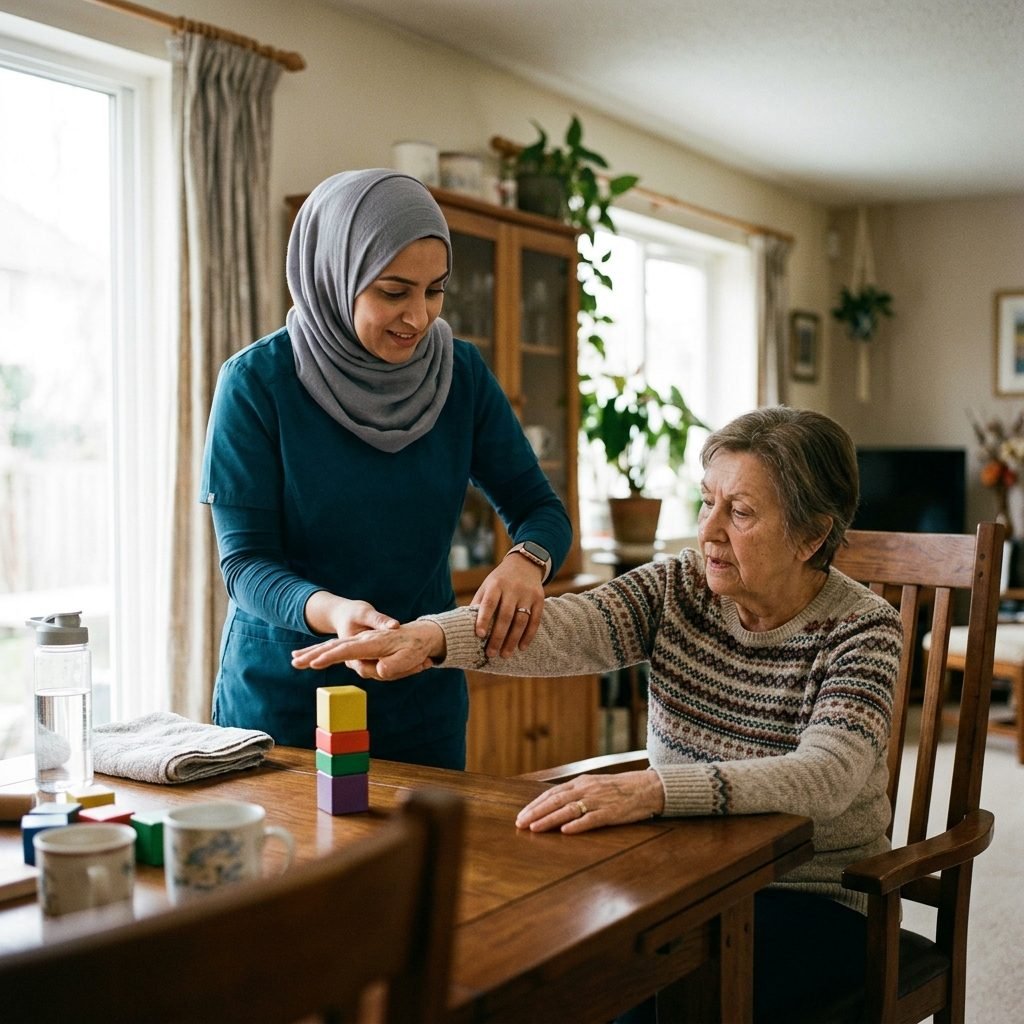
Stroke Rehabilitation
Advanced motor and neurological stroke recovery at home in Al Marwah.
Service Details ←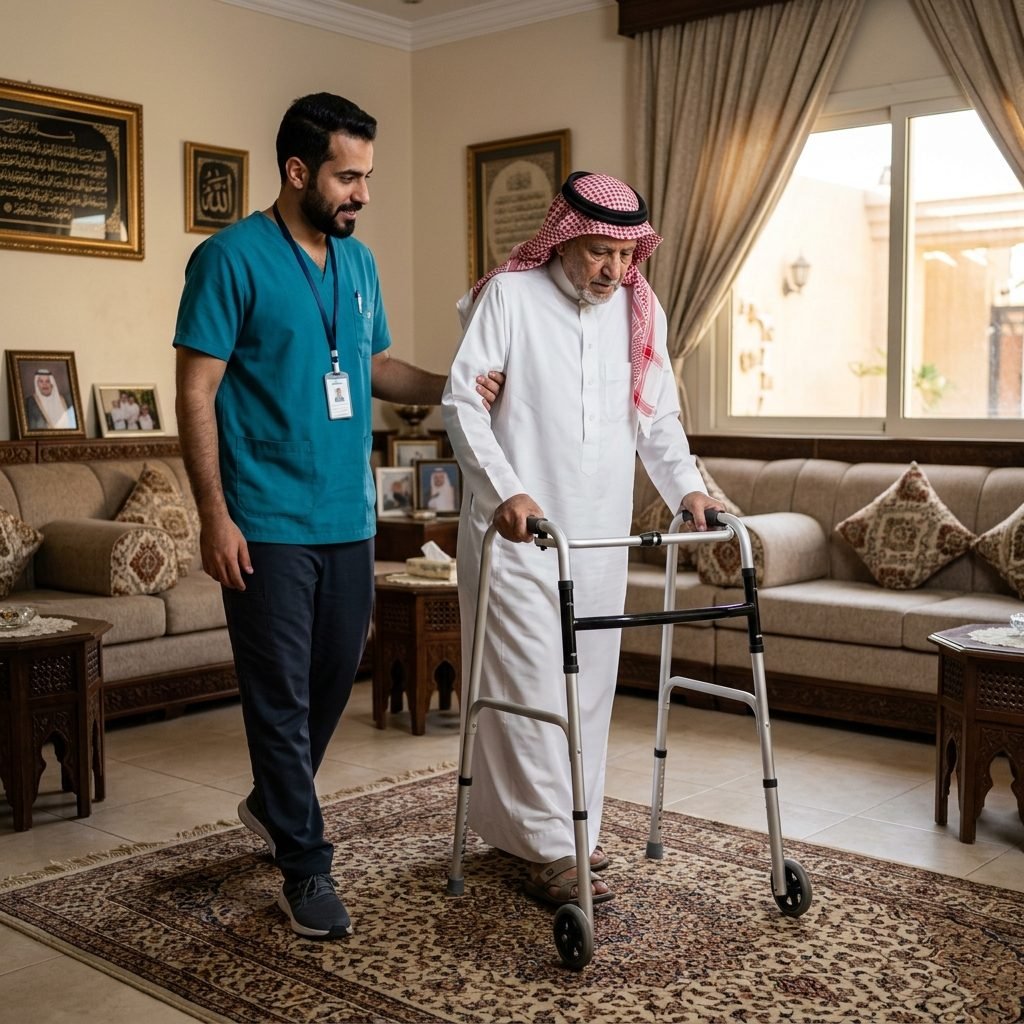
Geriatric Physical Therapy
Balance training, strengthening, and fall prevention for seniors in Al Marwah.
Service Details ←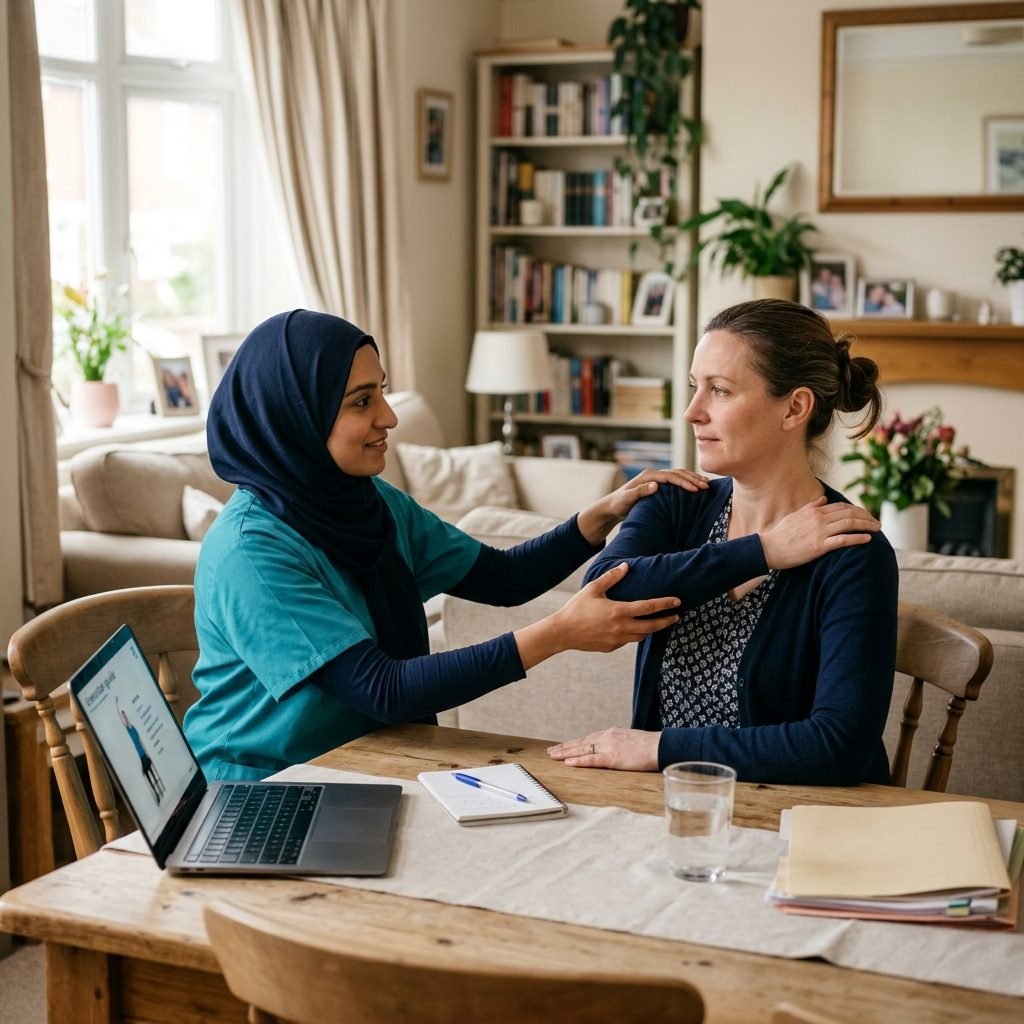
Female Physiotherapist
Licensed female therapists providing home care for women in Al Marwah.
Service Details ←