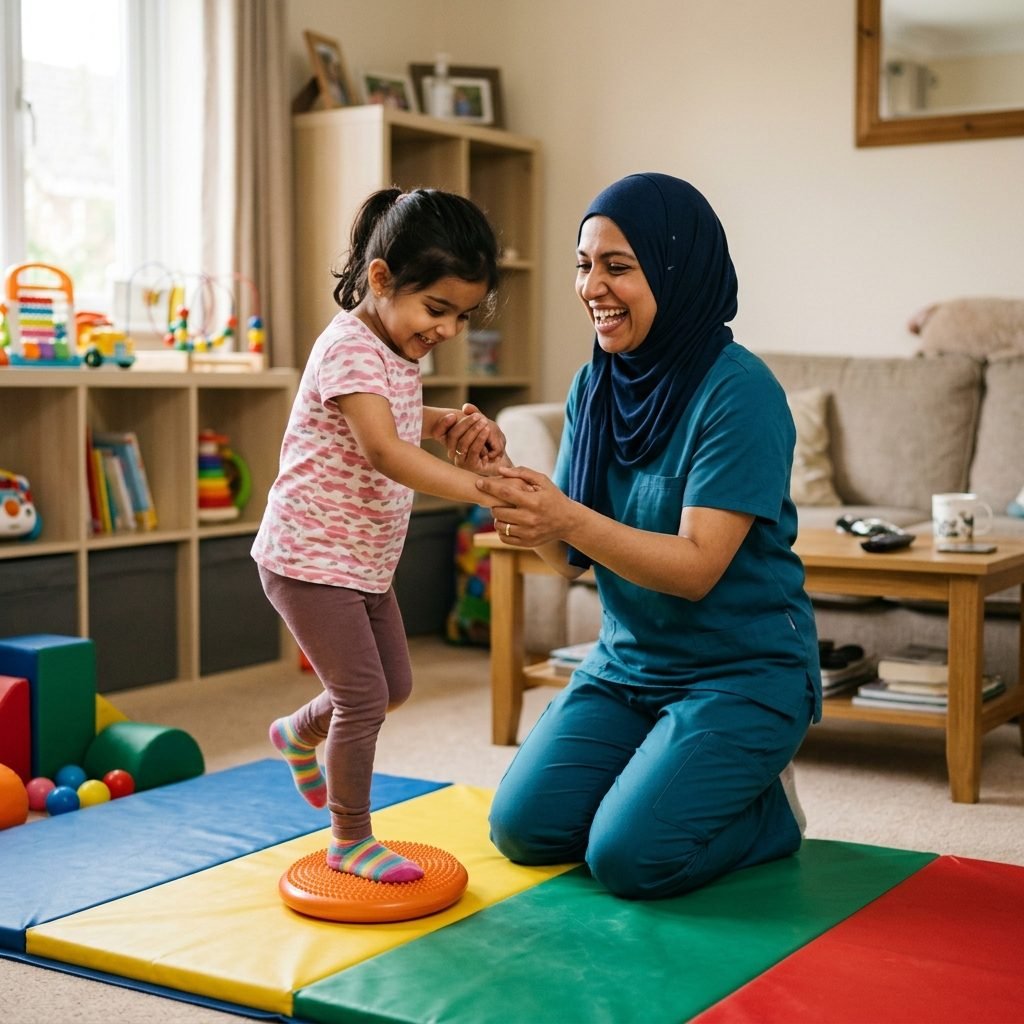
Having access to comprehensive, clinical physical therapy at home is crucial for maintaining rehabilitation progress, especially in busy neighborhoods. Al-Safa and Al Mohammadiyah districts in Jeddah present unique local mobility challenges due to high population density and traffic. At Bidaya Center, we deliver high-quality home physiotherapy and movement rehabilitation services directly to your doorstep, conforming to the clinical guidelines of the Saudi Commission for Health Specialties. We eliminate the stress of travel, traffic, and parking. We respect cultural privacy by providing certified male therapists for male patients and female therapists for female patients.
Our clinical approach in Al Mohammadiyah starts with a detailed physical and environmental safety assessment to eliminate fall hazards in the home. We bring all necessary portable, sterilized equipment to deliver a clinical standard of care comparable to external clinics. The therapist establishes a tailored milestone tracking plan to monitor muscle strength, balance, and joint range of motion (ROM) progression over time.
Why families in Al Mohammadiyah choose Bidaya for home physiotherapy
- ✅ Licensed male & female therapists — full privacy, in your own home in Al Mohammadiyah.
- ✅ Fully in-home visits across Al Mohammadiyah — no travel or traffic.
- ✅ A personalized rehab plan built after a thorough in-home assessment.
- ✅ Continuous follow-up and direct contact with your therapist throughout.
- ✅ Fast response — arrange your visit by a quick call or WhatsApp message.
We also serve nearby areas: Al Andalus · Al Basateen · Al Bawadi
* The treatment plan and expected outcomes are determined by a medical and functional assessment of each individual case.
Home-Based Cerebral Palsy Physiotherapy and Why It Matters for Families in Al Mohammadiyah
Cerebral palsy is not a progressive illness. It is a disorder of movement and posture caused by an injury to the developing brain, occurring before birth, during delivery, or in the earliest months of life. Because the injury itself does not worsen, a child's real opportunity lies in early, consistent intervention that harnesses the brain's plasticity during the first years and helps reshape movement patterns before tightness and deformity become fixed. This is precisely why home-based cerebral palsy physiotherapy for children is so valuable: it moves therapy out of a temporary clinic room and into the environment where the child actually lives and repeats movements every single day.
Al Mohammadiyah is a large residential district in Jeddah, home to many families and children across every age. For a family with a child who has motor challenges, repeatedly transporting that child between home and a center several times a week can be exhausting for everyone, especially when the child has muscle spasticity or struggles to sit securely in a car seat. Home therapy removes that burden. A qualified therapist comes to the family's home in Al Mohammadiyah and works with the child on their own floor, bed, and familiar chair, turning the household's own furniture into therapeutic tools. This familiarity lowers the child's anxiety, increases cooperation, and makes whatever is practiced in a session immediately repeatable within the daily routine.
We provide licensed male and female therapists, with full respect for the privacy of the home and the family's preferences. Our aim is never a promise of a cure, but a realistic program built on a careful clinical and functional assessment of each individual child, followed by tracking progress one step at a time.
Symptoms and Signs That Signal It Is Time to Begin
The earlier rehabilitation starts, the deeper its impact, so it is important for parents in Al Mohammadiyah to notice signs that may point to a motor disorder worth assessing, rather than waiting for a child to simply grow out of it. The most common signs include:
- Noticeable stiffness in the limbs, or the opposite, excessive floppiness that makes the child's body feel limp when lifted.
- A clear delay in major motor milestones: poor head control, not sitting, or not crawling or standing at the expected ages.
- Using one side of the body far more than the other, such as always reaching with a single hand while neglecting the other.
- Involuntary movements or tremor, or sudden shifts in muscle tone between softness and rigidity.
- Walking on tiptoes, legs crossing in a scissor pattern, or a persistent bend at the knee and ankle.
- Difficulty feeding or swallowing, ongoing drooling beyond the usual age, or an accompanying delay in speech.
The presence of one or more of these signs is not a confirmed diagnosis of cerebral palsy, but it is reason enough to request a specialist assessment. An early home evaluation helps distinguish a mild, passing delay from a condition that needs a structured rehabilitation program.
Conditions and Groups That Benefit
A home cerebral palsy program in Al Mohammadiyah serves a wide range of children whose needs differ according to the type and severity of the injury. The groups who benefit most include:
- Children with spastic patterns marked by increased muscle tone and joint stiffness, whether affecting two limbs, one side, or all four limbs.
- Children with dyskinetic or ataxic patterns, where involuntary movements or clear weakness in balance and coordination appear.
- Children born prematurely or those who experienced oxygen deprivation or a bleed around the time of birth, who require close developmental monitoring.
- Children who have undergone procedures such as tendon lengthening or muscle-relaxant injections and need post-intervention rehabilitation to preserve the gains.
- Children using supportive devices such as splints, adapted seating, or walkers, who need training to use them correctly within the home.
- Older children aiming to improve independence in walking, transfers, or daily living tasks with as little assistance as possible.
Each group has different goals defined after assessment; some children work toward independent walking, others toward safe sitting or reaching and grasping. This distinction is the very heart of an individualized program.
Goals of the Rehabilitation Program
Success in cerebral palsy rehabilitation is not measured against a single rigid benchmark, but by how closely a child approaches their own highest possible functional level. We therefore frame realistic, graded goals, the most important of which are:
- Reducing muscle spasticity and improving joint range of motion to prevent long-term contractures and deformity.
- Strengthening weak muscles and improving postural control of the head and trunk as the foundation for any higher motor skill.
- Developing balance, coordination, and transitions from one position to another: lying to sitting, and sitting to standing.
- Improving the walking pattern or preparing the child to use appropriate supportive aids when needed.
- Enhancing independence in daily activities as far as possible: eating, dressing, and moving around the home.
- Preventing secondary complications such as hip displacement or spinal curvature through correct positioning and regular exercise.
These goals are reviewed regularly; what suits a child at one stage may change at the next, and the program stays flexible, adapting to the child's growth and response.
Stages and Path of the Home Sessions
The path begins with a comprehensive assessment visit at the family's home in Al Mohammadiyah, where the therapist observes the child during natural movement, examines muscle tone, range of motion, and posture, and listens to the family's concerns and priorities. From this assessment an individual plan is built with short- and long-term goals.
Sessions usually combine several techniques: stretching to ease stiffness, targeted strengthening, training in postural control and balance, and work on functional movement patterns such as crawling, sitting, and standing. We often weave in purposeful play to make exercise enjoyable and motivating, because a child's cooperation is a decisive factor in the outcome. We may also use the household's own furniture, cushions, and toys during exercises, which makes it easier for parents to repeat the training between our visits.
We typically start with a higher frequency of sessions to build the foundation, then reassess progress after an agreed period to adjust goals and pace. At every visit we make sure to train the family in a simple home program to carry out between sessions, because what happens across the long hours of the day matters no less than the session itself. Progress in cerebral palsy is cumulative and gradual, and its pace differs from one child to another depending on their condition and response.
The Role of the Family and Caregiver
In rehabilitating a child with cerebral palsy, the family is not a spectator but a core partner in the therapy. The therapist visits the home for a few hours a week, but it is the parents and caregivers who live with the child for the rest of the day, and it is in their hands that exercise turns from an isolated event into a way of life.
- Learning correct ways to carry and transfer the child that support good positioning and avoid reinforcing unwanted patterns.
- Committing to the simple home exercise program and blending it into the routines of play, bathing, and eating.
- Maintaining healthy sitting and sleeping positions and changing them to prevent contractures and pressure sores.
- Noticing any change in spasticity, the appearance of pain, or a decline in a skill, and reporting it to the therapist early.
- Supporting the child emotionally with encouragement and patience, since a child's emotional state directly affects cooperation and progress.
We are keen to empower families with knowledge and confidence, because the more parents understand why we do what we do, the higher the quality of daily practice and the better the outcomes.
Home Safety and Prevention Tips
A safe home speeds progress and guards against setbacks and accidental injuries. Here are practical guidelines for families in Al Mohammadiyah:
- Prepare a practice space free of obstacles, with a non-slip floor and good lighting, away from sharp edges.
- Secure rugs and remove loose cables to reduce the risk of tripping during walking or crawling attempts.
- Use splints and supportive devices at the times and for the durations the therapist specifies, and check the skin beneath them for redness.
- Change the position of a child who moves little on a regular basis, to avoid joint stiffness and pressure sores.
- Supervise the child closely in the bathroom, near stairs, and in elevated places, and provide suitable bath seating when needed.
- Never force the child into a painful movement; pain is a signal to stop and consult the therapist.
These simple measures turn the home into an environment that supports therapy and protects the child's gains between sessions.
Frequently Asked Questions (FAQ)
Can my child be completely cured of cerebral palsy through home therapy?
Cerebral palsy is a permanent condition resulting from an earlier brain injury, and rehabilitation does not promise a full cure. It aims to raise the child's functional level as much as possible and to prevent complications. The realistic outlook for any child is determined after a careful clinical and functional assessment of their case.
What is the right age to start rehabilitation?
The earlier intervention begins the better, because the brain's plasticity in the first years offers greater opportunities for motor reshaping. That said, every age has suitable goals, and older children also benefit from programs designed to improve independence and prevent deformity.
How many sessions a week does my child need?
There is no single fixed number; the frequency is set according to the severity of the injury, the goals, and the child's response, and it is reviewed regularly. We usually start with enough sessions to build a foundation, then adjust based on tangible progress.
Are female therapists available to treat children at home?
Yes, licensed male and female therapists are available, and the family can choose what suits them, with full respect for the privacy and preferences of the home.
Can parents continue the exercises between visits?
Absolutely, and it is an essential part of the program's success. At every visit we train the family in a simple, safe home program that blends into the child's daily routine between sessions.
To book a home assessment visit for your child in Al Mohammadiyah, Jeddah, or to ask about the cerebral palsy rehabilitation program, contact Bidaya Center by phone or WhatsApp by clicking Call Now, and our team will be glad to help you choose the right next step for your child.
Important Home Visit Details:
- ✓Setup: Please clear a 2x2m space in the room for safety.
- ✓Clothing: Wear loose, comfortable clothes for easy movement.
- ✓Therapist Parity: Male therapists for males, females for females.
- ✓Medical Reports: Keep your MRI or doctor reports ready for evaluation.
Rehabilitation & Services in Al Mohammadiyah
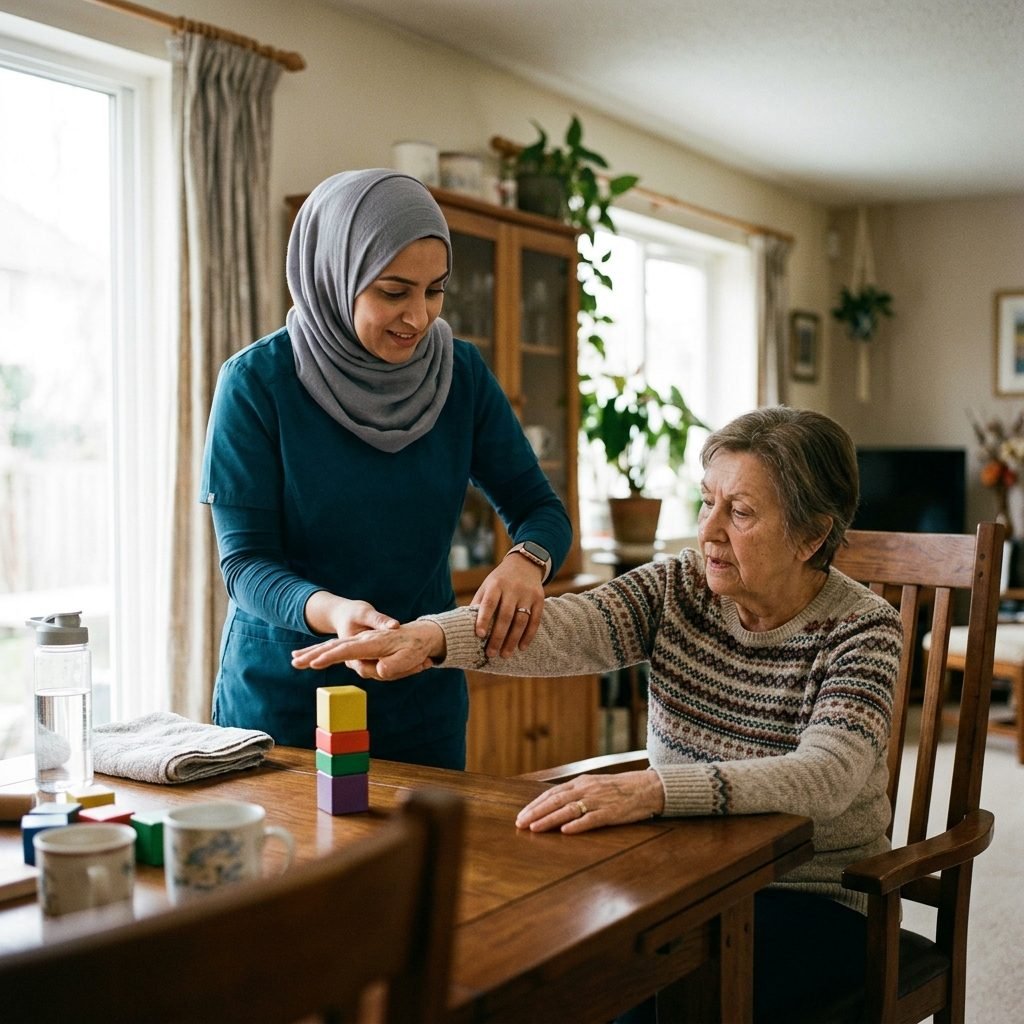
Stroke Rehabilitation
Advanced motor and neurological stroke recovery at home in Al Mohammadiyah.
Service Details ←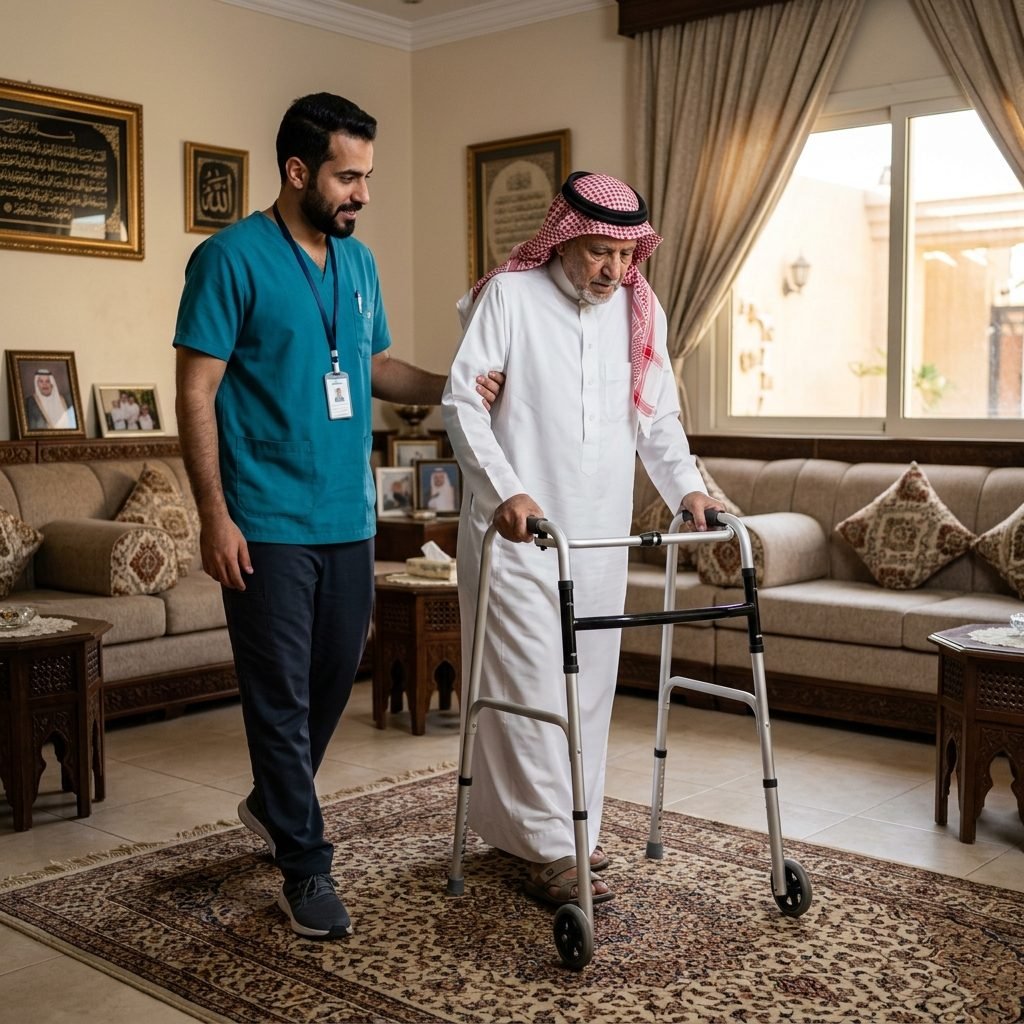
Geriatric Physical Therapy
Balance training, strengthening, and fall prevention for seniors in Al Mohammadiyah.
Service Details ←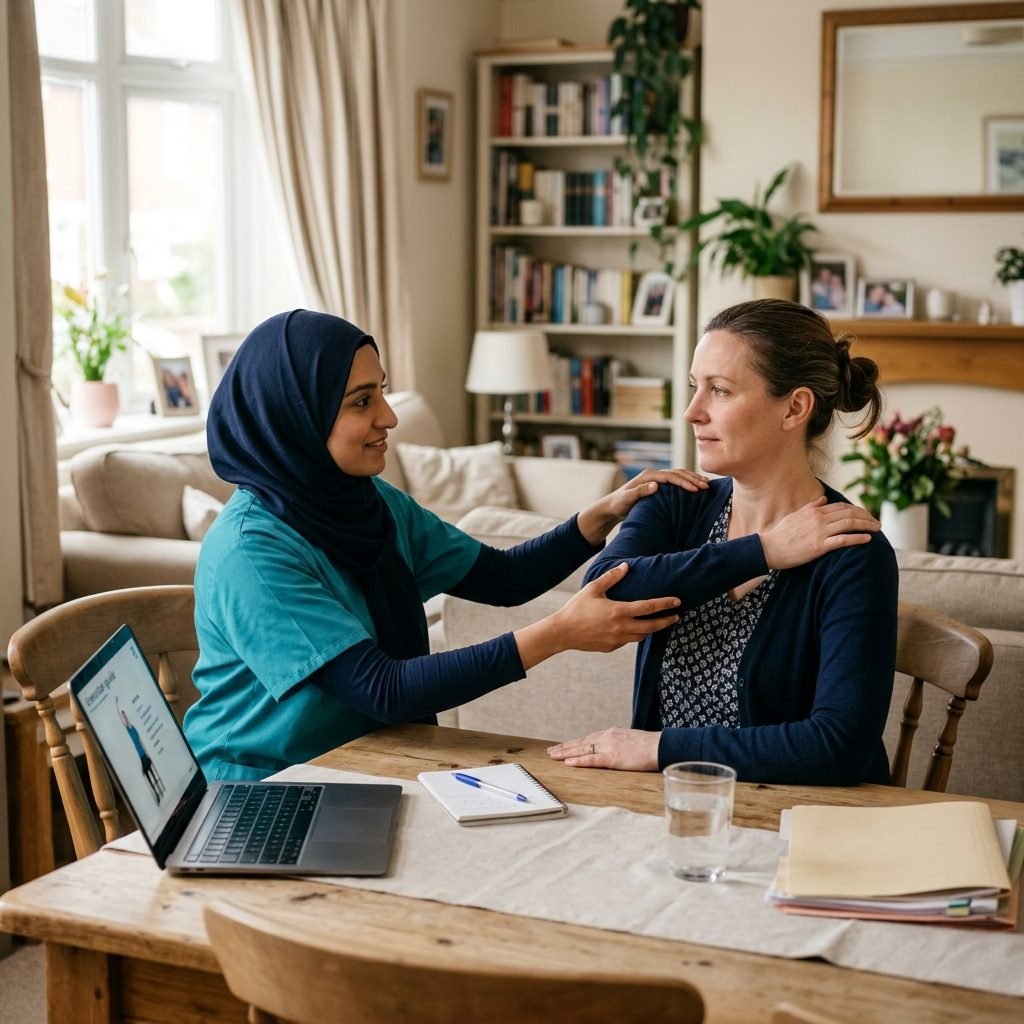
Female Physiotherapist
Licensed female therapists providing home care for women in Al Mohammadiyah.
Service Details ←