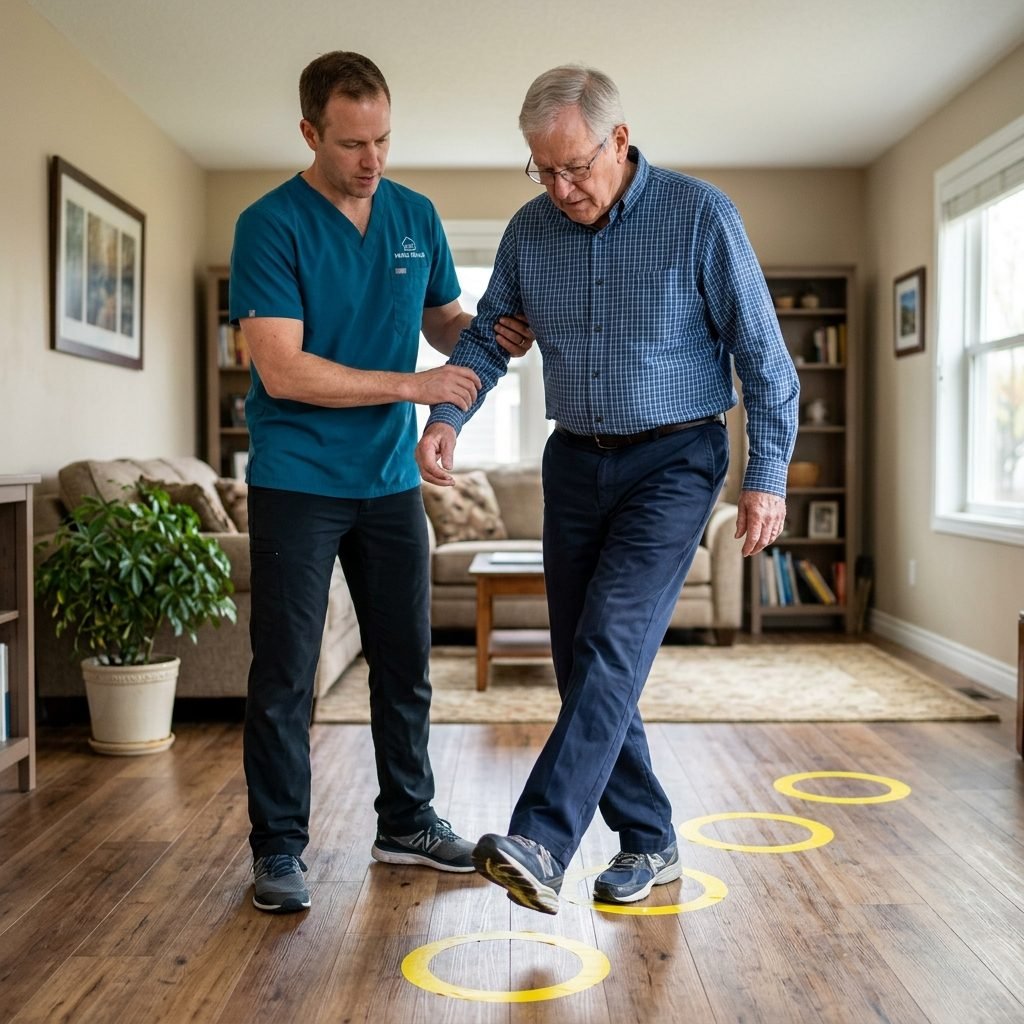
Having access to comprehensive, clinical physical therapy at home is crucial for maintaining rehabilitation progress, especially in busy neighborhoods. Al-Safa and Al Mohammadiyah districts in Jeddah present unique local mobility challenges due to high population density and traffic. At Bidaya Center, we deliver high-quality home physiotherapy and movement rehabilitation services directly to your doorstep, conforming to the clinical guidelines of the Saudi Commission for Health Specialties. We eliminate the stress of travel, traffic, and parking. We respect cultural privacy by providing certified male therapists for male patients and female therapists for female patients.
Our clinical approach in Al Mohammadiyah starts with a detailed physical and environmental safety assessment to eliminate fall hazards in the home. We bring all necessary portable, sterilized equipment to deliver a clinical standard of care comparable to external clinics. The therapist establishes a tailored milestone tracking plan to monitor muscle strength, balance, and joint range of motion (ROM) progression over time.
Why families in Al Mohammadiyah choose Bidaya for home physiotherapy
- ✅ Licensed male & female therapists — full privacy, in your own home in Al Mohammadiyah.
- ✅ Fully in-home visits across Al Mohammadiyah — no travel or traffic.
- ✅ A personalized rehab plan built after a thorough in-home assessment.
- ✅ Continuous follow-up and direct contact with your therapist throughout.
- ✅ Fast response — arrange your visit by a quick call or WhatsApp message.
We also serve nearby areas: Al Andalus · Al Basateen · Al Bawadi
* The treatment plan and expected outcomes are determined by a medical and functional assessment of each individual case.
What In-Home Parkinson's Physiotherapy Means for Al Mohammadiyah Residents
In-home Parkinson's physiotherapy is a specialised movement-rehabilitation programme that targets the way the disease affects walking, balance, and everyday transfers, including slowness of movement, muscle rigidity, tremor, and difficulty starting a step. A licensed therapist visits the patient at home in the Al Mohammadiyah district of north Jeddah, assesses functional ability in the very environment where daily life happens, and then builds a focused exercise plan to improve the size of movement, stability, and ease of changing positions.
What makes home-based care particularly valuable in Parkinson's is that the symptoms interact directly with the details of the space: the door threshold, the length of a hallway, the height of the sofa, the texture of a rug, and the distance between the bedroom and the bathroom. When we train inside those real elements rather than a neutral clinic room, the skills learned transfer immediately into the patient's own routine. Al Mohammadiyah's calm residential character, with its spread of villas and apartment buildings, makes regular therapist visits less of a burden on the family and spares the patient the fatigue of repeated travel, especially since many people with Parkinson's find crowds and outings a source of stress that worsens their stiffness.
The aim is not simply to perform exercises, but to retrain the brain and body toward larger, clearer, and safer movement while reducing the risk of falls, which is the most serious challenge of this condition. Every plan is individual and built after a clinical and functional assessment. We make no promise of a cure; what we offer is systematic, consistent work to improve movement quality and independence as far as each person's condition allows.
Symptoms and Signs That Signal It Is Time to Begin
The earlier movement rehabilitation starts, the easier it is to preserve functional ability. The following signs are reasons to make contact and begin without delay:
- Noticeable slowness of movement (bradykinesia) and difficulty taking the first step when standing or turning.
- Stiffness and rigidity in the limbs or trunk that make movements heavy and limited in range.
- Tremor in a hand or limb, often appearing at rest.
- Feet that feel glued to the floor (freezing of gait), especially at doorways, in narrow passages, and while turning.
- Short, involuntarily hurried steps with the body leaning forward (festinating gait).
- Poor balance and instability when standing or changing direction, with repeated stumbling or falls.
- A stooped posture and reduced arm swing while walking.
- Difficulty with fine tasks and transfers: rising from a chair, turning over in bed, or getting out of the car.
- A softer voice and reduced facial expression, which relate to the general shrinking of movement.
The appearance of any of these signs, even mildly, is enough reason to request a home assessment. Early intervention helps establish sound movement habits before patterns of stiffness and stooping become entrenched.
Conditions and Groups Who Benefit
The home programme in Al Mohammadiyah is designed to serve a range of people living with Parkinson's and related presentations, including:
- Those recently diagnosed who want to build a preventive movement foundation from the start.
- Patients in the moderate stages who are beginning to experience problems with balance, walking, and transfers.
- People with recurrent freezing-of-gait episodes who need practical cueing strategies to overcome them.
- Patients who have fallen before or fear falling to the point that it restricts their movement at home.
- Those with stiffness and a stooped posture that call for regular stretching and postural work.
- Older adults who find repeated travel to centres difficult and prefer continuity in the home environment.
- Cases with parkinsonian-type symptoms within other movement disorders, once medically confirmed.
- People experiencing fluctuations in their response to medication who need movement training that complements the medical plan.
Both male and female licensed therapists are available, with full respect for privacy inside the home, so each family can choose what suits its comfort. Whether the programme fits is decided on the individual assessment, not on a general rule.
Goals of the Rehabilitation Programme
Goals are set individually, made measurable, and reviewed regularly as the condition progresses. The main areas we work on include:
- Increasing the size and clarity of movement, since the core principle in Parkinson's is training "bigger" movement to counter the disease's tendency to shrink it.
- Improving the walking pattern: lengthening the step, steadying the rhythm, and reducing freezing episodes using auditory and visual cues.
- Strengthening balance and stability during standing, turning, and changing direction to lower fall risk.
- Easing daily transfers: rising from a chair, turning in bed, and getting in and out of the bathroom and car.
- Preserving spine and chest mobility and resisting a stooped posture through stretching and postural exercises.
- Strengthening trunk and lower-limb muscles to support independence and activity tolerance.
- Practising dual tasks (movement combined with a second mental or motor task) safely to bring training closer to real life.
- Building confidence and reducing the fear of moving, which itself drives further inactivity and stiffness.
We emphasise that these are working goals, not guarantees; the outcome of each depends on the disease stage, individual response, and commitment to the exercises between visits.
Stages and Pathway of the Home Sessions
The programme follows an organised pathway that begins with understanding the case and ends in supported independence:
- Initial assessment: On the first visit inside the Al Mohammadiyah home we measure strength, flexibility, balance, gait, and transfers, observe freezing and turning, and listen to the priorities of the patient and family.
- Plan and goal setting: We design an individual programme with short- and long-term goals and agree on a suitable visit frequency.
- Foundation stage: Stretching, postural, and breathing exercises plus core large-amplitude movement drills, along with teaching safe strategies for rising and turning over.
- Walking and balance stage: Training a longer step and a steady rhythm using rhythmic counting and visual floor cues, with safe turning drills and techniques to overcome freezing.
- Functional application stage: Transferring skills onto the home's real routes: the hallway, the stairs if present, the kitchen, and the bathroom, with dual-task training introduced gradually.
- Follow-up and reassessment: Periodic measurement of progress, adjustment of exercises, and increased challenge, supported by a daily home programme the patient performs between sessions.
Sessions are scheduled flexibly around the patient's medication "on" times so that we train when movement is at its best, and intensity is adjusted according to fatigue and response.
The Role of the Family and Caregiver
Successful Parkinson's rehabilitation at home depends heavily on those around the patient, so we involve the family practically:
- Learning safe assistance during rising and walking without pulling the patient or unbalancing them.
- Mastering cueing strategies: counting aloud, giving a rhythm to walking, or using a visual cue to break through freezing.
- Supervising the daily home programme, reminding the patient, and turning it into a fixed habit.
- Noticing periods of better and worse movement through the day and linking them to medication timing to inform the medical team.
- Encouraging the patient to perform tasks safely themselves rather than doing them on their behalf, to preserve independence.
- Watching for signs of fatigue or dizziness and allowing adequate rest.
The caregiver is a partner in the plan, not merely a companion; patient, organised support makes a real difference to sustained progress between visits, while caring for the caregiver's own wellbeing so they do not reach burnout.
Home Safety and Prevention Tips
Preparing the home reduces falls and makes movement easier. Inside an Al Mohammadiyah home we recommend the following:
- Removing loose rugs and cables from walking paths and securing any slippery edges.
- Providing adequate lighting in hallways, the bedroom, and the route to the bathroom at night to avoid tripping.
- Installing grab bars near the toilet and shower and using a shower chair when needed.
- Choosing chairs of suitable height with armrests to ease standing, and avoiding low, sinking sofas.
- Wearing firm closed shoes with non-slip soles and avoiding walking in socks on smooth floors.
- Keeping frequently used items within reach to reduce bending and sudden twisting.
- When freezing occurs: stop, straighten up, then start with one deliberate large step aided by counting aloud rather than trying to push forward quickly.
- Maintaining regular daily movement and adequate hydration, since long inactivity increases stiffness.
These are general preventive measures that are tailored after the home is actually inspected, and the therapist adjusts the recommendations to the layout of the house and the patient's abilities.
Frequently Asked Questions (FAQ)
Can physiotherapy stop Parkinson's from progressing?
No, physiotherapy does not stop the disease and we make no promise of a cure. It is, however, an essential tool for preserving movement, balance, and independence and for reducing fall risk, and results depend on the disease stage, commitment, and the individual assessment.
How many sessions per week will I need?
This is decided after the initial assessment based on the disease stage, your goals, and your ability to do the home exercises between visits, and the frequency is adjusted as you progress.
Is home rehabilitation suitable for an advanced patient or someone afraid of falling?
Yes; in fact the home is an ideal environment to train balance and transfers safely along the real routes of the house, with the space prepared and the caregiver involved to reduce risk.
Is a female therapist available to treat a female patient at home?
Yes, both male and female licensed therapists are available with full respect for privacy inside the home in Al Mohammadiyah, and you can request whatever suits the family's comfort when booking.
Does rehabilitation replace the medication prescribed by the doctor?
No, the programme complements rather than replaces medical treatment; we coordinate exercise timing with the medication's effective periods for the best movement performance and encourage adherence to the treating physician's plan.
To book or ask about in-home Parkinson's physiotherapy in the Al Mohammadiyah district of Jeddah, contact Bidaya Center by phone or WhatsApp by clicking Call Now, and our team will help arrange a home assessment visit at a time that suits you.
Important Home Visit Details:
- ✓Setup: Please clear a 2x2m space in the room for safety.
- ✓Clothing: Wear loose, comfortable clothes for easy movement.
- ✓Therapist Parity: Male therapists for males, females for females.
- ✓Medical Reports: Keep your MRI or doctor reports ready for evaluation.
Rehabilitation & Services in Al Mohammadiyah
Stroke Rehabilitation
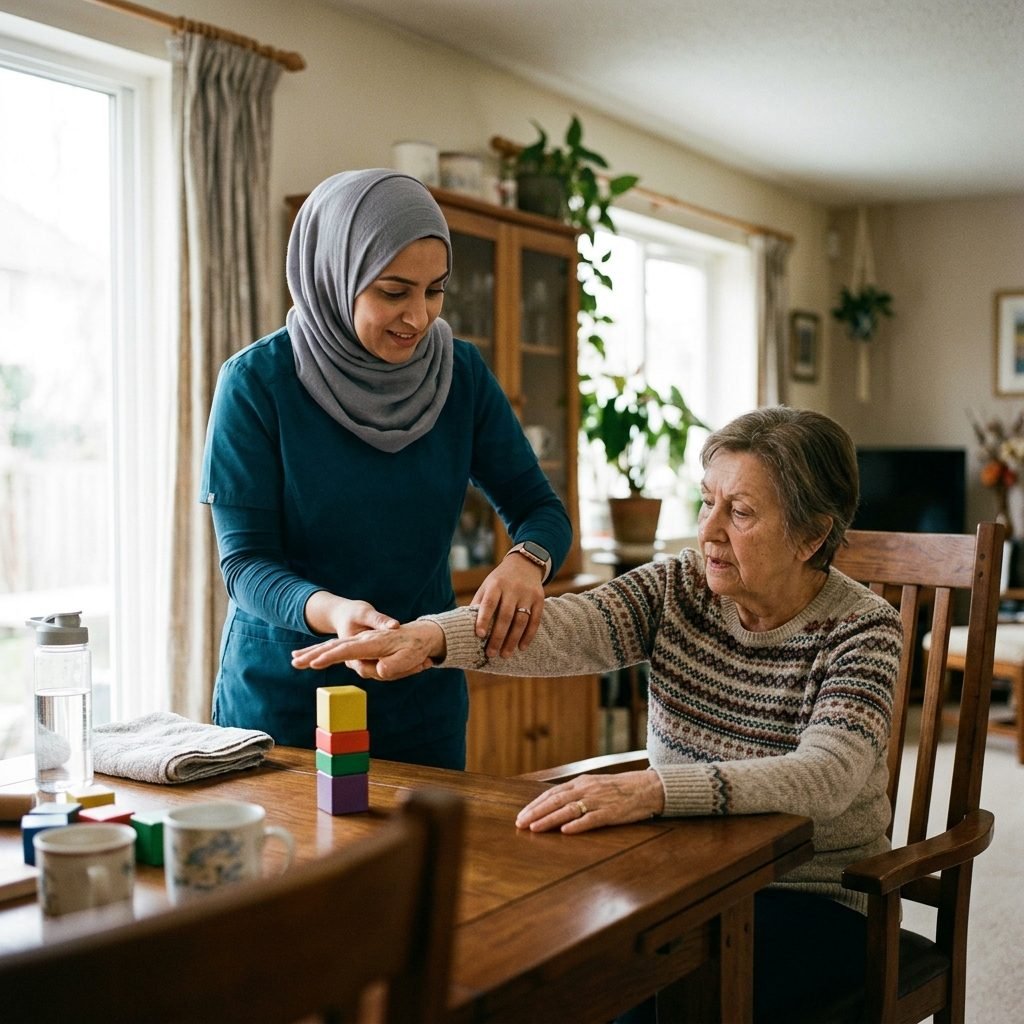
Advanced motor and neurological stroke recovery at home in Al Mohammadiyah.
Service Details ←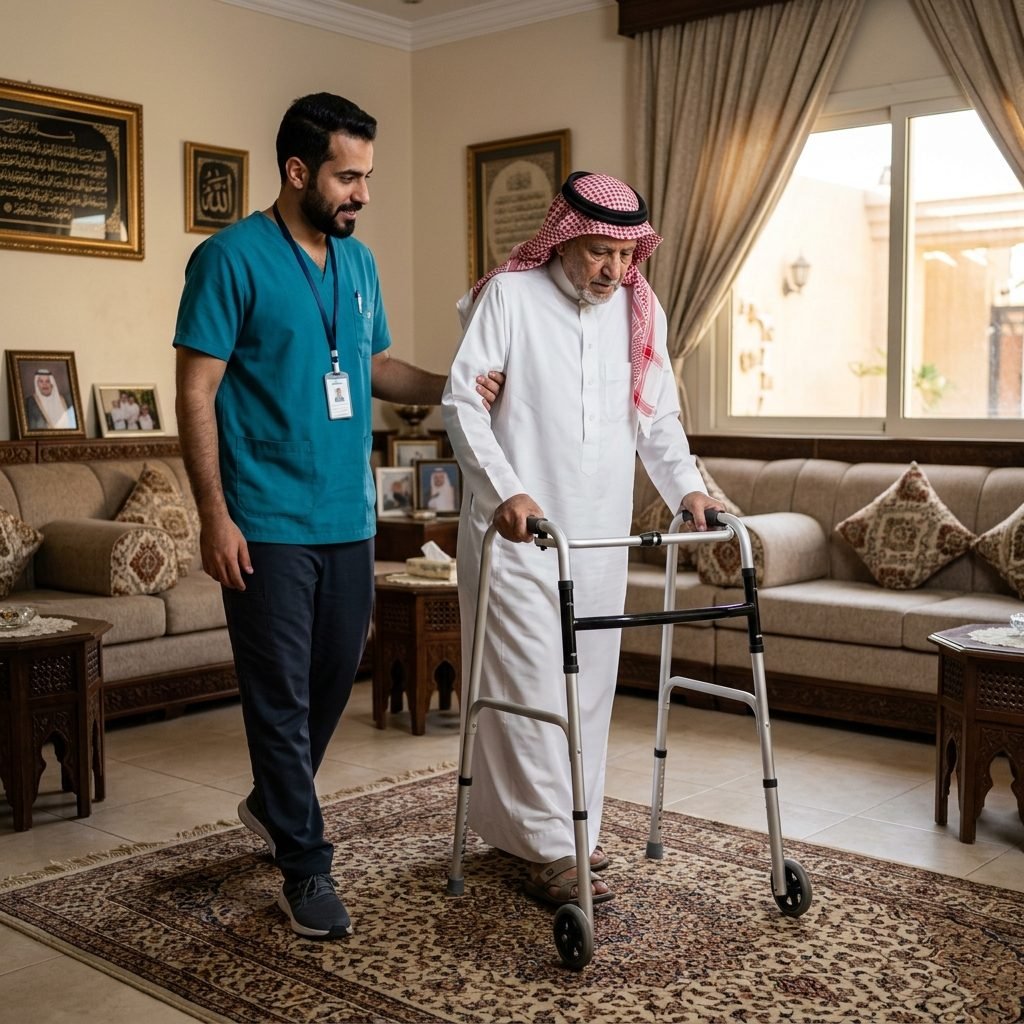
Geriatric Physical Therapy
Balance training, strengthening, and fall prevention for seniors in Al Mohammadiyah.
Service Details ←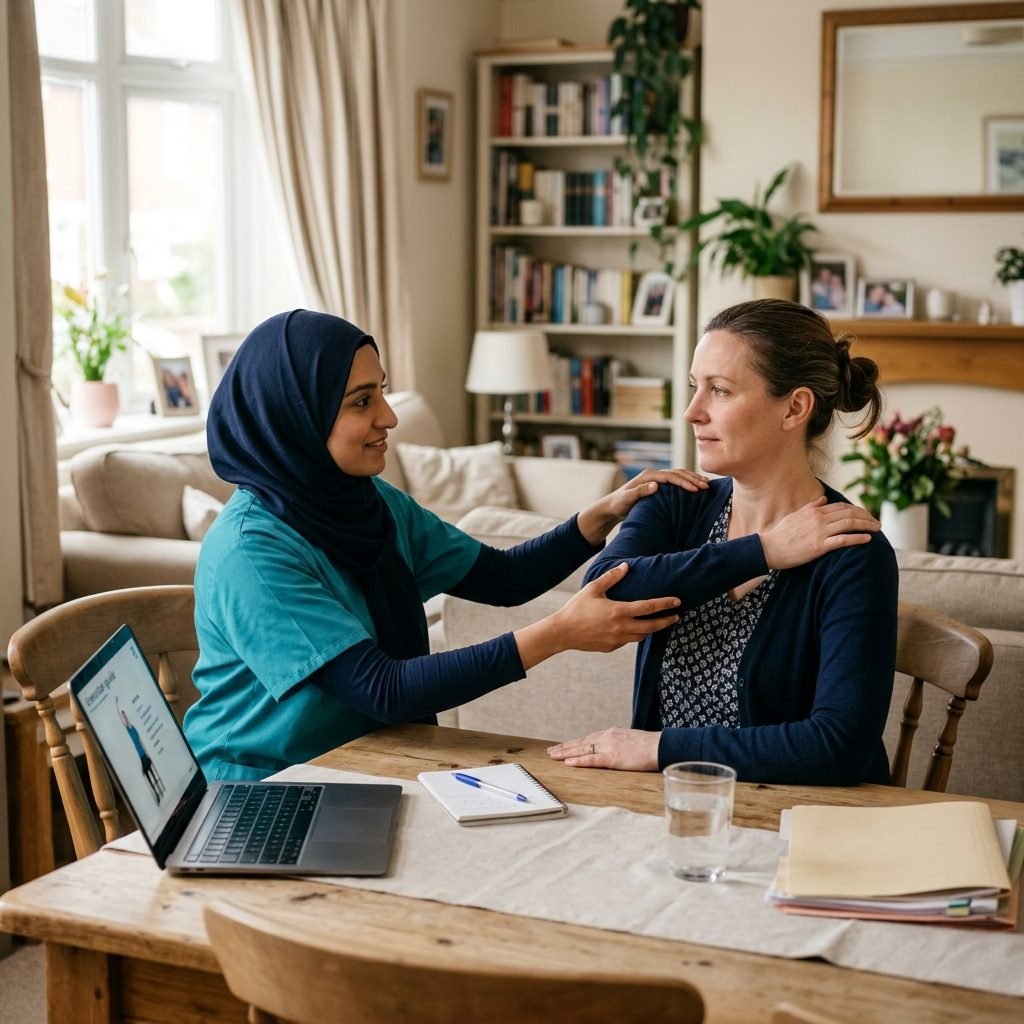
Female Physiotherapist
Licensed female therapists providing home care for women in Al Mohammadiyah.
Service Details ←