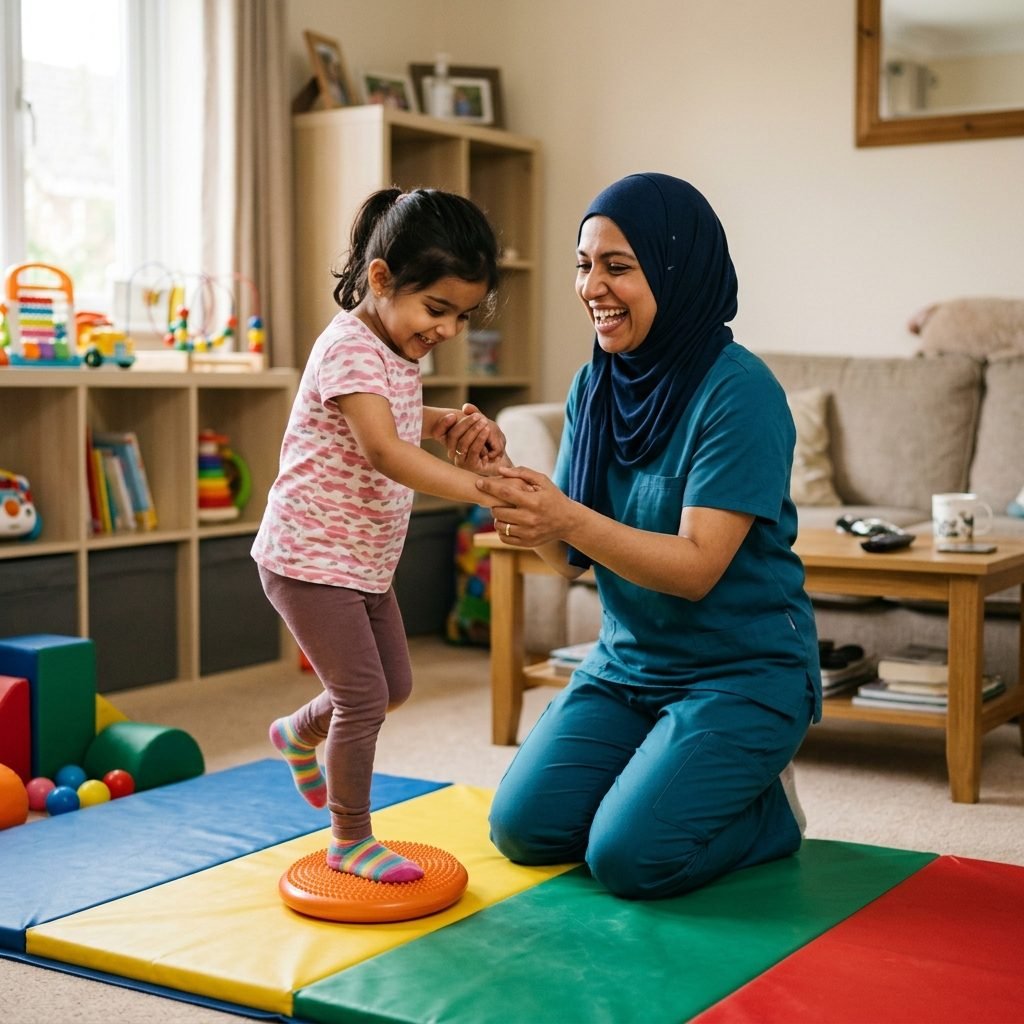
Having access to comprehensive, clinical physical therapy at home is crucial for maintaining rehabilitation progress, especially in busy neighborhoods. Al-Safa and Al Mohammadiyah districts in Jeddah present unique local mobility challenges due to high population density and traffic. At Bidaya Center, we deliver high-quality home physiotherapy and movement rehabilitation services directly to your doorstep, conforming to the clinical guidelines of the Saudi Commission for Health Specialties. We eliminate the stress of travel, traffic, and parking. We respect cultural privacy by providing certified male therapists for male patients and female therapists for female patients.
Our clinical approach in Al Mohammadiyah starts with a detailed physical and environmental safety assessment to eliminate fall hazards in the home. We bring all necessary portable, sterilized equipment to deliver a clinical standard of care comparable to external clinics. The therapist establishes a tailored milestone tracking plan to monitor muscle strength, balance, and joint range of motion (ROM) progression over time.
Why families in Al Mohammadiyah choose Bidaya for home physiotherapy
- ✅ Licensed male & female therapists — full privacy, in your own home in Al Mohammadiyah.
- ✅ Fully in-home visits across Al Mohammadiyah — no travel or traffic.
- ✅ A personalized rehab plan built after a thorough in-home assessment.
- ✅ Continuous follow-up and direct contact with your therapist throughout.
- ✅ Fast response — arrange your visit by a quick call or WhatsApp message.
We also serve nearby areas: Al Andalus · Al Basateen · Al Bawadi
* The treatment plan and expected outcomes are determined by a medical and functional assessment of each individual case.
What Home Pediatric Physiotherapy Means for Families in Al Mohammadiyah
Pediatric physiotherapy is a distinct specialty, quite different from treating adults, because it works with a body that is still growing and a brain that is building its motor skills for the very first time. A child is not treated with dry, repetitive exercises but through guided play and purposeful movement that stimulates the natural stages of development: rolling, sitting, crawling, standing, then walking, balancing, and the fine coordination of the hands. The aim is not simply to strengthen a muscle, but to help the nervous and muscular systems acquire healthy movement patterns the child will build on for the rest of life.
When we bring this service into the home in Al Mohammadiyah in northern Jeddah, we tap into the single most important factor in successful pediatric rehabilitation: the familiar environment. Al Mohammadiyah is a calm residential district full of young families and children, where many homes are spacious apartments and villas with rooms and play areas. A child who practices on the rug they know, with their favourite toys, and surrounded by family faces is far more cooperative and far less anxious than in a clinic, and the quality of each session rises accordingly.
On top of that, a home visit spares families in Al Mohammadiyah the strain of commuting through busy roads, and the risk of exposing a child with weak immunity or frequent seizures to infections in crowded waiting rooms. The therapist arrives with the needed equipment, assesses the child at ease, and sees the real environment of stairs, chairs, bed and dining table, then designs a realistic plan that can actually be applied rather than one that only works in theory. Licensed male and female therapists are available, with full respect for the family's privacy and preferences.
Symptoms and Signs That Signal It Is Time to Start
Many families wait far longer than they should, hoping the child "will catch up with age," when in fact early intervention is the most precious asset a child has, because the plasticity of the brain in the first years is at its highest. Signs worth a specialist assessment include:
- Clear delay in motor milestones: no head control by around four months, not sitting independently near nine months, or not walking after eighteen months.
- Excessive floppiness so the child feels "limp like cloth," or the opposite: stiffness and rigidity in the limbs when lifted or dressed.
- Relying on one side only: always reaching with one hand, crawling asymmetrically, or persistently fisting one hand.
- Constant toe walking, permanently bent knees, or noticeable bowing of the legs together with frequent falls.
- Difficulty with balance and coordination, repeatedly bumping into furniture, or tiring unusually quickly during play compared with peers.
- Weak chewing or poor saliva control, or delay in fine hand skills such as holding a spoon or crayon.
Having one or more of these signs is not a confirmed diagnosis, but it is reason enough to request an assessment. If a child suddenly loses a skill they had already gained, the family should see the doctor first before beginning rehabilitation.
Conditions and Groups That Benefit
Home pediatric physiotherapy covers a broad spectrum of conditions among children living in Al Mohammadiyah and neighbouring districts:
- Children with cerebral palsy in its various forms (spastic, hypotonic, mixed) who need ongoing work on muscle tone and positioning.
- General motor developmental delay and delayed walking without a clear neurological cause.
- Premature (preterm) babies at risk of delayed acquisition of motor skills.
- Down syndrome and its associated low muscle tone and joint laxity that affect sitting, standing and walking.
- Birth-related brachial plexus injuries, and weakness or paralysis of one limb.
- Foot conditions such as flat feet or toe walking, and congenital tilting of the neck (muscular torticollis).
- Children after orthopaedic or neurological surgery who need to regain movement and joint range.
- Poor coordination, balance disorders and motor-planning difficulties that affect the child's daily function.
Each group has different needs, which is why work always begins with an individual assessment that establishes the child's starting point and priorities before any plan is drawn.
Goals of the Rehabilitation Program
A child's rehabilitation goals are built collaboratively with the family, and they are realistic, measurable and spread across short and long term, always keeping in mind that expected outcomes depend on the nature of the case and its clinical and functional assessment:
- Normalising muscle tone as far as possible: relaxing spastic muscles and activating weak ones to reach a balance that allows functional movement.
- Promoting motor milestones in their natural order: from head and trunk control through to sitting, crawling, standing and walking.
- Improving balance, coordination and the ability to change positions safely and independently.
- Maintaining joint range of motion and preventing long-term contractures and deformities.
- Developing fine hand skills to support play, feeding and later writing.
- Increasing the child's independence in daily activities appropriate to their age and abilities.
- Supporting emotional and social wellbeing through a chain of small successes that build the child's self-confidence.
These goals are reviewed regularly and readjusted whenever the child progresses or their needs change; the plan is a living thing that evolves alongside them.
Stages and Path of the Home Sessions
Work at home follows a clear path that gives the family a view of what is coming:
- Initial assessment: on the first visit the therapist examines muscle tone, reflexes, joint range, and the milestones the child has reached, while listening to the family's observations and the child's medical history.
- Setting the plan and goals: short and long-term goals are framed, and a suitable number of weekly sessions is decided based on the child's condition and age.
- Therapy sessions: mostly delivered as guided play and enjoyable activities, including positioning exercises, weight-bearing on the limbs, and sensory-motor work, at an intensity the child can tolerate without exhaustion.
- Home program between sessions: the therapist gives the family simple daily exercises woven into the ordinary routine such as bath time, feeding and play, because daily repetition is what makes the real difference.
- Follow-up and reassessment: progress is measured periodically, and exercises are adjusted and made gradually harder as the child develops.
The length and number of sessions depend on the child's age, attention span and the severity of the case, and care is always taken to keep the experience enjoyable so the child's cooperation stays high.
The Role of the Family and Caregiver
In pediatric rehabilitation especially, the family is not a spectator but an essential partner in treatment, and the program's success is directly tied to how involved the parents are. The therapist visits for a limited number of hours each week, while the family spends the rest of the time with the child, and it is there that the effect of the exercises is either achieved or lost.
For this reason we make a point of training the mother, father or caregiver in the correct way to carry the child and position them for sitting and sleeping, and in weaving exercises into ordinary daily moments without them becoming a burden. We encourage the family to note what the child can do today that they could not do yesterday, because these small details guide how the plan is adjusted.
We also ask the family for patience and to avoid comparing their child with peers or siblings, since every child has their own rhythm. Celebrating each small step creates a positive environment that pushes the child to try again and again, and the emotional support a family gives is no less important than the physical exercise itself.
Home Safety and Prevention Tips
A safe home is the best rehabilitation environment, and families in Al Mohammadiyah can take simple steps that protect the child and support their progress:
- Provide a safe, clean floor space for exercise, free of sharp-cornered furniture and cables, with a rug or mat that gives comfortable, stable footing.
- Secure tip-prone shelves and cabinets, and place gates at stairways, because a child who is starting to move explores everything.
- Choose supportive, well-fitting shoes when standing and walking begin, and avoid slippery slippers on marble floors.
- Beware of circular baby walkers the child sits in, as they may delay walking and increase the risk of falls; ask the therapist about safe alternatives.
- Watch sitting posture in front of screens, and give the child enough floor movement time instead of long periods in a chair or stroller.
- Ensure balanced nutrition and adequate sleep, because healthy motor development needs energy and a well-rested body.
- Never force an exercise on a child who is unwell, tired or crying; a useful session is one where the child is receptive.
If any unusual pain, swelling or sudden change in the child's condition appears, stop the exercises and consult the treating physician.
Frequently Asked Questions (FAQ)
Is home physiotherapy as effective for children as clinic sessions?
Yes, and in many cases it has an advantage, because the child practices in their natural environment among their toys and family and cooperates more, while the therapist sees the real conditions of the home and designs a realistic program that can be applied every day.
At what age can my child start treatment?
There is no "too early"; intervention in the first months and years is usually the most impactful because brain plasticity is at its peak. Even at-risk infants can benefit from an assessment and a suitable program.
Will the sessions be painful or frightening for my child?
They are designed as enjoyable play at an intensity the child can tolerate, and the goal is to keep the experience positive. A child may resist anything new at first, but with an experienced therapist and the reassuring presence of the family they adapt quickly.
How many sessions will my child need and how long will it take?
There is no single answer for everyone; the number and duration depend on the type and severity of the condition, the child's age, and how consistently the family follows the home program. This is determined after the initial assessment and readjusted as the child progresses.
Are both male and female therapists available, and is home privacy respected?
Yes, licensed male and female therapists are available and the family can choose what suits them, with full respect for the privacy of the home and the comfort of the child and family throughout the visit.
To book a home assessment for your child in Al Mohammadiyah or to ask about the service, contact Bidaya Center by phone or WhatsApp by clicking Call Now, and we will be glad to help you take the first step toward your child's motor development.
Important Home Visit Details:
- ✓Setup: Please clear a 2x2m space in the room for safety.
- ✓Clothing: Wear loose, comfortable clothes for easy movement.
- ✓Therapist Parity: Male therapists for males, females for females.
- ✓Medical Reports: Keep your MRI or doctor reports ready for evaluation.
Rehabilitation & Services in Al Mohammadiyah
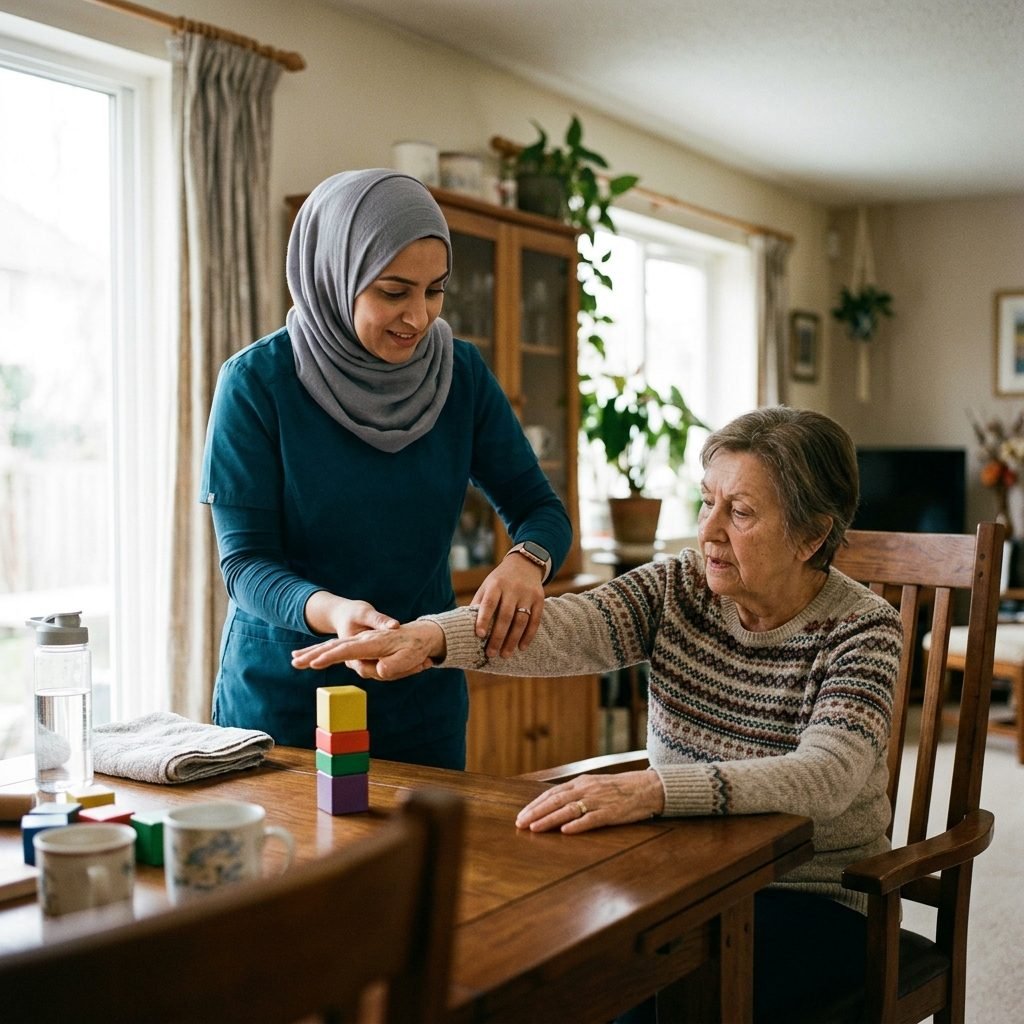
Stroke Rehabilitation
Advanced motor and neurological stroke recovery at home in Al Mohammadiyah.
Service Details ←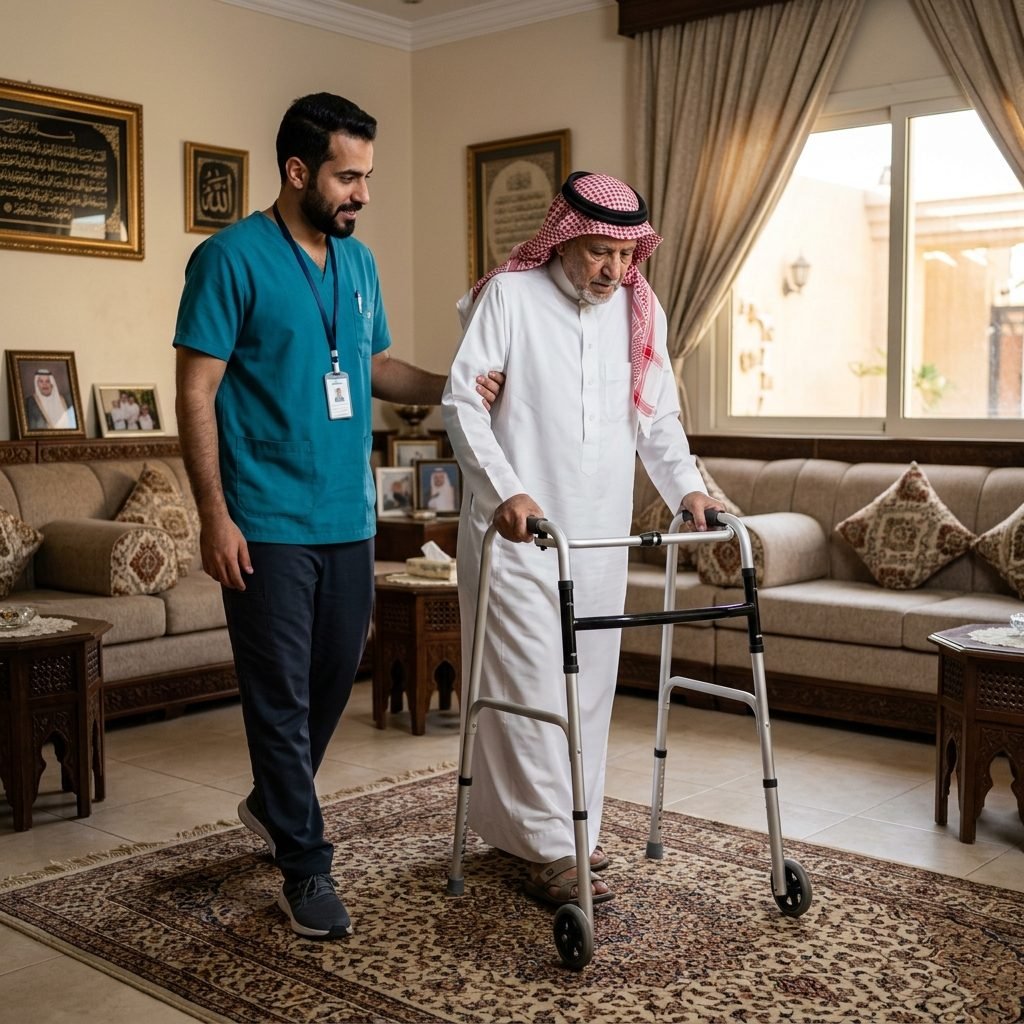
Geriatric Physical Therapy
Balance training, strengthening, and fall prevention for seniors in Al Mohammadiyah.
Service Details ←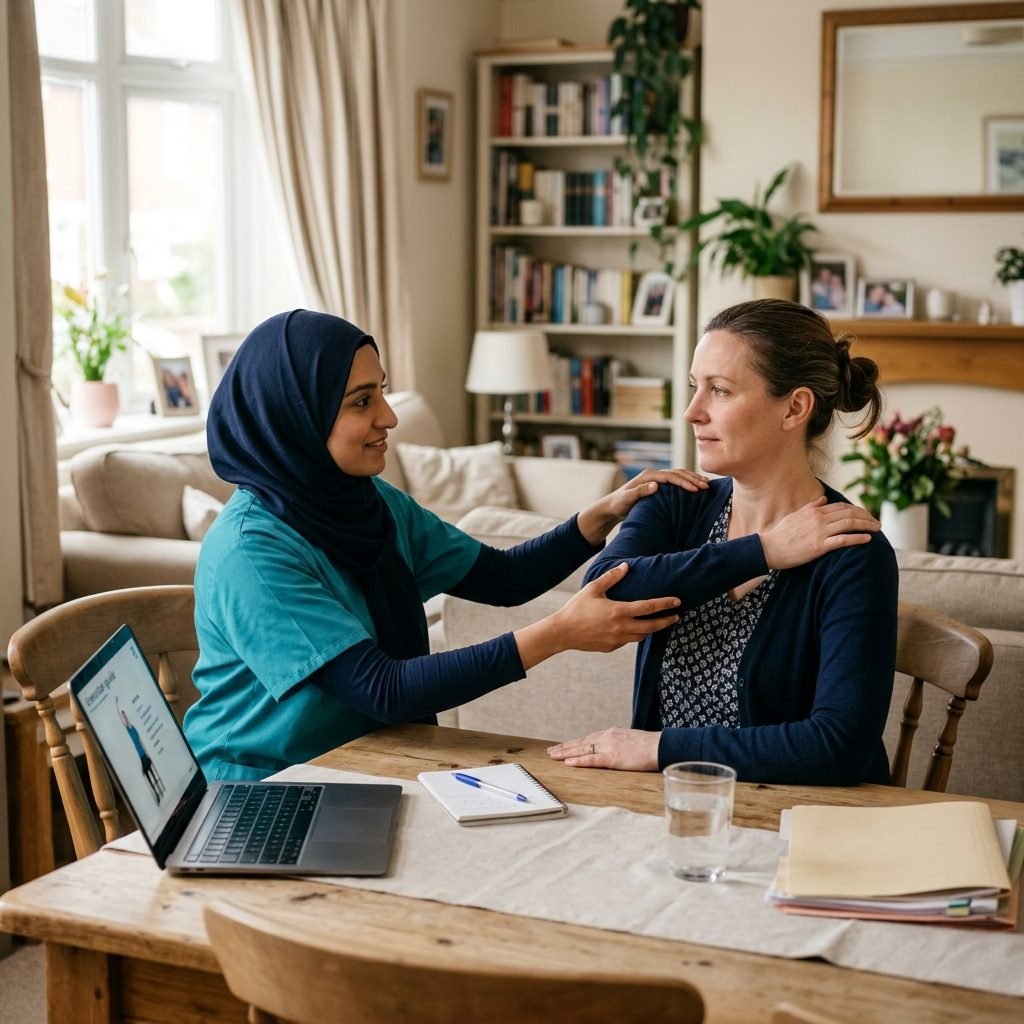
Female Physiotherapist
Licensed female therapists providing home care for women in Al Mohammadiyah.
Service Details ←